Overview
Trinka AI Grammar Checker is a free online proofreading tool focused on academic and technical writing. Core capabilities include grammar, spelling, punctuation, sentence-structure fixes, word-choice and style recommendations, readability improvements, a language quality score, and explanations for corrections to aid learning. It offers browser extension and Microsoft Word add-in integrations, and supports copy-paste editing on the website. Languages supported include English (primary) with Spanish support and US/UK spelling options. On-page checks are limited to 500 words per check/session. A free tier is available for standard checks; for higher monthly usage, advanced features such as plagiarism checks, increased AI-request limits, and enhanced privacy controls are available on paid plans. Related pages cover pricing, API pricing (word-based) with a Confidential Data option, an AI Content Detector, features summary (including plagiarism checks, citation formatting, journal matcher, translation, paraphraser, track-changes Word exports), and a contact page. Privacy options range from standard on the free/basic offering to premium confidentiality options (90-day auto-deletion, Confidential Data Plan, on-premise/private cloud, no AI training) on paid plans.
Key Features
Grammar checks
Corrects grammar errors across sentences.
Spelling checks
Identifies misspellings and suggests corrections.
Punctuation fixes
Improves punctuation usage and consistency.
Sentence structure improvements
Recommends reordering or rewriting for clarity and flow.
Word-choice and style recommendations
Suggests better word choices and writing style tweaks.
Readability score and explanations
Provides a readability score with explanations to aid learning.
Pricing Plans
Pricing information is not available yet.
Pros & Cons
✓ Pros
Pros will be listed here once they are curated.
✗ Cons
Cons will be listed here once they are curated.
Related Articles (5)
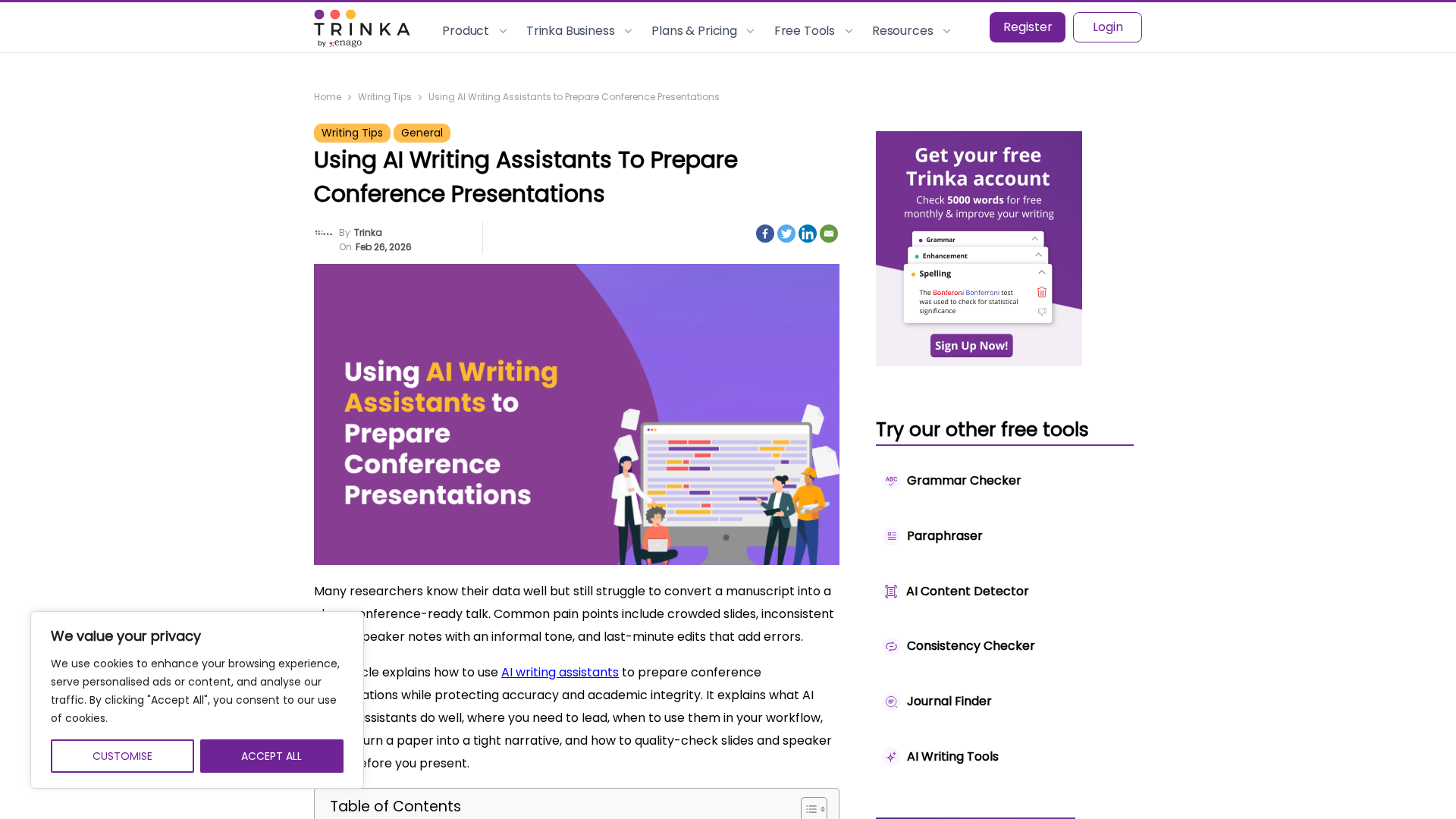
Practical, step-by-step guide to using AI writing assistants to craft clear, accurate conference presentations while preserving scientific integrity.
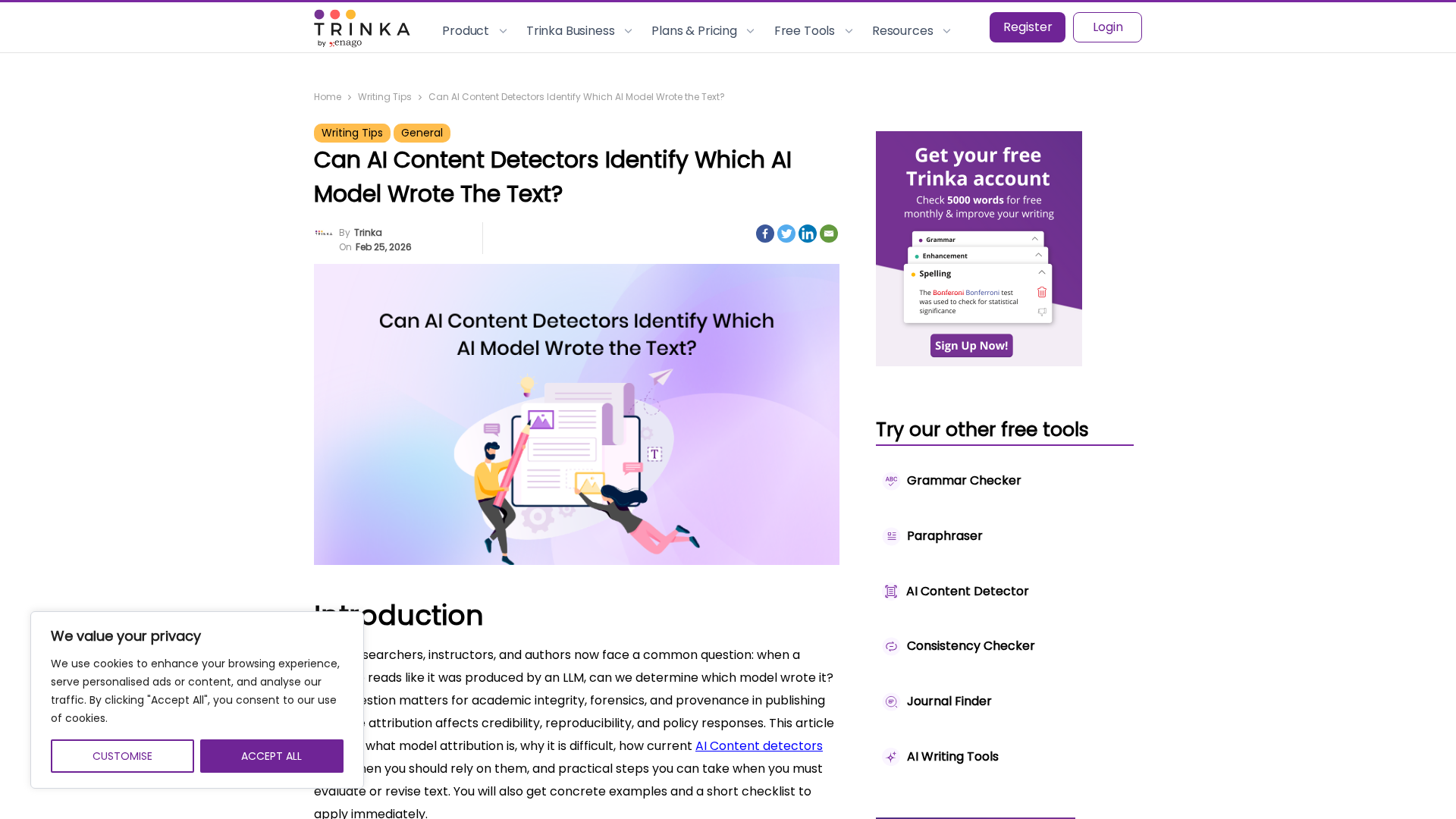
Explains how AI detectors work, their limits, and practical steps for attributing text to specific AI models.
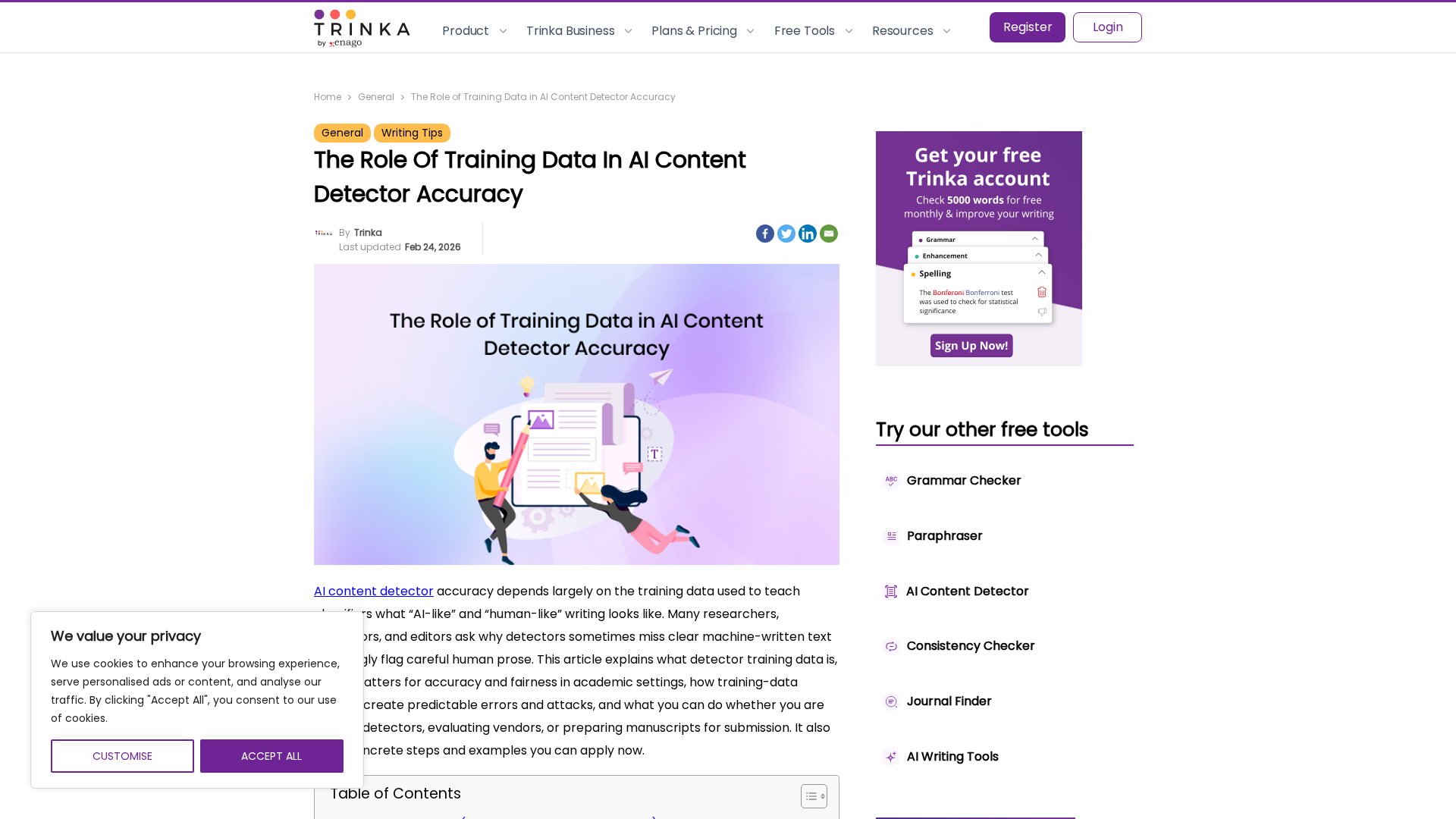
Explains how training data drives AI detector accuracy, limitations, and practical steps for researchers, evaluators, and writers.
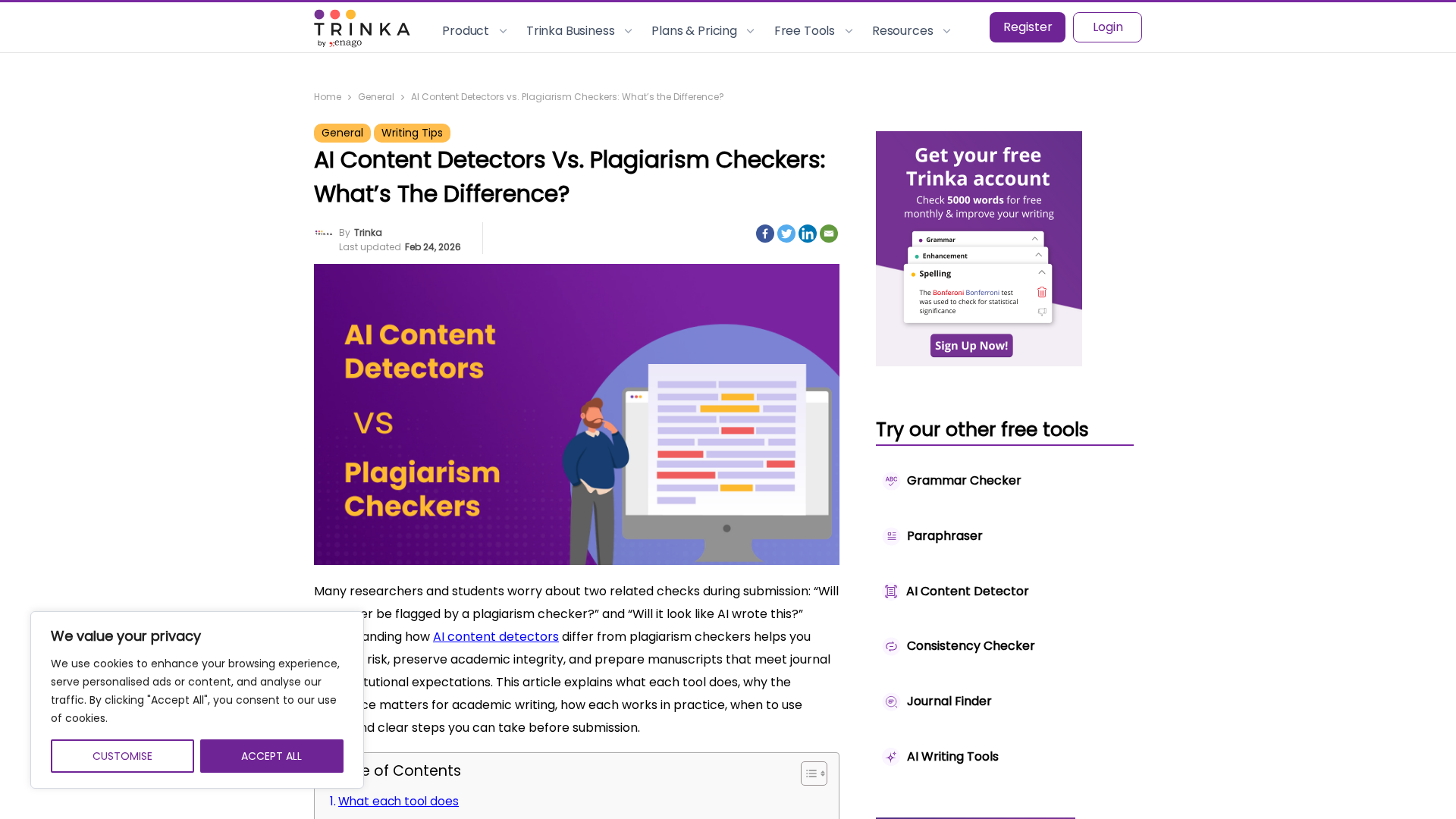
A practical comparison of AI detectors and plagiarism checkers, with guidance on when and how to use each in scholarly writing.
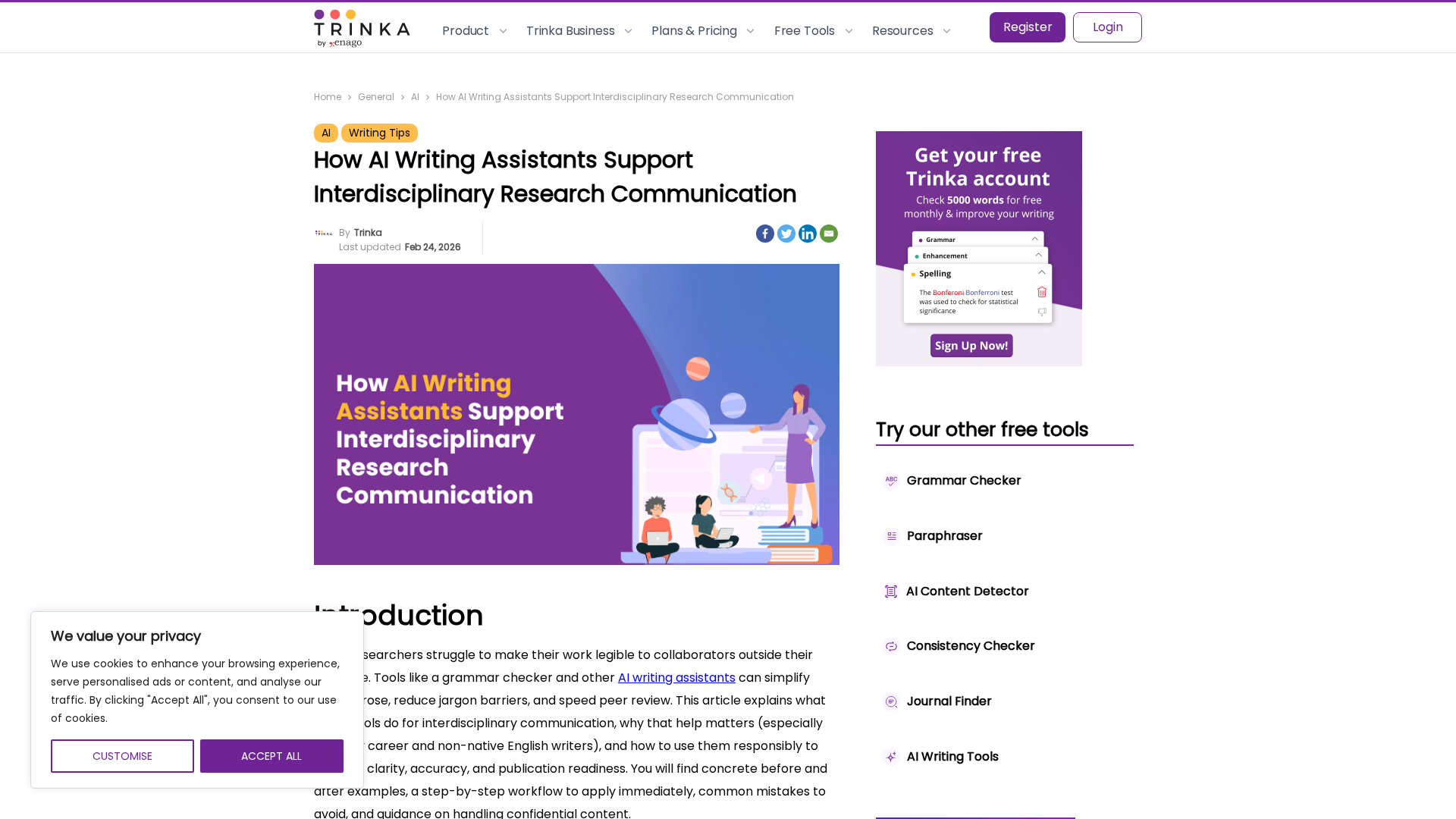
A practical guide to using AI writing assistants to improve interdisciplinary research communication, with workflow, examples, and best practices.