Topic Overview
AI code security and model‑level protection tools address risks that arise when generative models write, modify, or act on software and connected systems. This topic covers the technical and governance controls — from access policies and secure inference to runtime monitoring, watermarking, provenance, and vulnerability scanning for model outputs — that enterprises use to reduce leakages, malicious actions, and compliance exposure. Relevance in 2026 stems from three converging trends: widespread adoption of agentic and production LLMs, regulatory and compliance pressure on AI behavior and supply chains, and the move toward enterprise-hosted or customizable foundation models. Key categories include secure AI infrastructure (e.g., Xilos’ agentic AI visibility and service-level monitoring), enterprise model providers (Mistral’s open/efficient models and production platform focused on privacy and governance; Cohere’s private, customizable models and retrieval/embedding tooling), large multimodal platforms (Google Gemini), and assistant/orchestration products (Anthropic’s Claude family and IBM watsonx Assistant). Practical protections span policy and engineering: fine‑grained access controls, VPC/on‑prem model deployment, data‑handling guarantees, model watermarking and fingerprinting, provenance and audit trails, retrieval‑augmented guardrails, and code‑specific defenses such as static analysis, secure generation constraints, and runtime sandboxing. Effective programs pair model providers with governance layers and observability platforms that can detect agentic activity, trace service calls, and enforce least privilege across code generation workflows. Organizations evaluating Claude, Mistral, Cohere, Gemini, watsonx, Xilos and alternatives should weigh model safety primitives, deployment isolation, observability, and integration with existing security tooling to mitigate code‑level risks while retaining developer productivity.
Tool Rankings – Top 6
Intelligent Agentic AI Infrastructure

Enterprise-focused provider of open/efficient models and an AI production platform emphasizing privacy, governance, and
Anthropic's Claude family: conversational and developer AI assistants for research, writing, code, and analysis.

Enterprise-focused LLM platform offering private, customizable models, embeddings, retrieval, and search.

Google’s multimodal family of generative AI models and APIs for developers and enterprises.

Enterprise virtual agents and AI assistants built with watsonx LLMs for no-code and developer-driven automation.
Latest Articles (66)
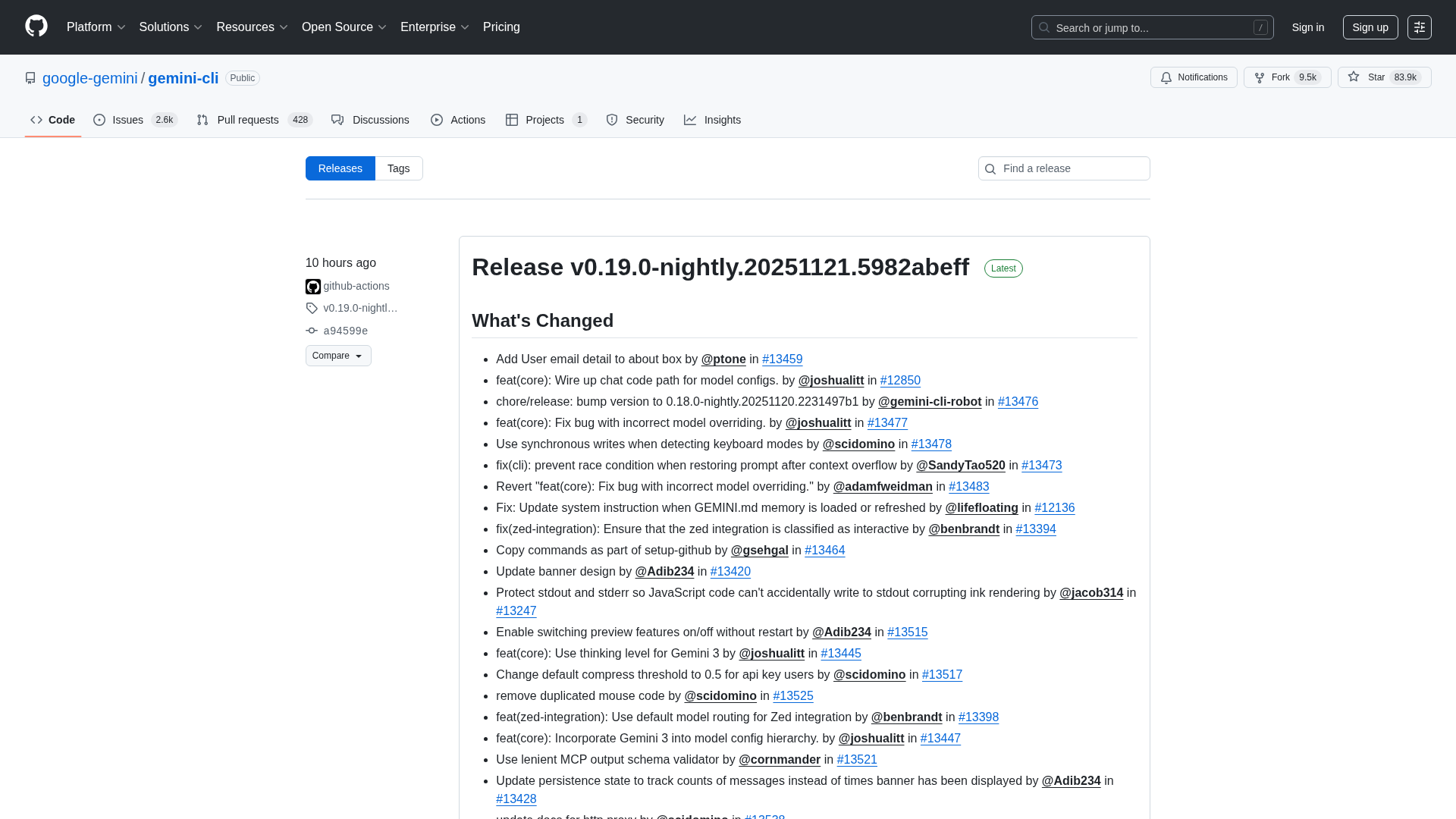
Overview of the Gemini CLI v0.36.0-preview release series, highlighting architectural, CLI, and UI changelogs across multiple pre-release versions.
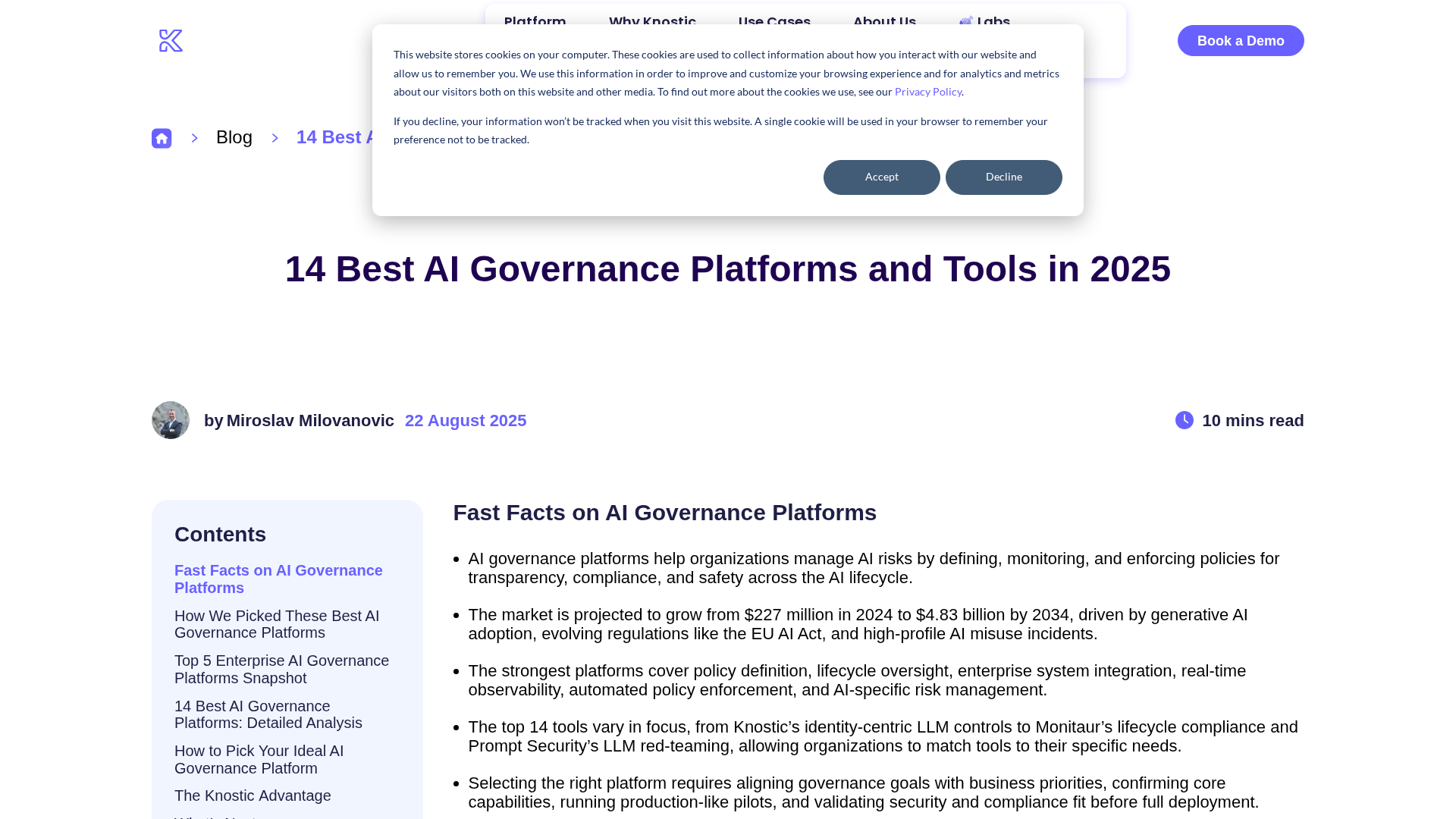
A comprehensive comparison and buying guide to 14 AI governance tools for 2025, with criteria and vendor-specific strengths.
OpenAI’s bypass moment underscores the need for governance that survives inevitable user bypass and hardens system controls.
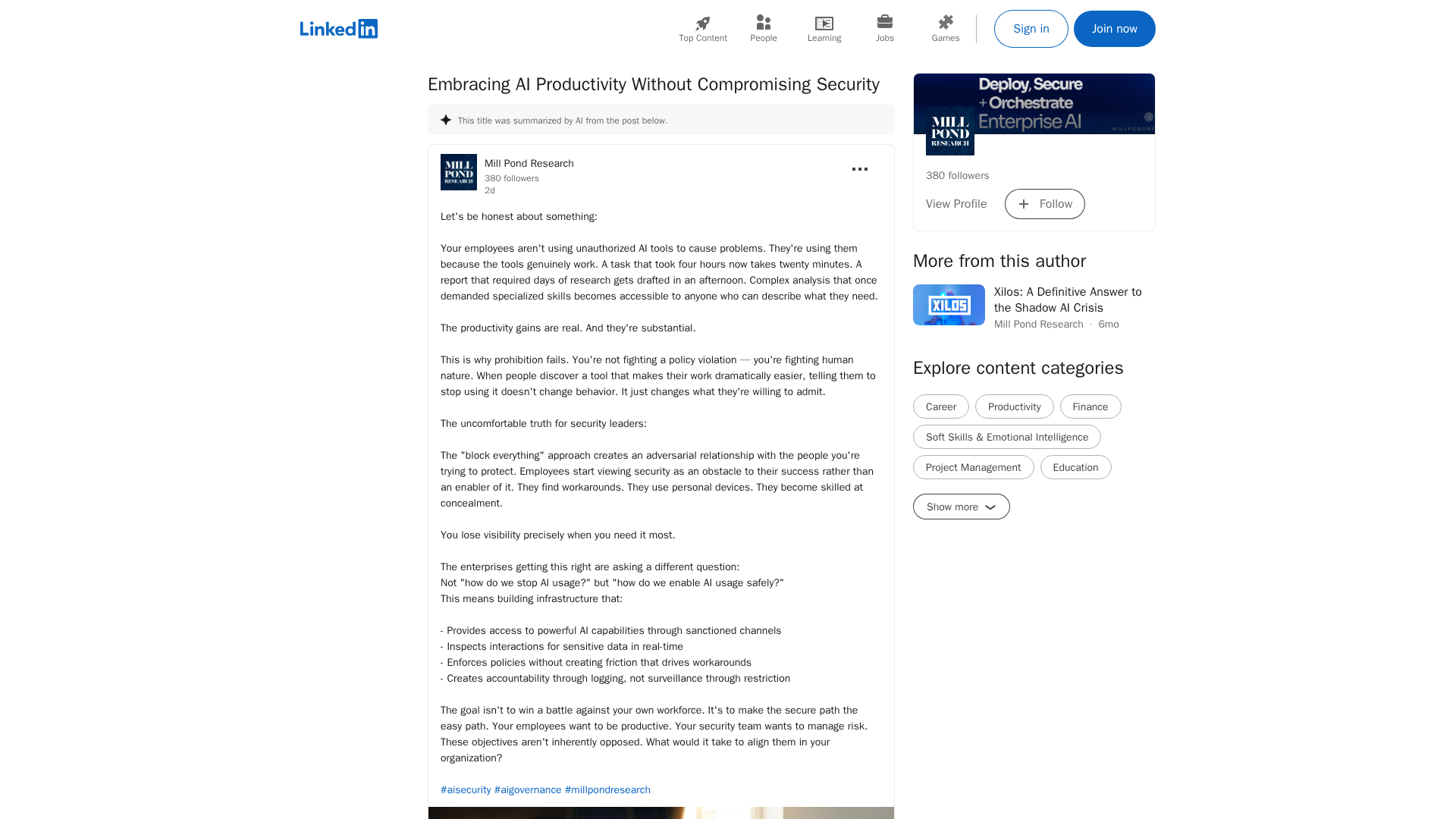
A call to enable safe AI use at work via sanctioned access, real-time data protections, and frictionless governance.
A real-world look at AI in SOCs, debunking myths and highlighting the human role behind automation with Bell Cyber experts.