Topic Overview
This topic covers tools and techniques for scanning AI models and applications—both at development time and in runtime—to detect vulnerabilities, adversarial inputs, data-exfiltration paths, and commercial fraud (ad, click, install, and financial fraud). As organizations deploy agentic AI, multi-agent workflows, and private LLMs at scale, visibility gaps and new attack surfaces have emerged: prompt and chain-of-thought injection, unintended API calls, credential and data leakage, model theft, and sophisticated ad/fraud schemes that exploit automated decisioning. Bumblebee-style scanners refer to automated scanners that probe models and application surfaces with crafted inputs and runtime traces to find misconfigurations, prompt-injection vectors, risky API interactions, and emergent agent behaviors. Ad/fraud monitoring tools analyze telemetry, conversion patterns, network signals and attribution data to surface anomalous activity such as click farms, fake installs, or monetization abuse driven by malicious actors using AI. Contemporary deployments pair continuous runtime scanning with static analysis, policy-as-code, provenance and data-lineage tracking, and integration into SIEM/SOAR and MLOps pipelines. Key vendor roles illustrated here: Xilos provides infrastructure-level visibility into connected services and agentic AI activity, enabling cross-service observability; Kore.ai focuses on building and governing multi-agent workflows with observability and enterprise governance controls; Cohere supplies private, customizable LLMs and retrieval/embedding services that reduce attack surface when combined with secure deployment and monitoring. Together, these classes of tools form complementary defenses: model/app scanners find behavioral and configuration issues, governance platforms enforce policies and observability, and enterprise LLM platforms limit exposure via private models. Given increasing regulatory scrutiny, widespread agentic automation, and more sophisticated fraud tactics as of 2026-05-29, integrating scanning and fraud-detection into AI governance is now a practical requirement for secure, auditable AI operations.
Tool Rankings – Top 3
Intelligent Agentic AI Infrastructure

Enterprise AI agent platform for building, deploying and orchestrating multi-agent workflows with governance, observabil

Enterprise-focused LLM platform offering private, customizable models, embeddings, retrieval, and search.
Latest Articles (32)
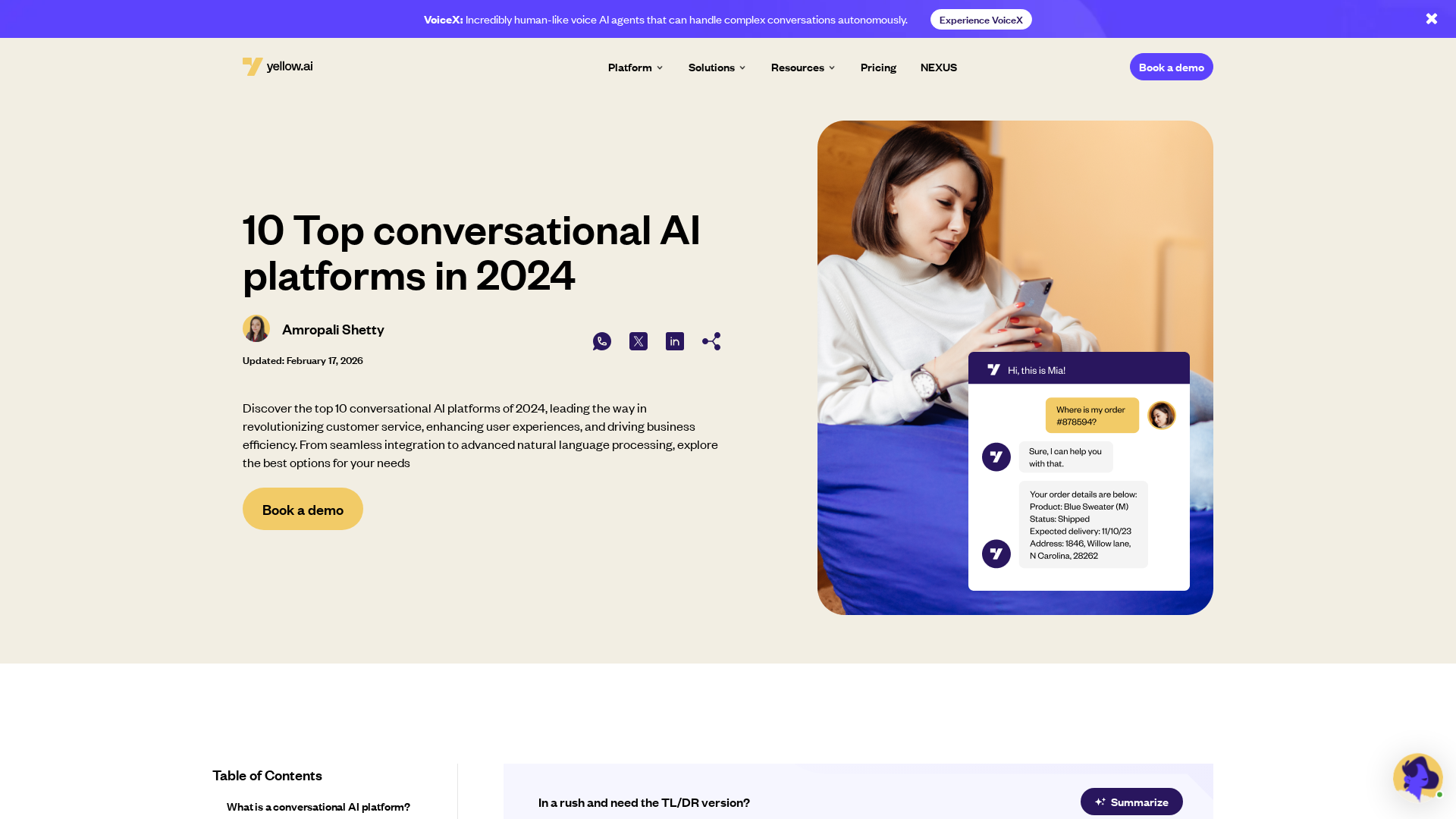
A concise guide to the top 10 conversational AI platforms in 2024, with features, benefits, and use cases.
OpenAI’s bypass moment underscores the need for governance that survives inevitable user bypass and hardens system controls.
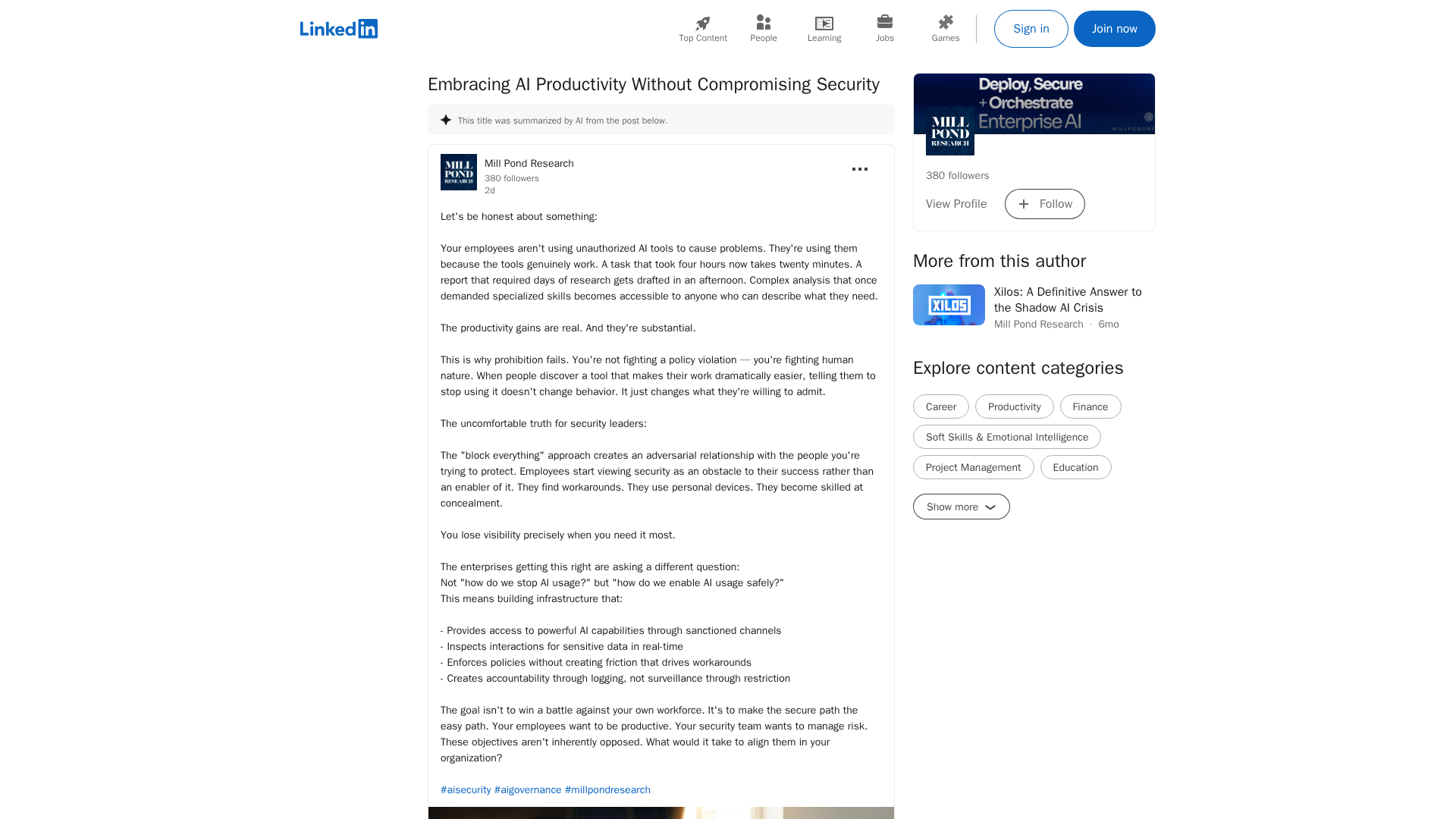
A call to enable safe AI use at work via sanctioned access, real-time data protections, and frictionless governance.
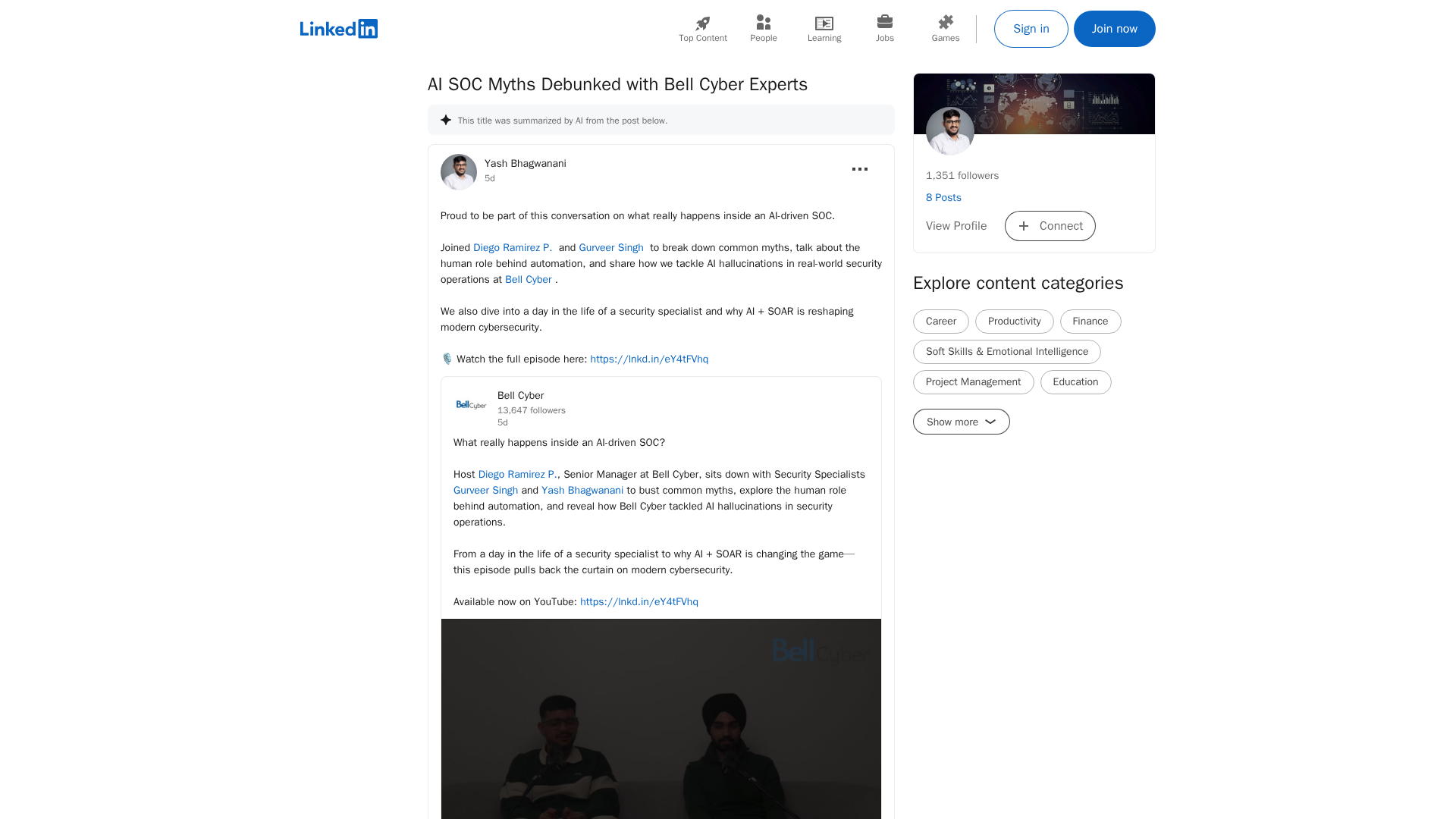
A real-world look at AI in SOCs, debunking myths and highlighting the human role behind automation with Bell Cyber experts.
Explores the human role behind AI automation and how Bell Cyber tackles AI hallucinations in security operations.