
Topic Overview
This topic covers AI platforms, models, and agent infrastructures designed to support biodefense and biosecurity use cases, with emphasis on governance, observability, and regulatory compliance. As life‑science workflows become increasingly automated and agentic, organizations need tools that balance capability with auditability, access controls, and threat-mitigation measures. OpenAI’s Rosalind (positioned as a biosecurity‑oriented offering) sits alongside enterprise LLM and agent platforms that supply private models, embeddings, retrieval, multi‑modal reasoning, and orchestrated multi‑agent workflows. Key platform types include: enterprise agent frameworks (Kore.ai) that let teams build and govern multi‑agent workflows with observability and orchestration; agentic AI infrastructure (Xilos) that emphasizes visibility into connected services and agent activity; enterprise LLM stacks (Cohere) offering private, customizable models, embeddings, and retrieval to support secure domain workloads; and multimodal API platforms (Google Gemini) that provide broad generative and perceptual capabilities for complex bioscience tasks. Together these tools address distinct needs: model privacy and customization, secure deployment and access control, activity logging and provenance, and controlled automation via agents. Relevance is driven by accelerating dual‑use risks, increased regulatory attention to AI in biological contexts, and operational requirements for incident investigation and compliance. Practical considerations include deployment topology (on‑prem vs. cloud), evidence trails for decision‑making, policy enforcement across agents, and mechanisms for red‑teaming and safe‑failing. Evaluating platforms for biodefense therefore requires assessing not only raw model performance, but governance primitives, observability, integration boundaries, and vendor controls that reduce misuse risk while enabling legitimate scientific and public‑health work.
Tool Rankings – Top 4

Enterprise AI agent platform for building, deploying and orchestrating multi-agent workflows with governance, observabil
Intelligent Agentic AI Infrastructure

Enterprise-focused LLM platform offering private, customizable models, embeddings, retrieval, and search.

Google’s multimodal family of generative AI models and APIs for developers and enterprises.
Latest Articles (46)
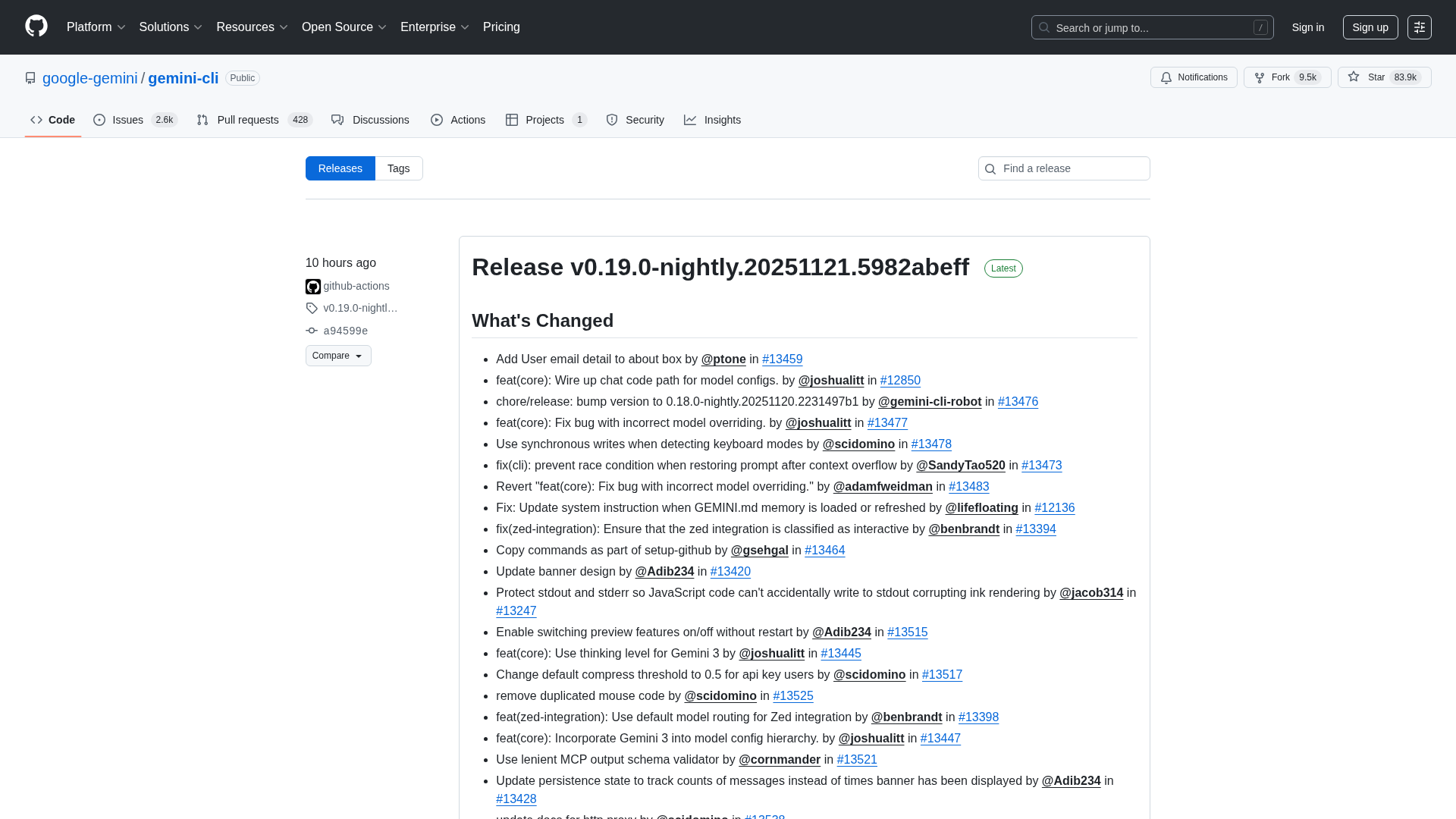
Overview of the Gemini CLI v0.36.0-preview release series, highlighting architectural, CLI, and UI changelogs across multiple pre-release versions.
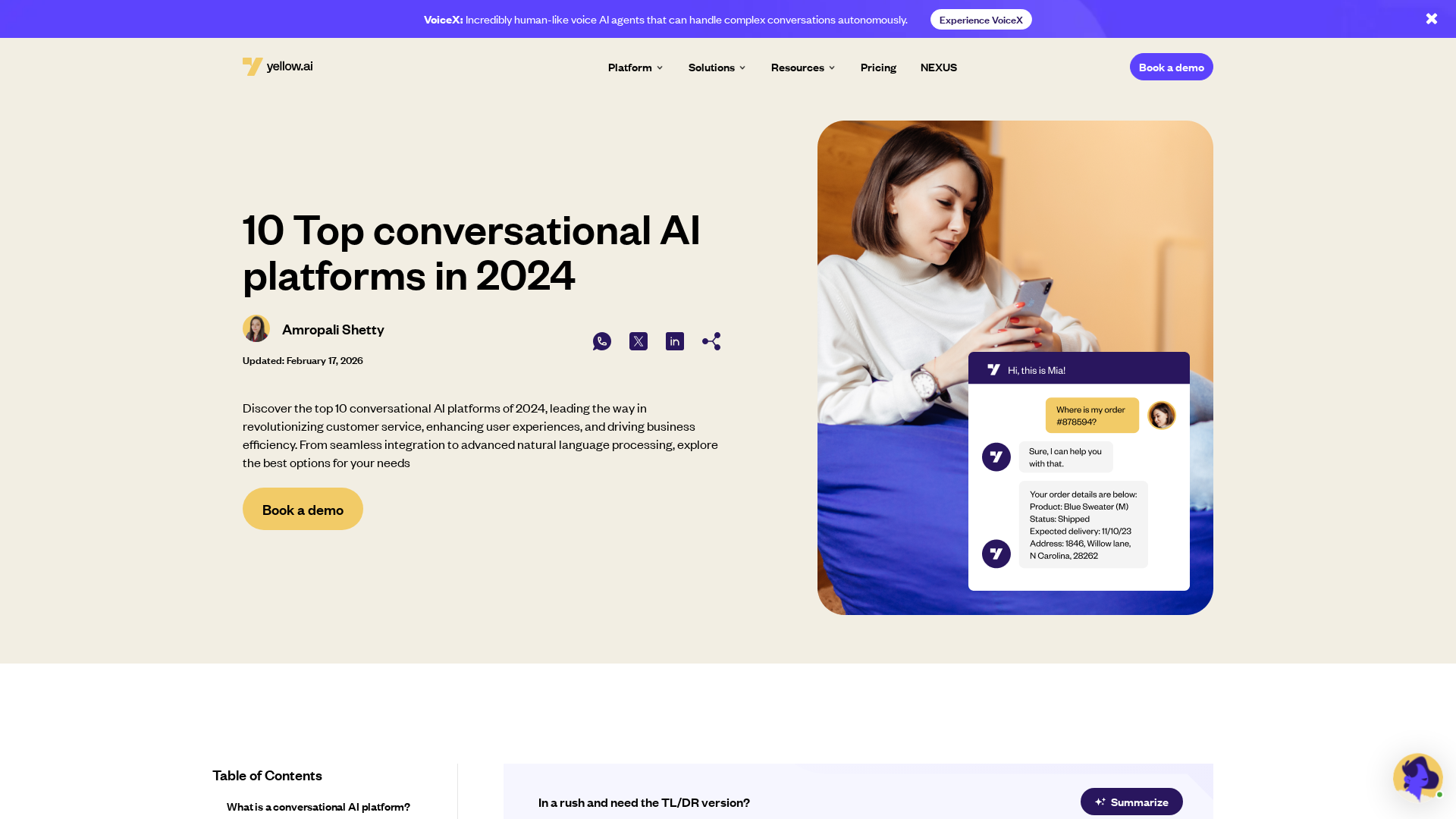
A concise guide to the top 10 conversational AI platforms in 2024, with features, benefits, and use cases.
OpenAI’s bypass moment underscores the need for governance that survives inevitable user bypass and hardens system controls.
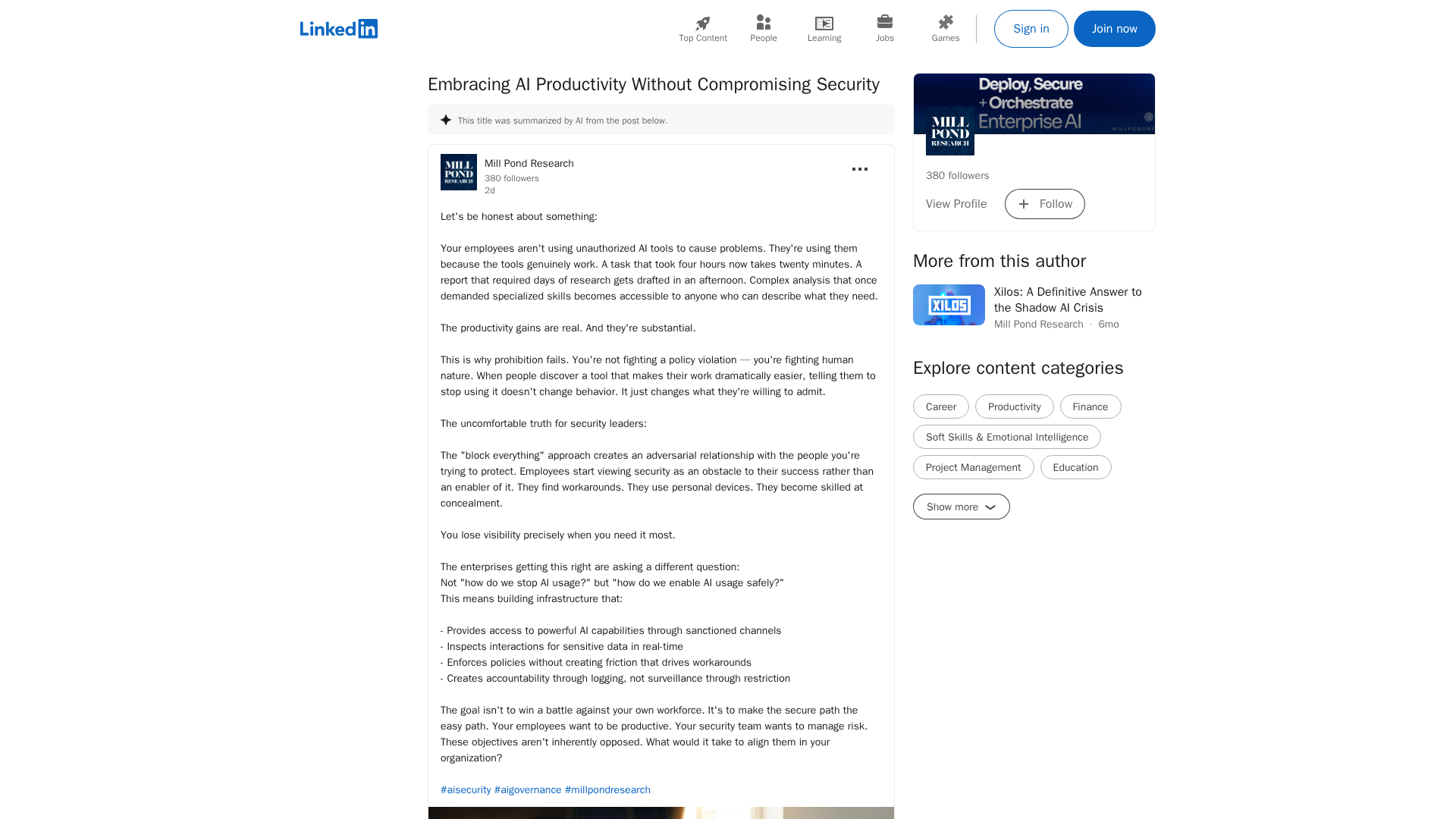
A call to enable safe AI use at work via sanctioned access, real-time data protections, and frictionless governance.
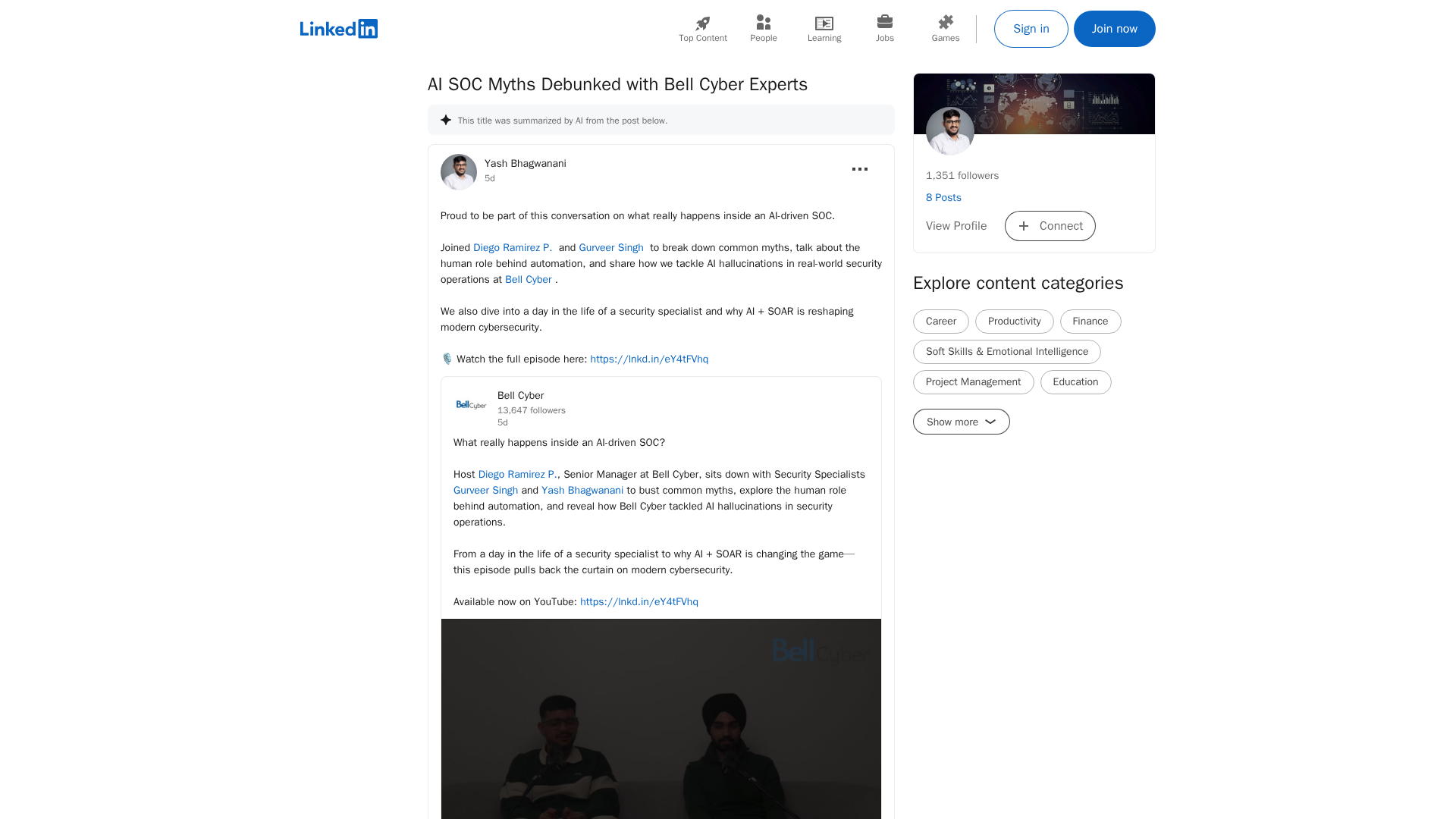
A real-world look at AI in SOCs, debunking myths and highlighting the human role behind automation with Bell Cyber experts.