Topic Overview
This topic covers how creators and teams use generative AI to produce images, video, designs and code while managing licensing, content protection, and end-to-end workflows. By 2025 creators must balance fast iteration with provenance, permissioning and reproducibility: license metadata and tamper-evident provenance are now central to distribution and platform compliance, and secure execution sandboxes and credentialed integrations reduce legal and security risk. Key components include secure sandboxing (Daytona; pydantic/mcp-run-python) for running AI-generated code and transformations without exposing secrets or host systems; Model Context Protocol (MCP) integrations (GitHub, Atlassian Confluence/Jira, Figma/TalkToFigma, Playwright) that let agents read and modify source files, issues, and designs; and integration platforms (Pipedream) to wire APIs and automate publishing pipelines. Image and video generators feed asset pipelines that must attach licensing and provenance metadata; document management integrations keep source contracts, release notes and attributions centralized. Credential management and A2A (agent-to-agent) controls enforce least-privilege access to repositories, design files and build systems. Practical workflows stitch these elements together: agents read Figma designs, generate variations, run unit or visual tests in sandboxes, commit to GitHub via the GitHub MCP, and create tickets in Jira/Confluence for approvals — all while embedding license tags and cryptographic provenance. Playwright MCP can automate web-based approvals or publishing, and Pipedream handles cross‑service orchestration. The result is a reproducible, auditable pipeline that reduces downstream disputes over ownership, simplifies compliance, and preserves creators’ control over how generated assets are licensed and distributed.
MCP Server Rankings – Top 8

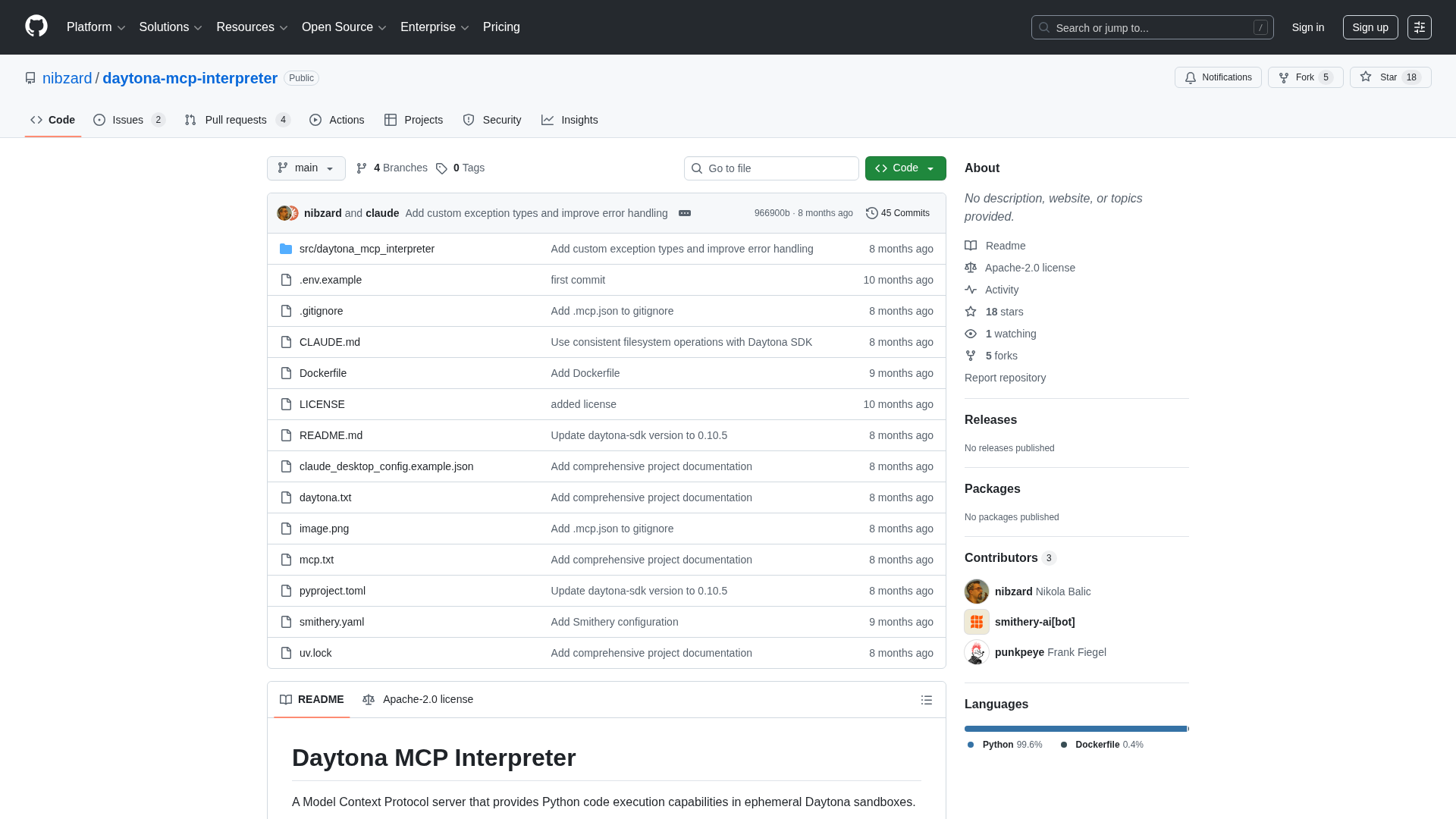
Fast and secure execution of your AI generated code with Daytona sandboxes

Run Python code in a secure sandbox via MCP tool calls, powered by Deno and Pyodide

Give your coding agent direct access to Figma file data, helping it one-shot design implementation.

This MCP server enables LLMs to interact with Figma, allowing them to read and modify designs programmatically.

Model Context Protocol (MCP) server for Atlassian Confluence and Jira (Cloud and Server/DC).

GitHub's official MCP Server.

This MCP Server will help you run browser automation and webscraping using Playwright

Connect with 2,500 APIs with 8,000+ prebuilt tools.