Topic Overview
This topic examines the practical differences between ad-supported (or free) AI chatbots and premium, paid chatbot offerings across user experience, privacy, and cost. Ad-supported bots lower upfront cost and can scale reach quickly, but they often introduce UI interruptions, tracking or data-sharing practices, and inconsistent SLAs. Premium tiers and enterprise deployments trade higher recurring or per‑API costs for better latency, larger context windows, formal SLAs, fine‑tuning, data‑retention controls, and options for on-premises or VPC deployment. For CX and customer service use cases, workspace and assistant integrations matter: Notion embeds AI into knowledge and workflows for internal agent assistance and KB-driven responses; Microsoft 365 Copilot ties assistant capabilities directly into productivity apps; Perplexity and Claude provide consumer-facing answer engines and research-oriented assistants with emphasis on grounded answers and safety respectively. At the infrastructure level, Google Gemini models and Vertex AI offer multimodal models and managed deployment for custom chatbots, while Cohere focuses on enterprise-private models, embeddings, and retrieval to power secure, customizable CX systems. As of 2026-01-18, organizations balancing cost and risk should consider total cost of ownership—subscription vs API fees vs ad revenue offset—alongside compliance (GDPR, data residency), UX continuity (no ads, consistent persona, citation and context fidelity), and analytics needs (conversation intelligence for routing and quality). The practical choice is often hybrid: consumer-facing, ad-supported assistants for discovery and lead gen, and premium or private models powering core customer service, agent assist, and analytics where privacy, reliability, and integration matter.
Tool Rankings – Top 6
A single, block-based AI-enabled workspace that combines docs, knowledge, databases, automation, and integrations to sup
AI-powered answer engine delivering real-time, sourced answers and developer APIs.
Anthropic's Claude family: conversational and developer AI assistants for research, writing, code, and analysis.
AI assistant integrated across Microsoft 365 apps to boost productivity, creativity, and data insights.

Google’s multimodal family of generative AI models and APIs for developers and enterprises.

Enterprise-focused LLM platform offering private, customizable models, embeddings, retrieval, and search.
Latest Articles (77)
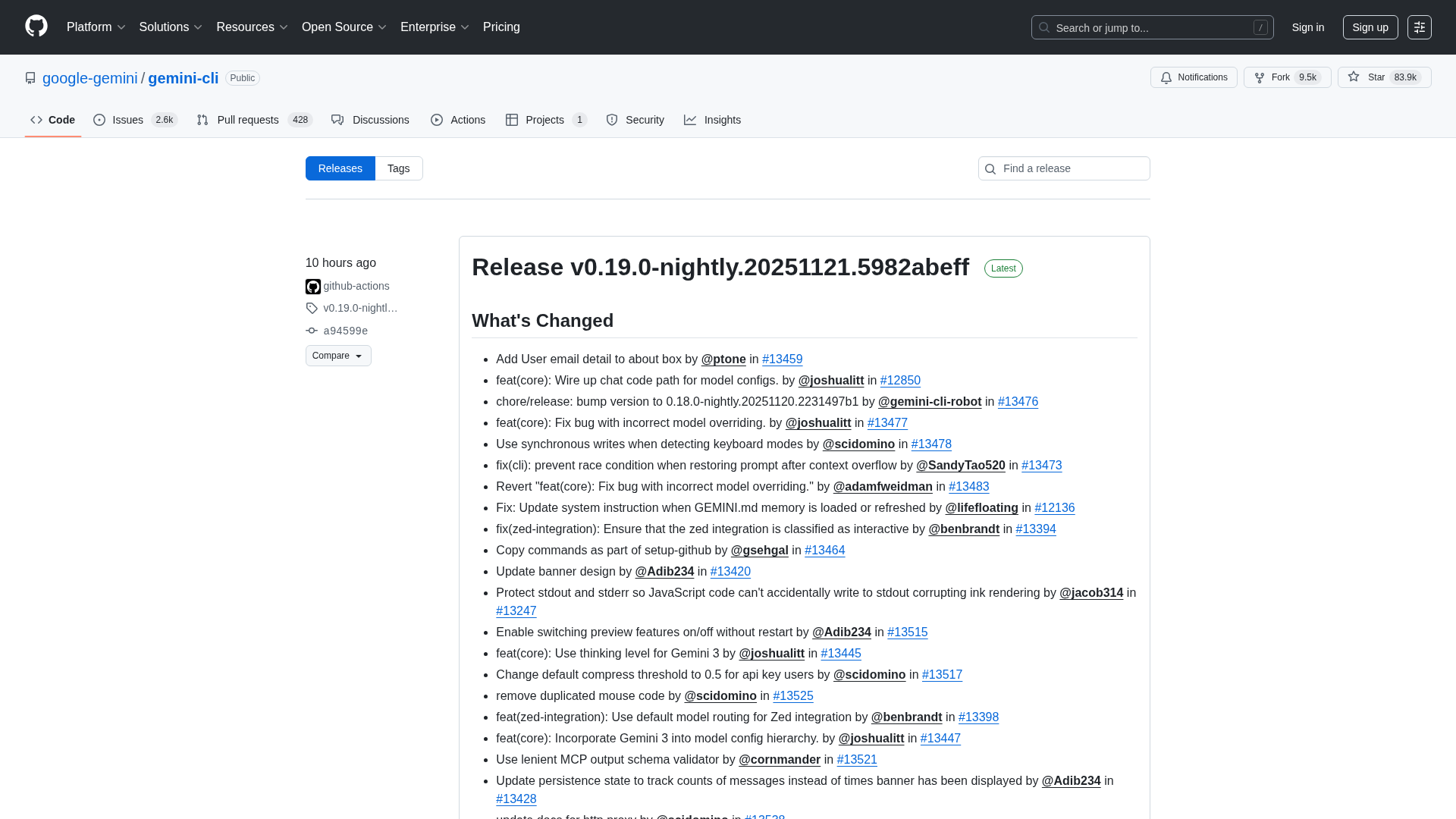
Overview of the Gemini CLI v0.36.0-preview release series, highlighting architectural, CLI, and UI changelogs across multiple pre-release versions.
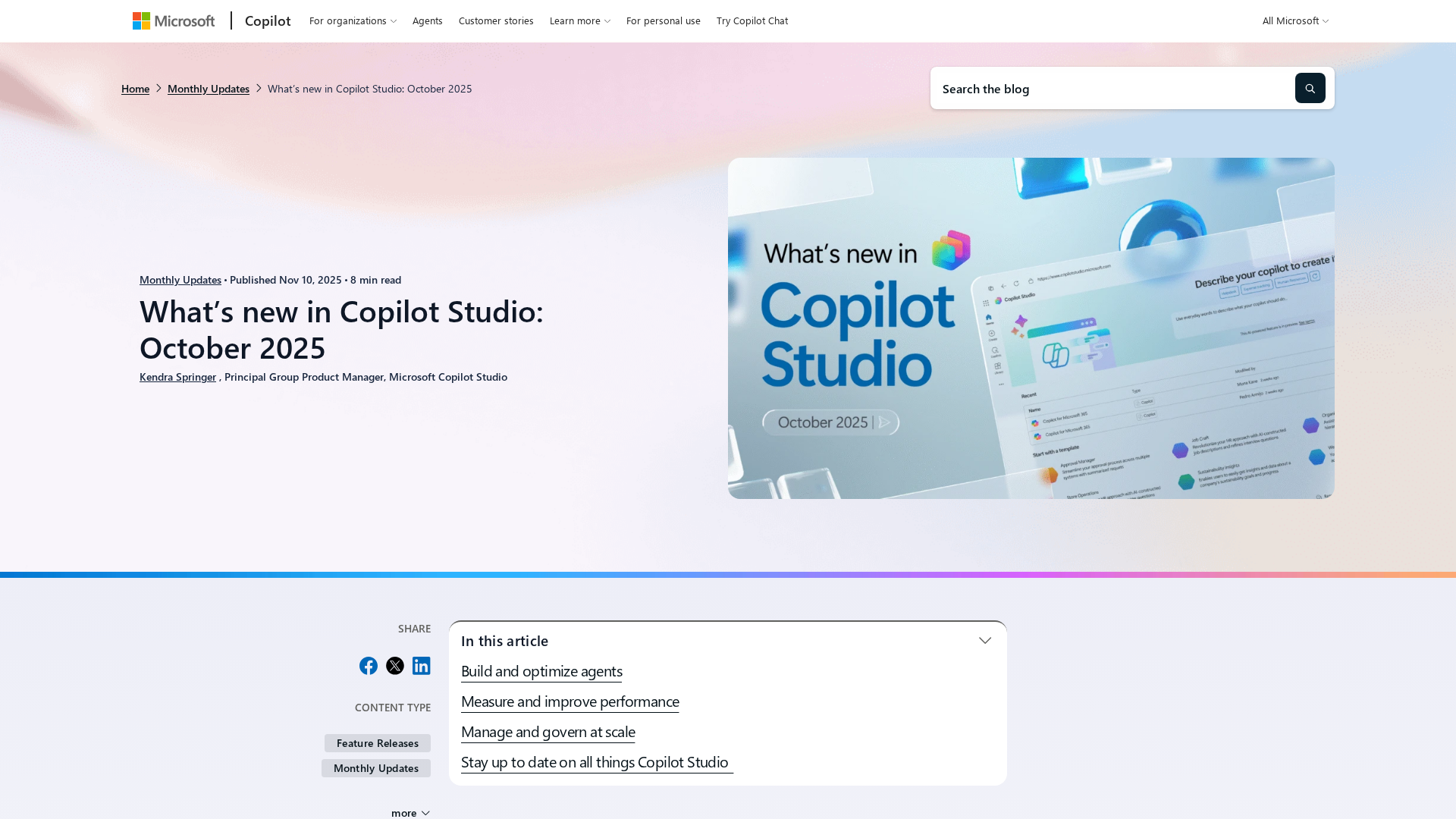
A comprehensive October 2025 roundup of Copilot Studio’s new testing, model, and governance features.
A practical, step-by-step guide to fine-tuning large language models with open-source NLP tools.

Google says Gmail data isn’t used to train AI and explains opt-out and smart-feature controls.