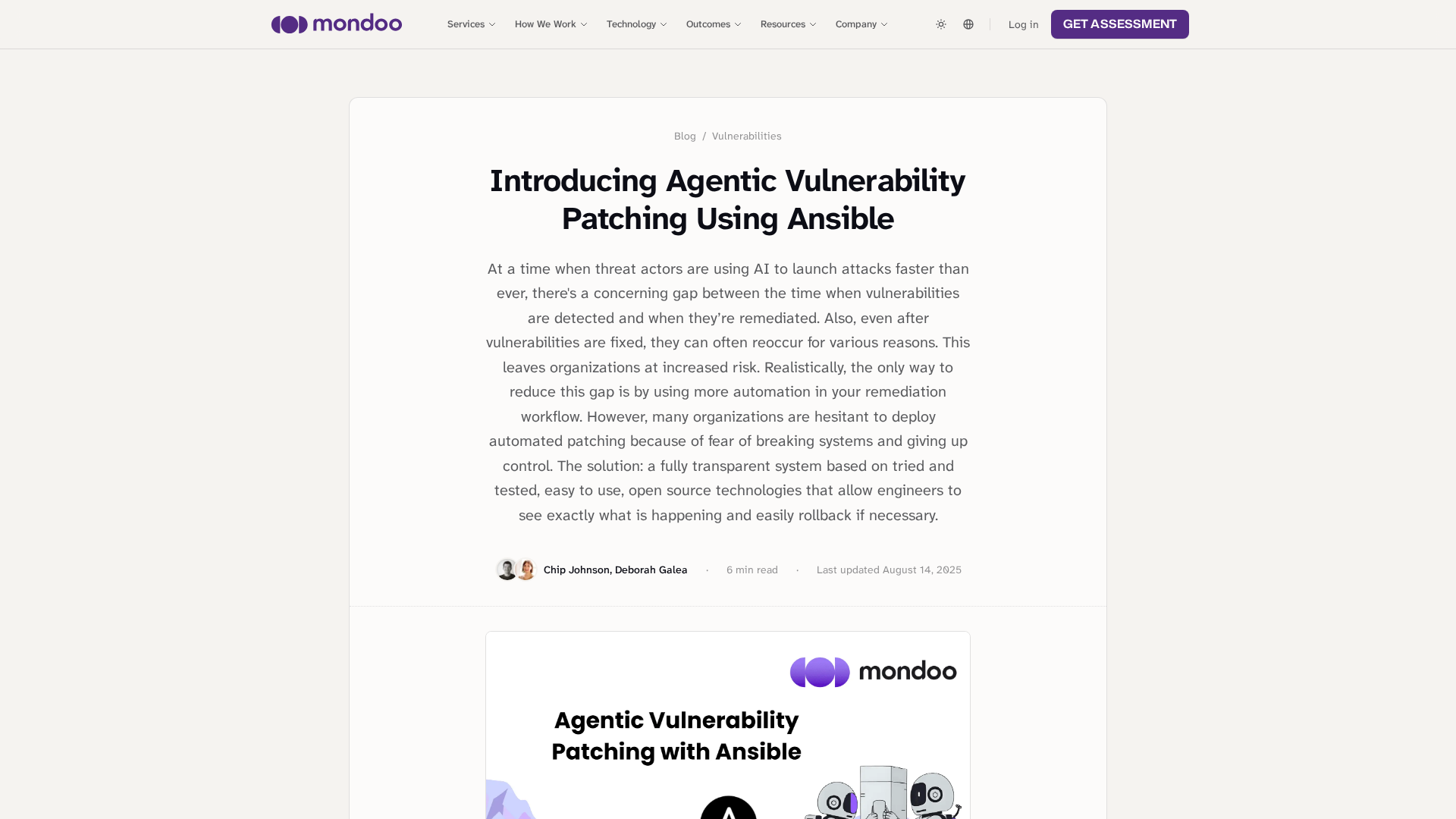
Topic Overview
Agentic cybersecurity platforms use coordinated AI agents to discover, prioritize, and (where safe) apply patches, shifting many manual security tasks into automated, observable workflows. This topic sits at the intersection of AI Automation Platforms, Agent Frameworks, and AI Security Governance: automation platforms orchestrate multi-agent processes; agent frameworks provide state, chaining, and tooling for reliable execution; governance layers ensure auditability, access control, and human‑in‑the‑loop controls. Key products illustrate the stack: Kore.ai targets enterprise-grade multi-agent workflows with built‑in governance and observability for production deployment; LangChain supplies engineering frameworks (and stateful graphs such as LangGraph) to build, test, and debug agentic systems; Cohere offers private, customizable LLMs, embeddings, and retrieval useful for secure local reasoning; GPTConsole provides developer SDKs, event chaining, lifecycle management and memory for production agents; developer assistants like GitHub Copilot and Amazon CodeWhisperer accelerate code-level remediation and patch generation; large multimodal models (e.g., Google Gemini) extend context signals used for triage and exploit analysis. As organizations continue integrating security into CI/CD and cloud runtime environments, agentic platforms promise faster detection and remediation but introduce new governance, explainability, and supply‑chain risks. Practical deployments emphasize observable decision trails, scoped automation (sandboxed patch testing, staged rollouts), model privacy and access controls, and human approvals for high‑impact changes. Evaluations should weigh engineering maturity (state management, testing frameworks), model security (private LLM hosting, data handling), and governance capabilities (audit logs, policy enforcement) to safely realize automated vulnerability detection and patching.
Tool Rankings – Top 6

Enterprise AI agent platform for building, deploying and orchestrating multi-agent workflows with governance, observabil

Engineering platform and open-source frameworks to build, test, and deploy reliable AI agents.

Enterprise-focused LLM platform offering private, customizable models, embeddings, retrieval, and search.

Developer-focused platform (SDK, API, CLI, web) to create, share and monetize production-ready AI agents.

An AI pair programmer that gives code completions, chat help, and autonomous agent workflows across editors, theterminal

AI-driven coding assistant (now integrated with/rolling into Amazon Q Developer) that provides inline code suggestions,
Latest Articles (71)
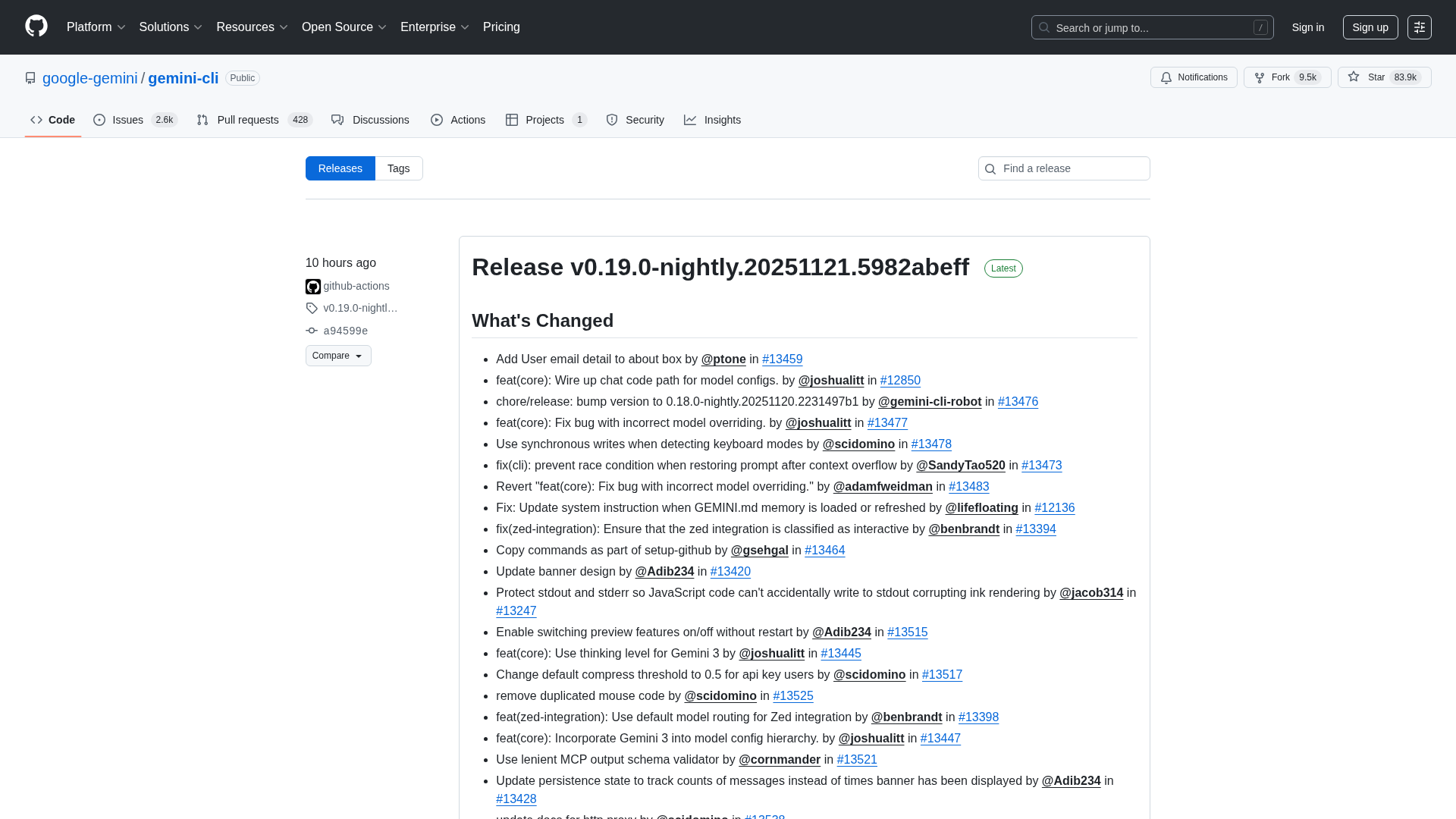
Overview of the Gemini CLI v0.36.0-preview release series, highlighting architectural, CLI, and UI changelogs across multiple pre-release versions.
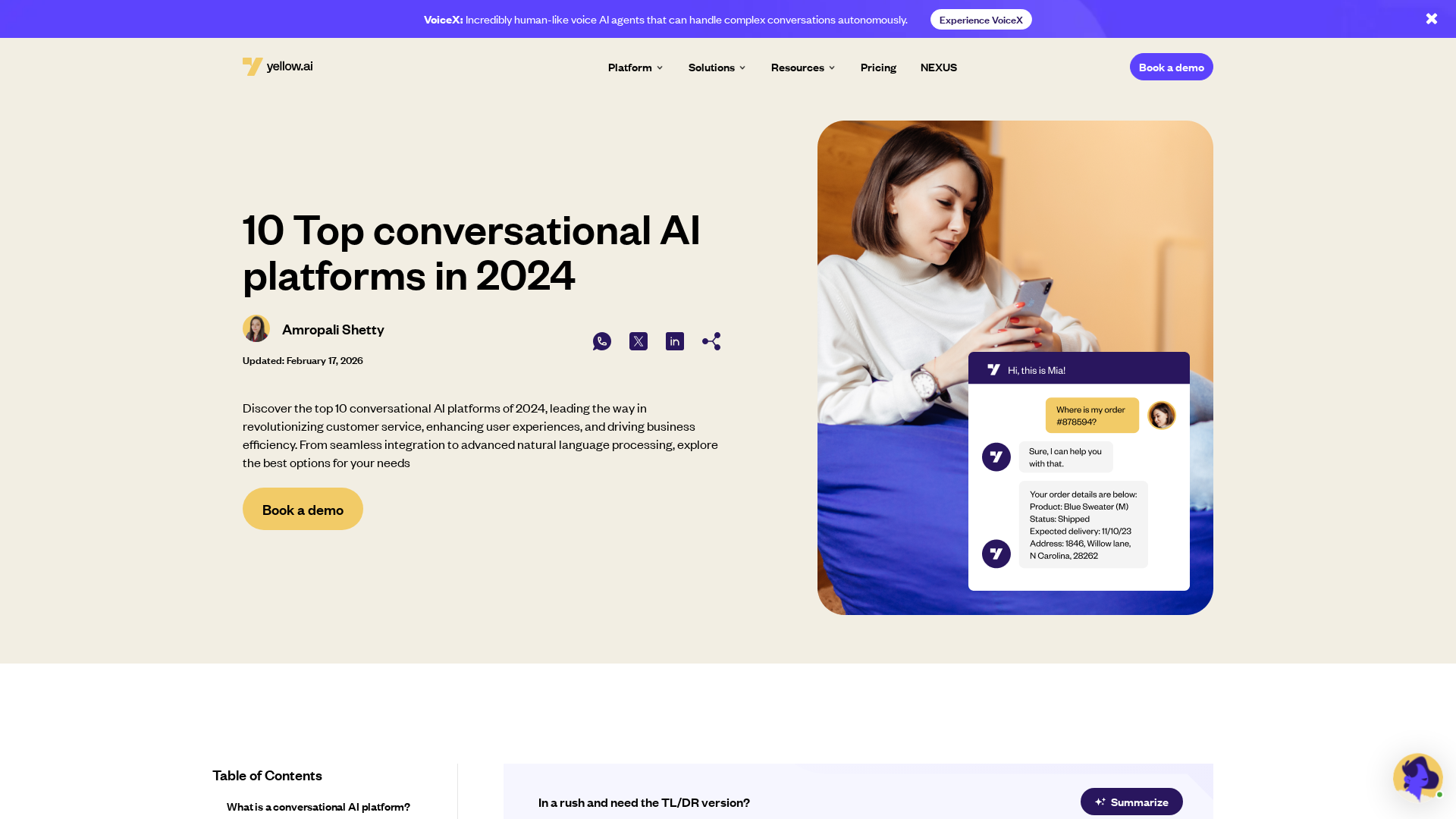
A concise guide to the top 10 conversational AI platforms in 2024, with features, benefits, and use cases.
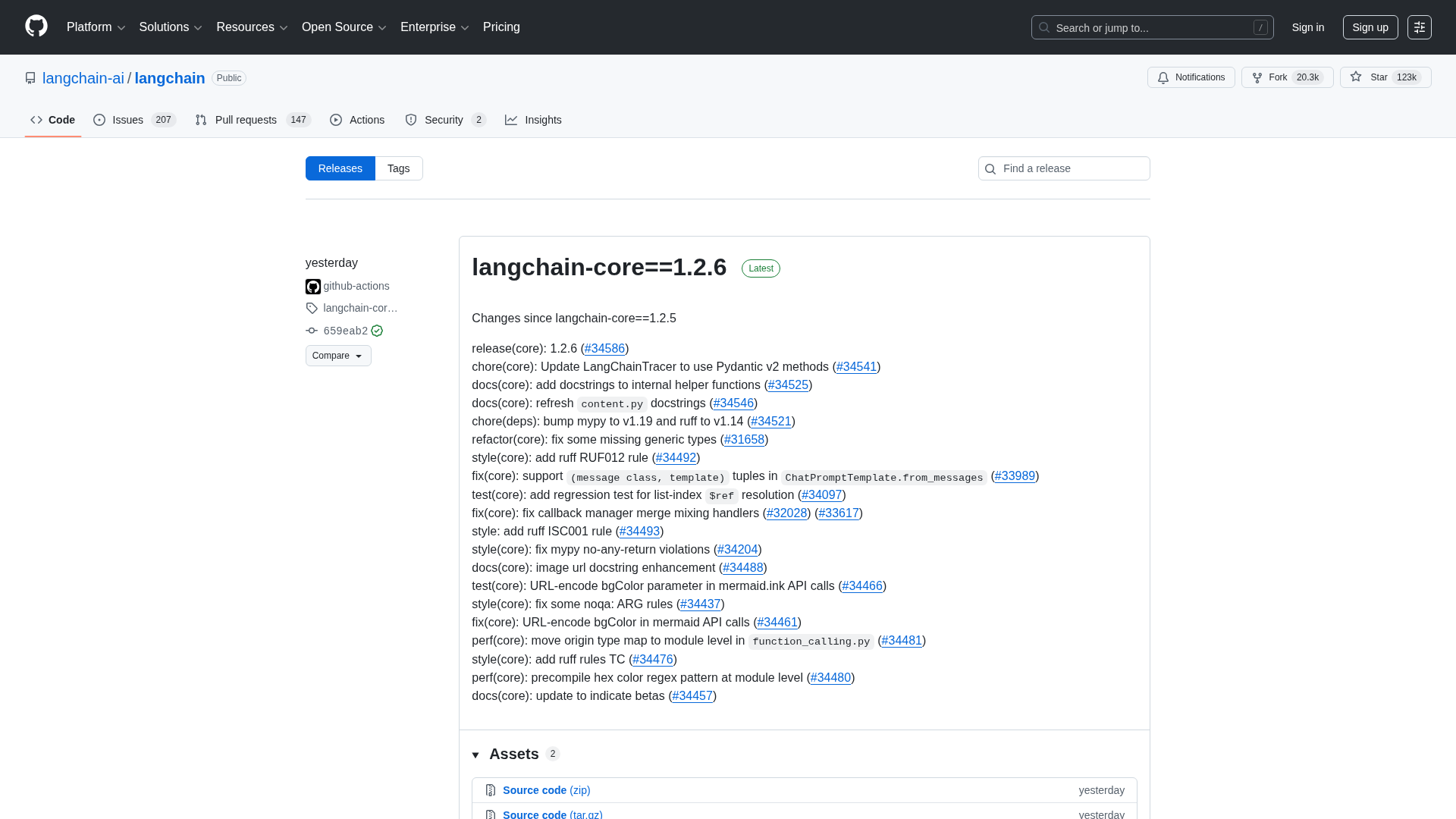
A comprehensive LangChain releases roundup detailing Core 1.2.6 and interconnected updates across XAI, OpenAI, Classic, and tests.
In-depth look at Gemini 3 Pro benchmarks across reasoning, math, multimodal, and agentic capabilities with implications for building AI agents.

Cannot access the article content due to an access-denied error, preventing summarization.