
Topic Overview
AI agent governance and safety tools focus on operational controls, observability, and policy enforcement for autonomous, multi-step AI systems. As organizations deploy stateful agents and coordinated “crews” in production, governance shifts from static model review to runtime monitoring, access controls, and auditable decision trails. The topic spans agent frameworks, security and compliance tooling, model hosting and privacy, and workflow/knowledge integrations. Key tooling patterns include engineering frameworks (LangChain) that provide stateful orchestration and testing primitives (e.g., LangGraph), multi-agent orchestration platforms (CrewAI) for building and running coordinated crews, client-side and developer-centric agents (Cline) that plan, execute and audit code tasks, and no-code agent builders (Cimba.AI) that embed audit logs and domain controls for business analysts. At the infrastructure and model level, enterprise model providers and platforms (Mistral AI, Cohere) and managed cloud services (Vertex AI) supply private, customizable models, fine-tuning, deployment controls, and monitoring APIs. Productivity stacks like Notion surface knowledge, approvals and automation hooks used to operationalize policies across agent workflows. By 2026 the drivers are clear: broader enterprise adoption of agentic automation, regulatory scrutiny on explainability and accountability, and the operational complexity of multi-agent systems. Effective governance combines policy-as-code, runtime enforcement, provenance and human-in-the-loop checkpoints, plus tooling integrations that link model telemetry to compliance workflows. Selecting a governance approach therefore requires matching agent frameworks, model hosting and audit capabilities to organizational risk profiles and regulatory requirements, balancing decentralised execution (client-side agents) with centralized monitoring and enforceable policy controls.
Tool Rankings – Top 6

Engineering platform and open-source frameworks to build, test, and deploy reliable AI agents.
Open-source, client-side AI coding agent that plans, executes and audits multi-step coding tasks.
.svg)
The leading multi-agent platform for enterprise-grade automation and developer-built AI crews.

Enterprise-focused provider of open/efficient models and an AI production platform emphasizing privacy, governance, and

Unified, fully-managed Google Cloud platform for building, training, deploying, and monitoring ML and GenAI models.

Enterprise-focused LLM platform offering private, customizable models, embeddings, retrieval, and search.
Latest Articles (65)
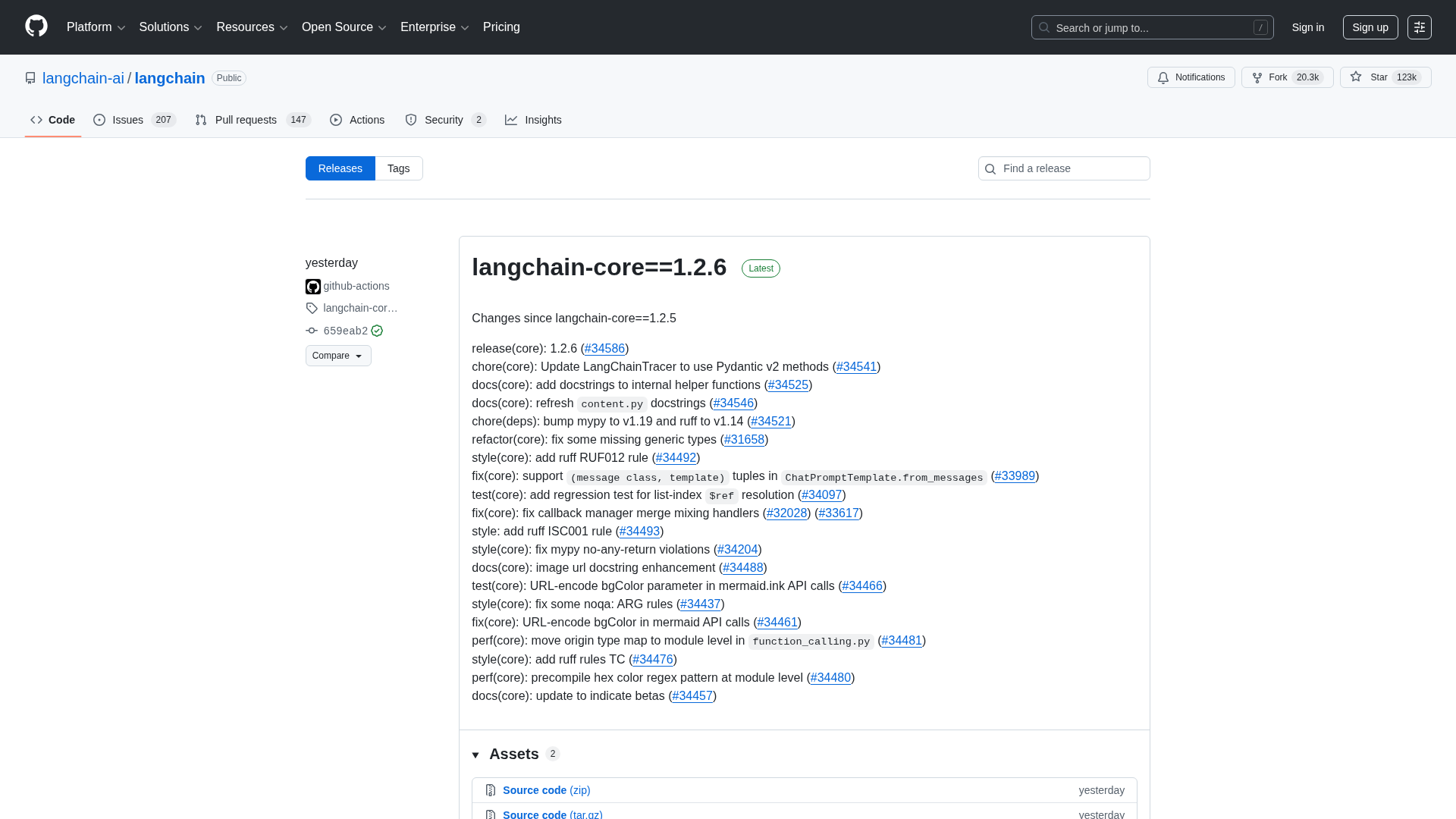
A comprehensive LangChain releases roundup detailing Core 1.2.6 and interconnected updates across XAI, OpenAI, Classic, and tests.

Cannot access the article content due to an access-denied error, preventing summarization.

A quick preview of POE-POE's pros and cons as seen in G2 reviews.
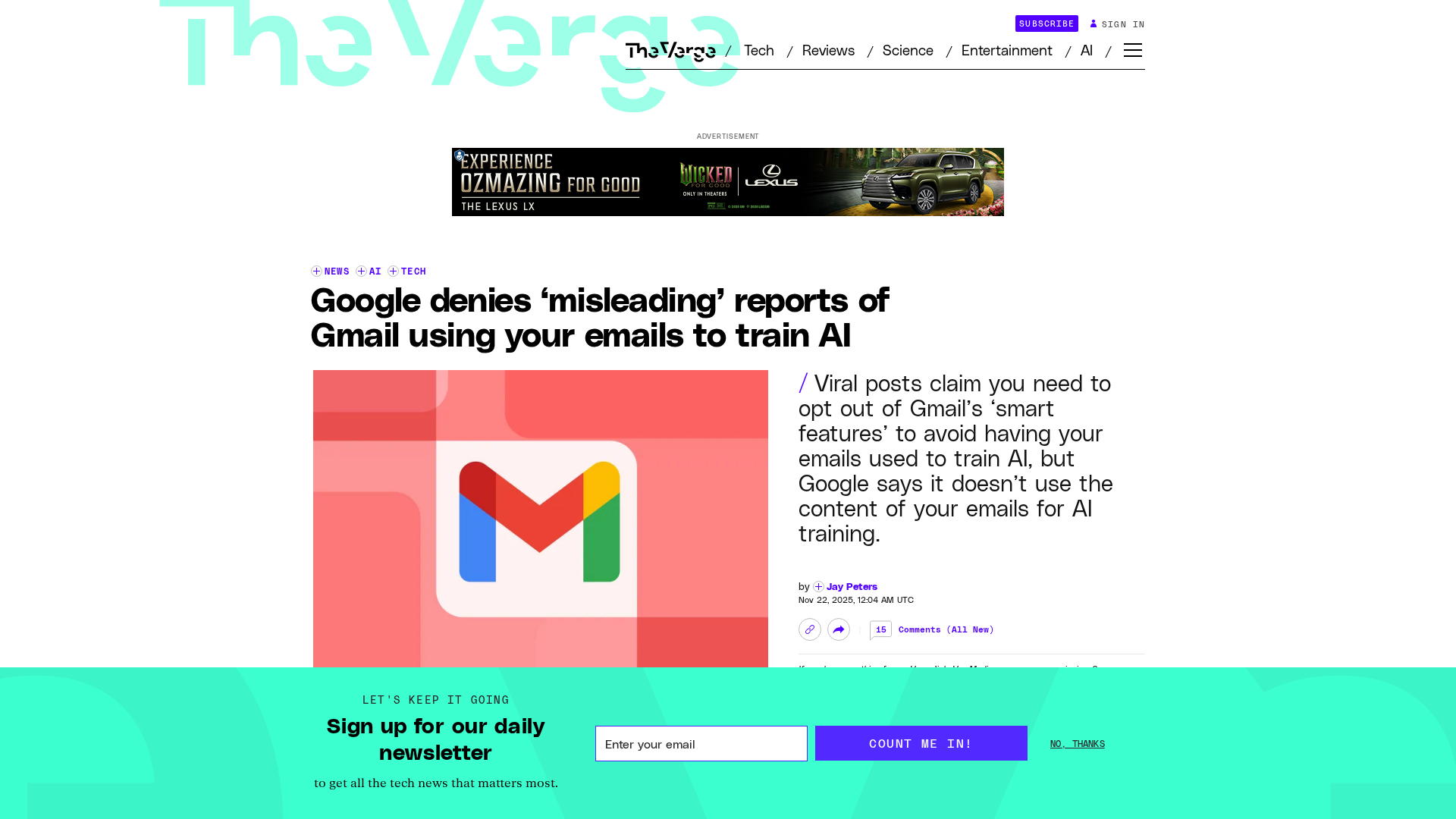
Google says Gmail data isn’t used to train AI and explains opt-out and smart-feature controls.
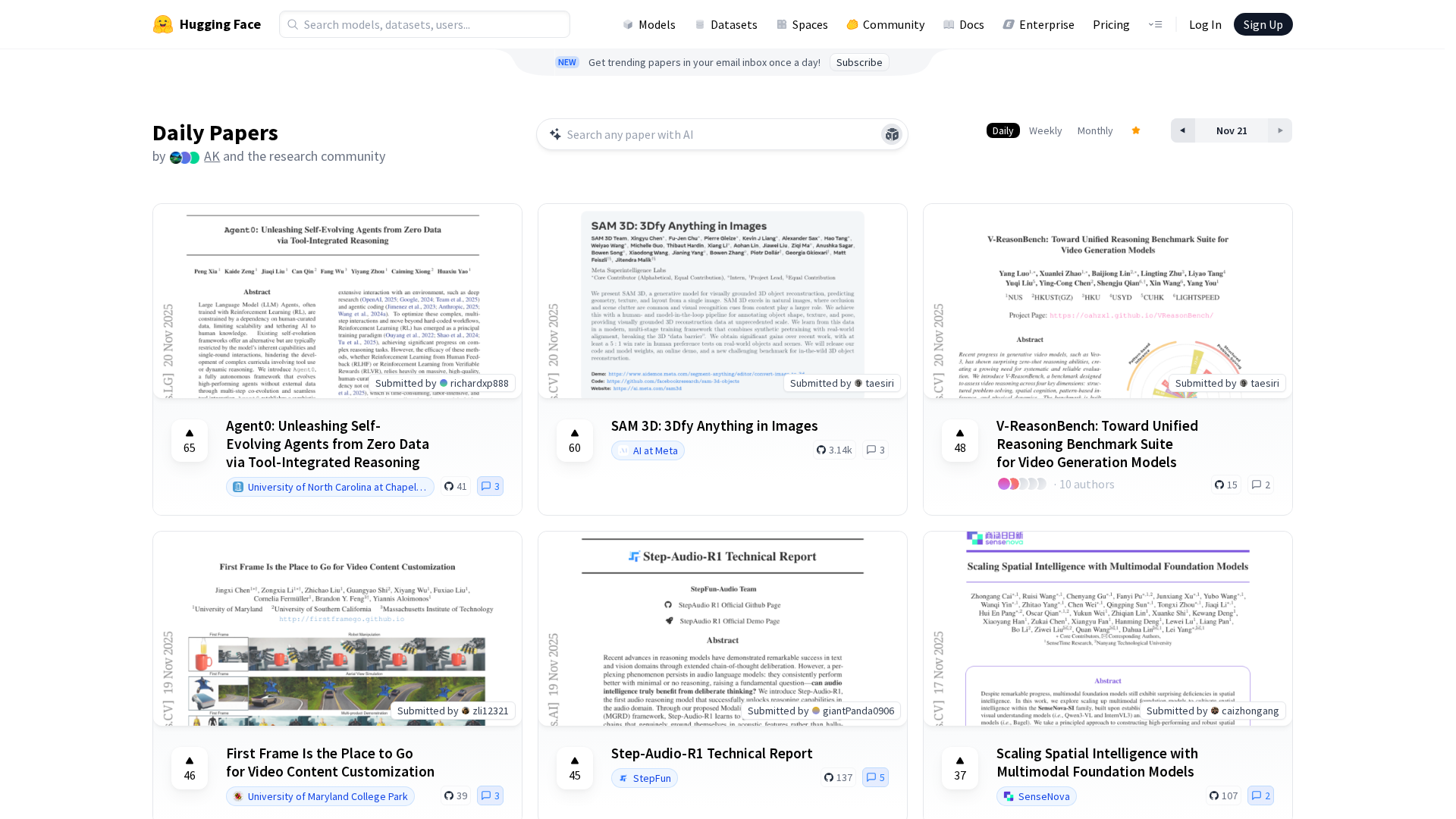
Get daily, curated trending ML papers delivered straight to your inbox.