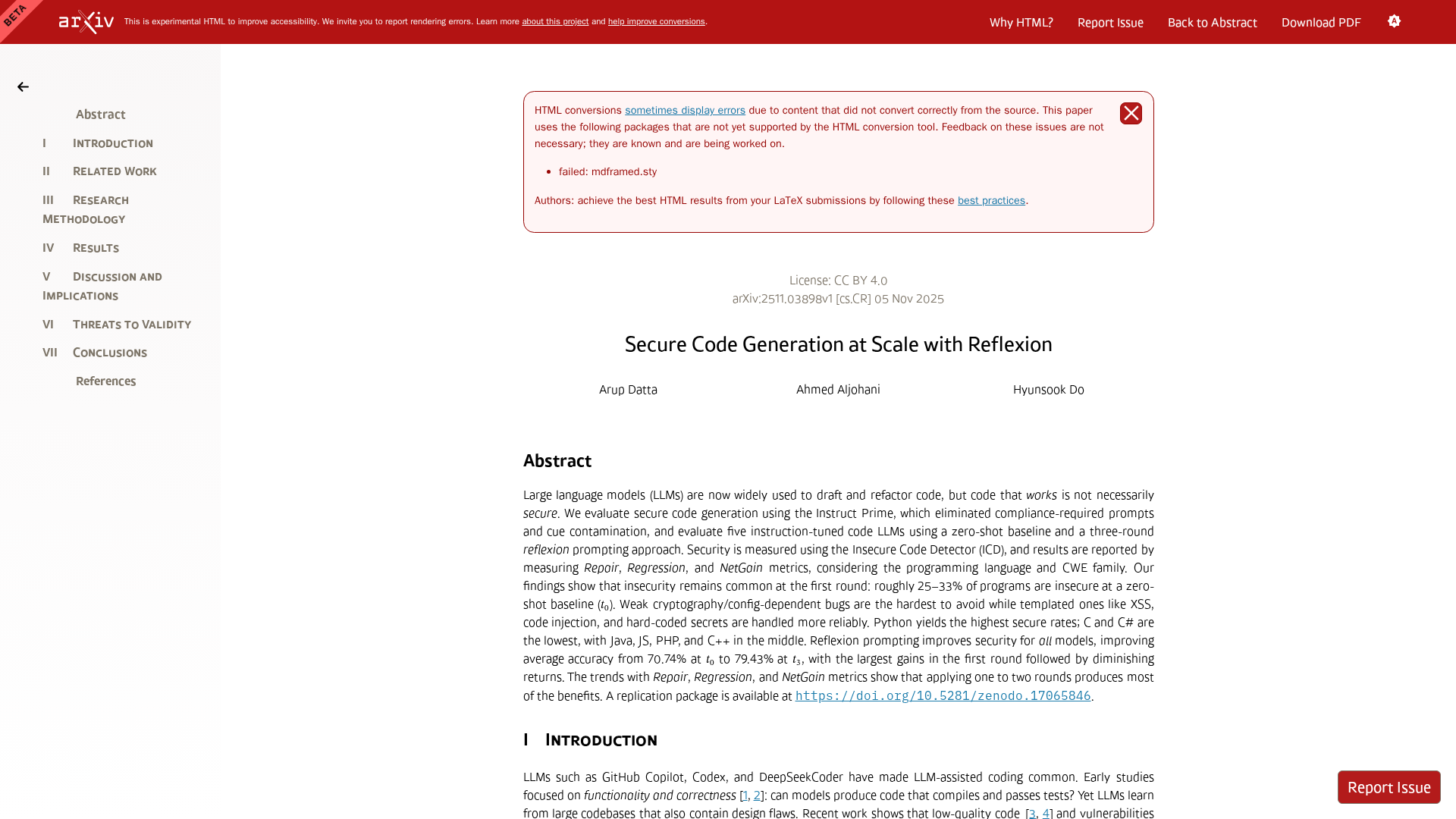
Topic Overview
AI Code Security & DevSecOps covers the intersection of code-focused large language models, machine‑learning–enhanced static analysis, and governance controls that keep modern development pipelines secure and auditable. By 2026, teams routinely pair code assistants and code LLMs with SAST and CI/CD controls to speed development while reducing supply‑chain, secrets, and logic vulnerabilities. Key capabilities include context‑aware code review and automated test generation (Qodo/Codium), AST- and code‑graph–driven reviews that combine linters, SAST and generative feedback (CodeRabbit), and AI-native IDE/agent platforms that run multi-model stacks and live previews (Windsurf). Code-specialized open models such as Salesforce CodeT5 and Meta’s Code Llama are commonly used to power embeddings, vulnerability pattern recognition, and code-completion that respect license and data controls. Enterprise governance platforms (e.g., Monitaur) add policy centralization, monitoring, vendor risk controls and validation workflows important for regulated industries. Practically, teams are adopting ML‑augmented SAST to prioritize findings, reduce false positives, and surface contextual exploitability, while integrating model governance and SDLC rules to enforce testing, peer review, and deployment gates across multi-repo environments. The result is a shift from manual triage to a combined human+AI workflow where assistants propose fixes and CI enforces security policies. This topic is timely because widespread adoption of code LLMs has increased both productivity and new attack vectors, prompting stronger emphasis on reproducible toolchains, private/on‑prem model deployment, observability, and regulatory compliance. Understanding the tool categories and how they integrate—code assistants, ML‑driven SAST, governance platforms, and AI-native IDEs—helps teams select and compose controls that align security with developer flow.
Tool Rankings – Top 6

Quality-first AI coding platform for context-aware code review, test generation, and SDLC governance across multi-repo,팀

AI-powered, context-aware code reviews that learn from feedback and integrate with IDEs and issue trackers.

Official research release of CodeT5 and CodeT5+ (open encoder–decoder code LLMs) for code understanding and generation.
Code-specialized Llama family from Meta optimized for code generation, completion, and code-aware natural-language tasks

Insurance-focused enterprise AI governance platform centralizing policy, monitoring, validation, vendor governance and证e

AI-native IDE and agentic coding platform (Windsurf Editor) with Cascade agents, live previews, and multi-model support.
Latest Articles (37)
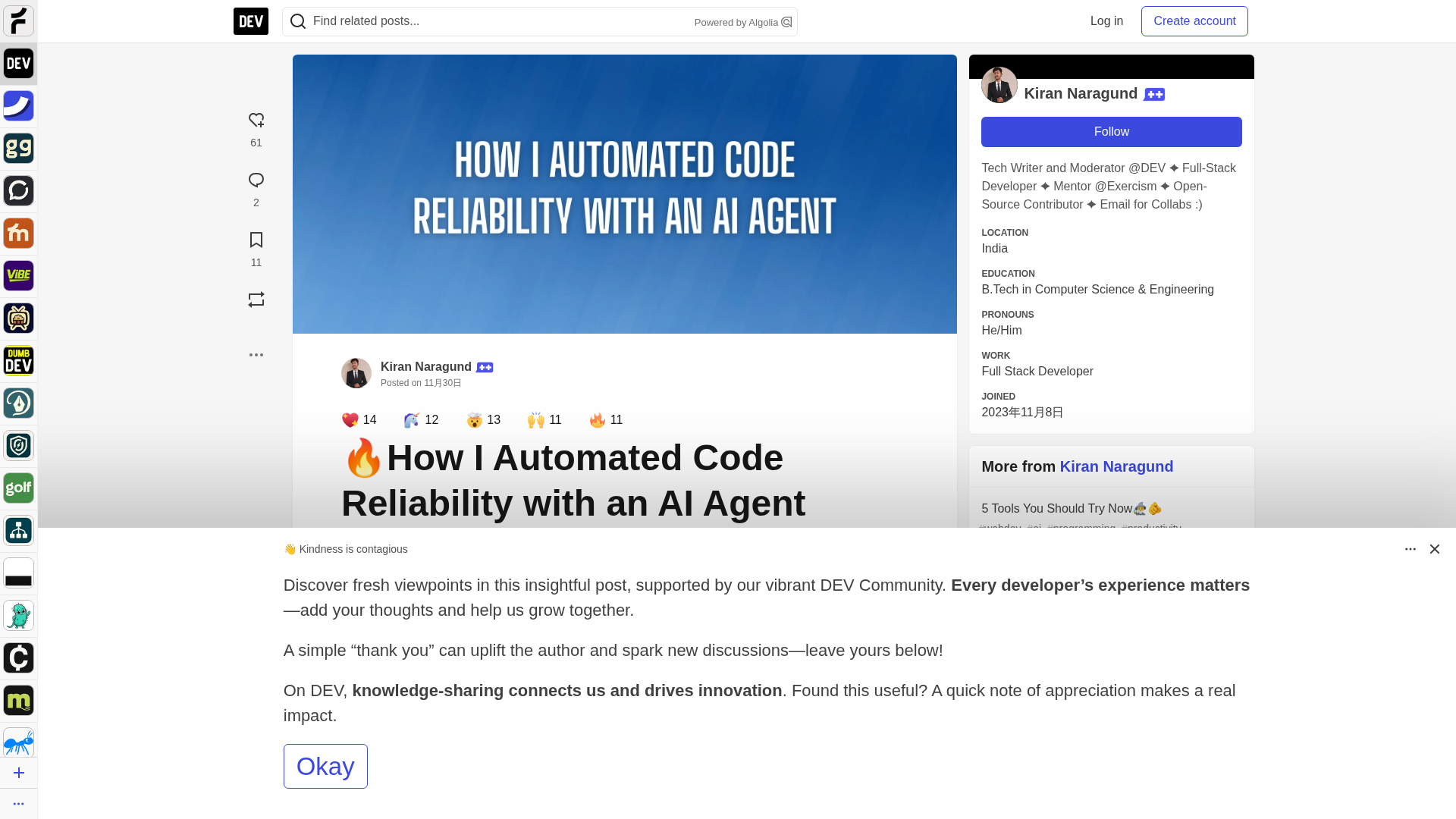
A step-by-step guide to building an AI-powered Reliability Guardian that reviews code locally and in CI with Qodo Command.
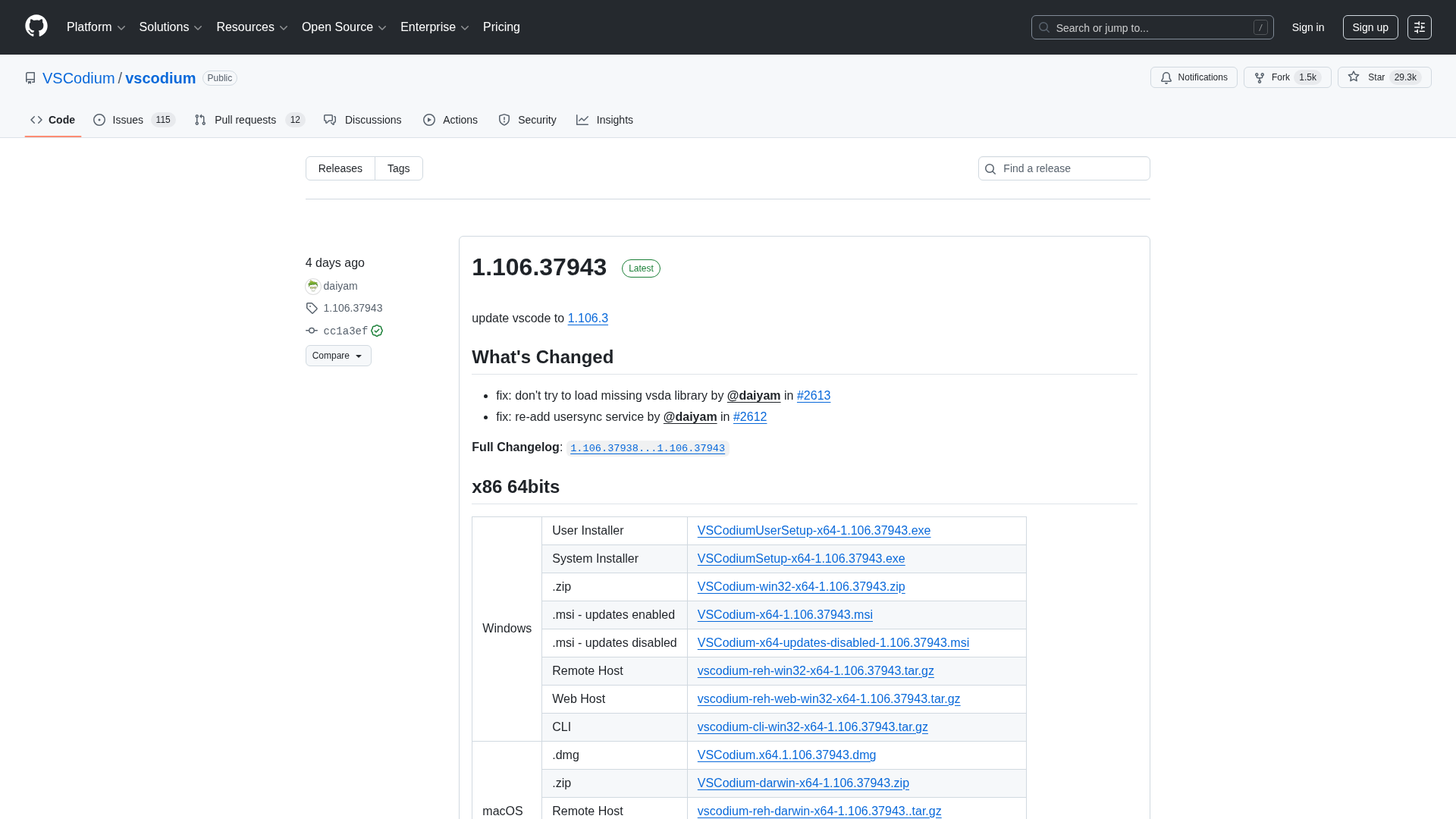
A comprehensive releases page for VSCodium with multi-arch downloads and versioned changelogs across 1.104–1.106 revisions.
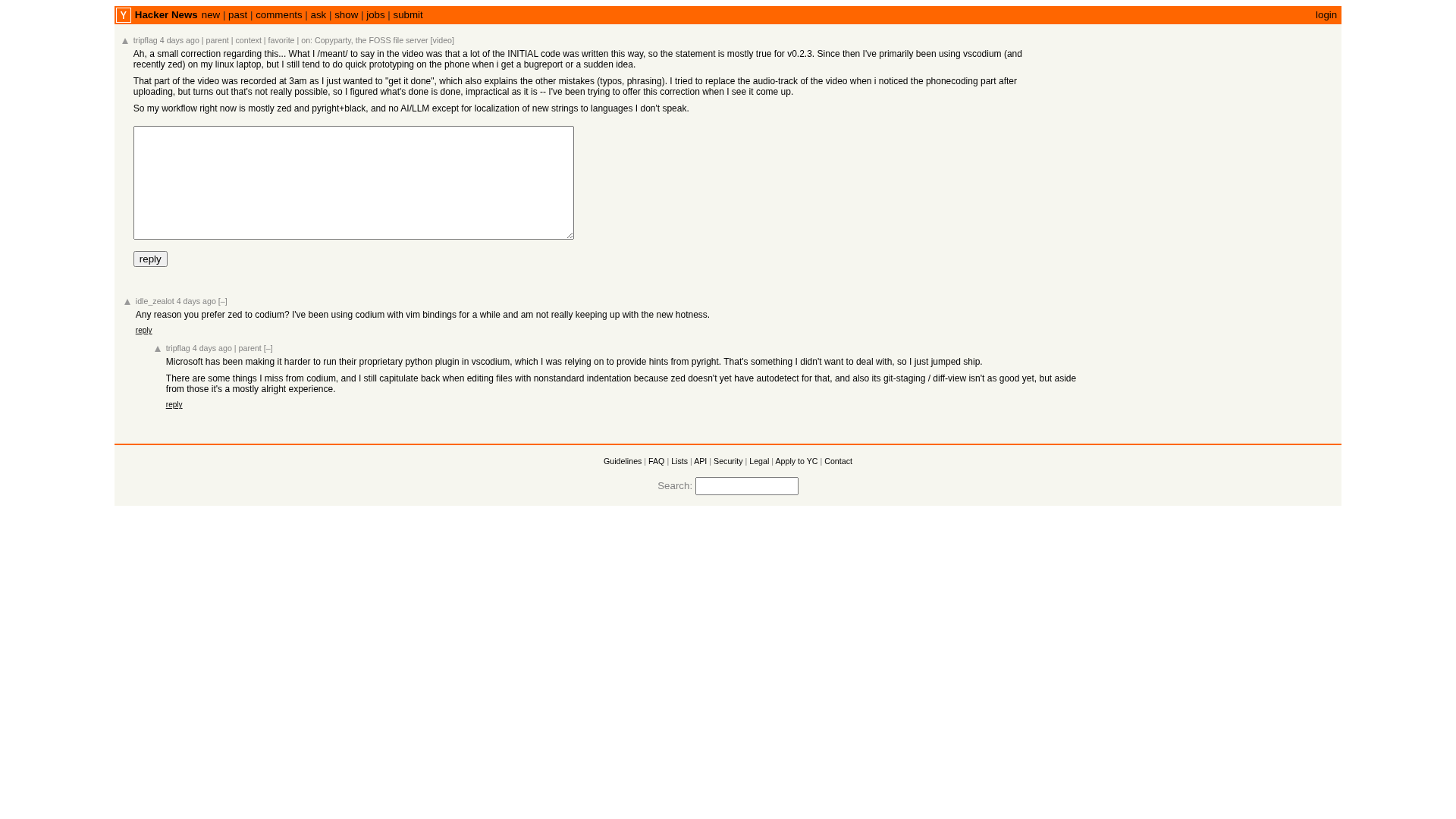
A developer chronicles switching to Zed on Linux, prototyping on a phone, and a late-night video correction.
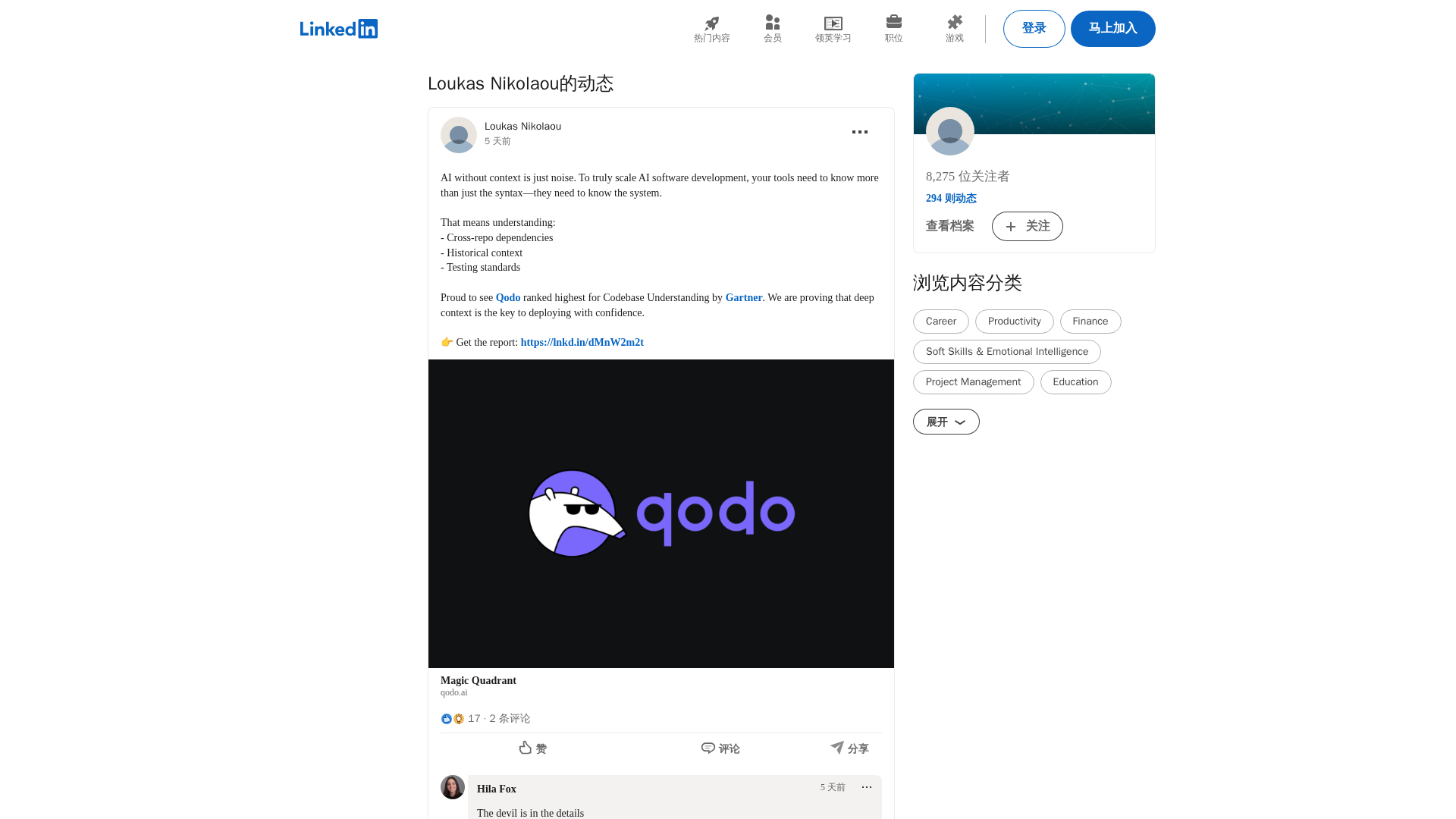
Qodo ranks highest for Codebase Understanding by Gartner, highlighting cross-repo context as essential for scalable AI development.
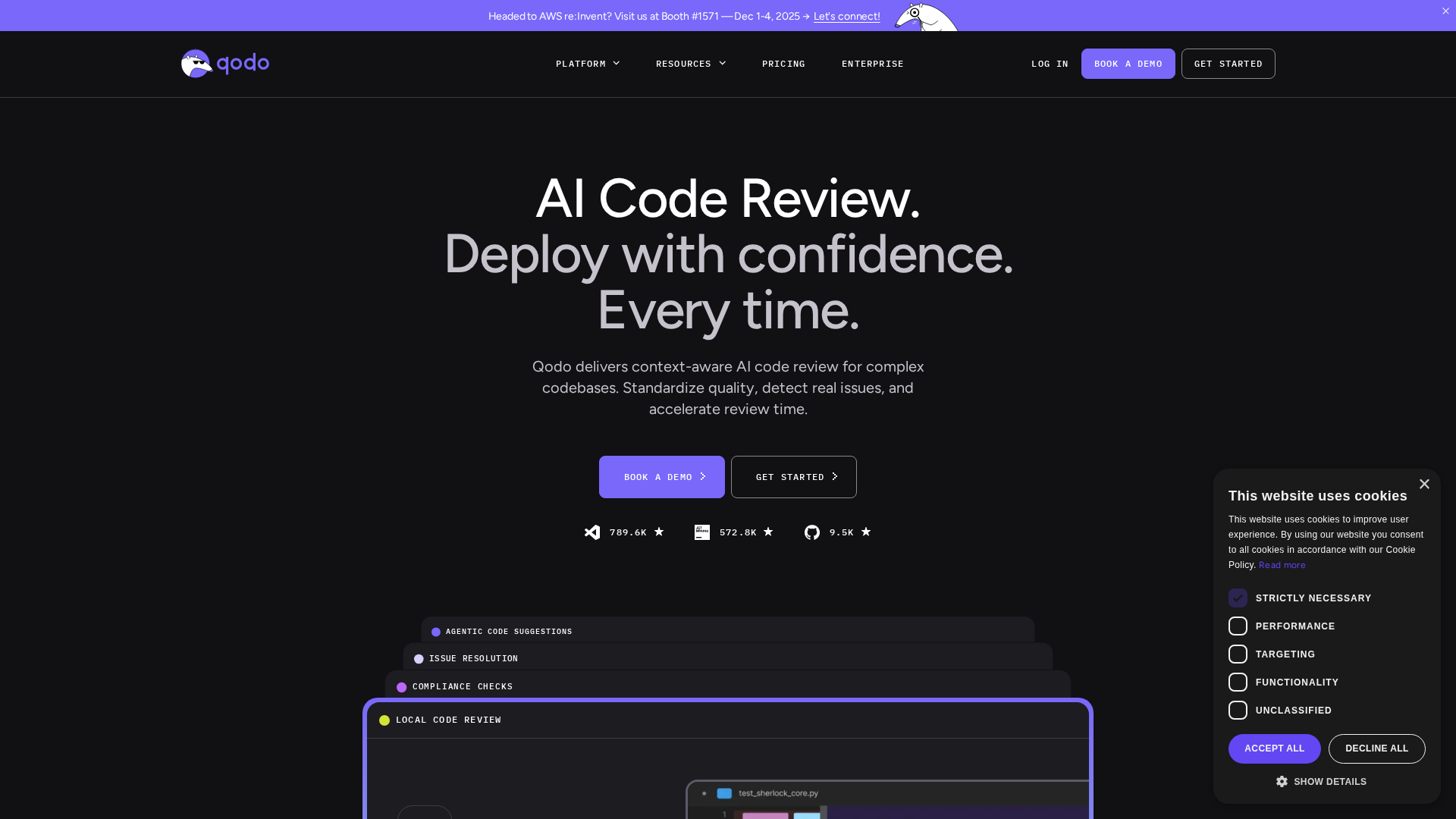
Context-aware, enterprise-grade AI code review that scales across multi-repo ecosystems and enforces policies.