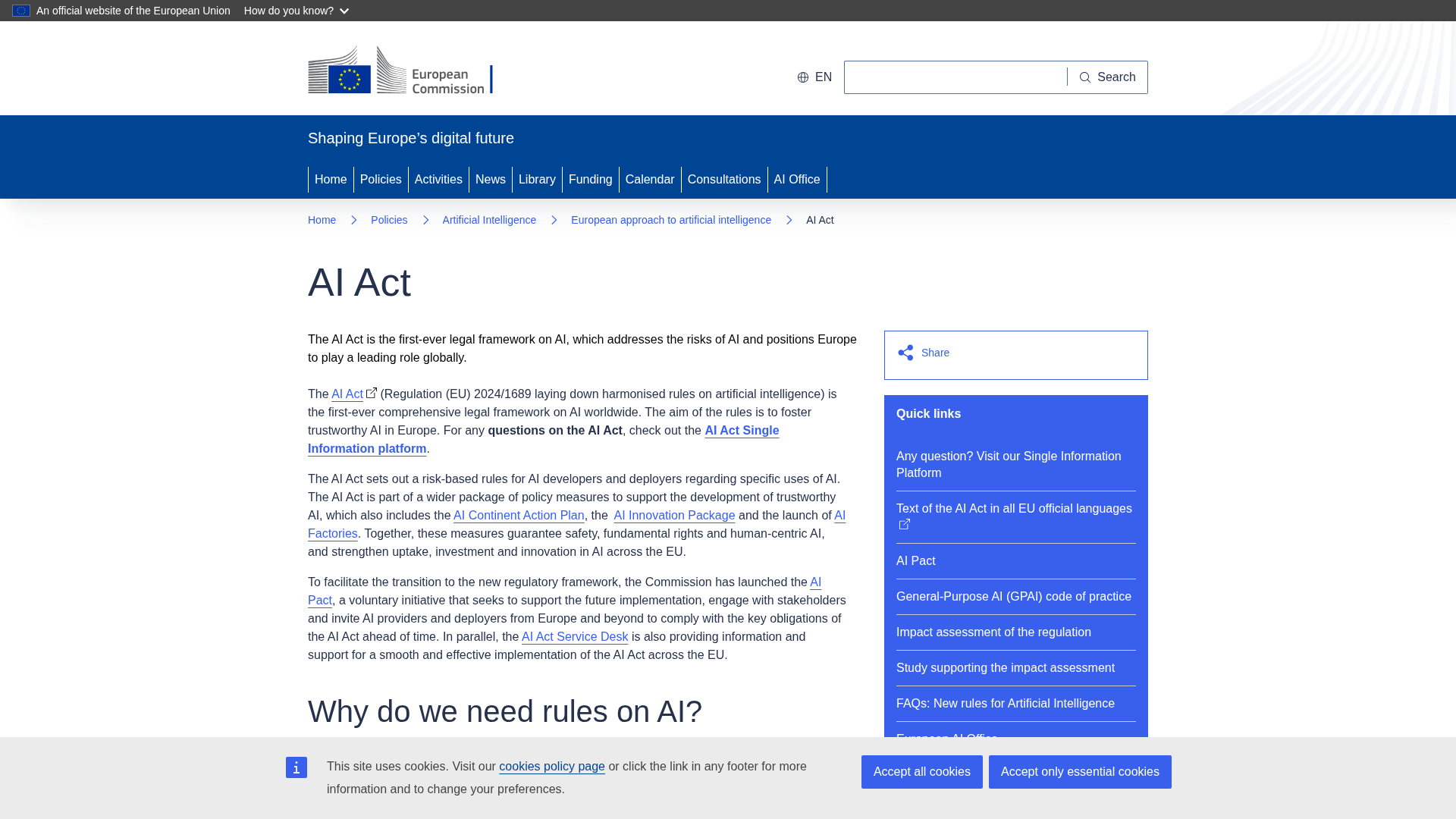
Topic Overview
This topic covers the tools, patterns, and controls organizations need to deploy human-like AI services (virtual agents, voice assistants, copilots, and agentic workflows) in a regulatory environment that increasingly demands privacy protections, explainability, auditable decision trails, and data minimization. As governments and regulators sharpen rules for AI behavior, provenance, and personal data handling, enterprises must combine platform controls, model governance, and operational policies to reduce legal and operational risk. Key tool categories include Regulatory Compliance Tools for policy enforcement and logging; AI Governance Tools for model inventories, risk assessment, and explainability; and AI Security Governance for access controls, threat monitoring, and secure model hosting. Representative tools illustrate how these categories intersect: IBM watsonx Assistant and Cimba.AI provide no-code and developer-driven agent orchestration with enterprise governance hooks; Cohere and Anthropic’s Claude family supply enterprise LLMs and controls for private/custom models and embeddings; Microsoft 365 Copilot and HubSpot’s Breeze embed assistants into productivity and CRM stacks, raising requirements for data residency and integration-level governance; Observe.AI targets contact-center voice and chat use cases with real-time assist and QA auditing; Harvey and Kay AI show domain-specific platforms (legal, insurance) that need specialized recordkeeping and compliance workflows. Practical priorities for 2026 deployments are auditable provenance (source attribution and RAG citation), fine-grained access and consent management, privacy-preserving hosting (private or hybrid models), comprehensive logging for model outputs and human overrides, and vendor risk assessments. Selecting or composing these tools should balance usability with provable controls so human-like services remain transparent, accountable, and defensible under current regulations.
Tool Rankings – Top 6

Enterprise virtual agents and AI assistants built with watsonx LLMs for no-code and developer-driven automation.
Anthropic's Claude family: conversational and developer AI assistants for research, writing, code, and analysis.
AI assistant integrated across Microsoft 365 apps to boost productivity, creativity, and data insights.

Domain-specific AI platform delivering Assistant, Knowledge, Vault, and Workflows for law firms and professionalservices

AI-powered workforce that automates insurance operations, from quoting to renewals.

No-code enterprise AI agents that turn analysts into AI-powered operators with rapid accuracy and auditable governance.
Latest Articles (115)
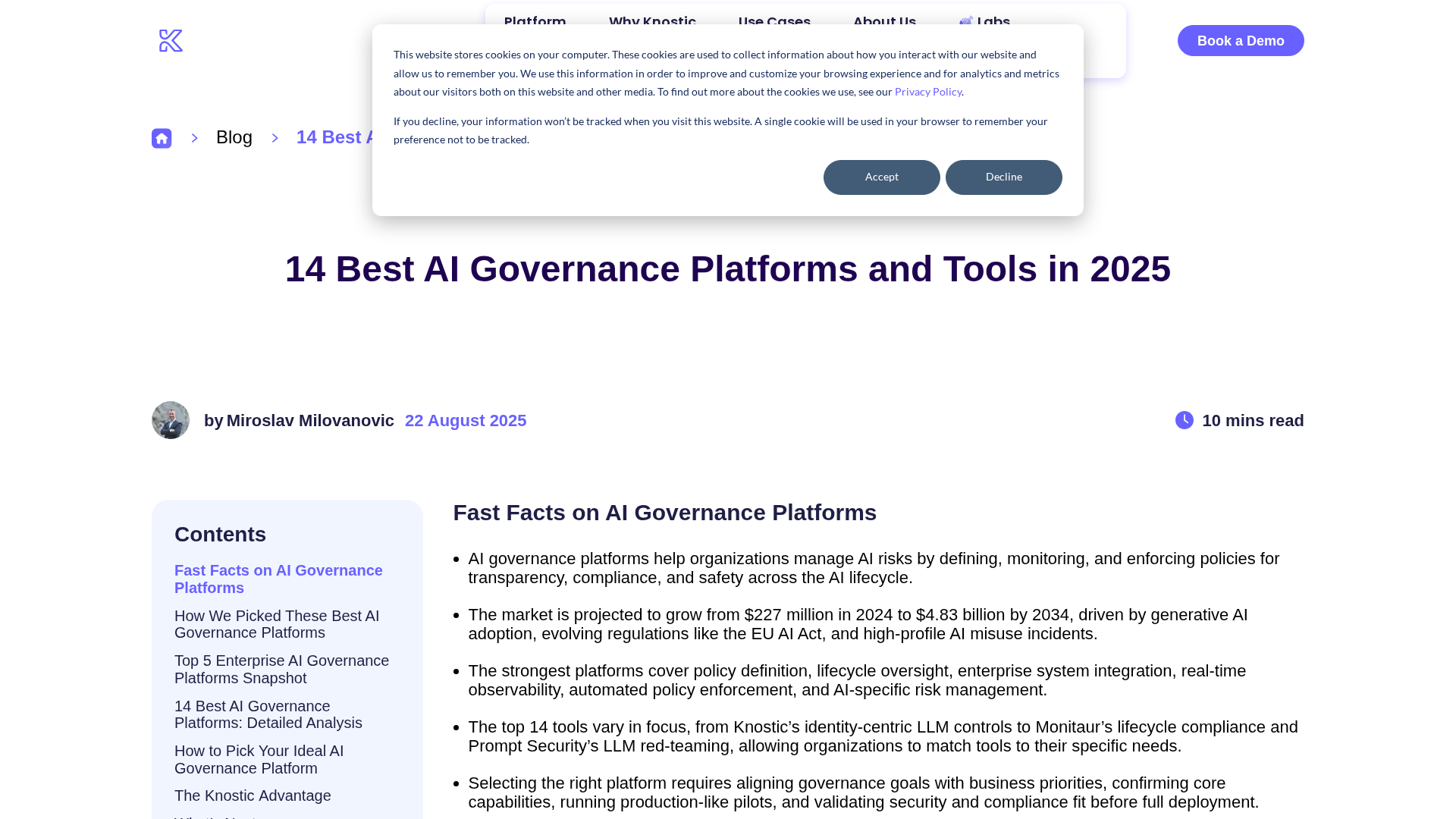
A vendor‑agnostic guide to the 14 best AI governance platforms in 2025, with criteria, comparisons, and practical buying guidance.
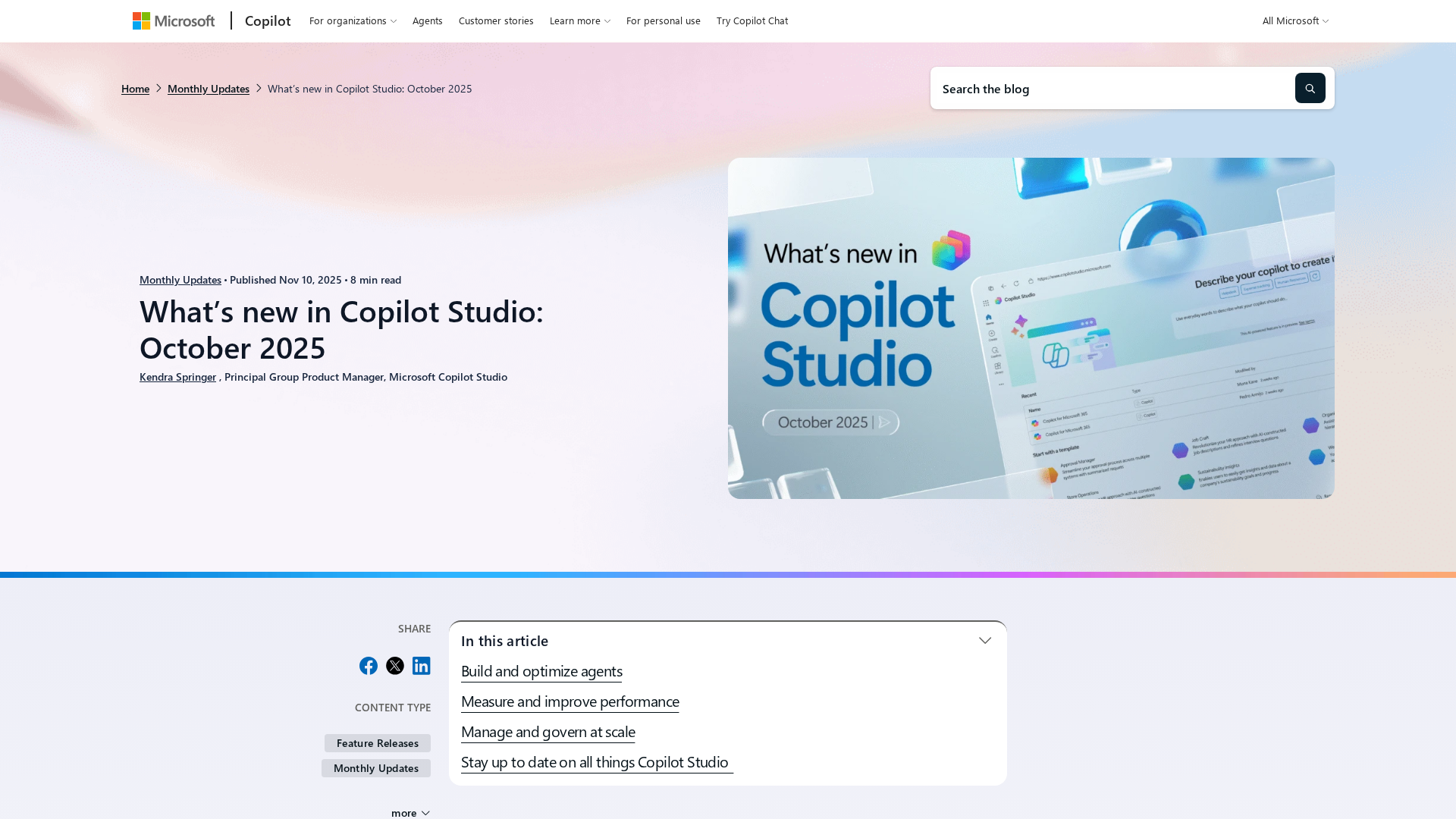
A comprehensive October 2025 roundup of Copilot Studio’s new testing, model, and governance features.
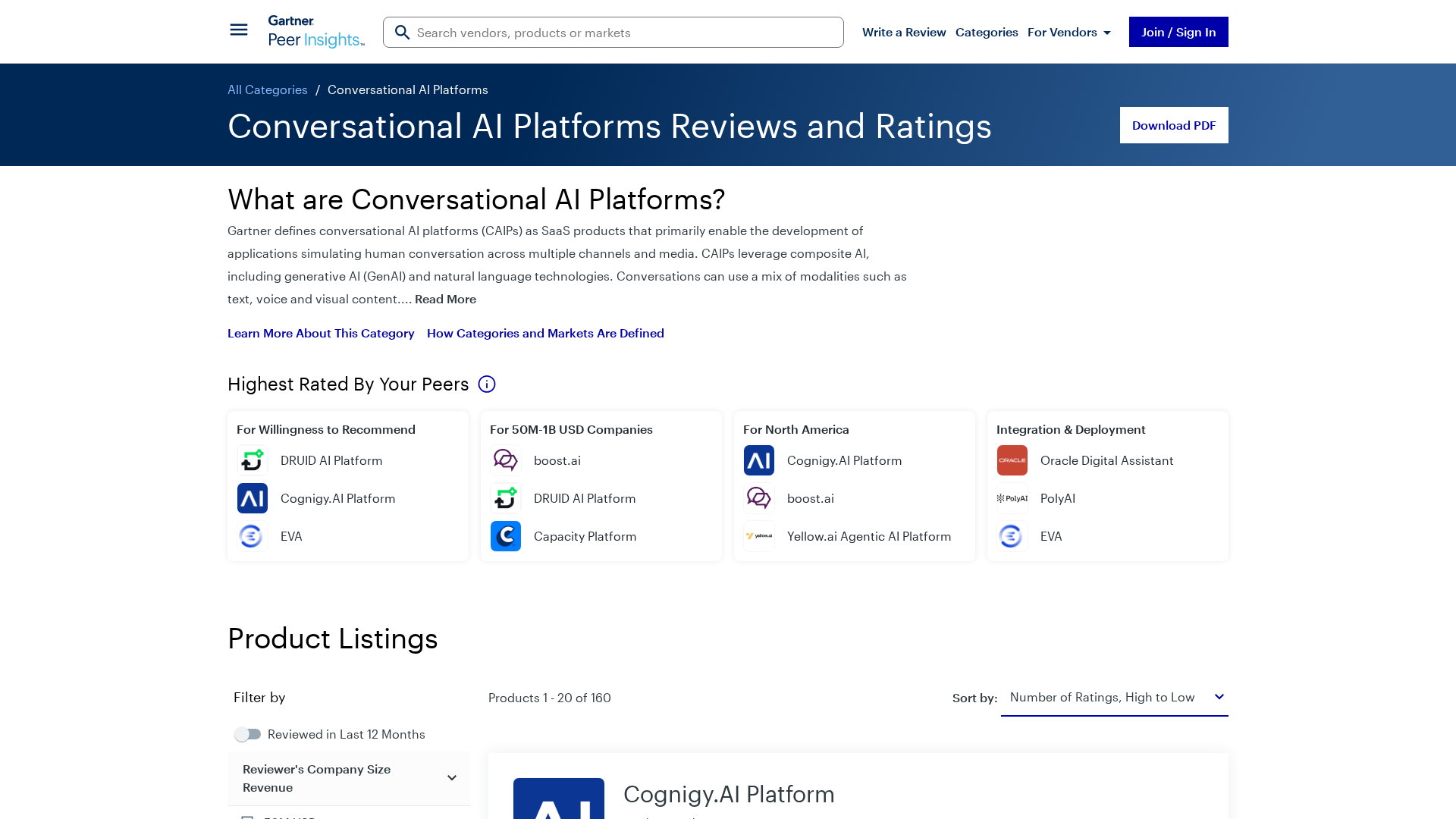
Gartner’s market view on conversational AI platforms, outlining trends, vendors, and buyer guidance.

Adobe nears a $19 billion deal to acquire Semrush, expanding its marketing software capabilities, according to WSJ reports.
Wolters Kluwer expands UpToDate Expert AI with UpToDate Lexidrug to bolster drug information and medication decision support.