Topic Overview
This topic covers the intersection of cybersecurity-focused large language models, trusted-access programs, and the governance tools enterprises use to control agentic AI. By 2026 organizations are deploying specialized LLMs (for example GPT-5.4‑Cyber) tuned for threat detection, incident response, and automated playbooks, alongside general-purpose multimodal models (Google Gemini, Anthropic’s Claude family) that power assistants and analysis. That shift increases both capability and attack surface, making visibility, access controls, and human-in-the-loop workflows essential. Key tool categories include observability and infrastructure platforms (Xilos provides enterprise visibility into connected services and agentic activity), managed human+AI services (Crescendo.ai mixes agentic voice/chat/email automation with supervised “Superhumans”), no-code/low-code agent builders with governance (StackAI enables building, deploying, and governing AI agents), and enterprise assistant platforms (IBM watsonx Assistant for no-code and developer-driven virtual agents). Multimodal model families like Gemini and Claude serve as underlying model backbones when broad capabilities are needed. Trusted‑Access Programs are practical controls and operational frameworks—credential brokering, least‑privilege access, attestation, audit trails and policy enforcement—designed to limit what agents and specialized LLMs can access and to provide forensic visibility. The current landscape emphasizes composability: pairing specialized cybersecurity models with governance platforms, observability layers, and human oversight to reduce misuse, meet regulatory expectations, and maintain operational resilience. For security and governance teams, evaluating combinations of model capabilities, access controls, and platform-level observability is now central to deploying agentic AI safely and effectively.
Tool Rankings – Top 6
Intelligent Agentic AI Infrastructure
_logo%201.svg)
AI-native CX platform combining agentic AI with human experts in a managed service model (platform + per-resolution fees
End-to-end no-code/low-code enterprise platform for building, deploying, and governing AI agents that automate work onun

Enterprise virtual agents and AI assistants built with watsonx LLMs for no-code and developer-driven automation.
Anthropic's Claude family: conversational and developer AI assistants for research, writing, code, and analysis.

Google’s multimodal family of generative AI models and APIs for developers and enterprises.
Latest Articles (66)
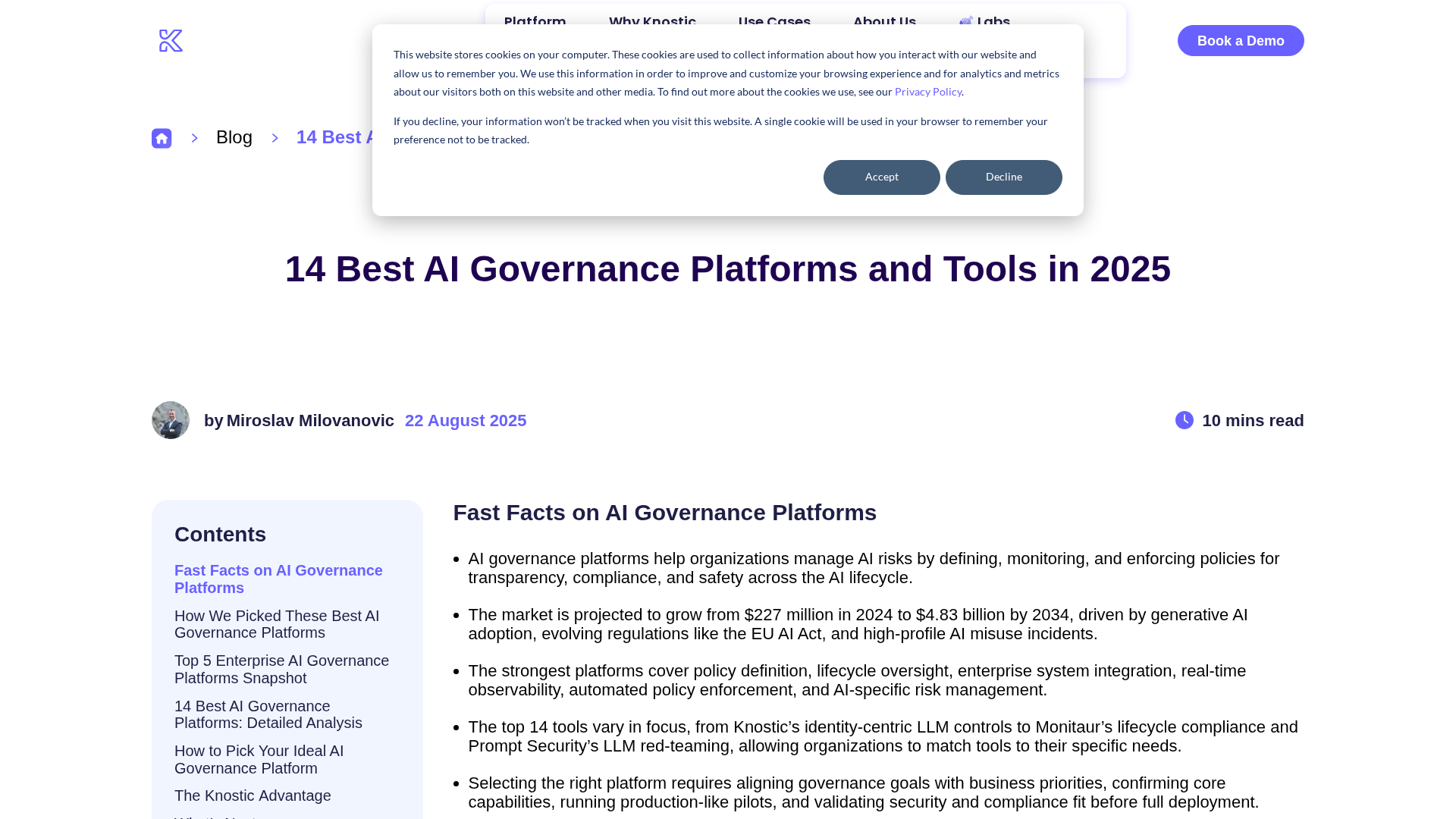
A vendor‑agnostic guide to the 14 best AI governance platforms in 2025, with criteria, comparisons, and practical buying guidance.
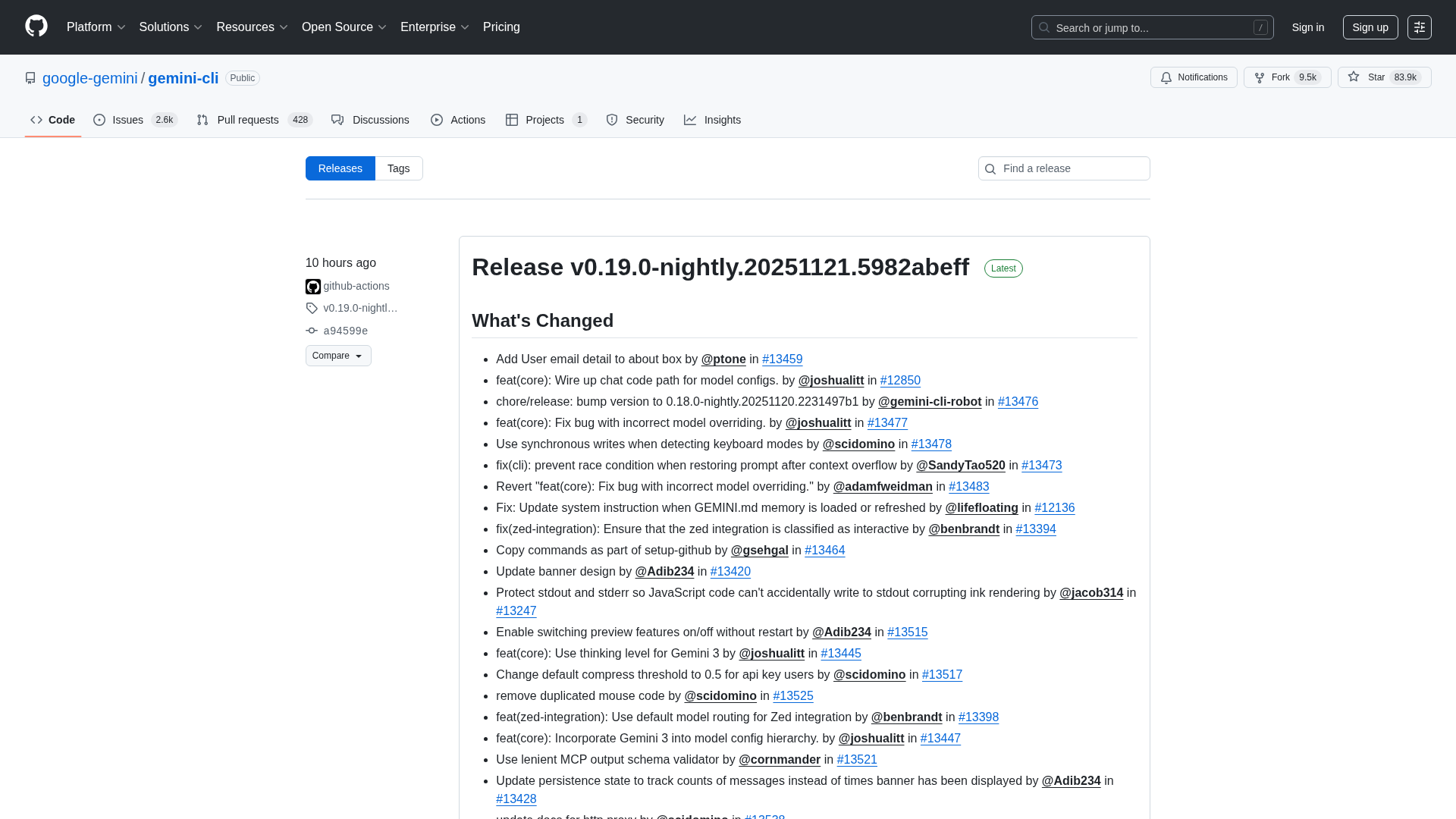
Overview of the Gemini CLI v0.36.0-preview release series, highlighting architectural, CLI, and UI changelogs across multiple pre-release versions.
OpenAI’s bypass moment underscores the need for governance that survives inevitable user bypass and hardens system controls.
A call to enable safe AI use at work via sanctioned access, real-time data protections, and frictionless governance.
A real-world look at AI in SOCs, debunking myths and highlighting the human role behind automation with Bell Cyber experts.