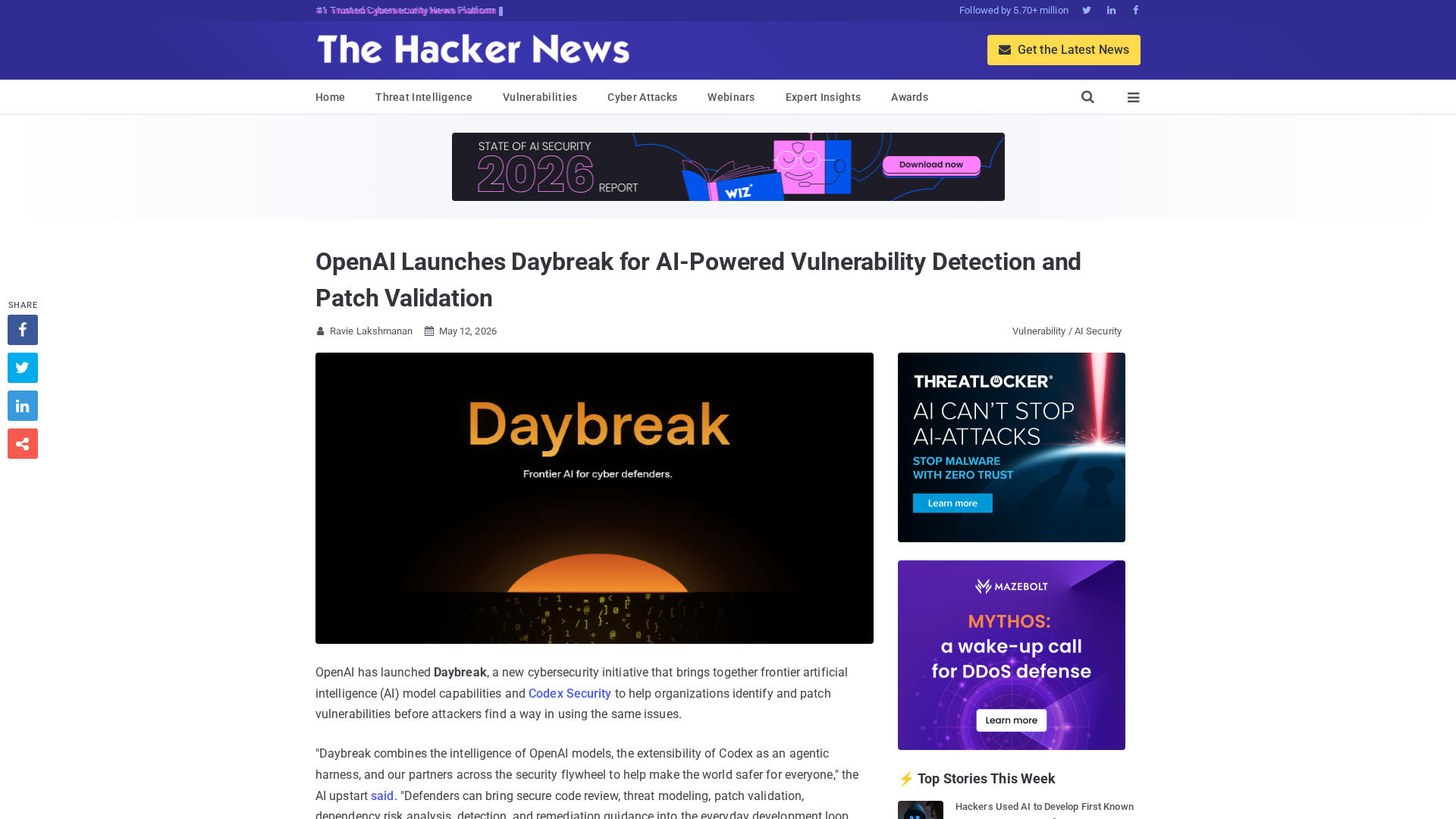
Topic Overview
AI-driven vulnerability detection brings large language models and agentic systems into code, configuration and infrastructure security workflows. This topic examines OpenAI’s Daybreak alongside cloud ML platforms, conversational assistants and enterprise governance tools that organizations use to find, prioritize and remediate vulnerabilities. As of 2026-05-19, the field has shifted from experimental scanning proofs-of-concept to production integrations: security teams are embedding LLMs into CI/CD, SAST/DAST toolchains, and incident response playbooks while demanding privacy, explainability and measurable accuracy. Key solutions include OpenAI Daybreak (an OpenAI offering focused on automated vulnerability discovery and triage), Google’s Vertex AI (a fully managed platform for building, fine-tuning and deploying ML/GenAI models) and Google Gemini (multimodal models accessible via Vertex and Google AI APIs). Anthropic’s Claude family provides conversational analysis and code-review assistants; IBM watsonx Assistant targets enterprise virtual agents and no-code automation for security workflows; Cohere supplies private, customizable models, embeddings and retrieval for proprietary threat datasets. Kore.ai and Adept represent agent and agentic platforms for orchestrating multistep remediation workflows and automating actions in software interfaces, while Monitaur focuses on vendor governance, policy, monitoring and validation for regulated industries. Practical considerations driving adoption include integration with existing security tooling, model provenance, false-positive management, adversarial robustness and regulatory compliance. Organizations evaluate vendors by their support for private deployments, fine-tuning on internal telemetry, observability and audit trails. The result is a layered market where general-purpose LLM providers, managed cloud ML services and specialized governance platforms converge to make AI-assisted vulnerability detection operationally useful but dependent on strong governance and validation practices.
Tool Rankings – Top 6

Unified, fully-managed Google Cloud platform for building, training, deploying, and monitoring ML and GenAI models.

Google’s multimodal family of generative AI models and APIs for developers and enterprises.
Anthropic's Claude family: conversational and developer AI assistants for research, writing, code, and analysis.

Enterprise virtual agents and AI assistants built with watsonx LLMs for no-code and developer-driven automation.

Enterprise-focused LLM platform offering private, customizable models, embeddings, retrieval, and search.

Enterprise AI agent platform for building, deploying and orchestrating multi-agent workflows with governance, observabil
Latest Articles (96)
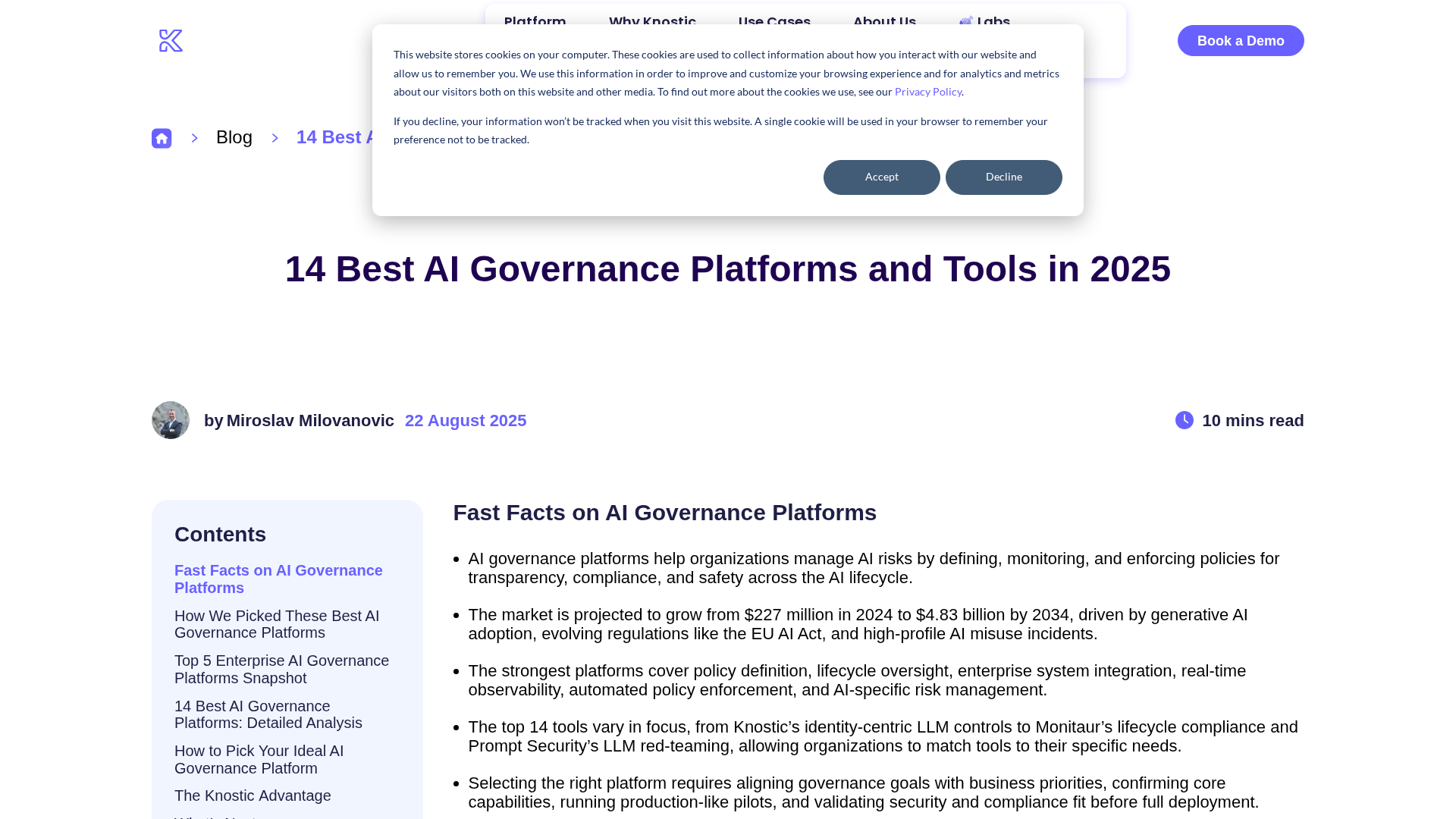
A vendor‑agnostic guide to the 14 best AI governance platforms in 2025, with criteria, comparisons, and practical buying guidance.
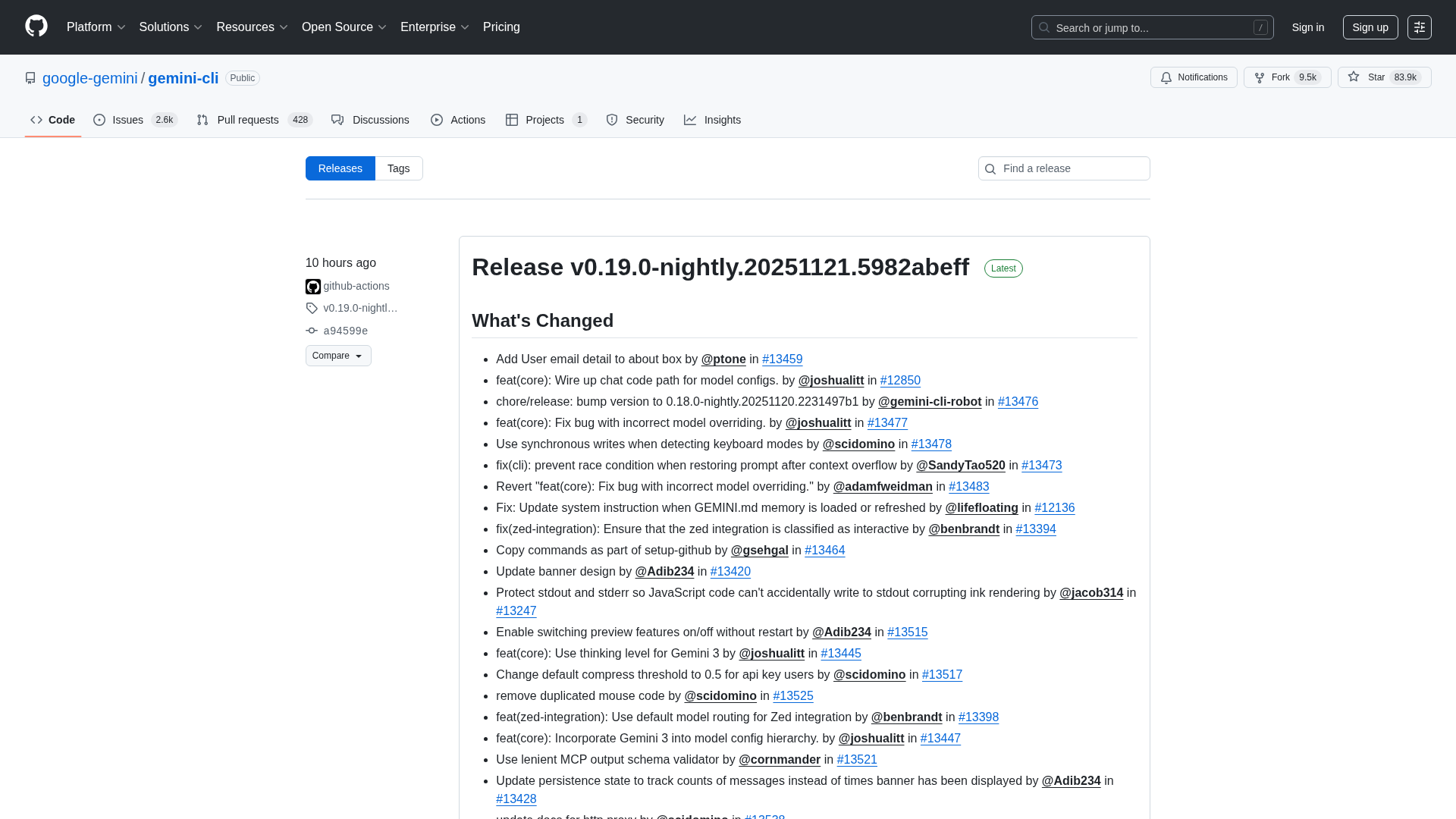
Overview of the Gemini CLI v0.36.0-preview release series, highlighting architectural, CLI, and UI changelogs across multiple pre-release versions.
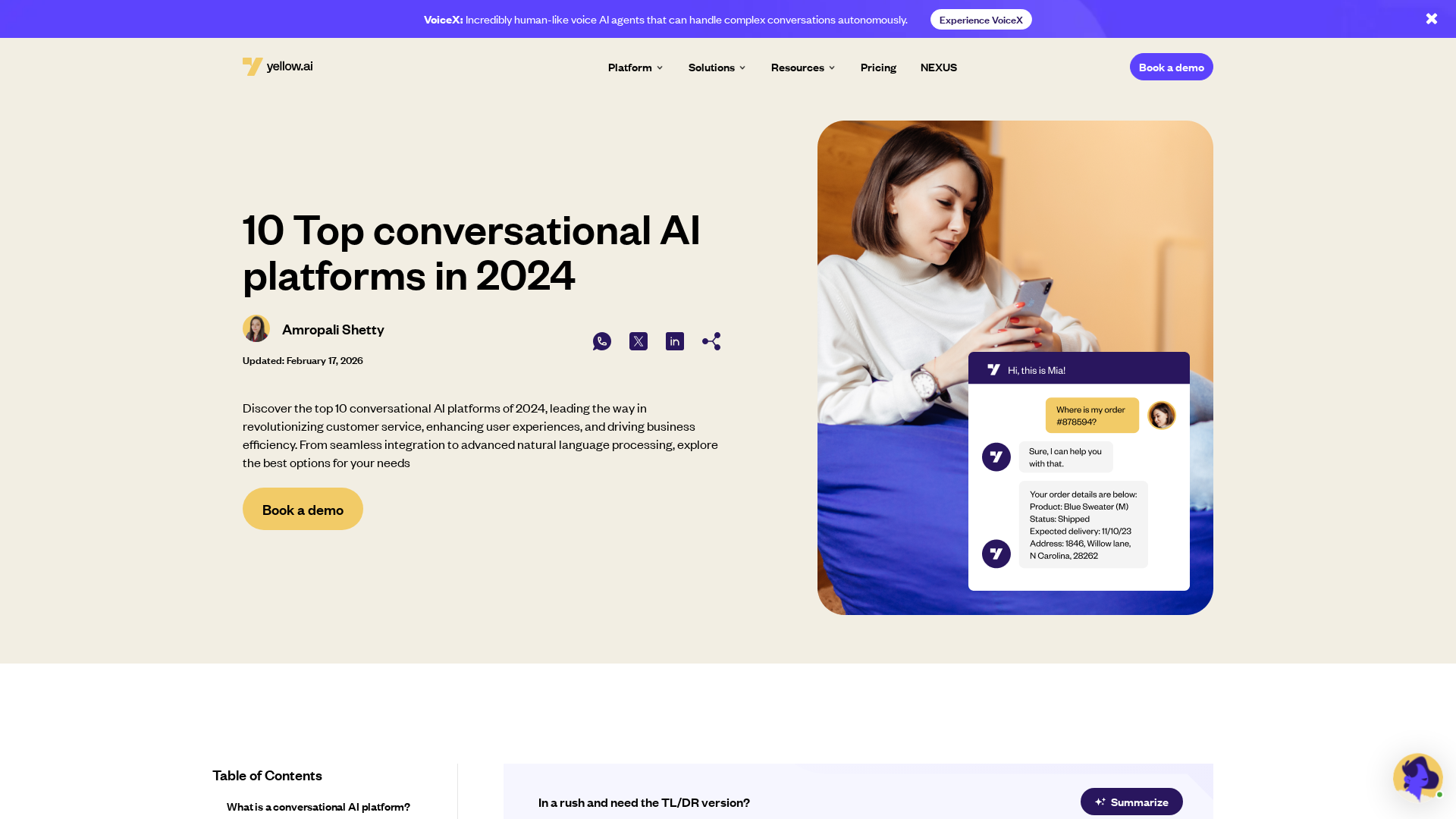
A concise guide to the top 10 conversational AI platforms in 2024, with features, benefits, and use cases.
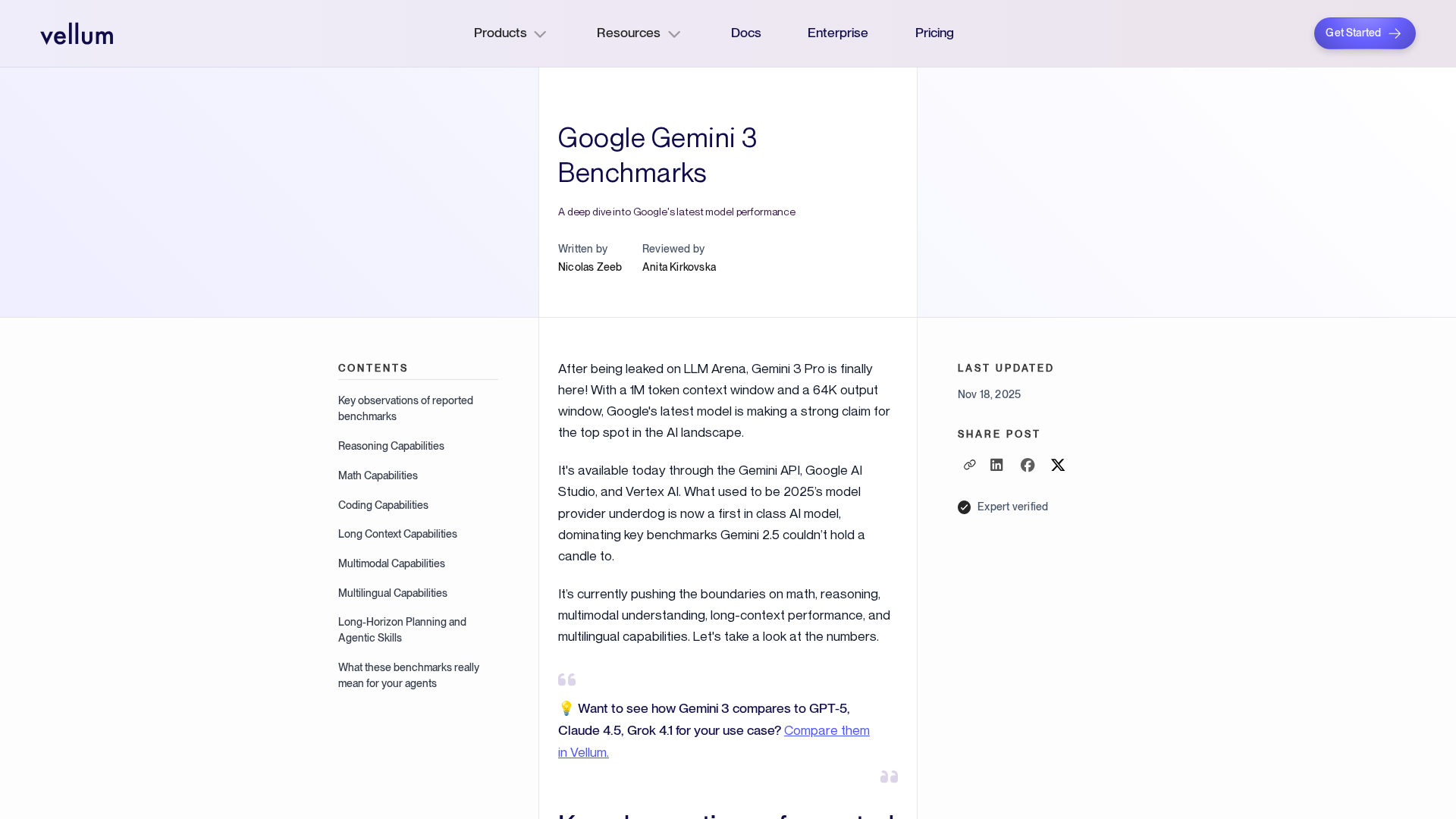
In-depth look at Gemini 3 Pro benchmarks across reasoning, math, multimodal, and agentic capabilities with implications for building AI agents.
Adobe nears a $19 billion deal to acquire Semrush, expanding its marketing software capabilities, according to WSJ reports.