Topic Overview
AI-driven DeFi security and risk-management covers the tools and practices that use machine learning, LLMs and agentic automation to detect, score, and respond to threats in decentralized finance. This topic addresses threat modeling, continuous monitoring, adversarial testing and incident orchestration for smart contracts, on‑chain activity, and off‑chain services. It is increasingly relevant as DeFi scale, regulatory scrutiny, and the use of autonomous AI agents interacting with liquidity and governance elevate the speed and complexity of attacks. Key tool categories include: threat-modeling and scoring systems (examples: STRIDE‑style analyses, LlamaRisk‑type risk scorers), automated incident response and case orchestration (SIRN-style responders), and adversarial testing/fuzzing platforms (Chaos Labs alternatives). Complementary enterprise technologies provide the infrastructure and governance layer: Xilos offers visibility into agentic AI activity and connected services; Monitaur centralizes policy, monitoring and vendor/insurance workflows for regulated organizations; StackAI provides no-code/low-code agent building and governance for operational automation; IBM watsonx Assistant enables virtual agents and multi-agent orchestrations for triage and remediation; Claude-family models supply conversational analysis, summarization and automated playbook execution. Practical trends to watch: combining real‑time on‑chain telemetry with agentic automation for time-sensitive mitigation, integrating risk scoring with insurance and regulatory reporting, and using no‑code agent frameworks to codify response playbooks. Adoption raises governance questions — model explainability, access control, and third‑party vendor risk — making AI Security Governance and AI Governance Tools central to safe deployment. This topic helps security and product teams evaluate how AI can augment DeFi security workflows while managing the new operational and compliance risks those systems introduce.
Tool Rankings – Top 5
Intelligent Agentic AI Infrastructure

Insurance-focused enterprise AI governance platform centralizing policy, monitoring, validation, vendor governance and证e

End-to-end no-code/low-code enterprise platform for building, deploying, and governing AI agents that automate work onun

Enterprise virtual agents and AI assistants built with watsonx LLMs for no-code and developer-driven automation.
Anthropic's Claude family: conversational and developer AI assistants for research, writing, code, and analysis.
Latest Articles (40)
A vendor‑agnostic guide to the 14 best AI governance platforms in 2025, with criteria, comparisons, and practical buying guidance.
OpenAI’s bypass moment underscores the need for governance that survives inevitable user bypass and hardens system controls.
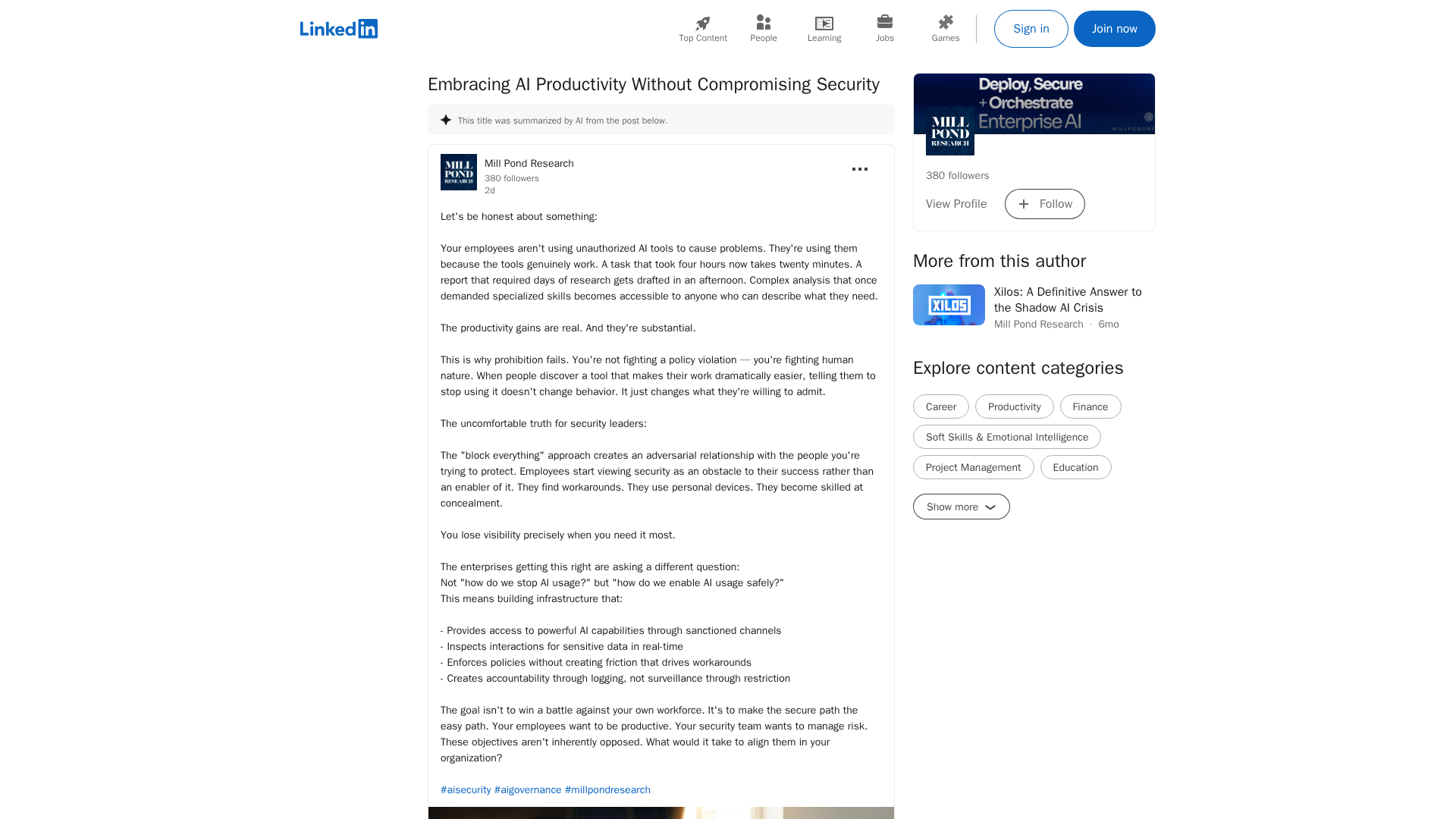
A call to enable safe AI use at work via sanctioned access, real-time data protections, and frictionless governance.
Explores the human role behind AI automation and how Bell Cyber tackles AI hallucinations in security operations.
A real-world look at AI in SOCs, debunking myths and highlighting the human role behind automation with Bell Cyber experts.