Topic Overview
This topic examines technical and compliance trade‑offs between export‑control resilient implementations of modified H800 accelerators and standard GPU offerings, and how orchestration and model vendors help institutions manage performance, governance, and regulatory risk. As of 2025-12-12, evolving export‑control regimes and supply‑chain scrutiny have driven vendors and operators to adopt hardware modifications, firmware limits, or attestations to change device classifications while preserving usable AI capacity. Practically, modified H800 implementations aim to reduce export sensitivity by altering clocking, firmware, or telemetry; the result is a different performance/compatibility profile versus unmodified datacenter GPUs. Organizations must weigh throughput, software stack compatibility, and the operational burden of provenance and audit records. Software and platform approaches—such as Run:ai’s Kubernetes‑native GPU orchestration—help manage heterogeneous fleets by policy‑driven pooling, workload placement and utilization accounting across on‑prem and multi‑cloud resources. Model and service providers also matter: efficient open models from vendors like Mistral AI reduce compute needs; hosted multimodal APIs such as Google Gemini provide an alternative to local high‑end accelerators; and enterprise assistants like IBM watsonx Assistant show how orchestration of compliance‑certified models and runtime controls can reduce exposure. Key governance themes are device attestation, supply‑chain traceability, transparent configuration, and per‑workload policy enforcement. Trade‑offs include reduced peak performance, increased integration complexity, and potential vendor lock‑in versus clearer regulatory positioning and lower export risk. For security, legal, and platform teams, the pragmatic approach is a blended strategy: combine compliant hardware implementations with orchestration, model optimization, and documented controls to meet both operational needs and export‑control obligations.
Tool Rankings – Top 4

Kubernetes-native GPU orchestration and optimization platform that pools GPUs across on‑prem, cloud and multi‑cloud to提高

Enterprise virtual agents and AI assistants built with watsonx LLMs for no-code and developer-driven automation.

Enterprise-focused provider of open/efficient models and an AI production platform emphasizing privacy, governance, and

Google’s multimodal family of generative AI models and APIs for developers and enterprises.
Latest Articles (44)
A vendor‑agnostic guide to the 14 best AI governance platforms in 2025, with criteria, comparisons, and practical buying guidance.
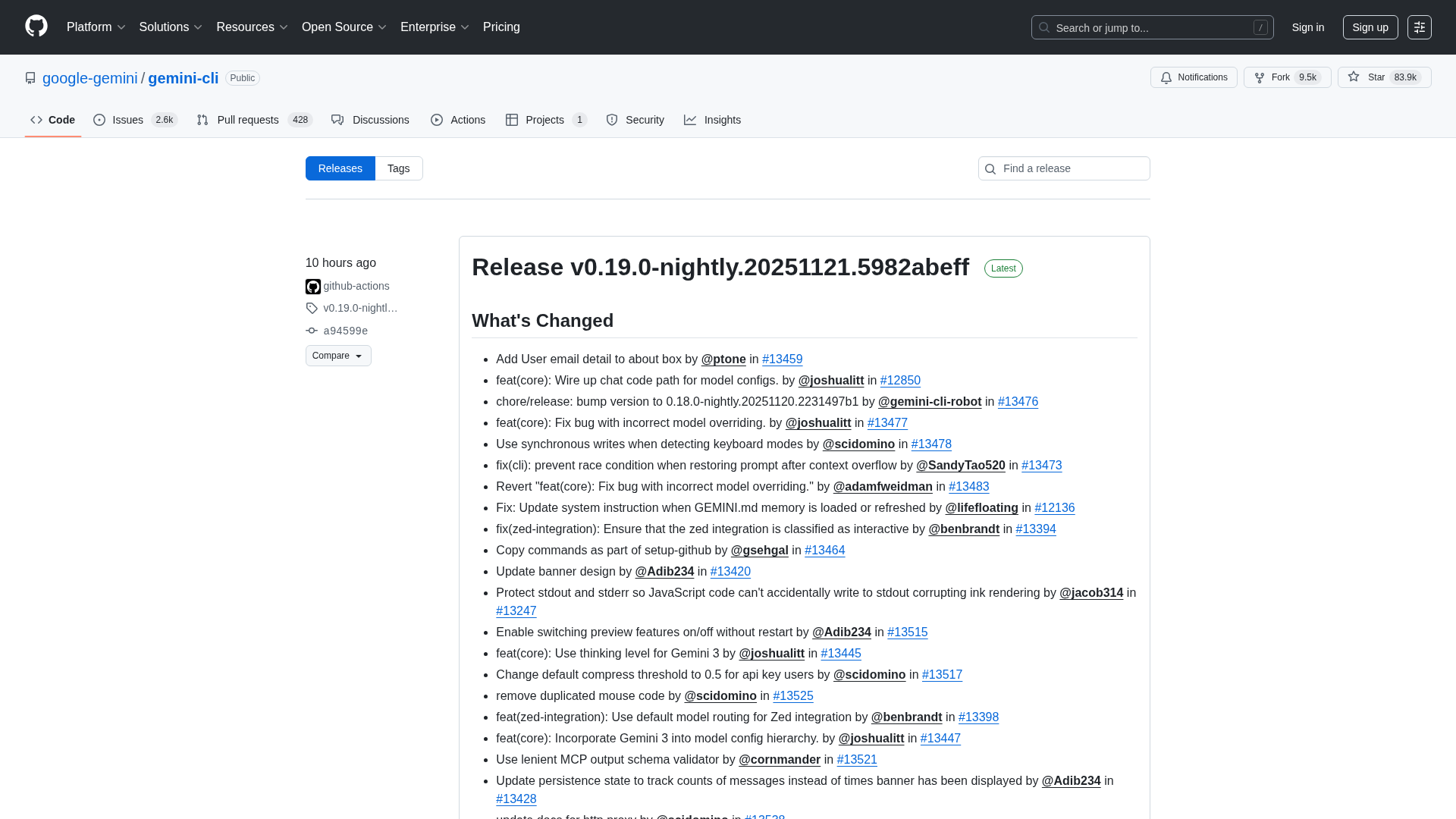
Overview of the Gemini CLI v0.36.0-preview release series, highlighting architectural, CLI, and UI changelogs across multiple pre-release versions.

Adobe nears a $19 billion deal to acquire Semrush, expanding its marketing software capabilities, according to WSJ reports.
Wolters Kluwer expands UpToDate Expert AI with UpToDate Lexidrug to bolster drug information and medication decision support.
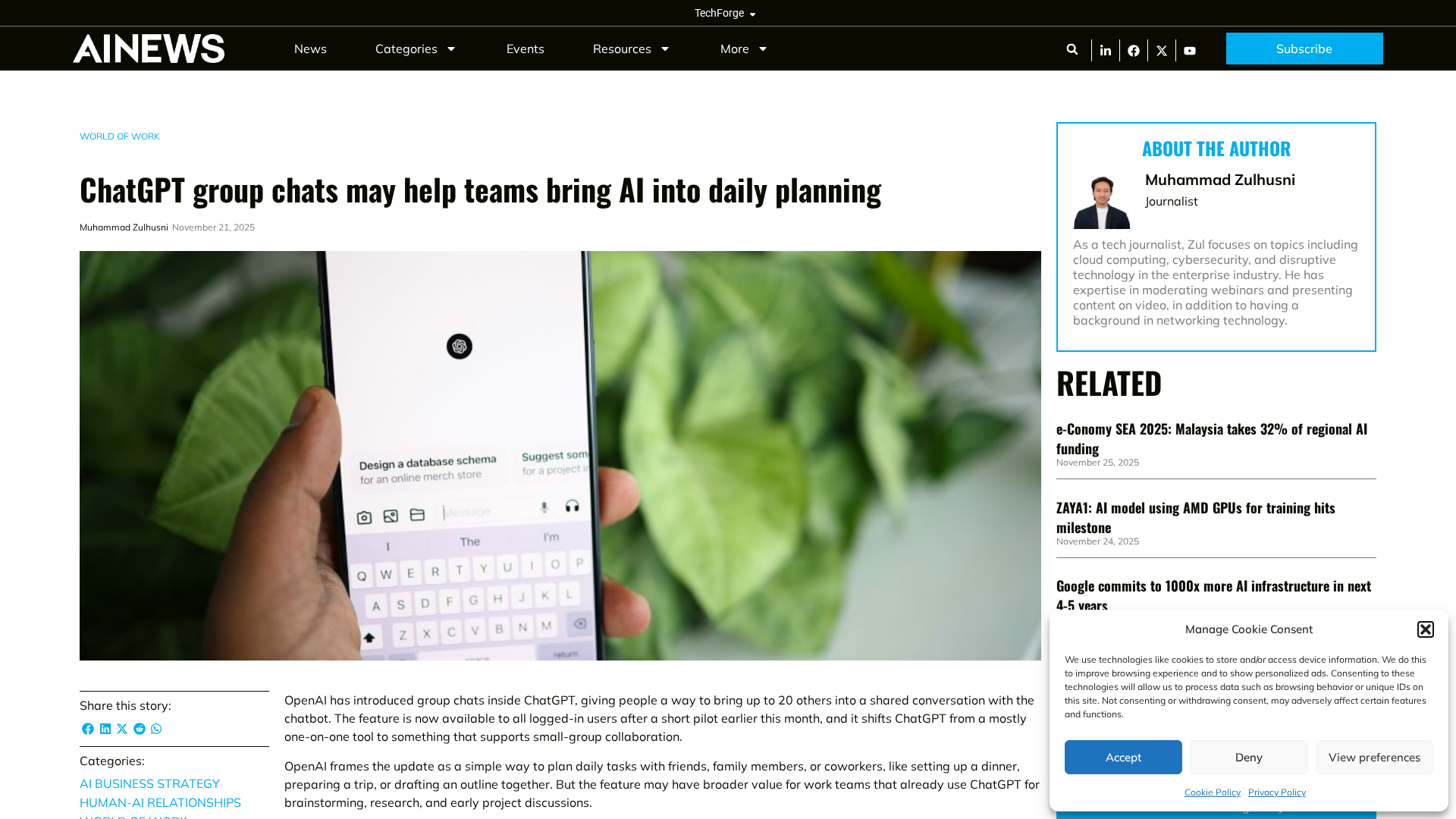
OpenAI adds group chats to ChatGPT, letting up to 20 participants collaborate with AI in a shared planning space.