Topic Overview
This topic covers tools and practices for validating identity, authenticating users and services, and protecting AI models from adversarial, theft and provenance risks — all within the context of governance and regulatory compliance. Demand for identity verification (KYC/KYB), strong authentication, role-based access, audit trails, watermarking and runtime monitoring has increased as enterprises deploy private LLMs, voice agents and domain assistants into regulated workflows. Key vendor capabilities illustrate common patterns: Cohere provides enterprise-grade private and customizable LLMs, embeddings and retrieval useful for data isolation and tenant-specific access controls; Harvey targets law firms with assistants, knowledge vaults and workflow controls that surface provenance and legal-safe outputs; Observe.AI focuses on contact-center voice and chat agents with real-time assist and post-call QA, highlighting the need to secure voice biometrics and conversation records; Cimba.AI emphasizes no-code agent construction with auditable governance for rapid, traceable deployments; Microsoft 365 Copilot integration shows how productivity platforms require tenant-level DLP, sensitivity labels and admin controls to keep generative outputs compliant. As of late 2025, organizations must combine identity and authentication (strong MFA, certificate-based service identity, identity-bound tokens), model-hardening (adversarial detection, input sanitization, watermarking and provenance metadata), and observability (immutable logs, explainability artifacts, SIEM integration) to satisfy regulators and auditors. The practical trade-offs are between usability, latency and forensic fidelity. Selecting tools involves matching model residency, audit features, domain-specific compliance support and the ability to enforce least-privilege across data, models and agents. This topic helps security, compliance and product teams evaluate controls that connect identity, model security and governance in production AI stacks.
Tool Rankings – Top 5

Enterprise-focused LLM platform offering private, customizable models, embeddings, retrieval, and search.

Domain-specific AI platform delivering Assistant, Knowledge, Vault, and Workflows for law firms and professionalservices

Enterprise conversation-intelligence and GenAI platform for contact centers: voice agents, real-time assist, auto QA, &洞

No-code enterprise AI agents that turn analysts into AI-powered operators with rapid accuracy and auditable governance.
AI assistant integrated across Microsoft 365 apps to boost productivity, creativity, and data insights.
Latest Articles (48)
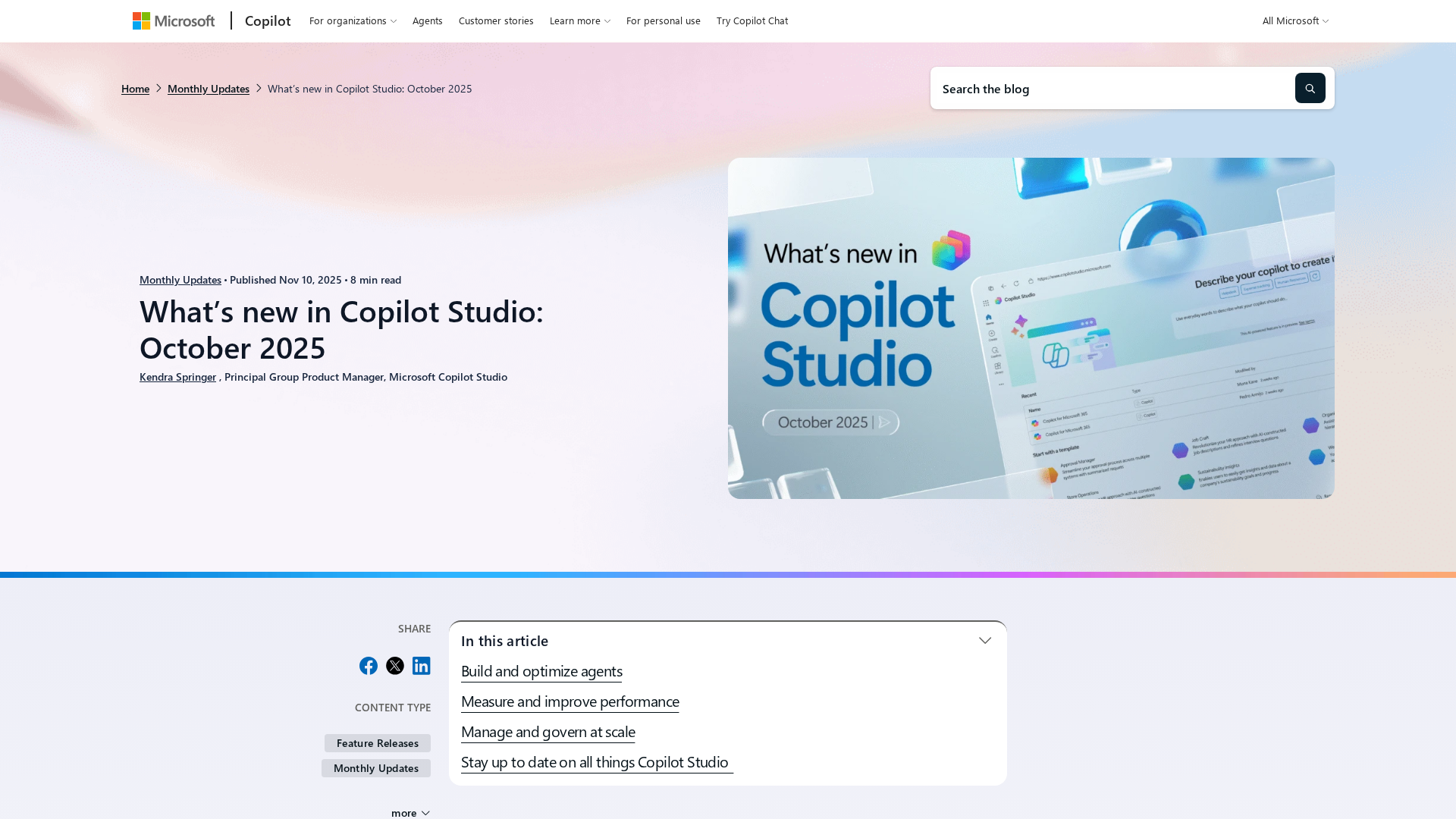
A comprehensive October 2025 roundup of Copilot Studio’s new testing, model, and governance features.
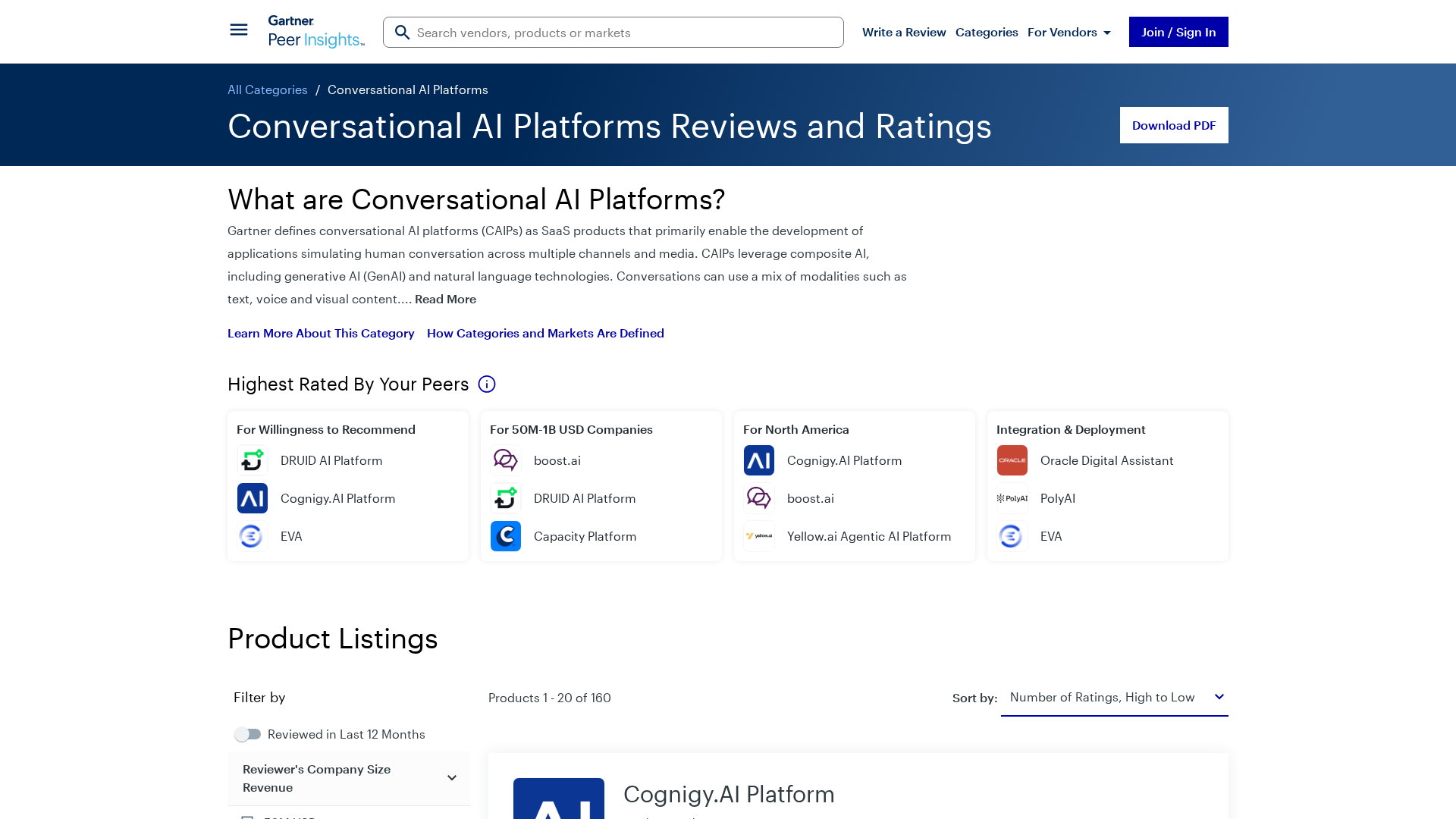
Gartner’s market view on conversational AI platforms, outlining trends, vendors, and buyer guidance.

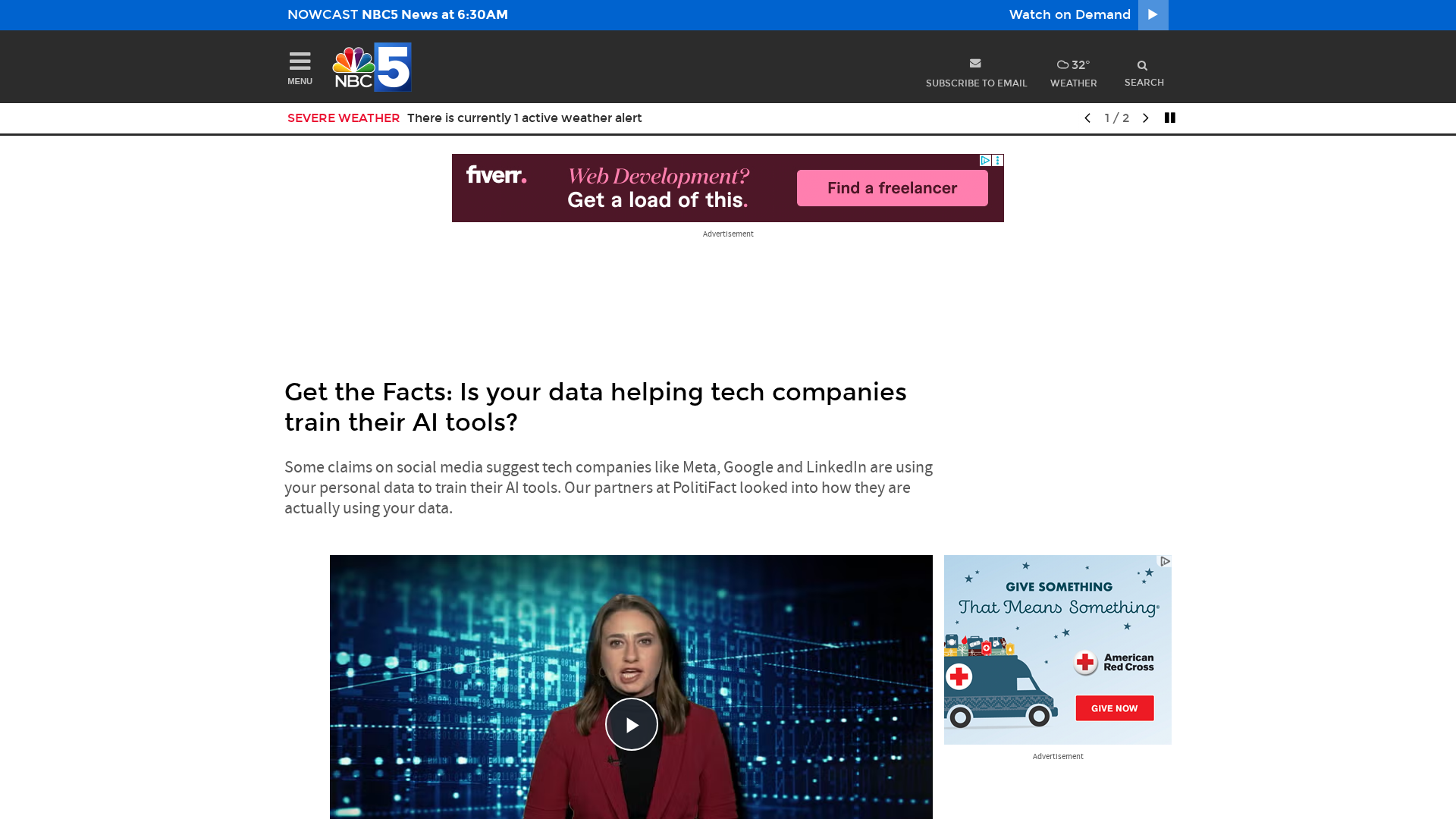
A PolitiFact-backed look at how Meta, Google, and LinkedIn use user data to train AI, and how to opt out where possible.

A practical, prompt-based playbook showing how Gemini 3 reshapes work, with a 90‑day plan and guardrails.