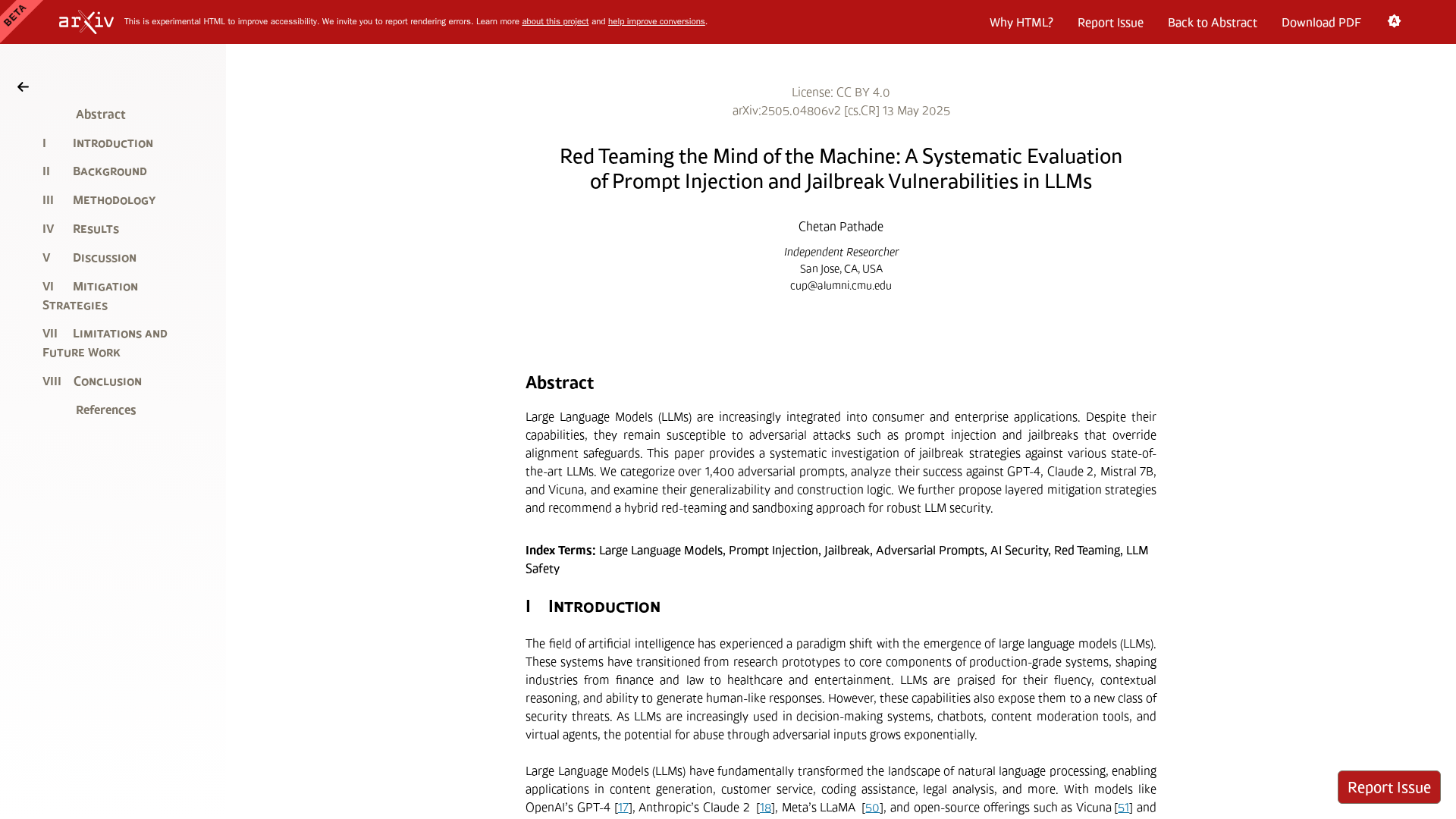
Topic Overview
AI model security and vulnerability scanning covers the tools and practices used to find, fix, and mitigate weaknesses in large language models (LLMs) and agentic AI systems. This topic spans automated red‑teaming, fuzzing and adversarial testing, prompt‑injection and supply‑chain detection, runtime monitoring, policy‑as‑code, and model‑hardening workflows that integrate into CI/CD and compliance pipelines. Relevance in 2026 stems from widespread enterprise adoption of autonomous agents, expanded use of multimodal models in production, and growing regulatory expectations for documented testing, vendor governance, and incident visibility. Organizations face risks from prompt injection, data‑poisoning, model extraction, unintended agentic behavior, and third‑party service exposures—risk vectors that require both pre‑deployment scanning and continuous runtime controls. Key tooling patterns include: observability and service‑level visibility (e.g., Xilos’ agentic AI infrastructure for tracking connected services and agent activity); no‑code/low‑code agent platforms that bake governance into deployments (StackAI, Lindy); industry‑focused governance and vendor validation for regulated sectors (Monitaur’s insurance‑centric policy, monitoring and validation); enterprise assistant platforms with developer and no‑code controls for safe automation (IBM watsonx Assistant); and foundational model providers whose APIs and model choices (e.g., Google Gemini) influence attack surface and hardening strategies. Practitioners should evaluate combinations of scanning tools, runtime monitors, governance platforms, and model‑provider controls to create automated test suites, enforce policies, and produce auditable evidence for compliance. The effective approach is pragmatic: integrate detection and hardening into development lifecycles, and align technical controls with regulatory and vendor‑risk requirements.
Tool Rankings – Top 6
Intelligent Agentic AI Infrastructure

End-to-end no-code/low-code enterprise platform for building, deploying, and governing AI agents that automate work onun

Insurance-focused enterprise AI governance platform centralizing policy, monitoring, validation, vendor governance and证e

No-code/low-code AI agent platform to build, deploy, and govern autonomous AI agents.

Enterprise virtual agents and AI assistants built with watsonx LLMs for no-code and developer-driven automation.

Google’s multimodal family of generative AI models and APIs for developers and enterprises.
Latest Articles (54)
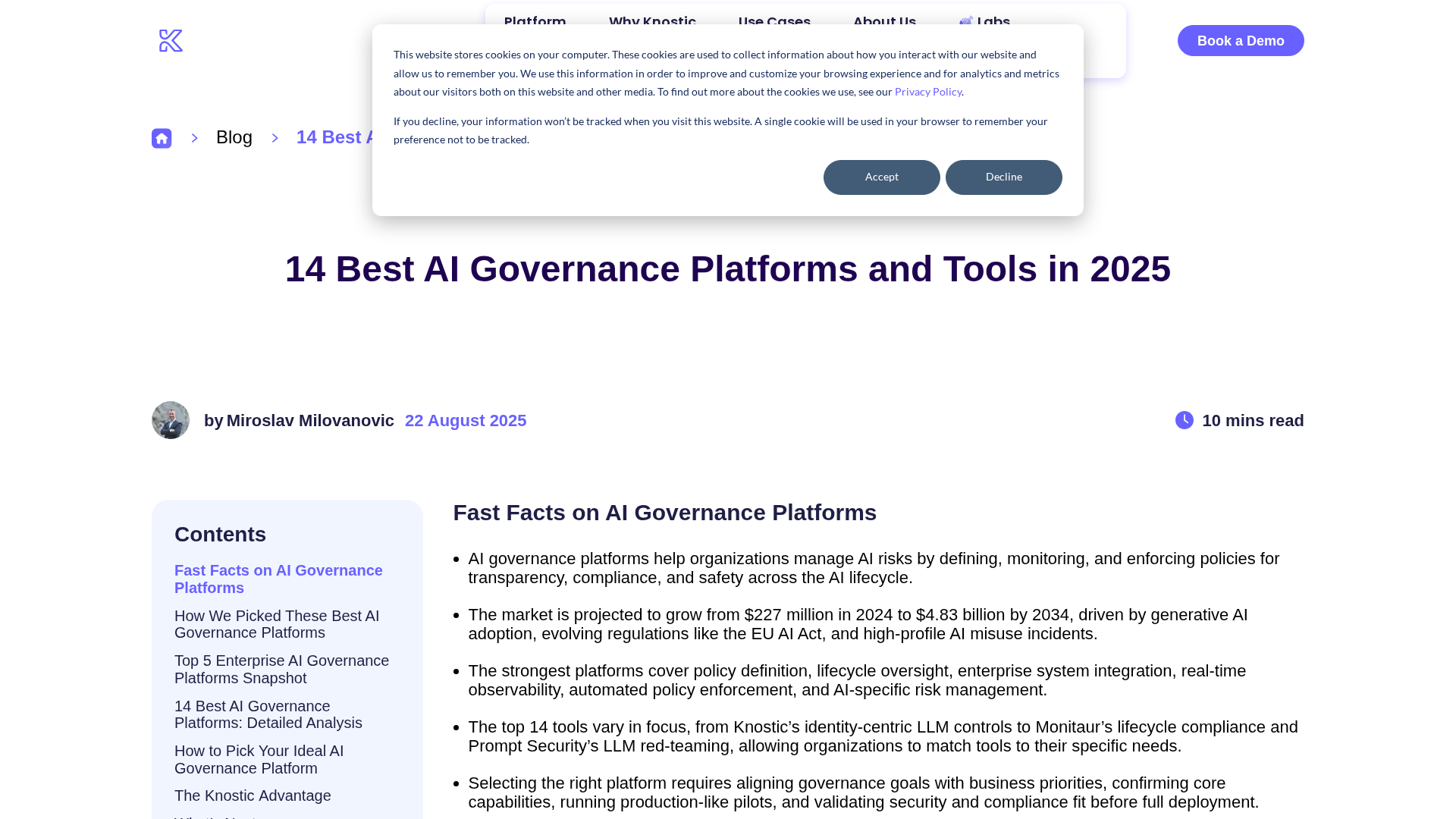
A vendor‑agnostic guide to the 14 best AI governance platforms in 2025, with criteria, comparisons, and practical buying guidance.
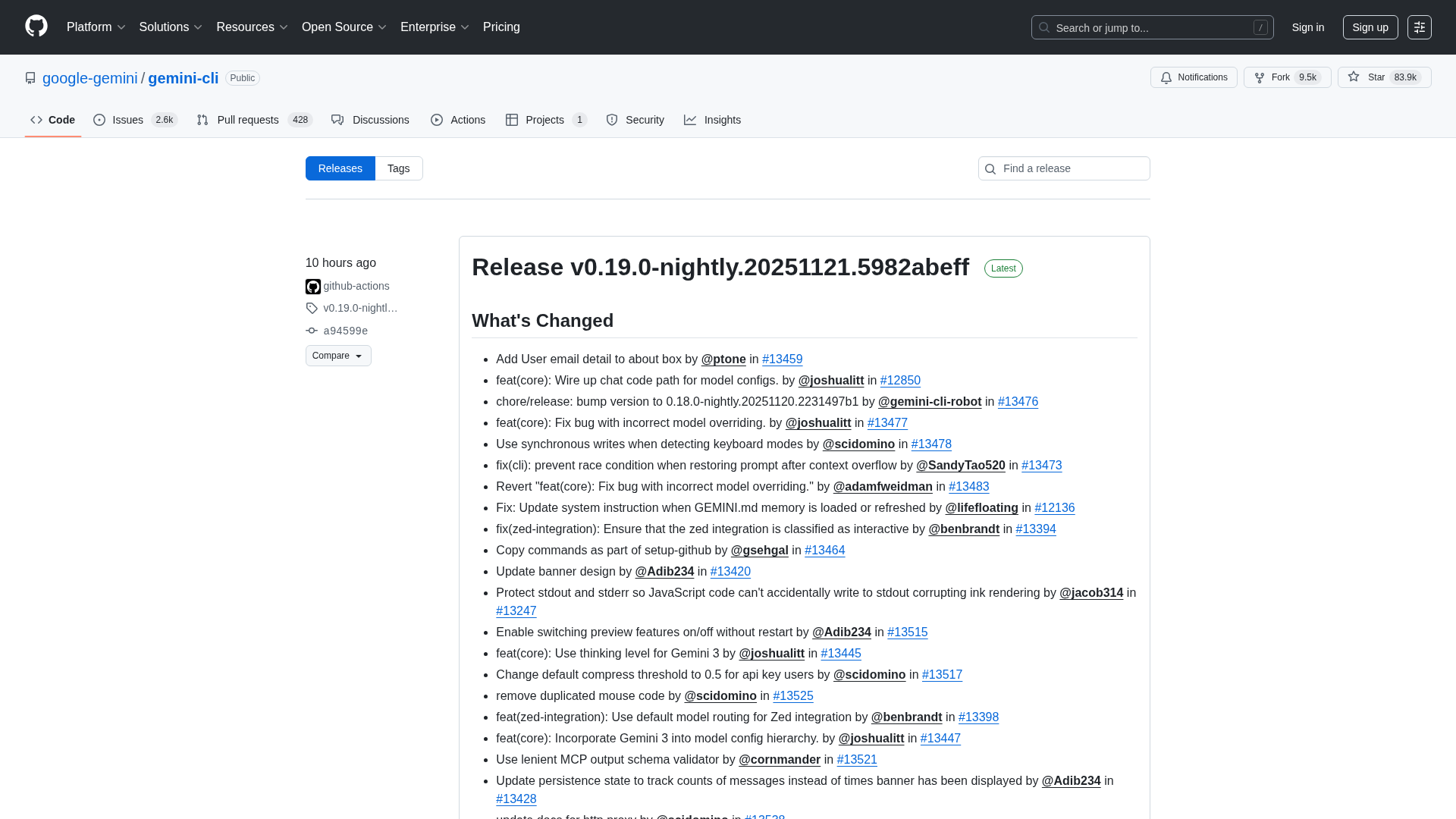
Overview of the Gemini CLI v0.36.0-preview release series, highlighting architectural, CLI, and UI changelogs across multiple pre-release versions.
OpenAI’s bypass moment underscores the need for governance that survives inevitable user bypass and hardens system controls.
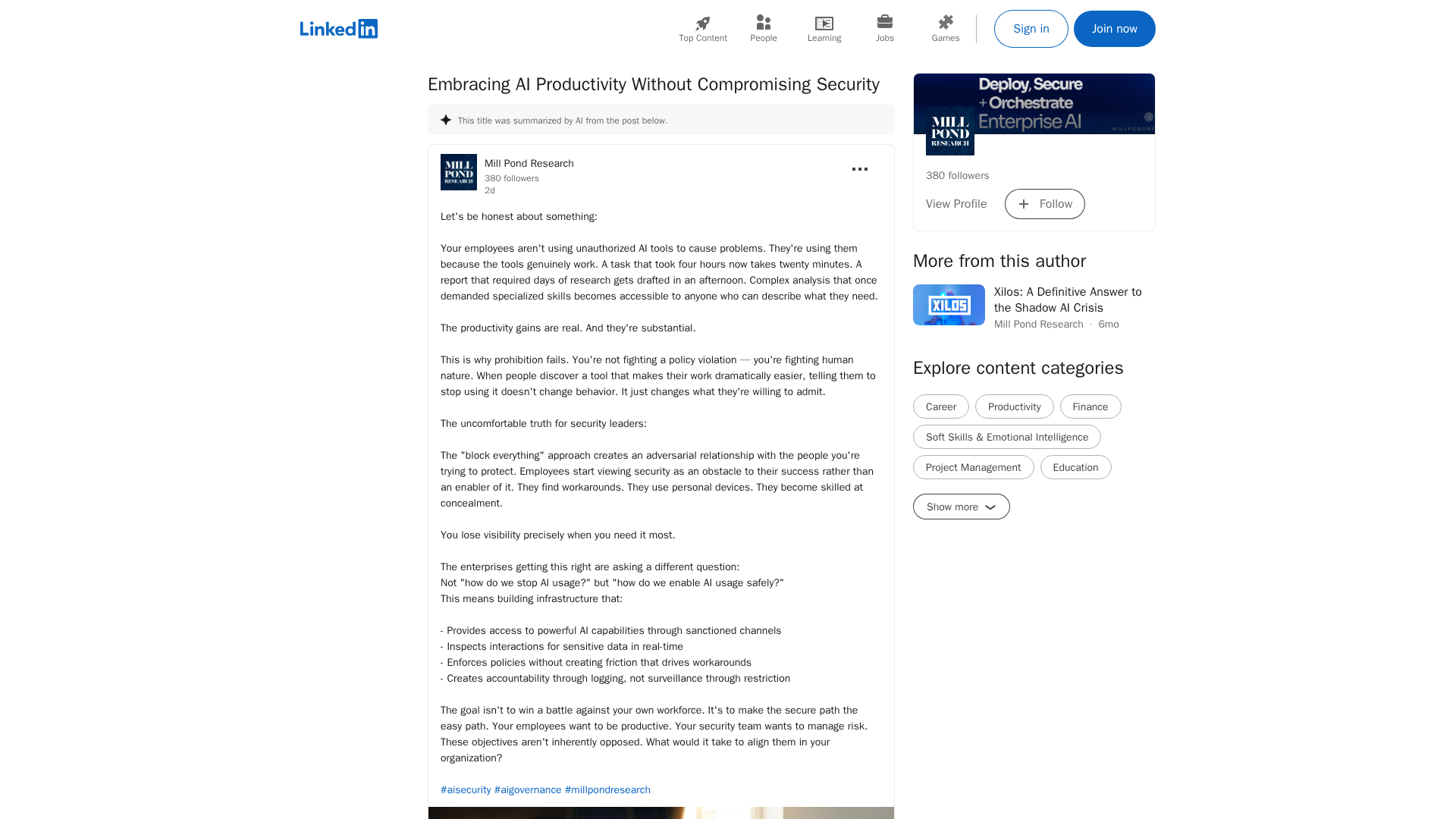
A call to enable safe AI use at work via sanctioned access, real-time data protections, and frictionless governance.
Explores the human role behind AI automation and how Bell Cyber tackles AI hallucinations in security operations.