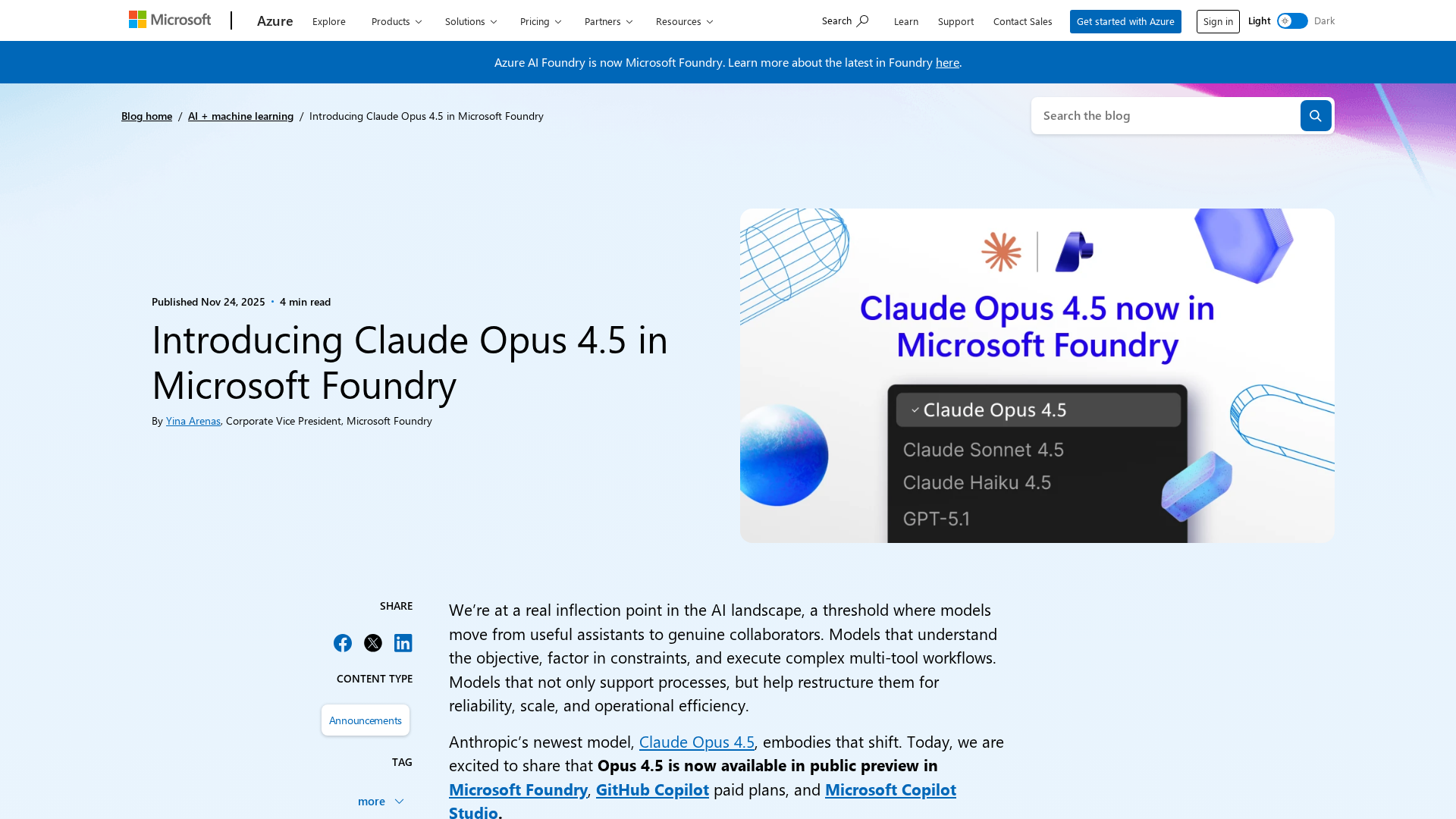
Topic Overview
This topic covers AI platforms, alignment toolkits, and governance products designed to make advanced models safer, auditable, and compliance-ready for enterprise and regulated use. In 2025 organizations face stronger regulatory expectations (for example, rulemaking inspired by the EU AI Act and increased government guidance), rising customer demand for demonstrable safeguards, and operational risk from high-capability models. That context has pushed vendors to prioritize alignment-by-design, monitoring, and governance features. Key offerings span general-purpose assistants and enterprise stacks to domain-specific and autonomy platforms. Anthropic’s Claude family (including the Opus 4.5 line) represents conversational and developer assistants built with safety and alignment objectives. IBM watsonx Assistant and Microsoft 365 Copilot integrate assistants and multi-agent orchestration into enterprise workflows with controls for data residency, access, and audit. Observe.AI, Yellow.ai, and Cimba.AI focus on agentic contact-center and no-code agent deployments with real-time assist and audit trails. Domain platforms like Harvey (legal) and Kay AI (insurance) couple knowledge, workflows, and vaults for regulated industries. Cohere and Shield AI provide model hosting, private customization, and autonomy software where provenance and deterministic behavior matter. Common governance features include alignment toolkits (guardrails, reward-modeling, red teaming), provenance and logging for auditable decision trails, configurable safety policies, and integrations with compliance workflows. For procurement and security teams, the priority is measurable controls—testing, monitoring, incident response, and documentation—to balance productivity gains with legal and reputational risk. This topic helps technical and governance stakeholders compare tools and approaches for deploying capable AI while meeting contemporary safety and regulatory requirements.
Tool Rankings – Top 6
Anthropic's Claude family: conversational and developer AI assistants for research, writing, code, and analysis.

Enterprise virtual agents and AI assistants built with watsonx LLMs for no-code and developer-driven automation.
AI assistant integrated across Microsoft 365 apps to boost productivity, creativity, and data insights.

Enterprise conversation-intelligence and GenAI platform for contact centers: voice agents, real-time assist, auto QA, &洞

Domain-specific AI platform delivering Assistant, Knowledge, Vault, and Workflows for law firms and professionalservices

No-code enterprise AI agents that turn analysts into AI-powered operators with rapid accuracy and auditable governance.
Latest Articles (134)
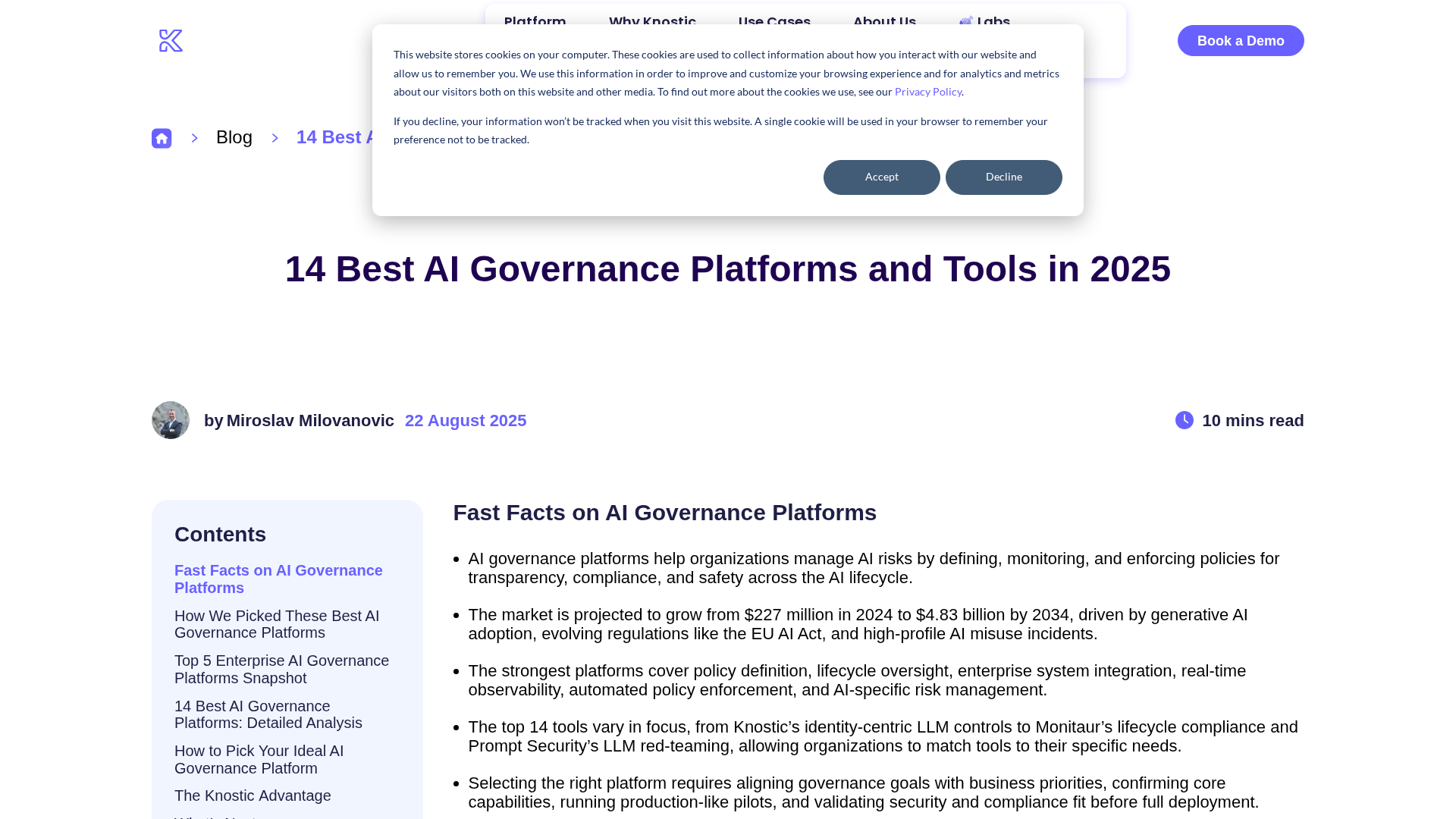
A vendor‑agnostic guide to the 14 best AI governance platforms in 2025, with criteria, comparisons, and practical buying guidance.
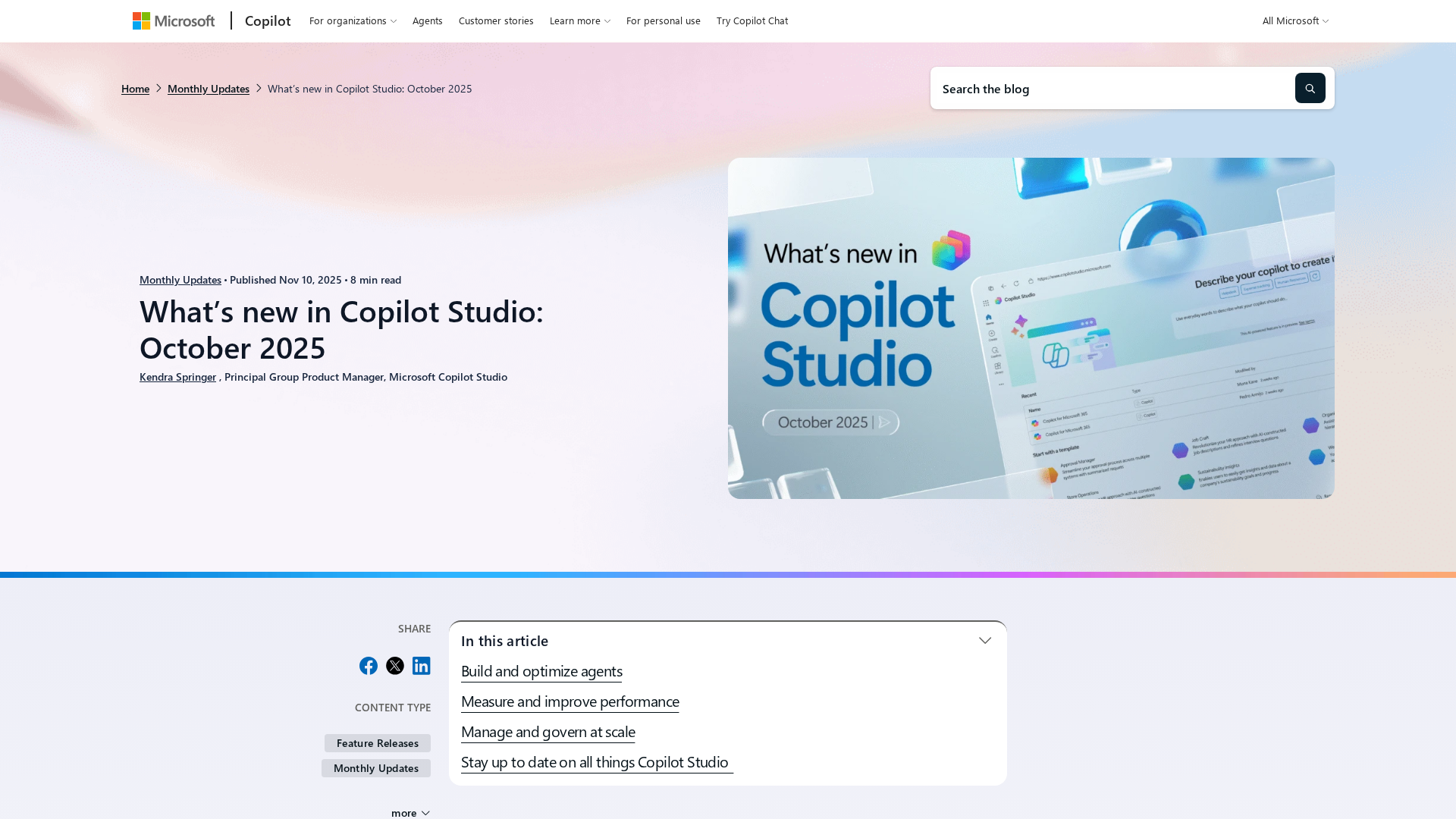
A comprehensive October 2025 roundup of Copilot Studio’s new testing, model, and governance features.
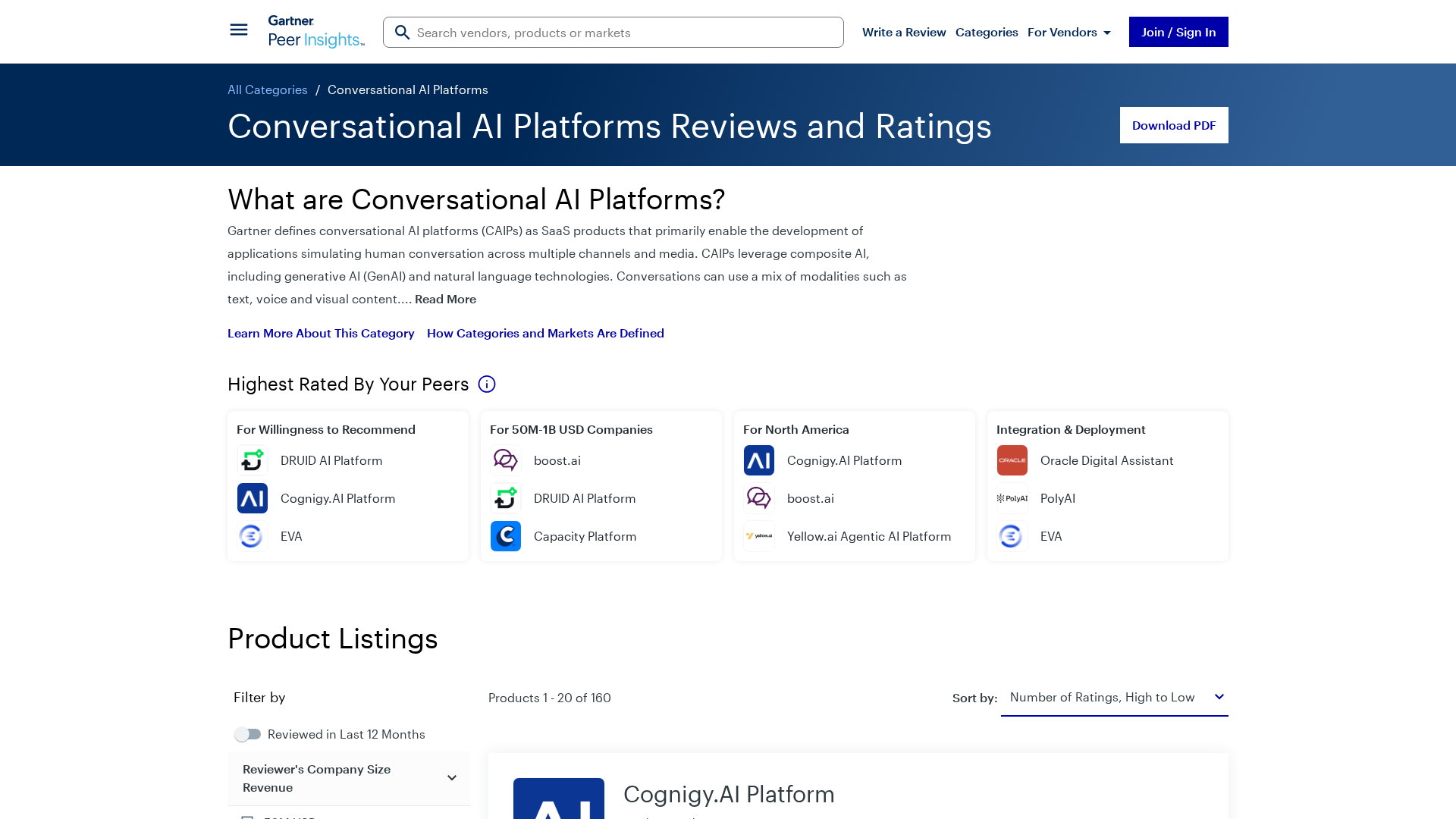
Gartner’s market view on conversational AI platforms, outlining trends, vendors, and buyer guidance.

Adobe nears a $19 billion deal to acquire Semrush, expanding its marketing software capabilities, according to WSJ reports.
Wolters Kluwer expands UpToDate Expert AI with UpToDate Lexidrug to bolster drug information and medication decision support.