Topic Overview
This topic examines how standardized commerce protocols like Google’s Universal Commerce Protocol (UCP) intersect with a new generation of AI shopping and commerce platforms that handle discovery, personalization, imagery, and operations. UCP aims to create interoperable, machine-readable product and event schemas to improve cross‑platform search, attribution, and privacy‑aware data exchange. AI platforms instead focus on operationalizing product experiences—from on‑model visuals and virtual try‑ons to real‑time profitability and conversion optimization. Key tool classes and examples: AI Shopping Assistants (ShopGuru AI and agent templates from Vellum for on‑page Q&A and support), Product Discovery and Visual Commerce (LookBook AI for avatar try‑on, Veesual for on‑model visuals and mix‑and‑match builders, Flair.ai for branded imagery and product video), and Market Intelligence & Operations (Dema.ai for unified commerce intelligence, OmniSynkAI for multi‑channel listing/inventory/order orchestration—noting the vendor’s public site currently shows limited availability). Moonshot AI represents autonomous CRO that continuously generates and tests variants across traffic. Why this matters in 2026: retailers and brands are balancing two priorities—data interoperability to reduce integration friction (the promise of protocols like UCP) and product‑level differentiation driven by AI capabilities. Standardized schemas make it easier for AI agents and discovery layers to consume consistent product metadata; conversely, AI platforms add experiential features (visual try‑ons, automated ads, review summarization) that increase conversion and reduce manual work. The practical choice for businesses increasingly becomes a blend: adopt protocol-based data practices for portability and measurement while layering domain‑specific AI services for imagery, personalization, and real‑time optimization.
Tool Rankings – Top 6
AI-powered B2B SaaS for multi-channel e-commerce product listing, inventory and order management.

An omnichannel commerce intelligence platform delivering real-time profitability and unified measurement.
AI-powered virtual stylist and avatar-based virtual try-on platform for personalized outfit discovery and shopping.

AI-driven visual commerce platform for fashion e-commerce delivering on-model visuals, Mix&Match outfit builders, multi‑
A Chrome extension that analyzes Amazon reviews to answer product questions with trusted, product-specific information.

AI-driven platform for branded e-commerce imagery: generation, editing, on-model photography, product videos, and ad生成.
Latest Articles (51)
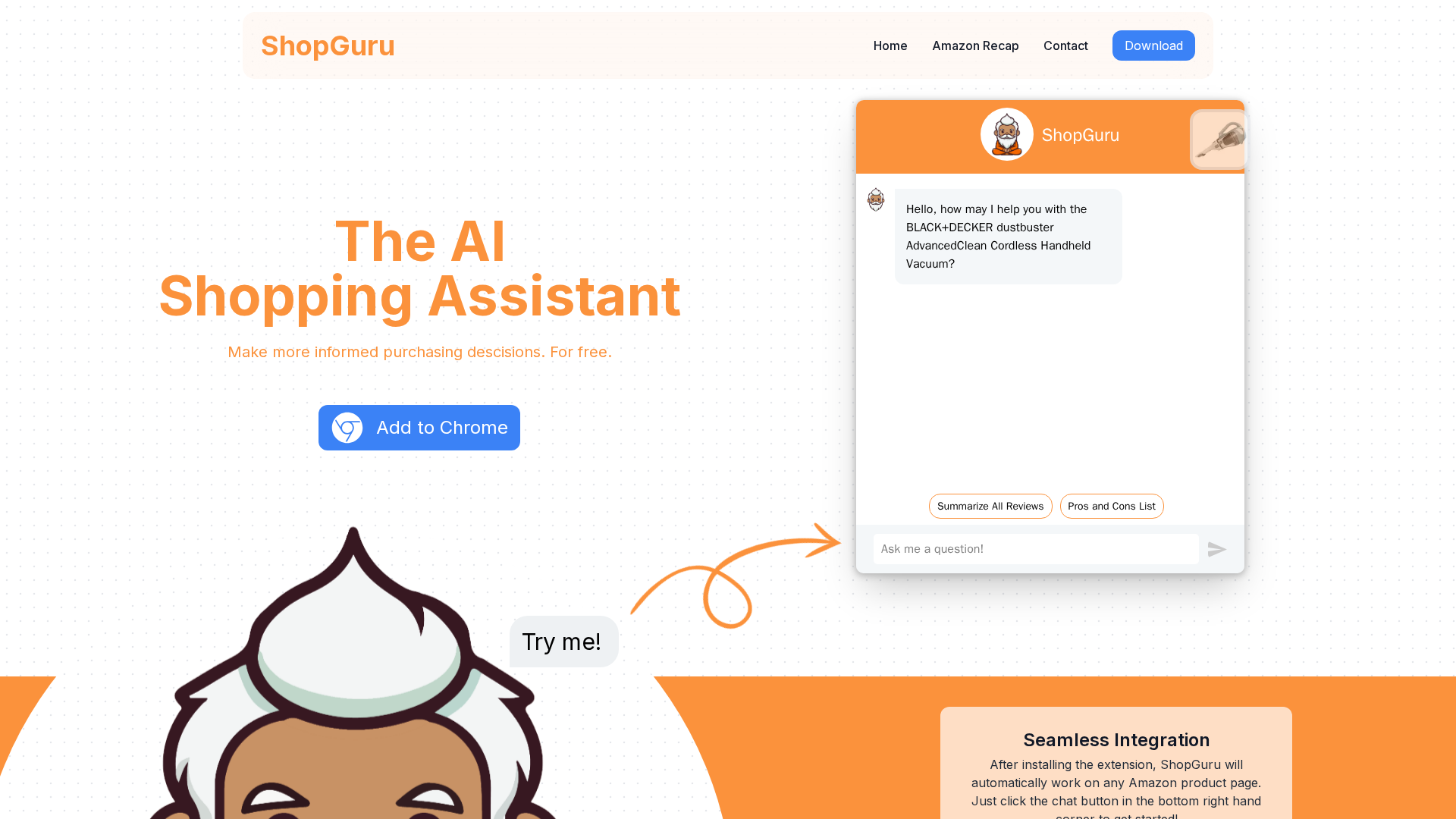
Free browser extension that analyzes Amazon reviews to answer questions with product-specific information.
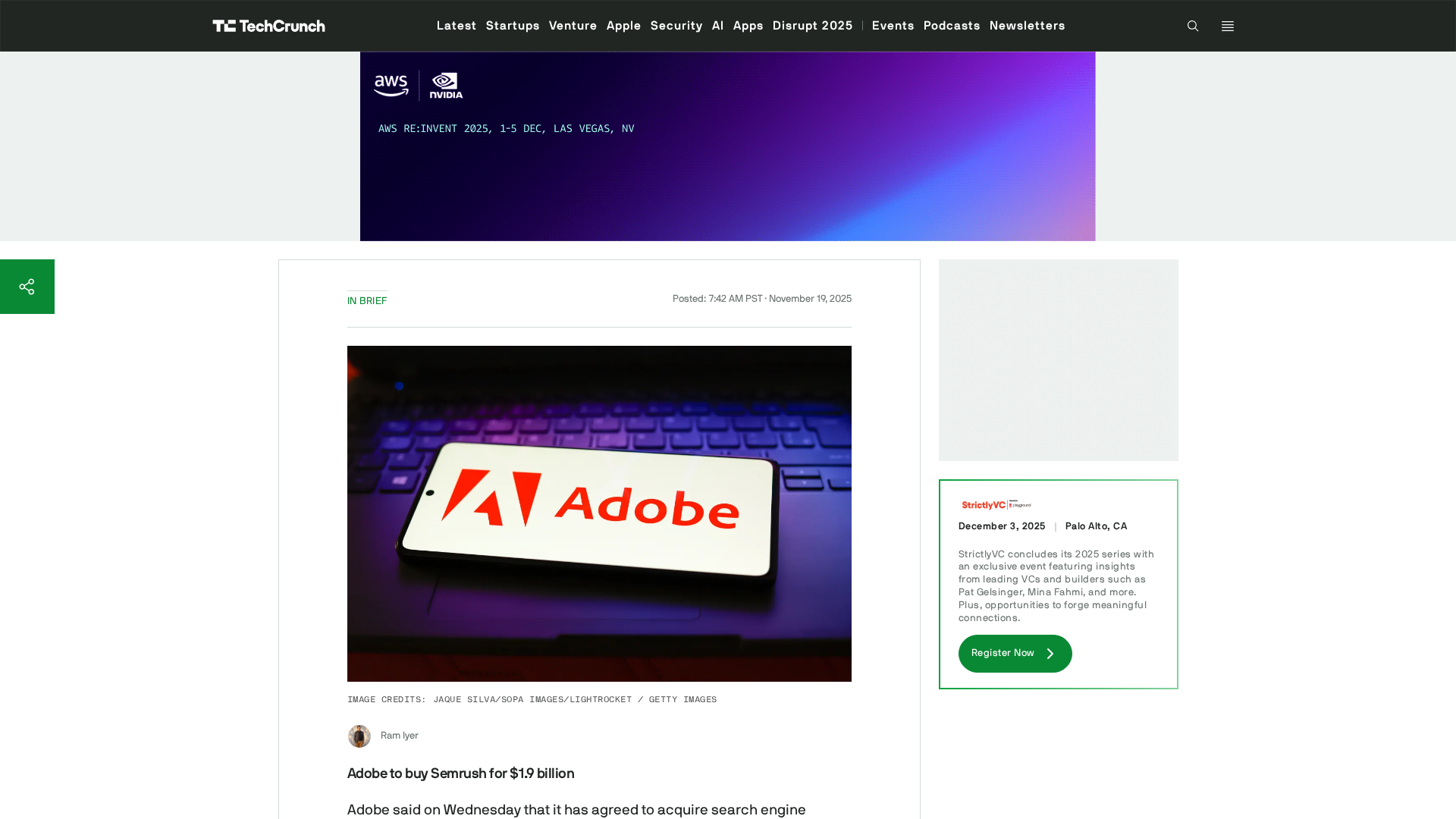
Adobe to buy Semrush for $1.9B to boost AI-driven SEO within its marketing suite.
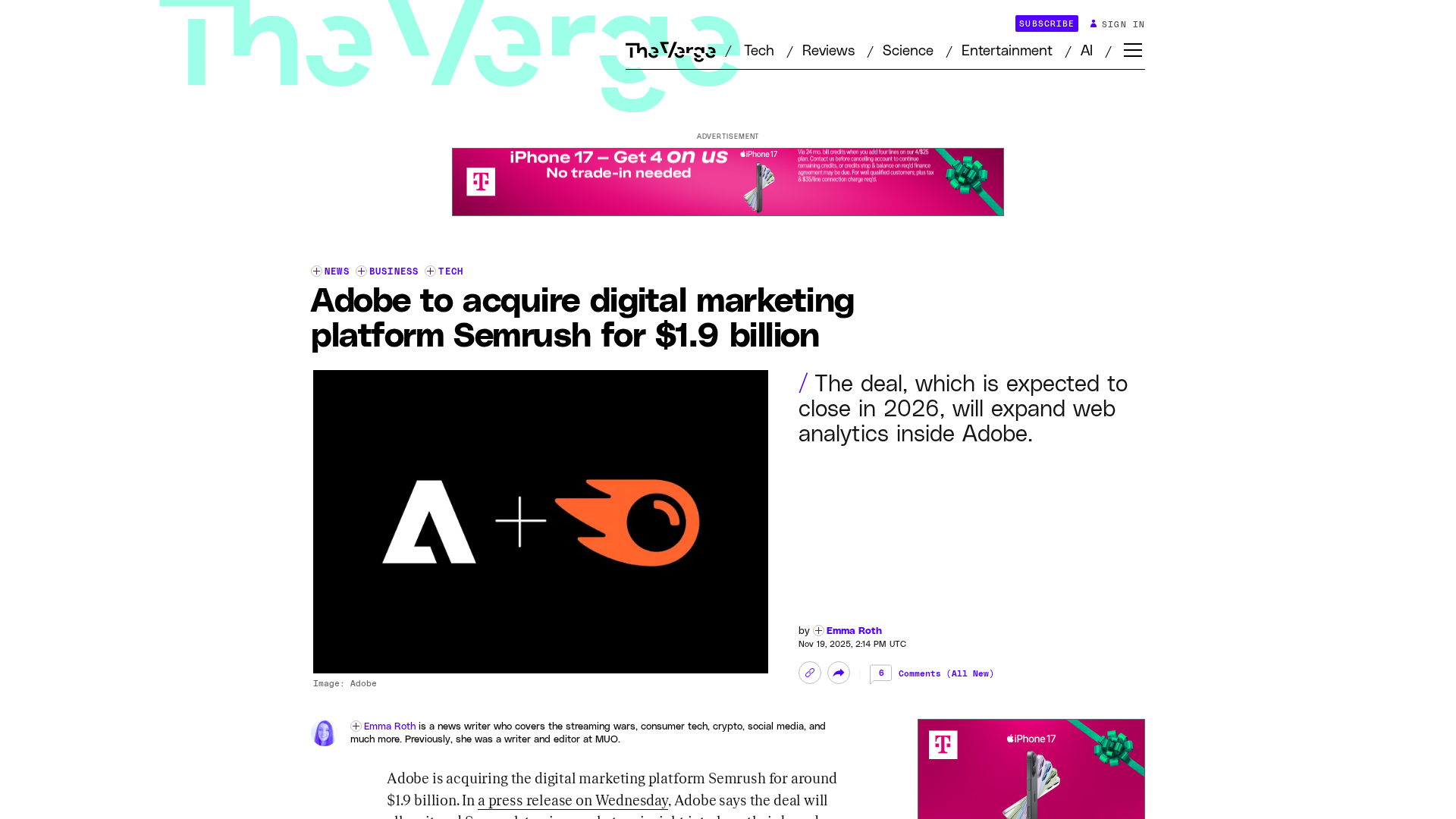
Adobe to acquire Semrush for 1.9B, expanding AI-powered analytics and SEO tools in its marketing platform.

Adobe to acquire Semrush for $1.9B in an all-cash deal, boosting AI-powered marketing tools.

A Cloudflare security block interrupts access to Crunchbase’s Omnisynkai page, showing how protective measures affect data retrieval.