Topic Overview
This topic covers the use of advanced AI systems—from domain-adapted models like OpenAI Rosalind to enterprise ML platforms and observability tools—to support biodefense and biosecurity functions while managing dual‑use risks and regulatory obligations. It focuses on how organizations deploy private, auditable models and orchestrated agents to detect threats, accelerate incident response, and maintain compliance without amplifying misuse. Relevance (2026): proliferating multimodal and agentic AIs, broader access to high‑capacity foundation models, and growing regulatory scrutiny have made operational controls and governance central to biosecurity programs. The tools and approaches described by vendors emphasize: visibility into agentic activity (Xilos), private and efficient foundation models for enterprise use and fine‑tuning (Mistral AI, Cohere), assistant-driven automation and multi‑agent workflows (IBM watsonx Assistant), managed multimodal model access and lifecycle controls (Google Gemini, Vertex AI), and safety‑oriented conversational frameworks (Anthropic’s Claude). Together these capabilities support secure model deployment, provenance tracking, retrieval‑augmented workflows, and audit trails expected by regulators and incident response teams. Key trends and practical considerations include integrating observability and policy enforcement across toolchains, using vetted AI marketplaces and compliance tooling to limit third‑party risk, and pairing domain‑tuned models with stringent access controls and logging. Rather than a single product solution, effective biodefense architectures in 2026 combine private foundation models, orchestration platforms, and monitoring systems to balance operational value with governance, traceability, and regulatory compliance.
Tool Rankings – Top 6
Intelligent Agentic AI Infrastructure

Enterprise-focused provider of open/efficient models and an AI production platform emphasizing privacy, governance, and

Enterprise-focused LLM platform offering private, customizable models, embeddings, retrieval, and search.

Enterprise virtual agents and AI assistants built with watsonx LLMs for no-code and developer-driven automation.

Google’s multimodal family of generative AI models and APIs for developers and enterprises.

Unified, fully-managed Google Cloud platform for building, training, deploying, and monitoring ML and GenAI models.
Latest Articles (74)
A vendor‑agnostic guide to the 14 best AI governance platforms in 2025, with criteria, comparisons, and practical buying guidance.
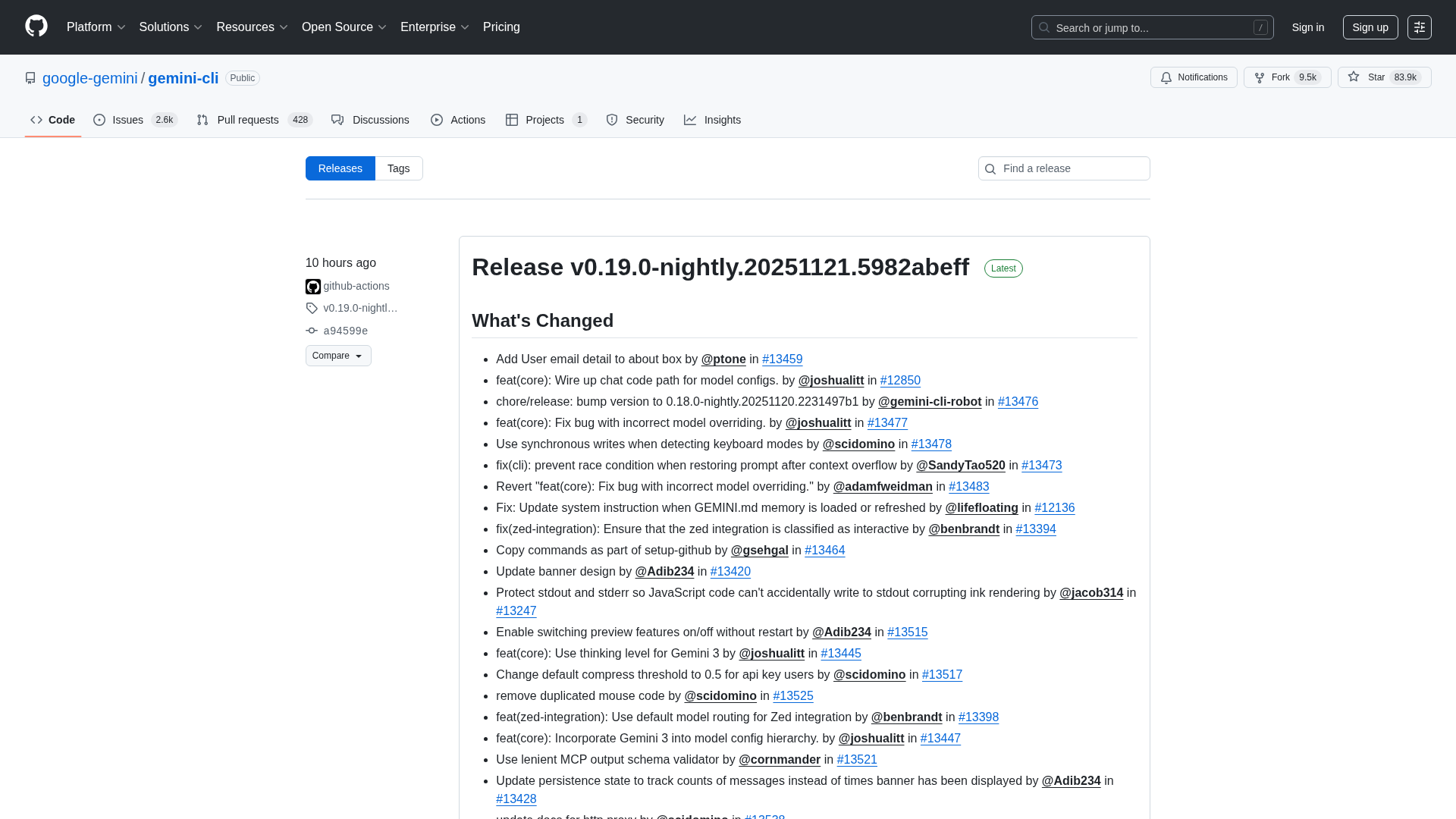
Overview of the Gemini CLI v0.36.0-preview release series, highlighting architectural, CLI, and UI changelogs across multiple pre-release versions.
OpenAI’s bypass moment underscores the need for governance that survives inevitable user bypass and hardens system controls.
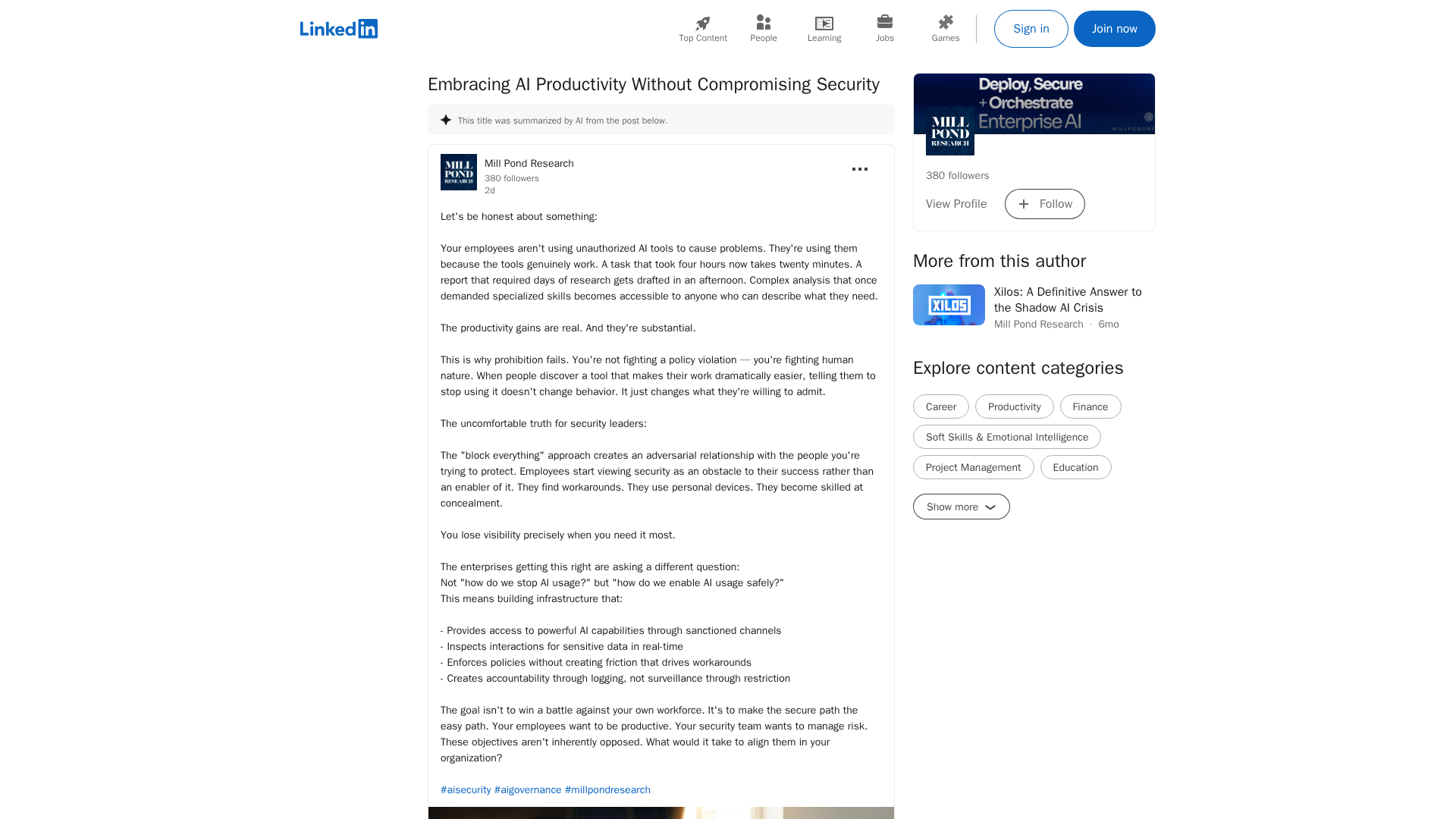
A call to enable safe AI use at work via sanctioned access, real-time data protections, and frictionless governance.
Explores the human role behind AI automation and how Bell Cyber tackles AI hallucinations in security operations.