Topic Overview
This topic surveys the software development kits and real‑time speech toolkits that power modern voice synthesis, transcription and conversational agents—with emphasis on latency, noise robustness, on‑device privacy, and multimodal support. By 2026 these capabilities matter for live voice agents, meeting assistants, conversation intelligence, and content workflows where delays, background noise, and data governance materially affect user experience and compliance. Key approaches contrast cloud production platforms (high‑quality TTS, voice cloning, and hosted transcription) with on‑device/offline toolkits that prioritize privacy and determinism. Examples include production‑grade audio stacks offering expressive TTS, high‑fidelity voice cloning, and speech‑to‑text plus voice isolation; open‑source end‑to‑end voice‑language models focused on ultra‑low latency full‑duplex interactions (~195 ms reported); on‑device transcription and prompt generation for privacy‑sensitive workflows; and low‑latency multilingual TTS with emotion control. Practical tradeoffs are consistent: lower latency and real‑time duplex often require architectural changes (edge inference, optimized codecs, streaming APIs), while noise robustness relies on frontend enhancement and model training on diverse acoustics. For integrators—contact centers, field service providers, meeting assistant vendors and content producers—selection criteria now center on measurable latency, robust noise suppression, integration with multimodal pipelines (text, audio, speaker identity, and metadata), and deployment model (cloud vs on‑device). The landscape in 2026 emphasizes interoperable SDKs, configurable privacy boundaries, and modular components that let teams balance audio quality, responsiveness, and compliance for live and near‑live voice applications.
Tool Rankings – Top 5
Industry-leading AI audio platform for ultra-realistic text-to-speech, voice cloning, transcription, and voice agents.
AI Voice Assistant for Service Providers
A push-to-talk tool that transforms your audio into text

Open-source AI for real-time, expressive voice role-play
Hyper-realistic AI voiceovers
Latest Articles (29)
Bocca is an offline, on-device AI transcription and content tool that speeds prompts, transcripts, and multilingual tasks without internet access.
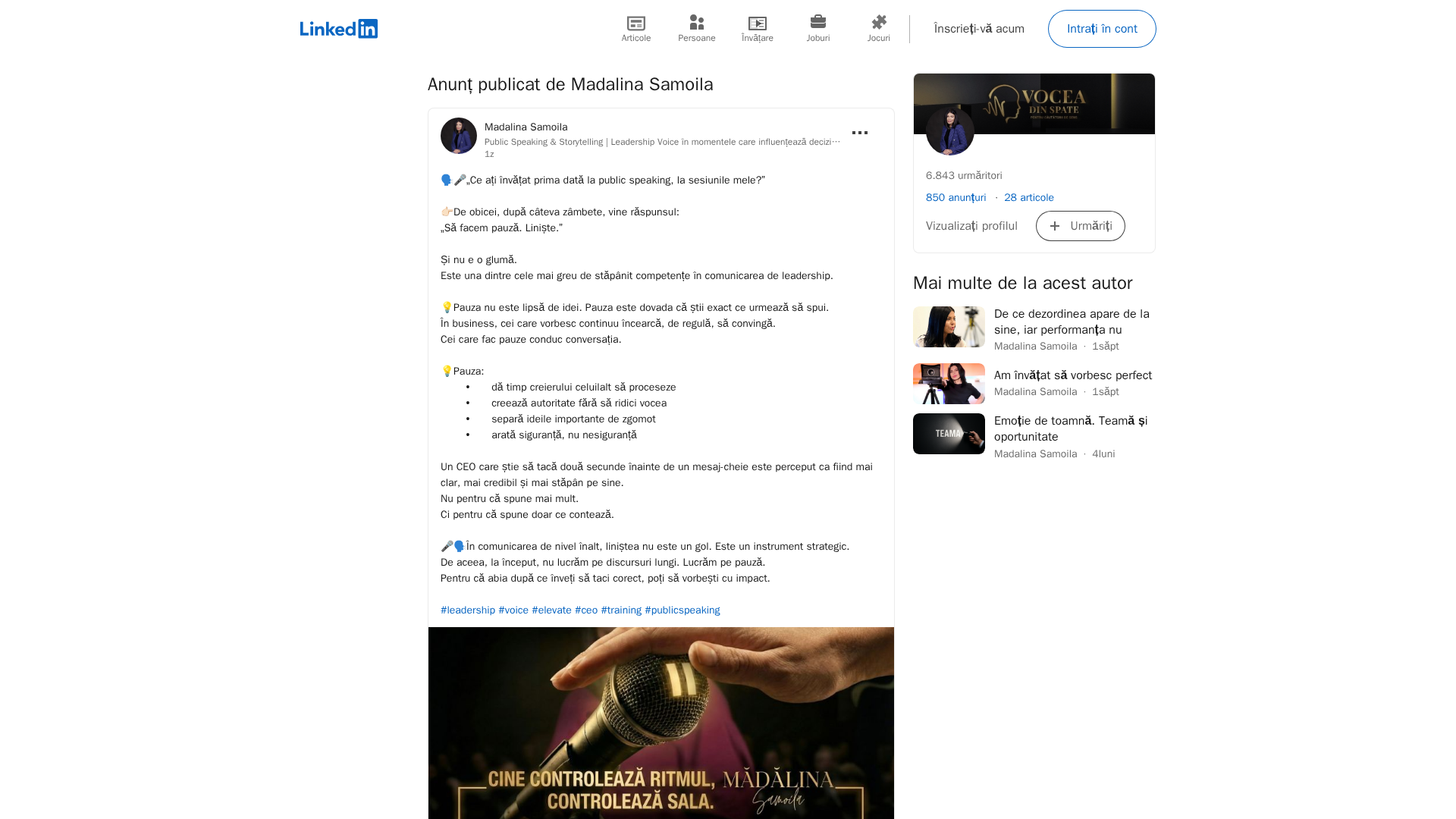
În leadership, pauza este instrumentul strategic care crește claritatea și încrederea în mesaj.
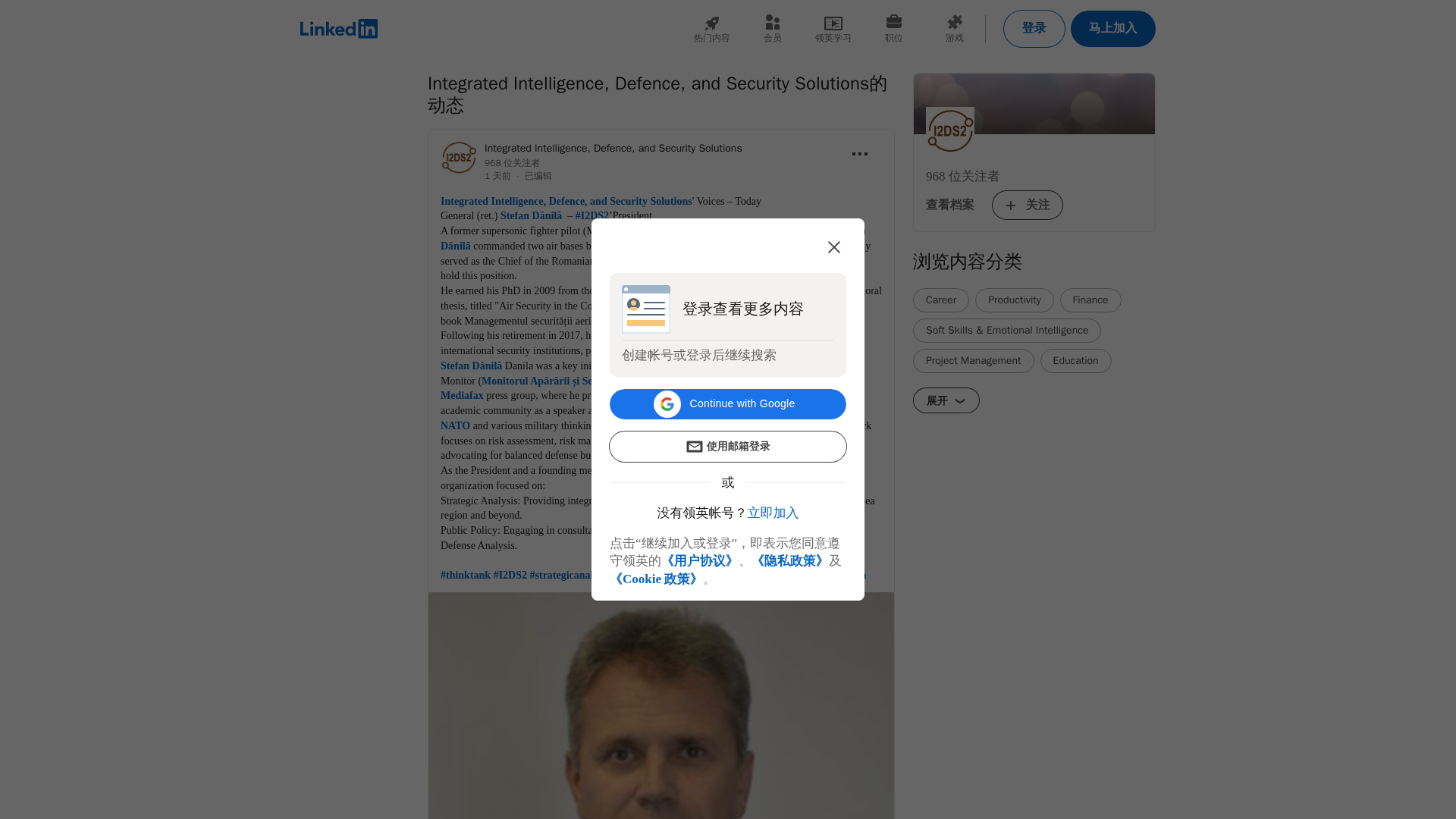
Profile of General (ret.) Stefan Dănilă, founder of I2DS2, and the thinktank’s mission to shape integrated security for the Black Sea.
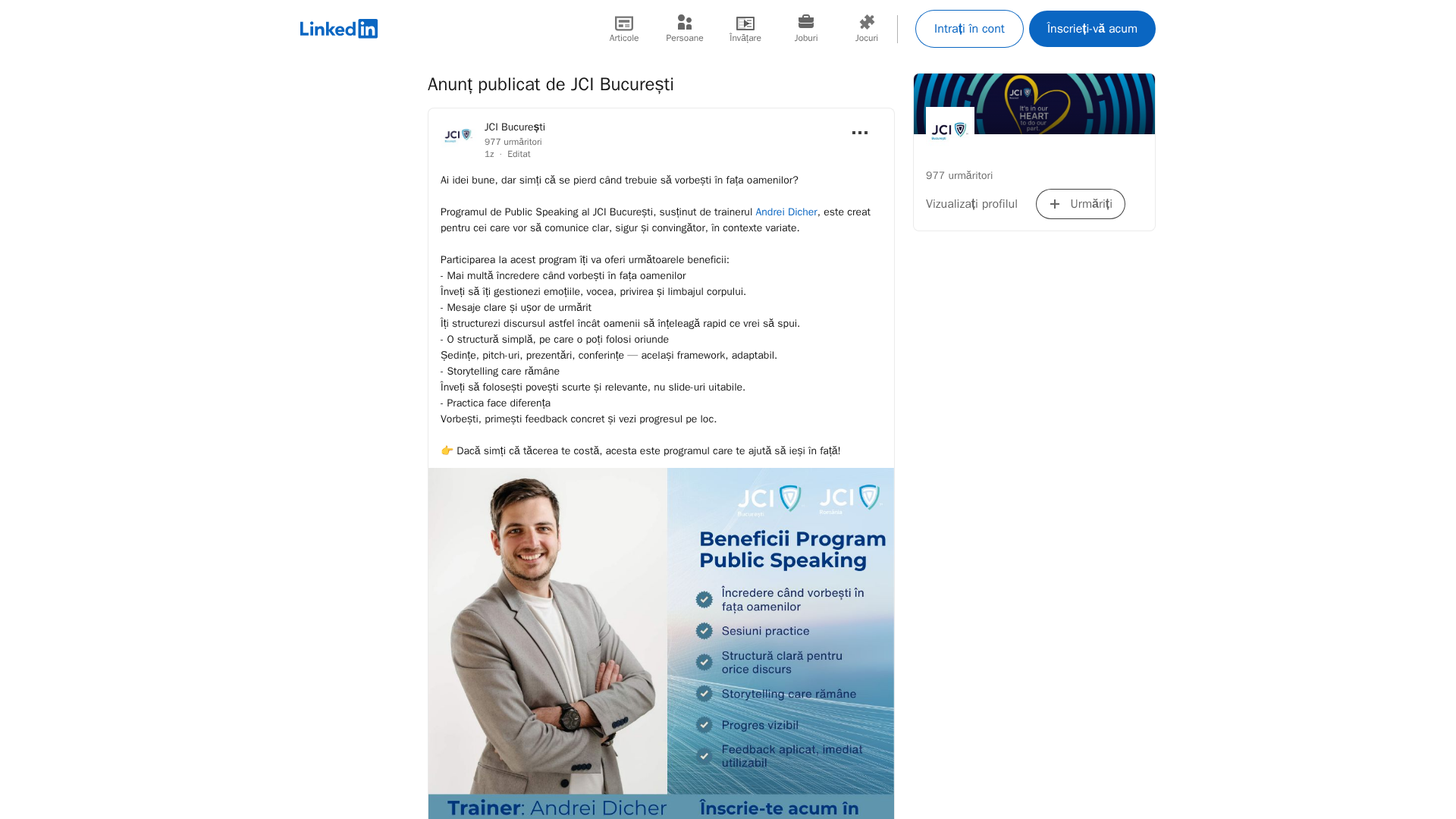
Programul JCI București cu Andrei Dicher promite încredere, mesaje clare și storytelling prin practică și feedback direct.
Trei provocări comune pentru HRBP la început de drum și soluțiile pentru a-ți mări impactul în companii tech.