Topic Overview
AI‑Powered Search & Recommendation Platforms cover the technologies and vendors that turn raw data and user signals into contextualized, personalized search results and ranked recommendations. As of 2026, enterprise teams are shifting from keyword lists to vector-based retrieval, multimodal models, and conversational interfaces that blend retrieval‑augmented generation (RAG), real‑time web grounding, and recommender systems to improve relevance and explainability. Key capabilities include embedding and vector search for semantic matching, LLMs and multimodal models for natural language understanding and answer generation, real‑time grounding and citation for provenance, and policy/monitoring tools for safety and compliance. Representative platforms: Perplexity AI (web‑grounded answers and developer APIs), Google Vertex AI (managed model training, deployment and Model Garden), Google Gemini (multimodal generative models), Cohere (private/customizable LLMs, embeddings and retrieval), Anthropic’s Claude family (conversational assistants), Microsoft 365 Copilot and IBM watsonx Assistant (application‑integrated assistants/agents), GPTGO (free hybrid search/answer interface), and StackAI (no‑code/low‑code agent and orchestration platform). Why this matters now: commercial providers have matured core building blocks—scalable vector stores, hosted LLMs, and operational tooling—making pilots feasible at product scale. Organizations face practical tradeoffs: accuracy vs. latency, cloud vs. private deployment for data governance, and the need for provenance and human‑in‑the‑loop evaluation. Consumer marketplaces and enterprise apps (for example, recent pilots from major platforms) are testing search and recommendation AI to improve discovery and conversion, which increases demand for robust enterprise search stacks. For procurement and architecture, prioritize solutions that combine reliable retrieval, model customization, measurable provenance, and governance to reduce risk while improving relevance and personalization.
Tool Rankings – Top 6
AI-powered answer engine delivering real-time, sourced answers and developer APIs.

Unified, fully-managed Google Cloud platform for building, training, deploying, and monitoring ML and GenAI models.

Google’s multimodal family of generative AI models and APIs for developers and enterprises.

Enterprise-focused LLM platform offering private, customizable models, embeddings, retrieval, and search.
Anthropic's Claude family: conversational and developer AI assistants for research, writing, code, and analysis.
AI assistant integrated across Microsoft 365 apps to boost productivity, creativity, and data insights.
Latest Articles (94)
A vendor‑agnostic guide to the 14 best AI governance platforms in 2025, with criteria, comparisons, and practical buying guidance.
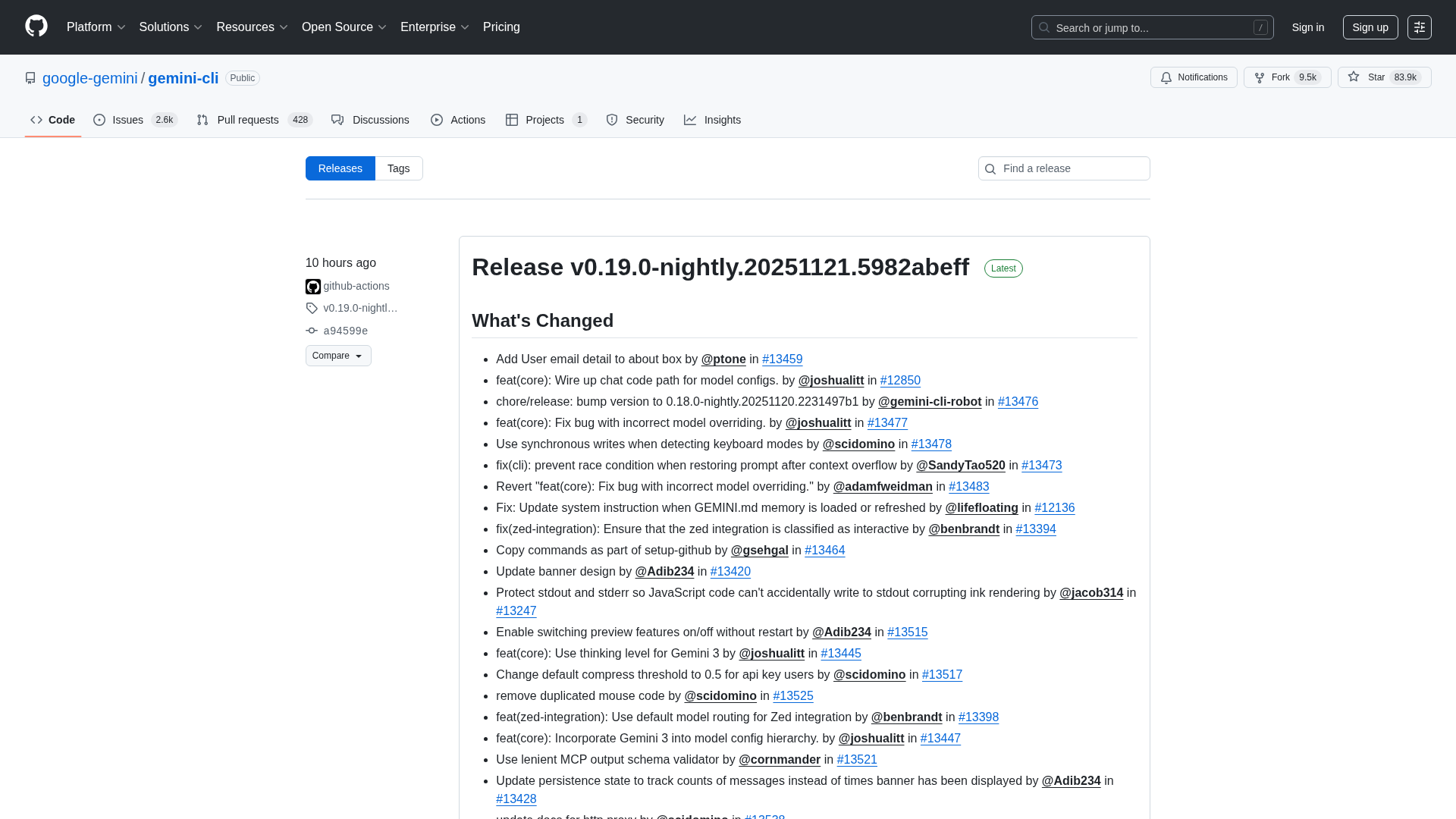
Overview of the Gemini CLI v0.36.0-preview release series, highlighting architectural, CLI, and UI changelogs across multiple pre-release versions.
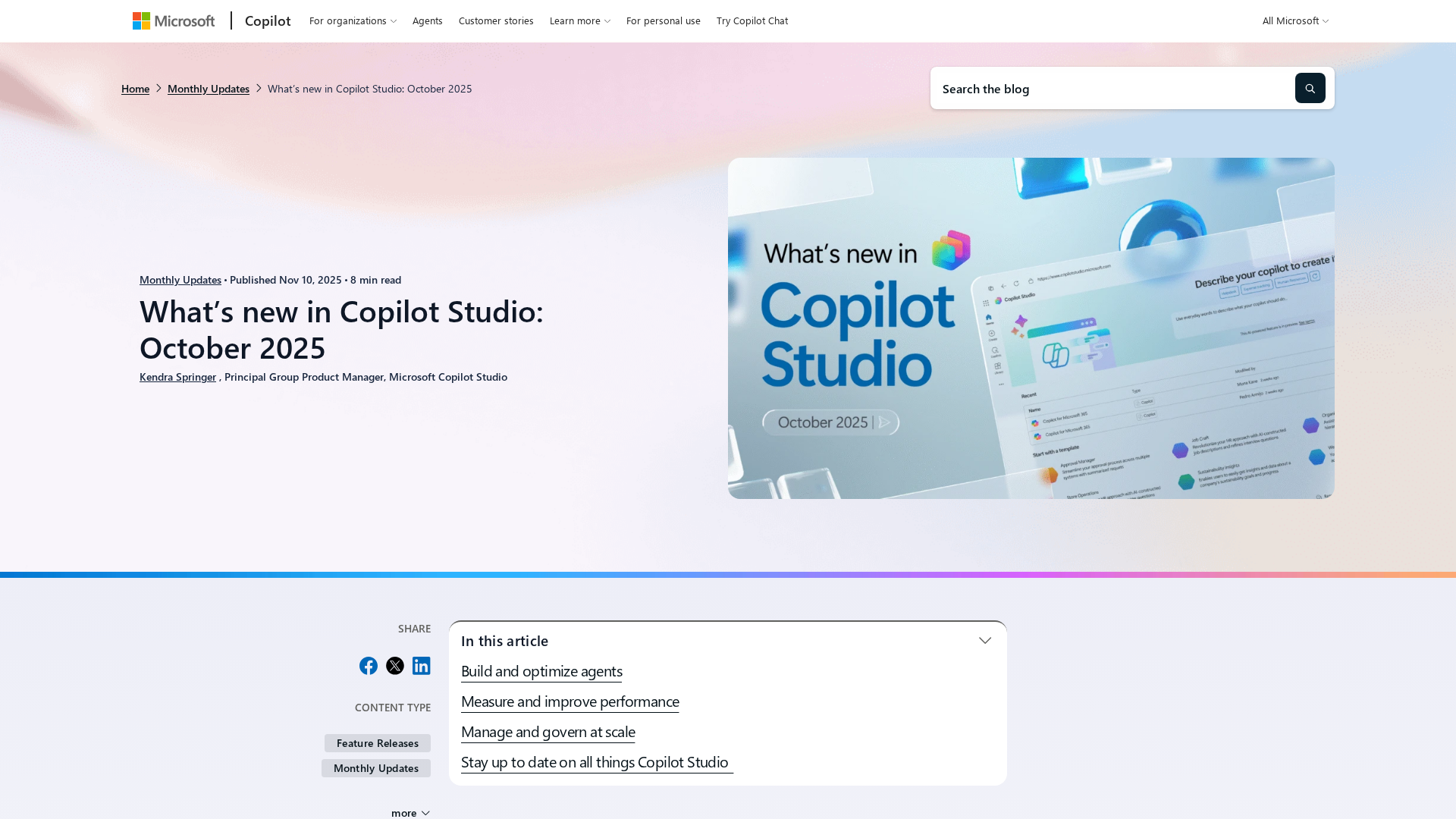
A comprehensive October 2025 roundup of Copilot Studio’s new testing, model, and governance features.

Adobe nears a $19 billion deal to acquire Semrush, expanding its marketing software capabilities, according to WSJ reports.
Wolters Kluwer expands UpToDate Expert AI with UpToDate Lexidrug to bolster drug information and medication decision support.