Topic Overview
This topic covers AI-driven UI design and low‑/no‑code platforms used to build enterprise applications that are accessible, testable, and centred on real human needs. By 2026, teams combine generative visual tools, collaborative design systems, and low‑code workflow builders to speed delivery while meeting accessibility requirements and auditability expectations. Key tool types and examples include: AI UI design tools (Figma for real‑time collaborative design and prototyping; Adobe Firefly for generative images and media integrated into Creative Cloud; Magify and Canva Magic Design for rapid, prompt‑driven mockups that export editable artifacts), image and content utilities (Clipdrop for background removal, upscaling and API integration; Photopea for browser‑based, local editor workflows that reduce data exposure), and the broader no‑code/low‑code platforms that embed those assets into enterprise workflows and automation. Relevance and trends: enterprises now require demonstrable WCAG compliance, versioned design artifacts, and human‑in‑the‑loop review of AI outputs. Generative tools accelerate iteration but shift responsibility to design and product teams to ensure semantic markup, accessible contrast, alt text, keyboard navigation, captions and clear interaction models. Privacy and provenance are also central—tools that support local editing, exportable design systems, and audit logs are preferred for regulated environments. How to evaluate: prioritize platforms that integrate into existing design systems (Figma/Creative Cloud), allow editable exports, provide accessibility checks or plugins, and support enterprise governance (access controls, exportable artifacts, and API hooks for automation). The strongest solutions balance AI productivity with processes and controls that keep design choices human‑centred and auditable.
Tool Rankings – Top 6
A generative-AI suite by Adobe for creators producing images, vectors, text effects, audio and video, integrated with CC

A collaborative, web-first design platform for teams to design, prototype, and ship products.
AI-powered UI/UX design platform that generates designs from text prompts and exports editable results to Figma.
Canva’s AI-powered design generator that creates editable, on-brand designs from prompts and uploaded media.
A multi-tool AI image studio for background edits, upscaling, uncropping, and API integration.

Free, browser-based photo and graphics editor that runs in your browser; files stay local by default.
Latest Articles (28)
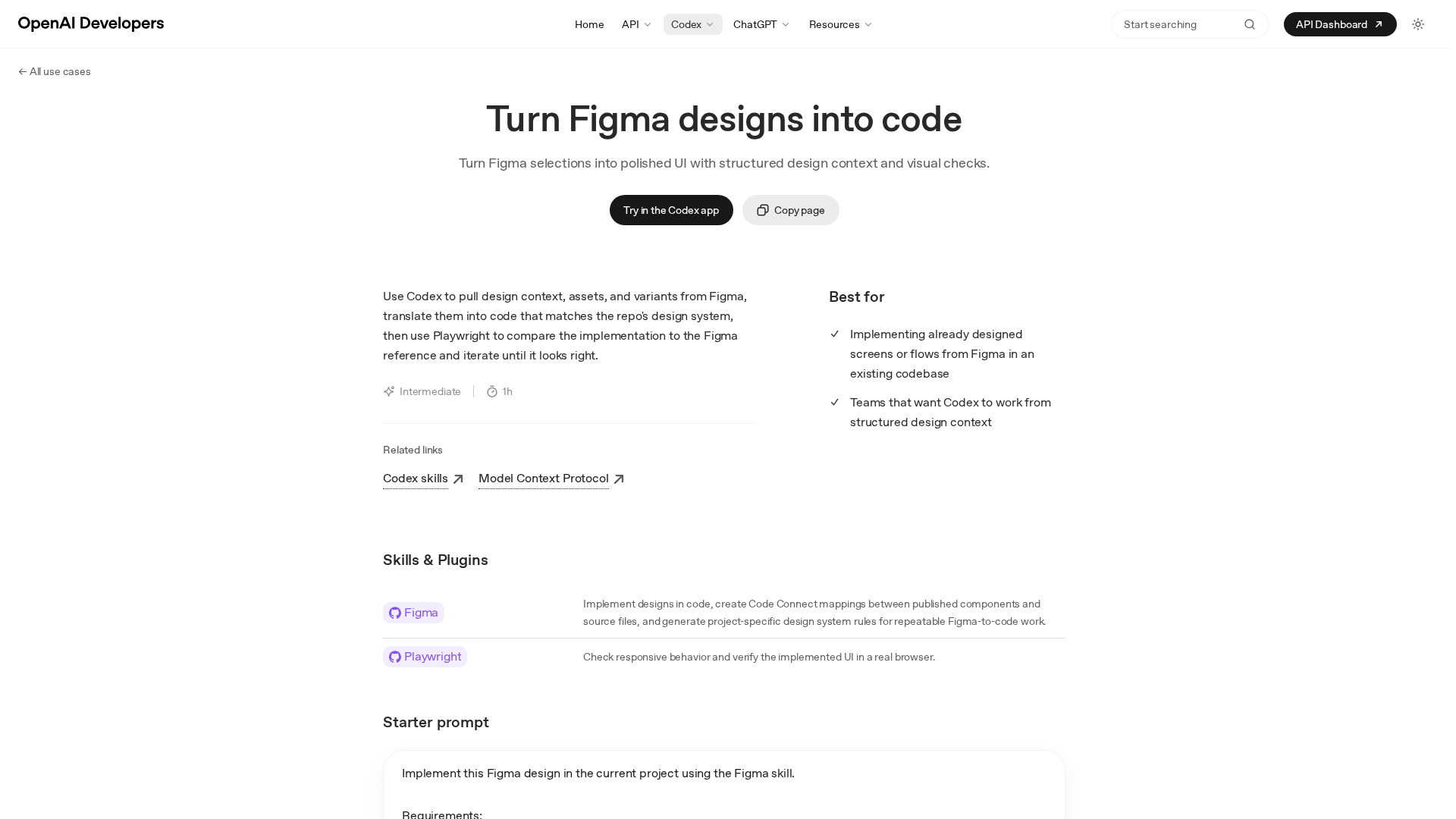
Turn precise Figma designs into production-ready UI by Codex, with design-context, assets, and automated visual checks.
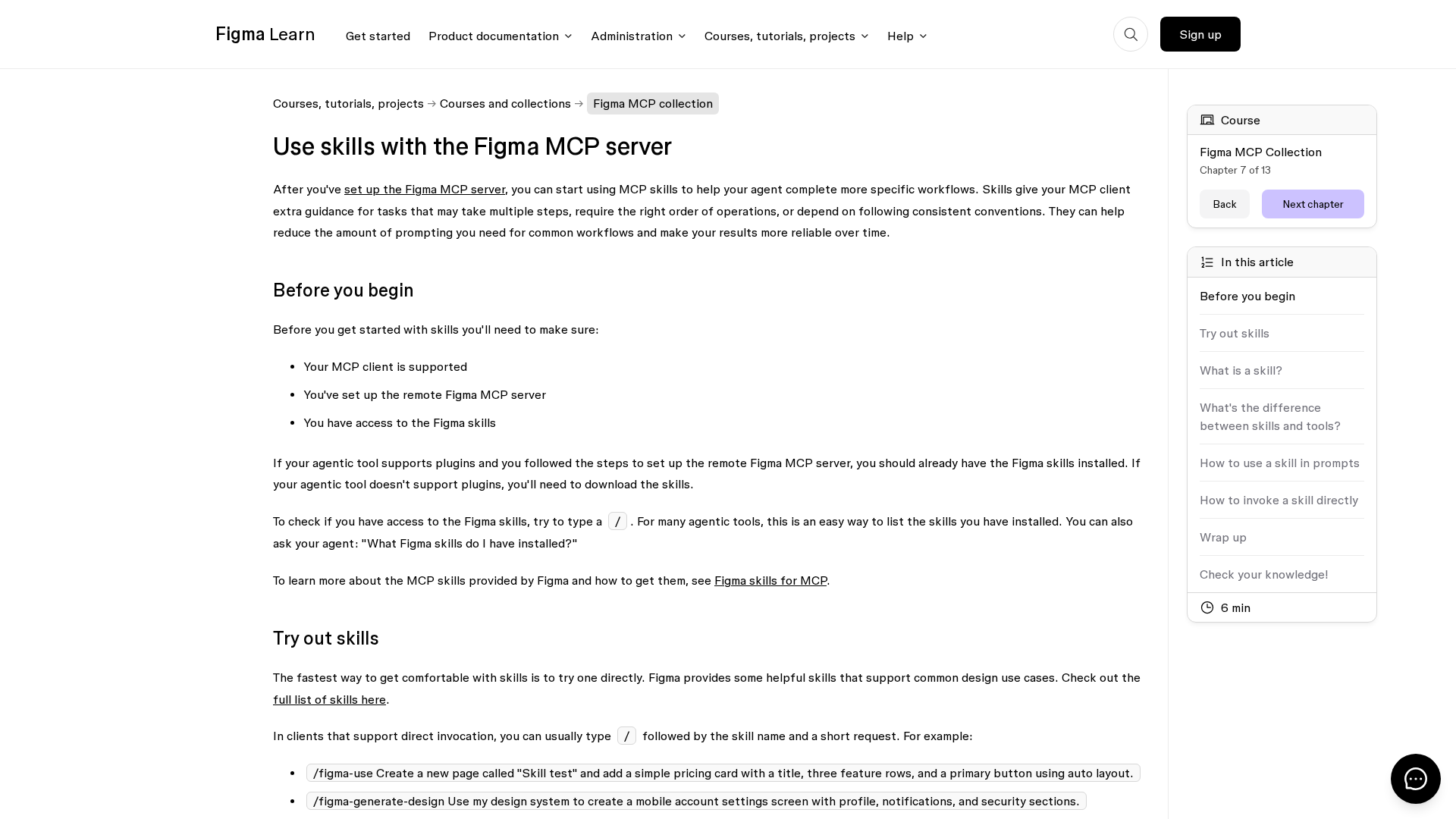
Learn how Figma MCP skills guide your agent through multi-step design workflows with the MCP server.
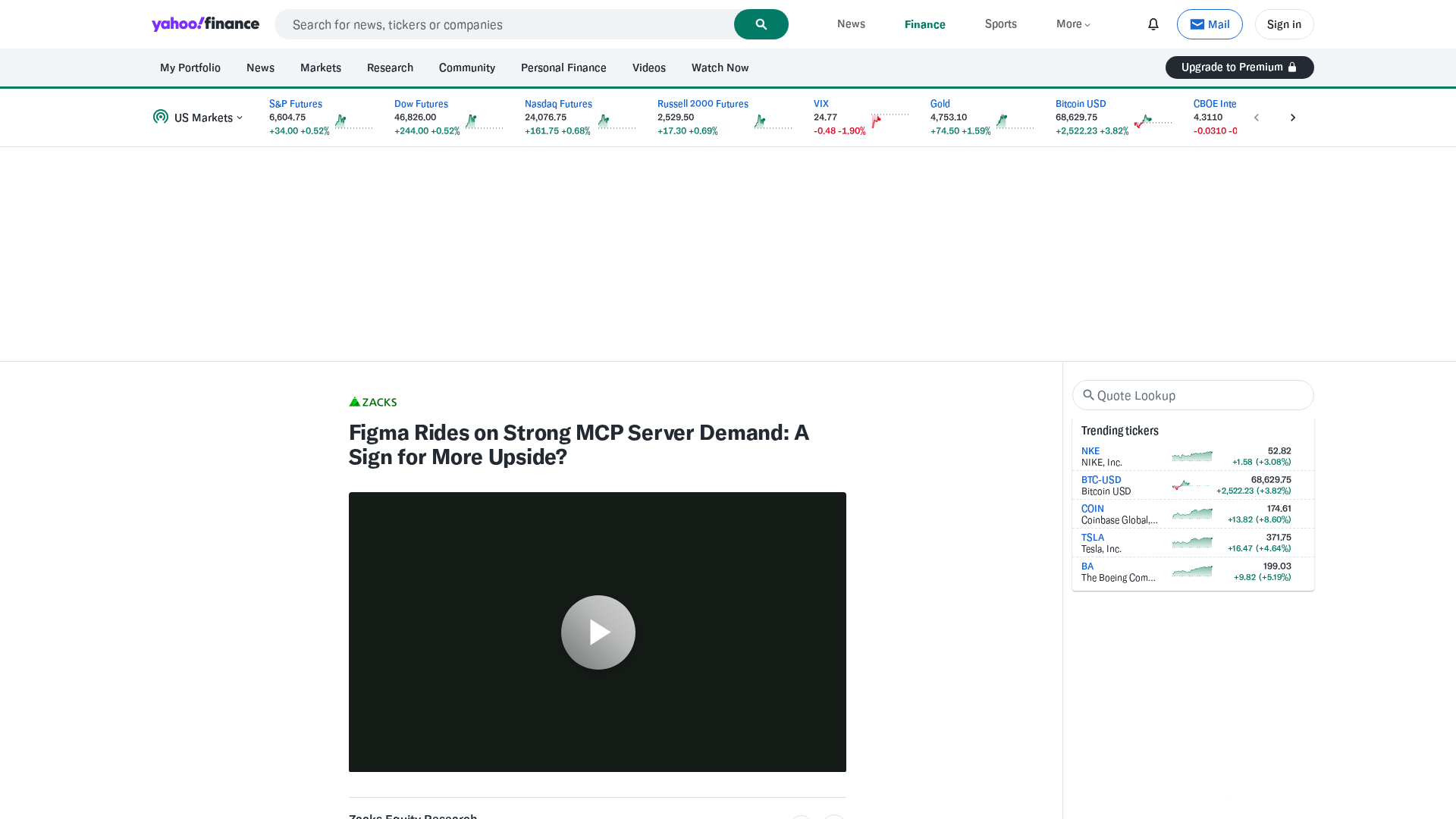
Figma rides MCP server demand and AI partnerships toward upside amid competition.
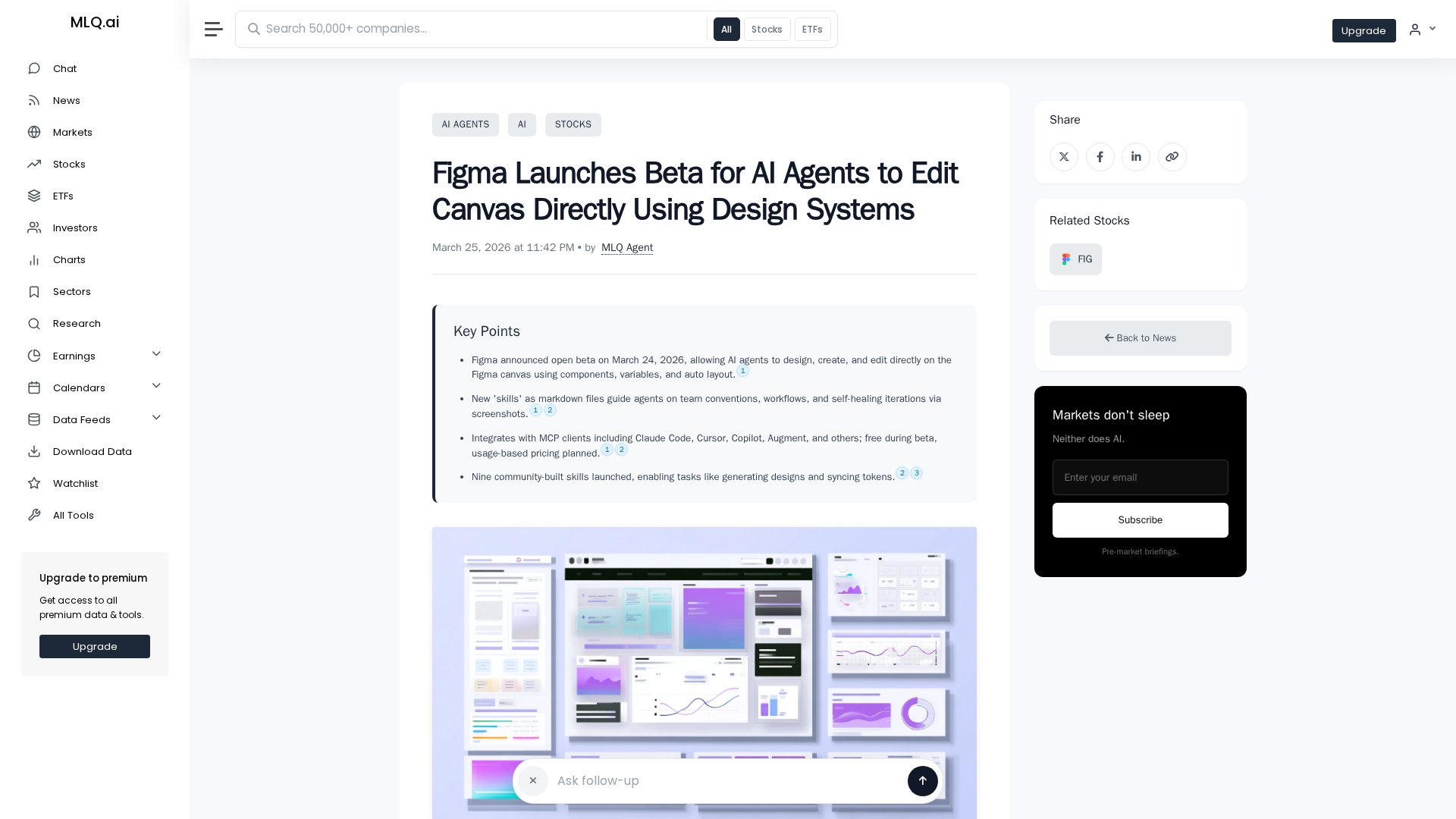
Figma opens an open beta letting AI agents design and edit on the canvas using design system components.
Access to the article content is blocked by a protection page, preventing full analysis.