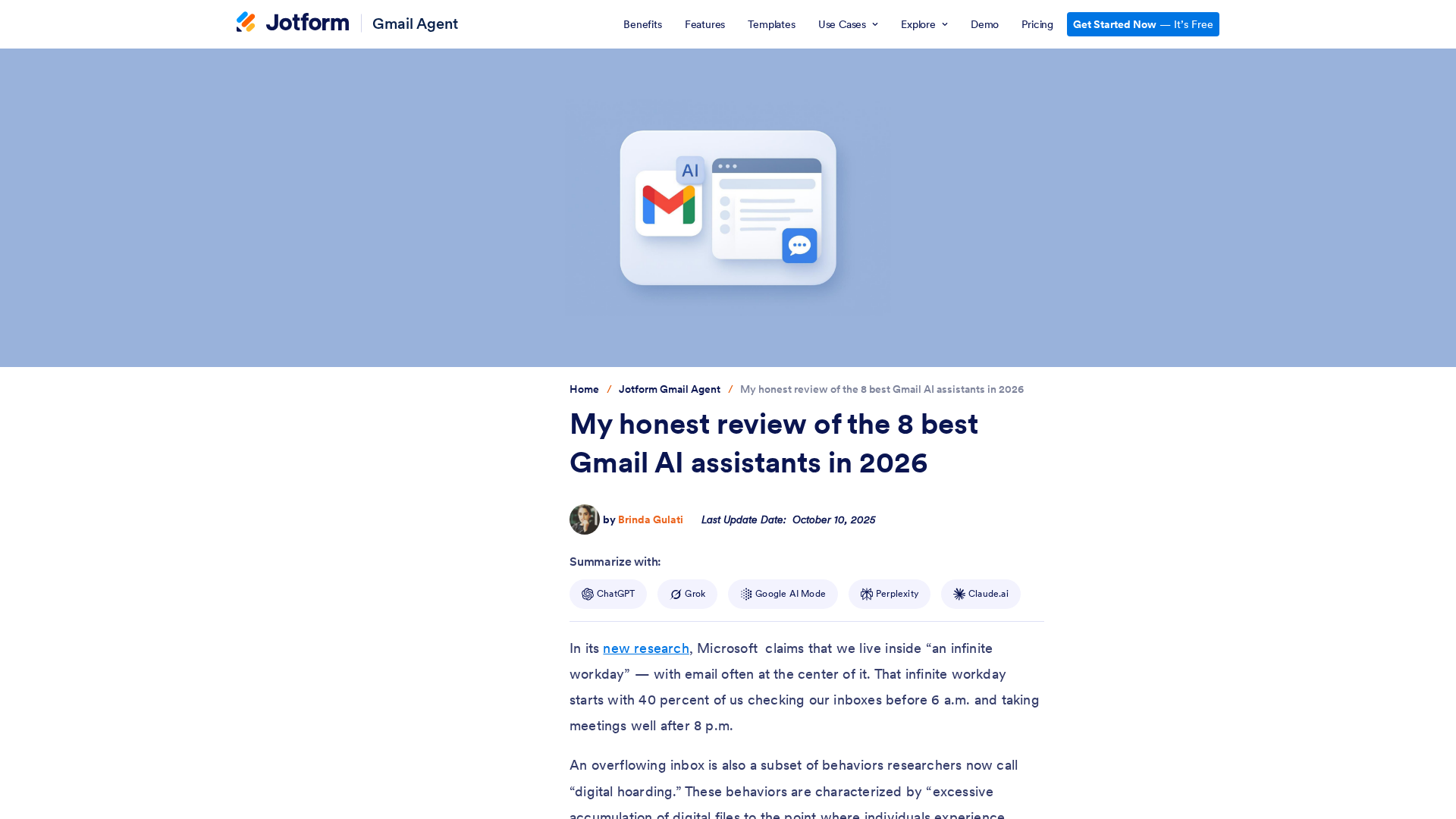
Topic Overview
This topic examines AI email writing assistants—focusing on Gmail’s Gemini 3 offering versus market alternatives—and how organizations and individuals choose tools for drafting, personalizing, and automating email. As of 2026-01-10, demands for higher-quality, context-aware email composition, scalable brand governance, and stronger data controls make selection critical. Modern email assistants blend large multimodal models, retrieval-augmented generation, templates, and workflow integrations to reduce drafting time, improve tone consistency, and surface relevant context from documents and CRM systems. Key options include Google Gemini (multimodal LLMs and APIs integrated into Gmail and Google Cloud); Anthropic’s Claude family (conversational, safety-focused assistants for writing and analysis); Jasper (marketing-focused content automation and brand governance); Rytr (fast, template-driven short-form email drafting); QuillBot (paraphrasing, grammar and summarization tools); IBM watsonx Assistant (enterprise virtual agents and no-code automations); Cohere (private, customizable models and embeddings for secure deployments); Frase (SEO and content optimization with generative engine considerations); Notion (AI-enabled workspace for docs and templates); and Perplexity AI (web-grounded answers and citations useful for research-backed messages). Evaluations should weigh writing quality, contextual grounding, privacy and compliance, integration with Gmail/CRMs, brand voice controls, cost, and developer extensibility. For teams, enterprise-focused platforms (watsonx, Cohere, Gemini via Vertex AI) offer governance and private models; for individual productivity, lightweight tools (Rytr, QuillBot, Jasper) and workspace integrations (Notion, Perplexity) speed routine workflows. This comparison aims to clarify trade-offs so readers can match solution capabilities to security, scale, and communication-quality needs.
Tool Rankings – Top 6

Google’s multimodal family of generative AI models and APIs for developers and enterprises.
Anthropic's Claude family: conversational and developer AI assistants for research, writing, code, and analysis.

AI content-automation platform for marketing teams to produce on‑brand content at scale.

Rytr — AI writing assistant for short-form (and some long-form) content with templates, tones, Chrome extension, and an
AI-powered writing assistant for paraphrasing, grammar, citations, summarization, AI detection, and audio/image tools.

Enterprise virtual agents and AI assistants built with watsonx LLMs for no-code and developer-driven automation.
Latest Articles (81)
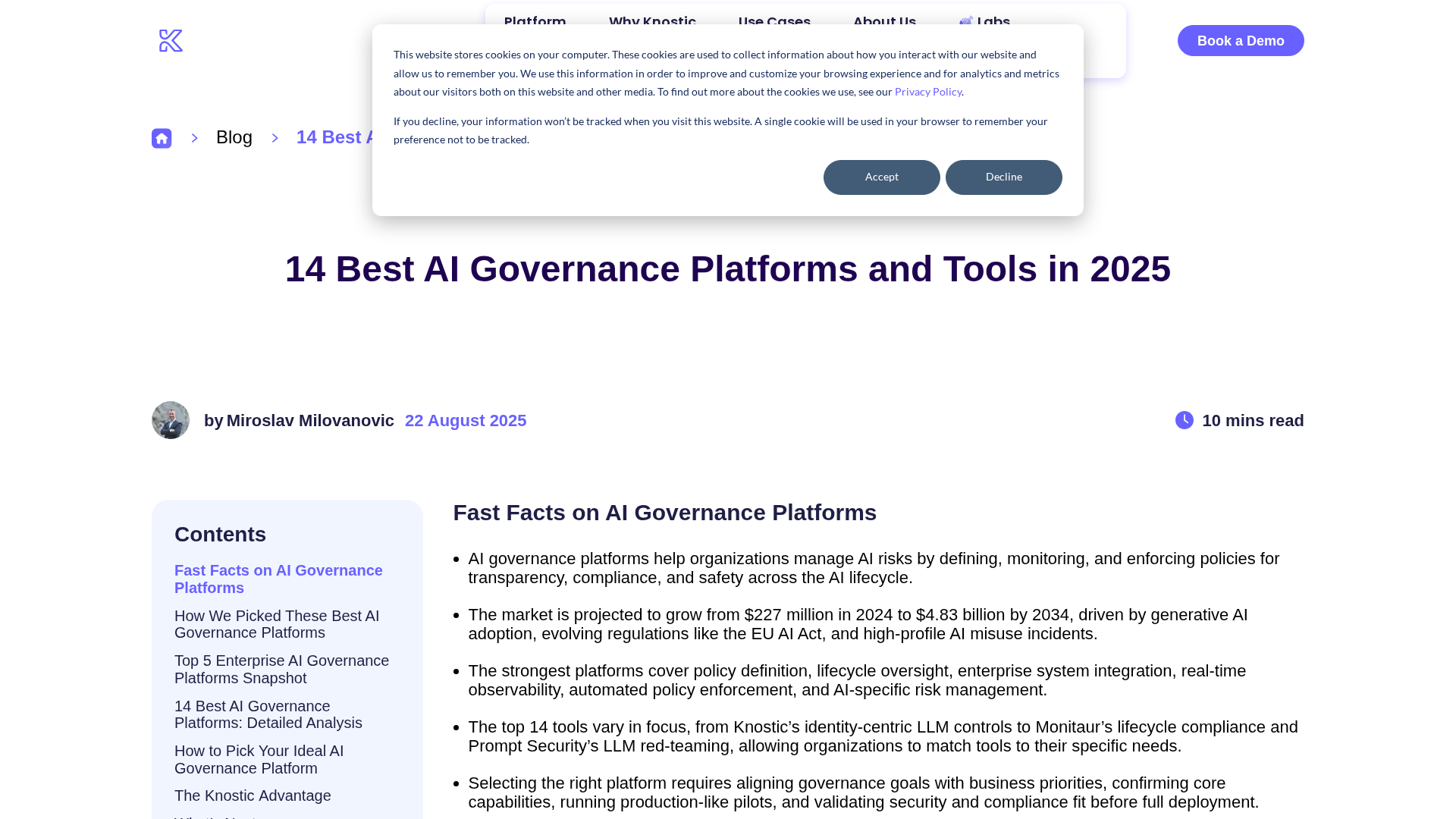
A vendor‑agnostic guide to the 14 best AI governance platforms in 2025, with criteria, comparisons, and practical buying guidance.
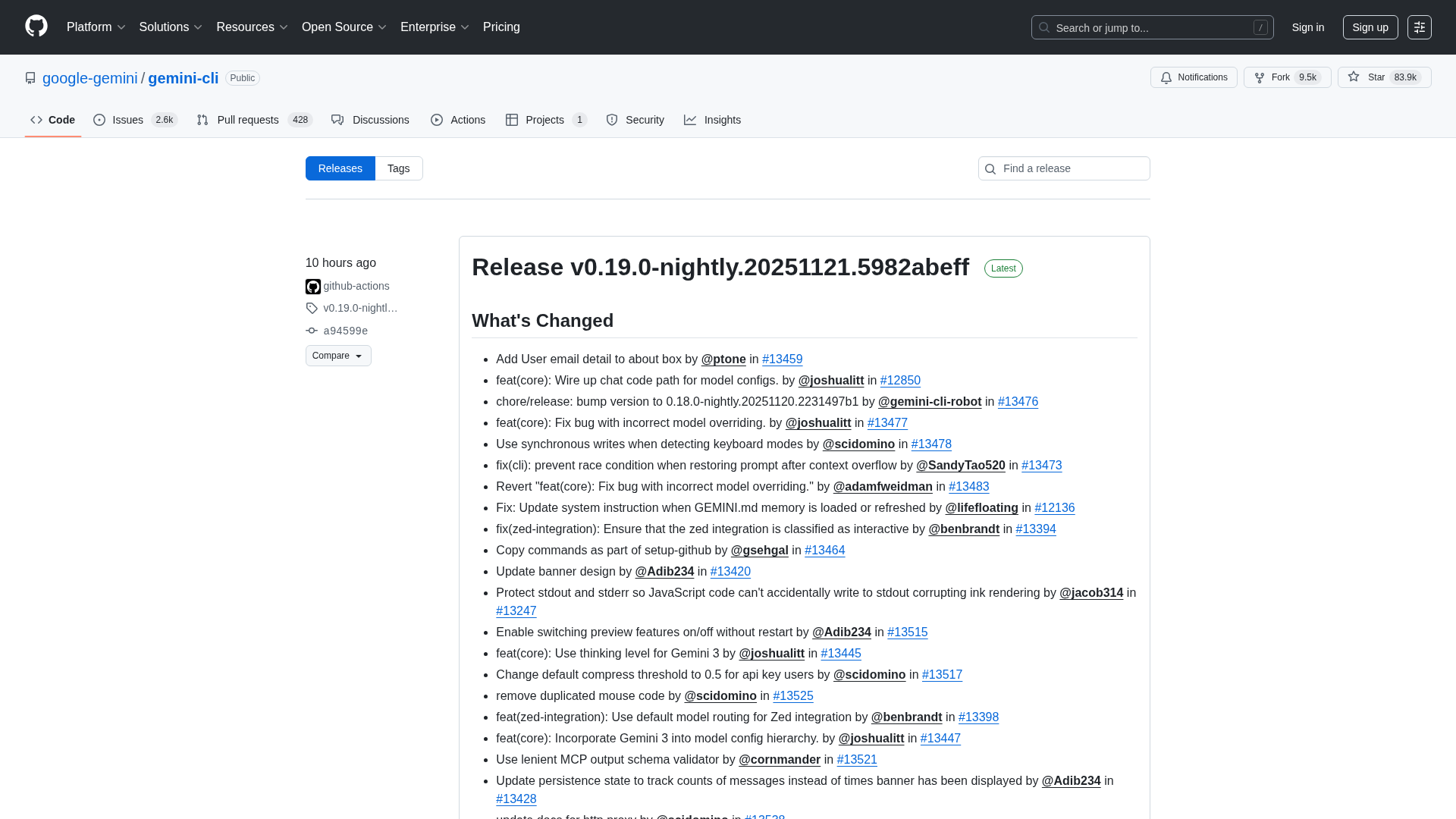
Overview of the Gemini CLI v0.36.0-preview release series, highlighting architectural, CLI, and UI changelogs across multiple pre-release versions.
Adobe nears a $19 billion deal to acquire Semrush, expanding its marketing software capabilities, according to WSJ reports.
Wolters Kluwer expands UpToDate Expert AI with UpToDate Lexidrug to bolster drug information and medication decision support.
A practical, step-by-step guide to fine-tuning large language models with open-source NLP tools.