Topic Overview
This topic examines enterprise-grade generative AI platforms — including OpenAI, Anthropic (Claude/Opus), Google Gemini, Microsoft, AWS, and specialist vendors — through the lens of automation, security/governance, and regulatory compliance. As of 2025-12-17, organizations are moving from experimental pilots to production use, driving demand for private models, data controls, audit trails, and integrated assistants that operate inside business apps. The landscape blends large cloud providers and focused vendors. Microsoft 365 Copilot embeds generative assistance across productivity apps for document, mail and meeting workflows; Anthropic’s Claude family provides conversational and developer-focused assistants; IBM watsonx Assistant targets enterprise virtual agents with both no-code and developer options; Cohere emphasizes private, customizable models, embeddings and retrieval for secure search and generation. Customer-platform and domain specialists — HubSpot Breeze for CRM workflows, Anakin.ai for no-code automation apps, and Harvey for legal/professional-services workflows — illustrate how verticalized assistants coexist with cloud model providers. Key evaluation criteria reflect current priorities: data residency and access controls, model customization and fine-tuning, retrieval-augmented generation (RAG) and vector search, observability and monitoring, incident response and compliance reporting, and seamless integration into existing automation stacks. Emerging best practices favor multi-model strategies, clearly defined governance tooling, and vendor capabilities for auditability and regulatory controls. Enterprises should weigh interoperability, deployment options (managed cloud, private endpoints, on-premises), and the maturity of governance and compliance features when selecting platforms. This comparative view helps teams match platform strengths — productivity integration, domain specialization, private LLMs, or no-code automation — to security and regulatory requirements.
Tool Rankings – Top 6
AI assistant integrated across Microsoft 365 apps to boost productivity, creativity, and data insights.
Anthropic's Claude family: conversational and developer AI assistants for research, writing, code, and analysis.

Enterprise virtual agents and AI assistants built with watsonx LLMs for no-code and developer-driven automation.

Enterprise-focused LLM platform offering private, customizable models, embeddings, retrieval, and search.
Breeze — HubSpot’s unified, context-aware AI suite embedded across its Customer Platform.
A no-code AI platform with 1000+ built-in AI apps for content generation, document search, automation, batch processing,
Latest Articles (72)
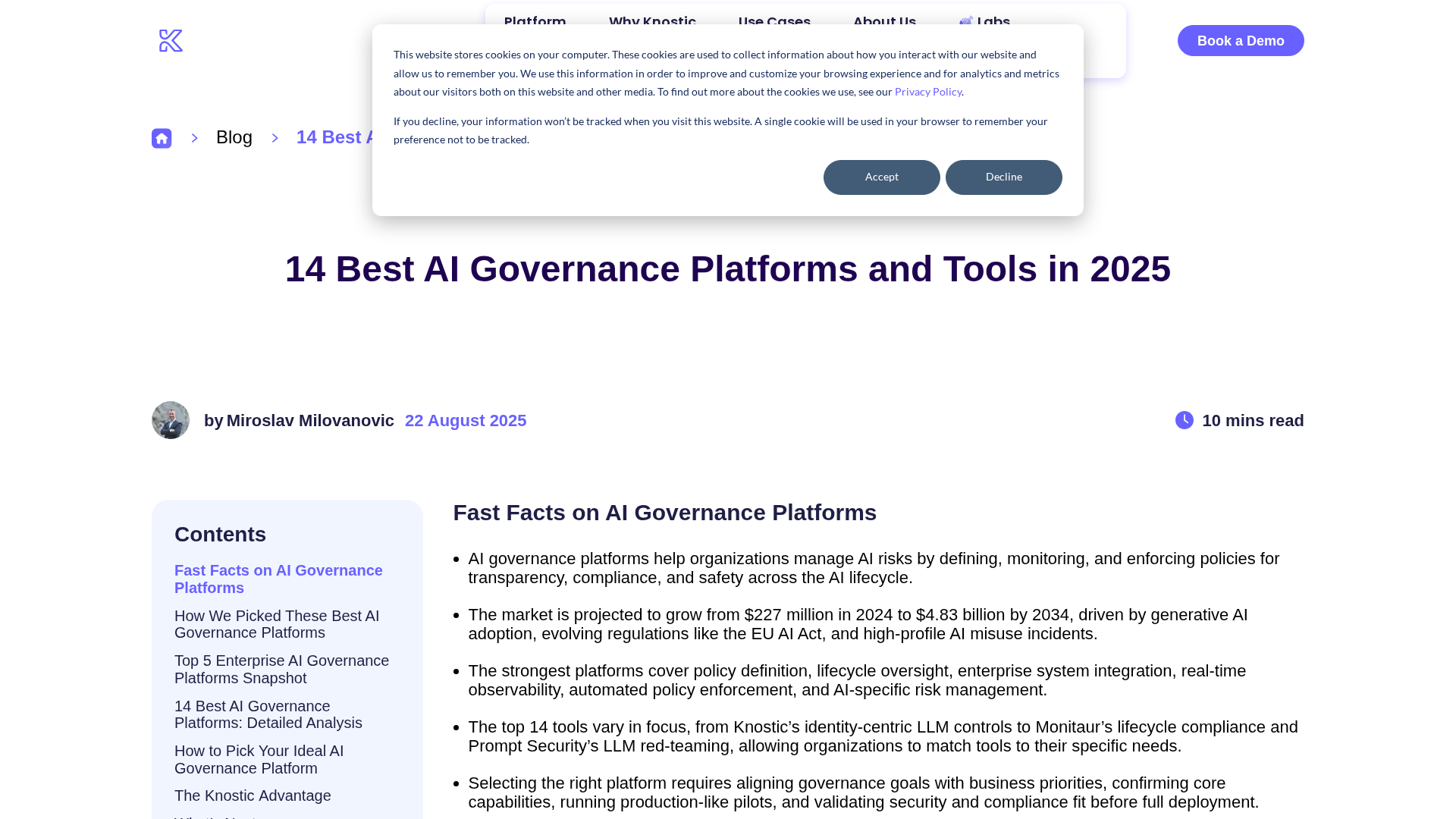
A vendor‑agnostic guide to the 14 best AI governance platforms in 2025, with criteria, comparisons, and practical buying guidance.
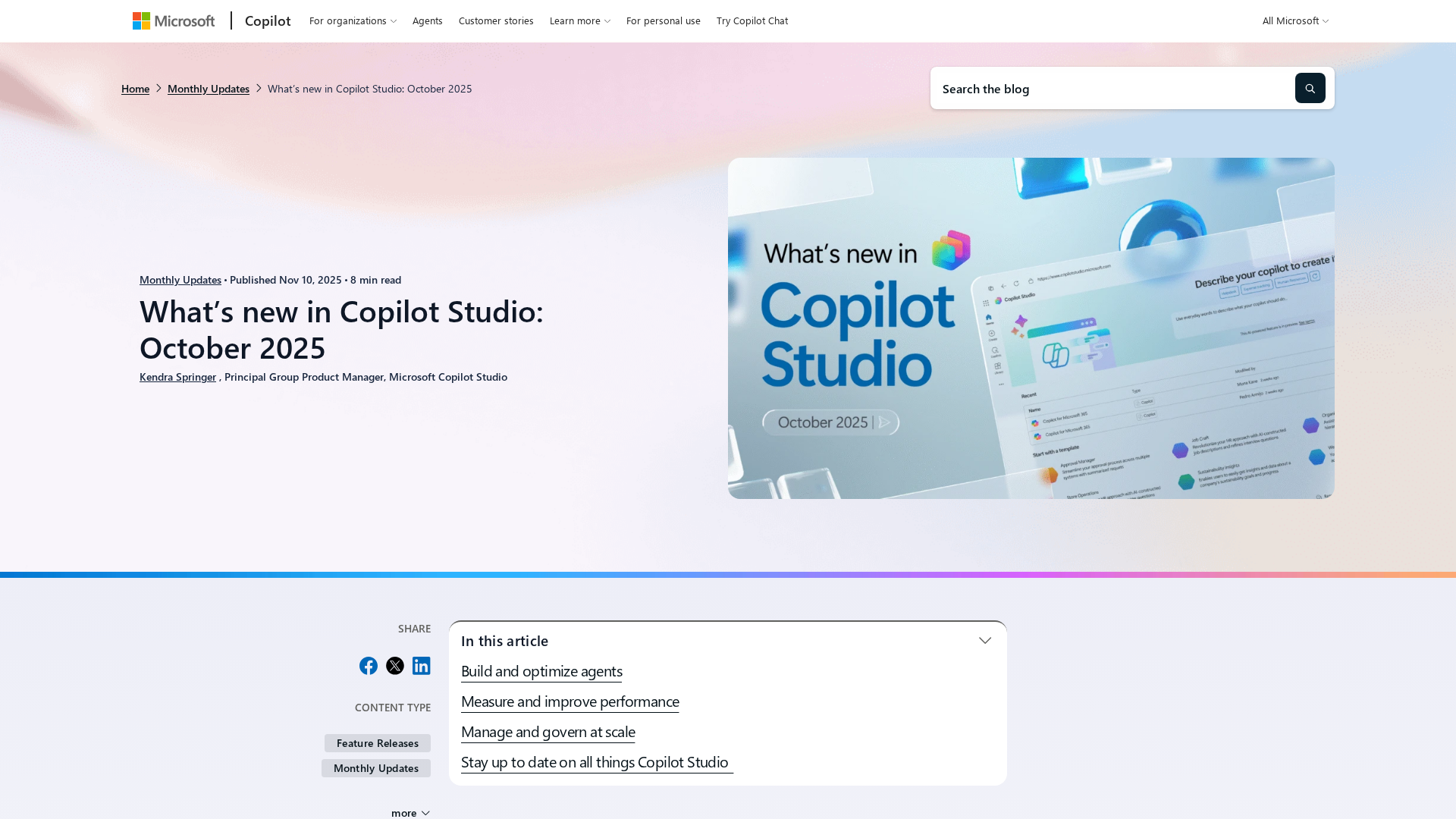
A comprehensive October 2025 roundup of Copilot Studio’s new testing, model, and governance features.

Adobe nears a $19 billion deal to acquire Semrush, expanding its marketing software capabilities, according to WSJ reports.
Wolters Kluwer expands UpToDate Expert AI with UpToDate Lexidrug to bolster drug information and medication decision support.
A practical, step-by-step guide to fine-tuning large language models with open-source NLP tools.