Topic Overview
Enterprise GenAI platforms for banking and finance bring foundation models into core workflows—customer service, fraud detection, risk analytics, and document processing—while demanding robust data, security, and compliance controls. This topic examines how major platform families (Google Cloud Gemini, Anthropic, Microsoft) and supporting stacks fit into four operational categories: AI Automation Platforms, AI Data Platforms, AI Security & Governance, and Regulatory Compliance Tools. Financial institutions prioritize private model hosting, traceable RAG (retrieval-augmented generation) pipelines, auditable decision trails, and low-latency integrations with transactional systems. Platforms differ: Google Cloud Gemini is positioned for deep cloud-native integration and data services; Anthropic emphasizes safety, steerability, and constrained behavior; Microsoft couples model access with enterprise identity, productivity, and deployment tooling. Complementary technologies shape implementations—Kore.ai for orchestrating multi-agent workflows with governance and observability; Cohere for private customizable models, embeddings, and retrieval/search; LangChain for engineering, testing, and stateful agent frameworks (e.g., LangGraph) used to build and validate agentic workflows. As of mid‑2026, increased regulatory expectations and institutional operationalization have made model observability, lineage, and governance non‑optional. Practical selection criteria center on data residency, encryption and key management, model update policies, evaluative tooling for bias and performance, integration with existing data platforms, and vendor SLAs. Effective stacks combine an enterprise GenAI provider for model quality and scale, an engineering layer (LangChain) for reproducibility, an orchestration/governance layer (Kore.ai) for multi-agent operations, and specialized model/data services (Cohere) to control embeddings and retrieval. The result is a composable architecture that balances innovation with auditability and compliance for regulated finance environments.
Tool Rankings – Top 3

Enterprise AI agent platform for building, deploying and orchestrating multi-agent workflows with governance, observabil

Enterprise-focused LLM platform offering private, customizable models, embeddings, retrieval, and search.

Engineering platform and open-source frameworks to build, test, and deploy reliable AI agents.
Latest Articles (41)
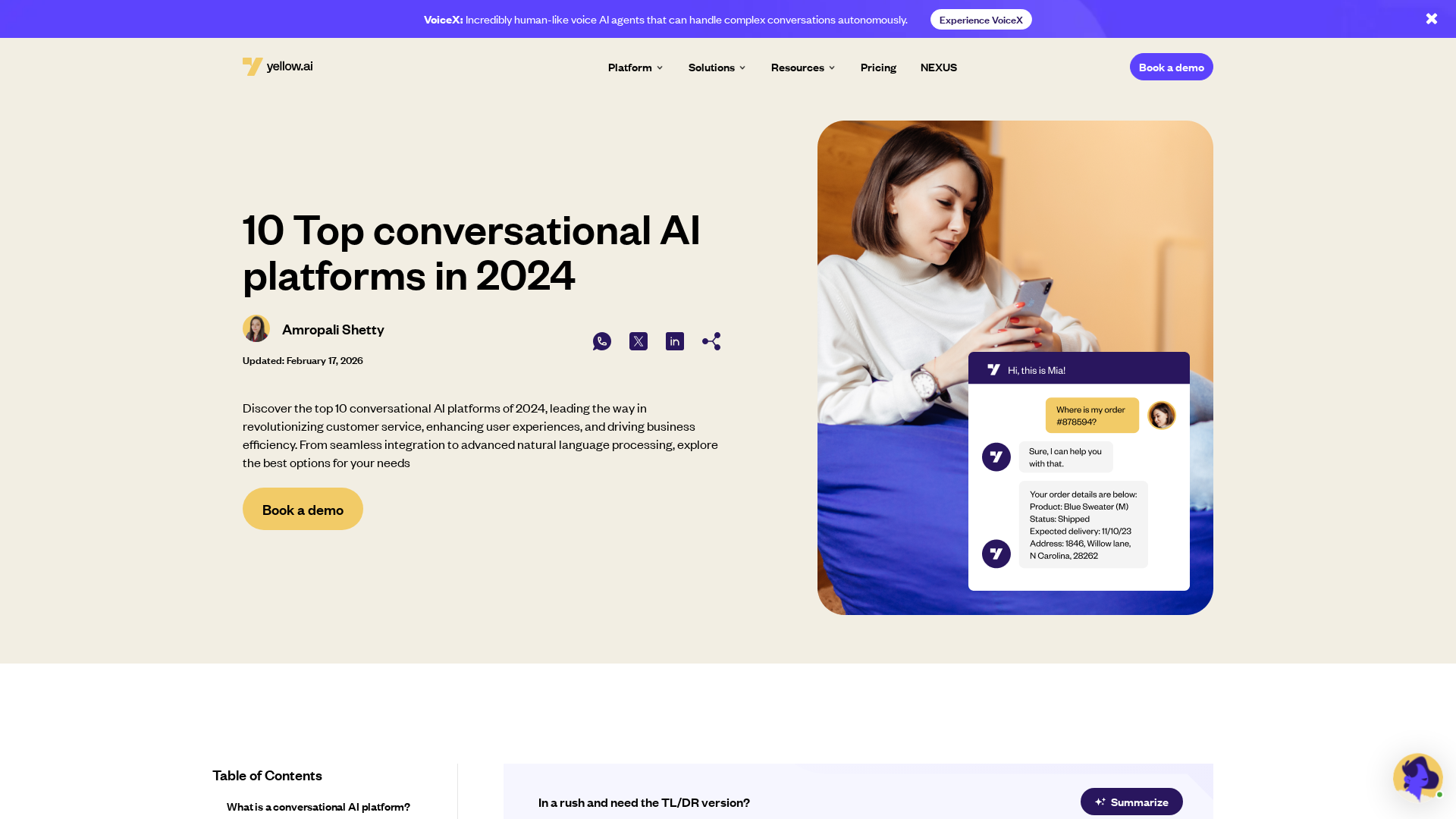
A concise guide to the top 10 conversational AI platforms in 2024, with features, benefits, and use cases.
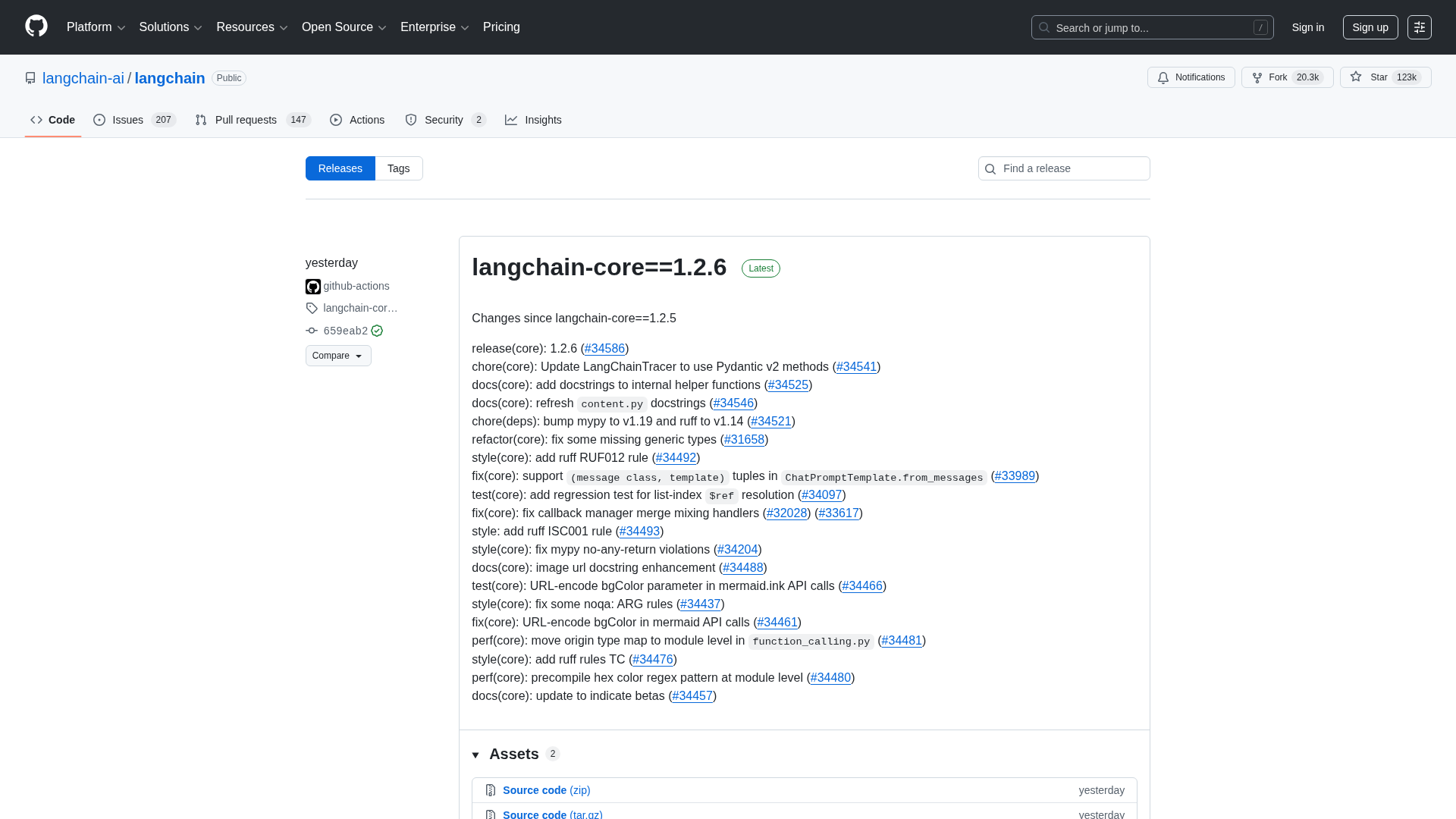
A comprehensive LangChain releases roundup detailing Core 1.2.6 and interconnected updates across XAI, OpenAI, Classic, and tests.
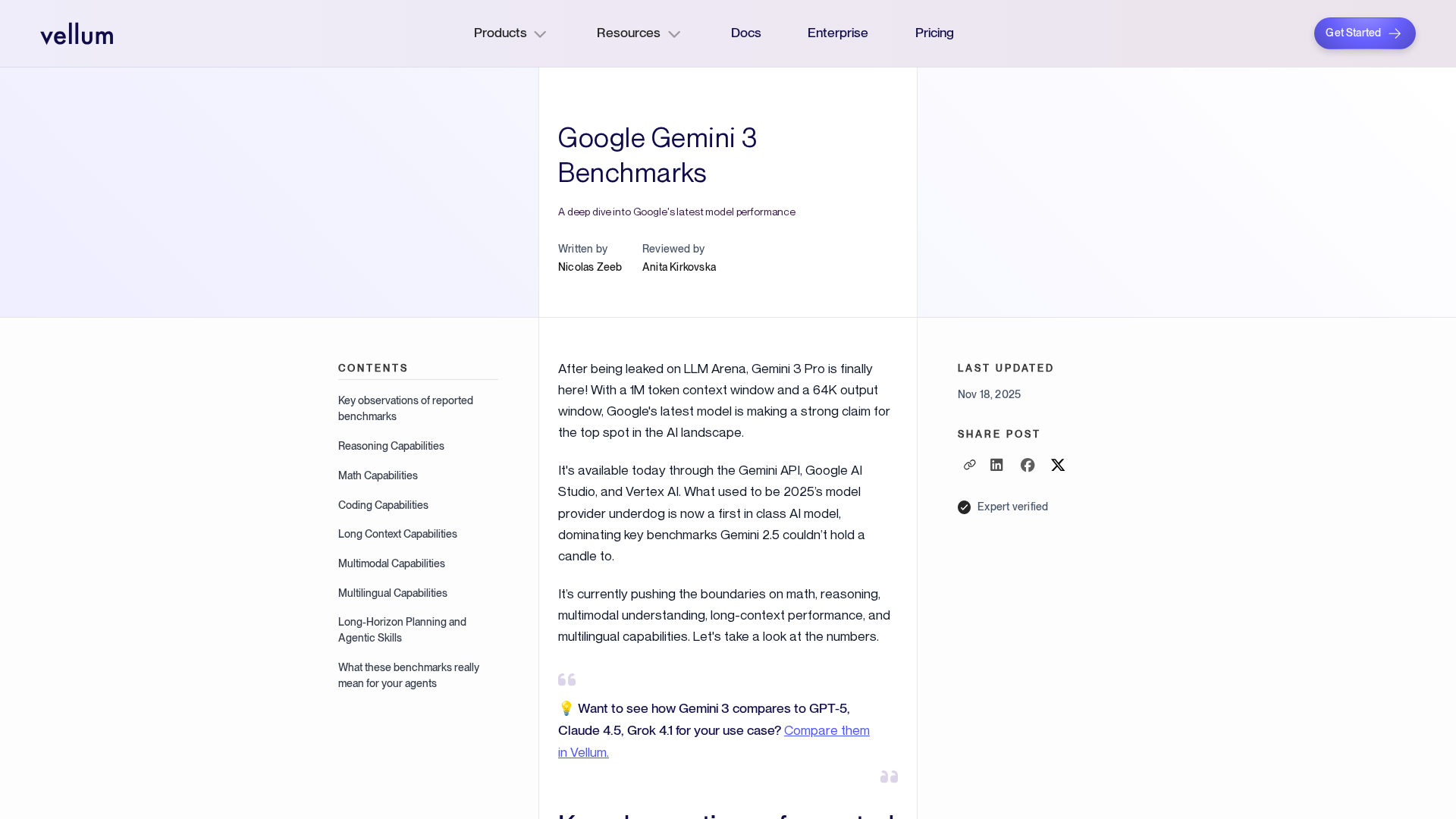
In-depth look at Gemini 3 Pro benchmarks across reasoning, math, multimodal, and agentic capabilities with implications for building AI agents.

Cannot access the article content due to an access-denied error, preventing summarization.

A quick preview of POE-POE's pros and cons as seen in G2 reviews.