Topic Overview
This topic surveys the 2026 landscape of LLM API providers and the developer plans that drive adoption, integration, and production use across automation platforms. It focuses on how major vendors and emerging players deliver APIs, fine-tuning, embeddings, multimodal capabilities, and deployment options that developers and enterprises use to build automated assistants, retrieval-augmented workflows, and production ML systems. As of April 2026, relevance is driven by three converging forces: widespread demand for multimodal and retrieval-augmented applications; enterprise requirements for privacy, governance, and SLAs; and the need for cost- and latency-optimized inference at scale. Developers evaluating providers must weigh API features, model availability, fine-tuning and embedding workflows, observability, and hybrid deployment options when designing automation pipelines and virtual agents. Key providers in this space include Google’s Gemini family (multimodal models accessible via Google AI developer APIs, AI Studio, and Vertex AI); Anthropic’s Claude family (conversational and developer assistants suited for research, writing, and analysis); OpenAI (broad API ecosystem, model tiers, and developer tools); Cohere (enterprise-focused private and customizable models, embeddings, and search); IBM watsonx Assistant (no-code and developer-driven virtual agents for enterprise automation); Mistral AI (open, efficiency-oriented foundation models with governance emphasis); and Together AI (full-stack acceleration cloud for training, fine-tuning, and serverless inference). For AI Automation Platforms, these provider differences matter: choice of model and deployment impacts latency, cost, data residency, and integration complexity. Current trends prioritize retrievable knowledge pipelines, fine-tuning or instruction tuning for task specificity, observability for model behavior, and hybrid on-prem/cloud options to meet regulatory and performance needs.
Tool Rankings – Top 6

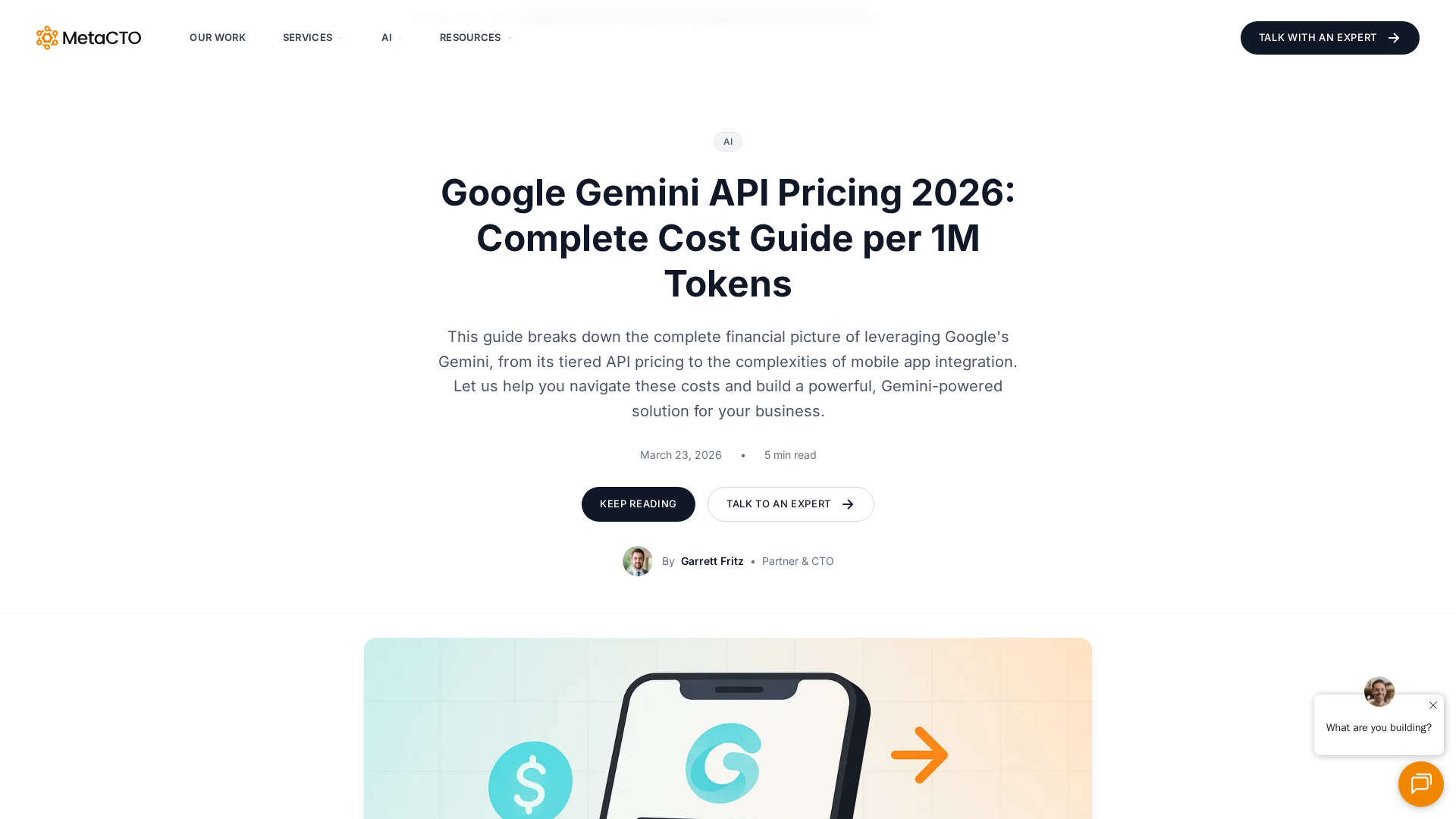
Google’s multimodal family of generative AI models and APIs for developers and enterprises.
Anthropic's Claude family: conversational and developer AI assistants for research, writing, code, and analysis.

Unified, fully-managed Google Cloud platform for building, training, deploying, and monitoring ML and GenAI models.

Enterprise-focused LLM platform offering private, customizable models, embeddings, retrieval, and search.

Enterprise virtual agents and AI assistants built with watsonx LLMs for no-code and developer-driven automation.

Enterprise-focused provider of open/efficient models and an AI production platform emphasizing privacy, governance, and
Latest Articles (88)
A vendor‑agnostic guide to the 14 best AI governance platforms in 2025, with criteria, comparisons, and practical buying guidance.
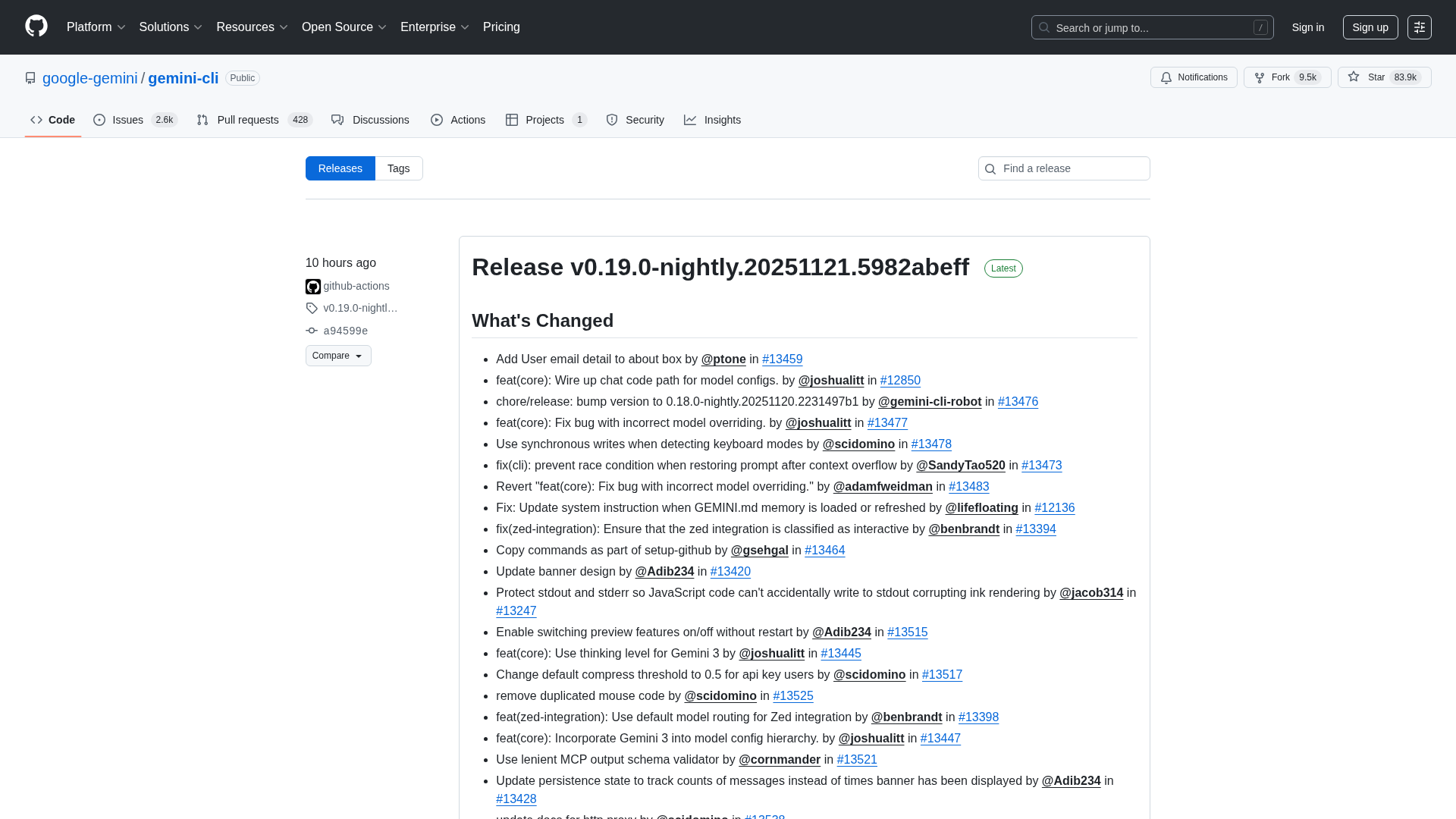
Overview of the Gemini CLI v0.36.0-preview release series, highlighting architectural, CLI, and UI changelogs across multiple pre-release versions.

Baseten launches an AI training platform to compete with hyperscalers, promising simpler, more transparent ML workflows.

Adobe nears a $19 billion deal to acquire Semrush, expanding its marketing software capabilities, according to WSJ reports.
Wolters Kluwer expands UpToDate Expert AI with UpToDate Lexidrug to bolster drug information and medication decision support.