Topic Overview
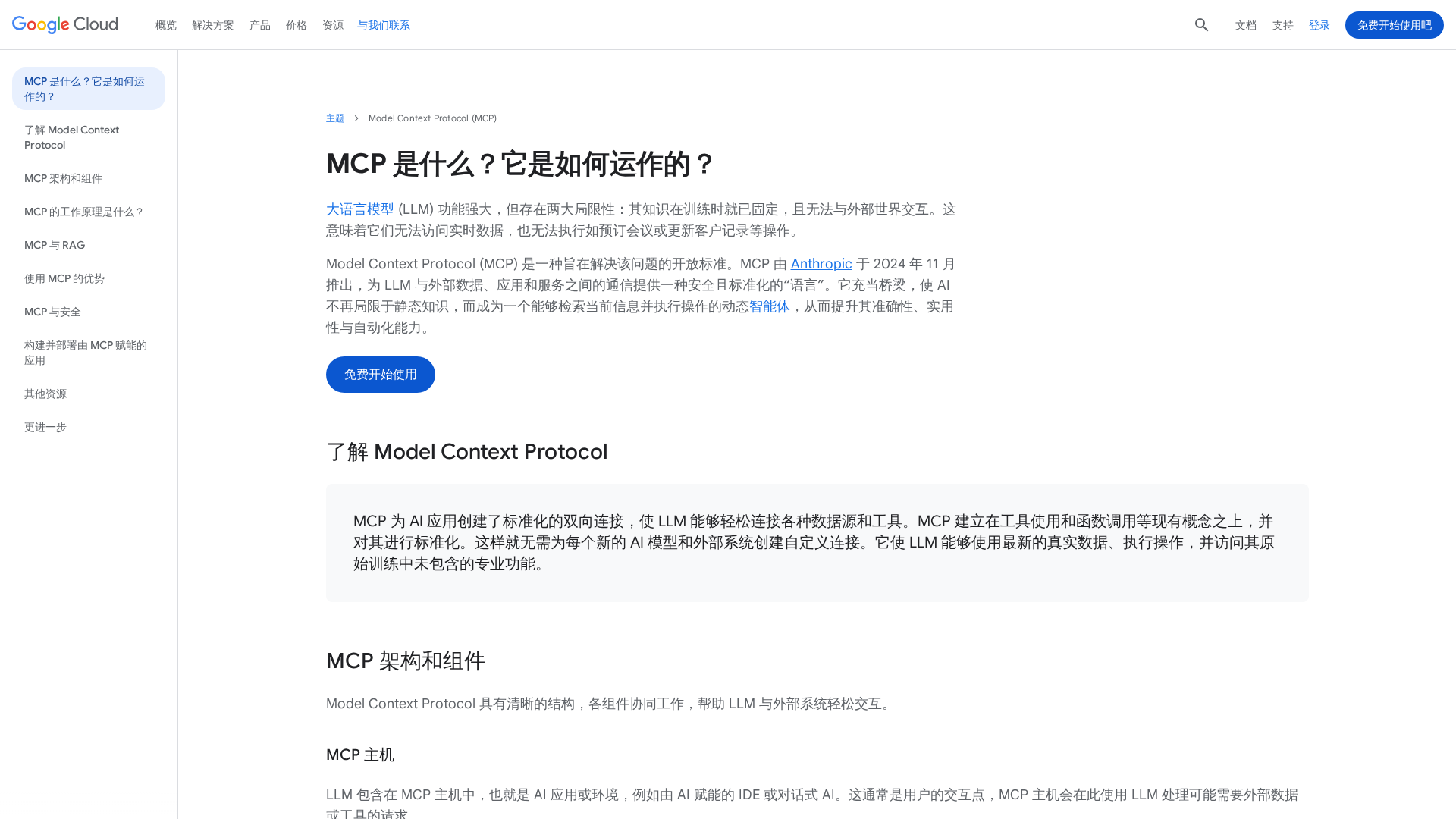
This topic covers how enterprises apply generative AI to industrial and sustainability use cases by combining standardized integration layers, secure execution sandboxes, and data-aware pipeline tooling. In practice this means using the Model Context Protocol (MCP) as a common integration fabric—MCP servers expose capabilities for tracing, evaluation, datasets and tooling so LLMs and agents can interact reliably with operational systems and knowledge bases. Relevance in late 2025 stems from broad adoption of generative models in asset management, predictive maintenance, emissions reporting and digital twin workflows, together with stronger requirements for provenance, observability and runtime safety. Tools in this space include orchestration and pipeline platforms (Dagster) for reliable data flows; MCP implementations that map platform capabilities to agents (Arize Phoenix for model tracing and evaluation, GitHub and Atlassian MCP servers for code and work-item context); secure execution runtimes (Daytona and pydantic/mcp-run-python) that sandbox AI-generated code; and specialized MCP servers and toolboxes for databases, cloud vendors (AWS, Cloudflare) and task orchestrators (Kiln). To operationalize industrial and sustainability workloads you need: cloud data platform integrations, database and knowledge-base connectors, data cataloging and lineage for auditability, template libraries for repeatable prompts/workflows, and pipeline orchestration for scheduled and event-driven tasks. Together these components enable reproducible model-driven decisions, traceable outputs for compliance, and minimized risk from executing AI-generated code. The emphasis is pragmatic: standardize context with MCP, enforce runtime isolation for safety, and maintain lineage and observability to meet industrial SLAs and sustainability reporting needs.
MCP Server Rankings – Top 10

An MCP server to easily build data pipelines using Dagster.

MCP server implementation for Arize Phoenix providing unified interface to Phoenix's capabilities

Fast and secure execution of your AI generated code with Daytona sandboxes

Model Context Protocol (MCP) server for Atlassian Confluence and Jira (Cloud and Server/DC).

Enables Kiln tasks to connect and orchestrate external tools through the MCP framework.

Open source MCP server for databases enabling easier, faster, secure tool development.
Specialized MCP servers that bring AWS best practices directly to your development workflow.

Deploy, configure & interrogate your resources on the Cloudflare developer platform (e.g. Workers/KV/R2/D1)

GitHub's official MCP Server.

Run Python code in a secure sandbox via MCP tool calls, powered by Deno and Pyodide