Topic Overview
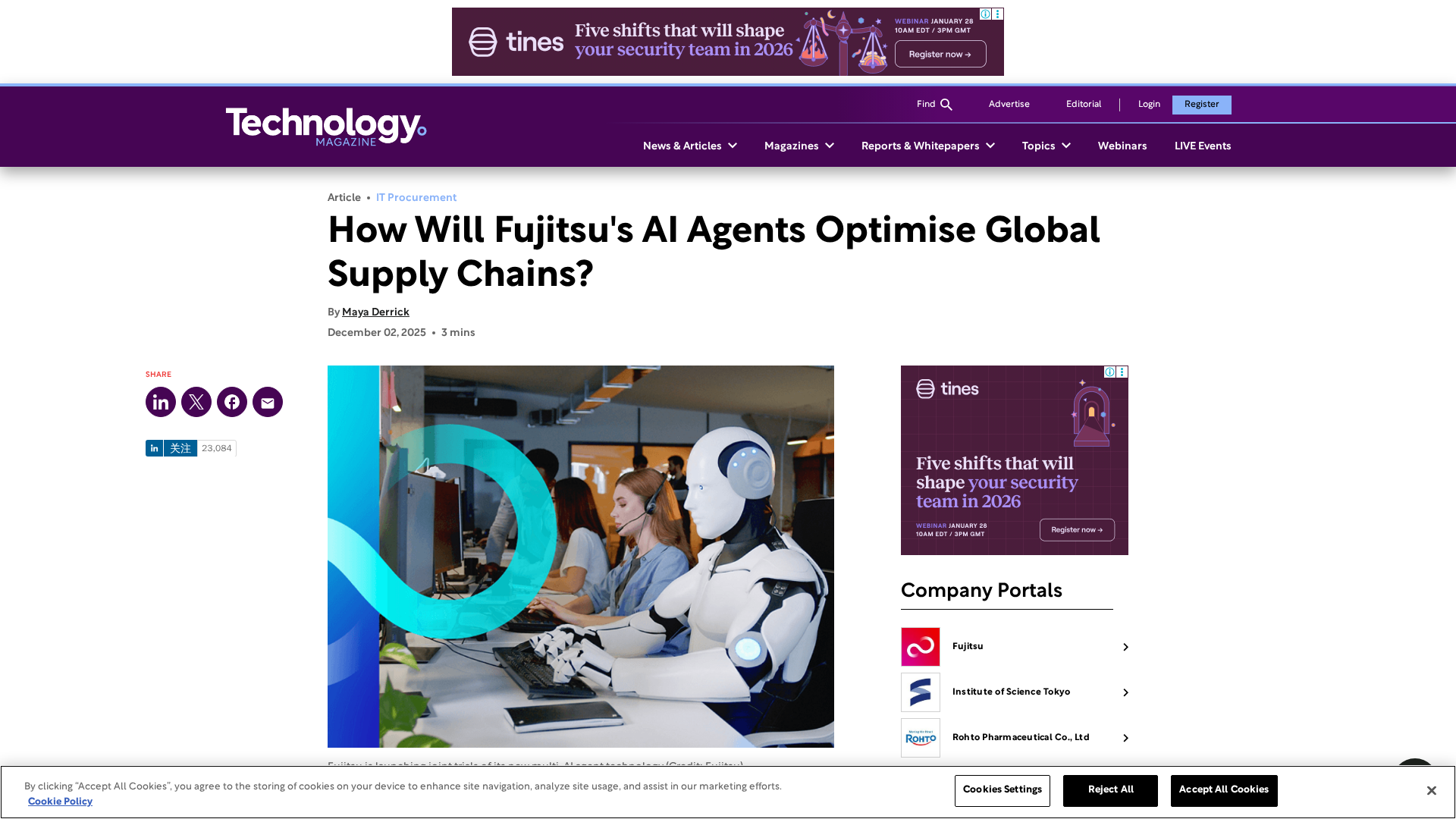
Multi‑agent AI orchestration platforms provide the infrastructure to compose, run and monitor systems made from multiple specialized AI “agents” rather than a single general model. This topic covers engineering frameworks (LangChain, AutoGen-style stacks), developer-focused environments (Warp, Blackbox.ai), no‑code/low‑code visual designers (MindStudio, AgentGPT), and supporting services for retrieval, data, and model lifecycle (LlamaIndex, OpenPipe, Continue). Fujitsu’s multi‑AI agent initiatives illustrate how vendors are packaging multi‑agent patterns for enterprise use cases such as process automation and cross‑system coordination. Relevance in 2026 stems from three converging trends: a shift toward modular agent architectures that combine retrieval, planning, and tool use; rising demand for observable, stateful orchestration (e.g., LangChain’s LangGraph patterns); and broader enterprise needs for low‑code deployment, governance, and continuous evaluation. Tools like LangChain offer developer primitives for building, debugging, and deploying agentic apps; Warp and Blackbox.ai embed agents into developer workflows; MindStudio and AgentGPT lower the barrier for non‑engineering teams to design and test agents; LlamaIndex and OpenPipe focus on data plumbing, RAG, and model tuning; Continue enables “continuous AI” automation across interfaces. Key practical concerns are reliability, cost/latency tradeoffs, data governance, and evaluation/safety tooling. As organizations move from prototypes to production, orchestration platforms are consolidating features for state management, observability, and enterprise controls. Understanding the roles of agent frameworks, ADEs, low‑code platforms, and supporting data/model services is essential for selecting an orchestration approach that fits technical constraints and compliance requirements.
Tool Rankings – Top 6

Engineering platform and open-source frameworks to build, test, and deploy reliable AI agents.

Agentic Development Environment (ADE) — a modern terminal + IDE with built-in AI agents to accelerate developer flows.

No-code/low-code visual platform to design, test, deploy, and operate AI agents rapidly, with enterprise controls and a
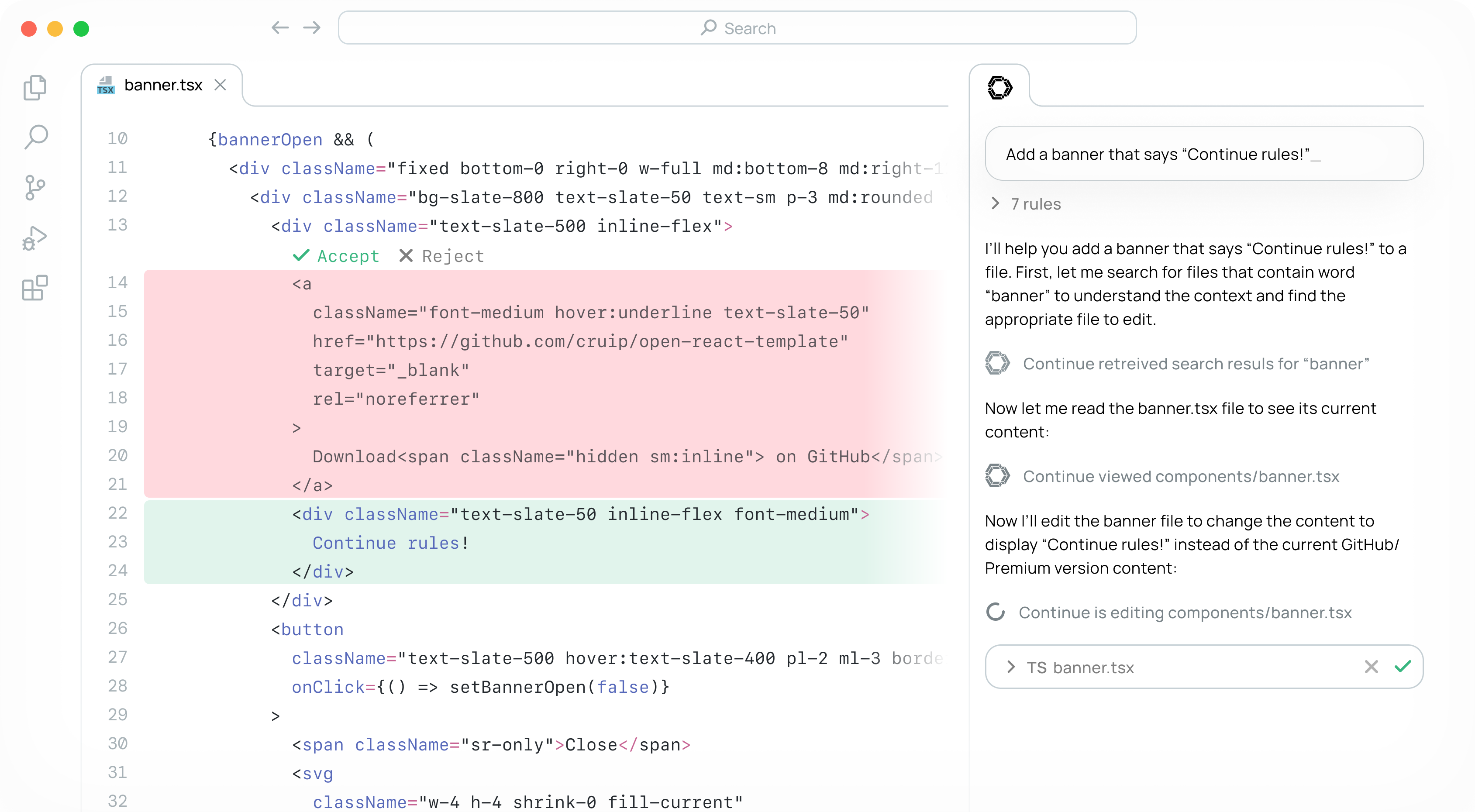
Continue — "Ship faster with Continuous AI": open-source platform to automate developer workflows with configurable AI/”

A browser-based platform to create and deploy autonomous AI agents with simple goals.

All-in-one AI coding agent and developer platform offering chat, code generation, debugging, IDE plugins, and enterprise
Latest Articles (65)
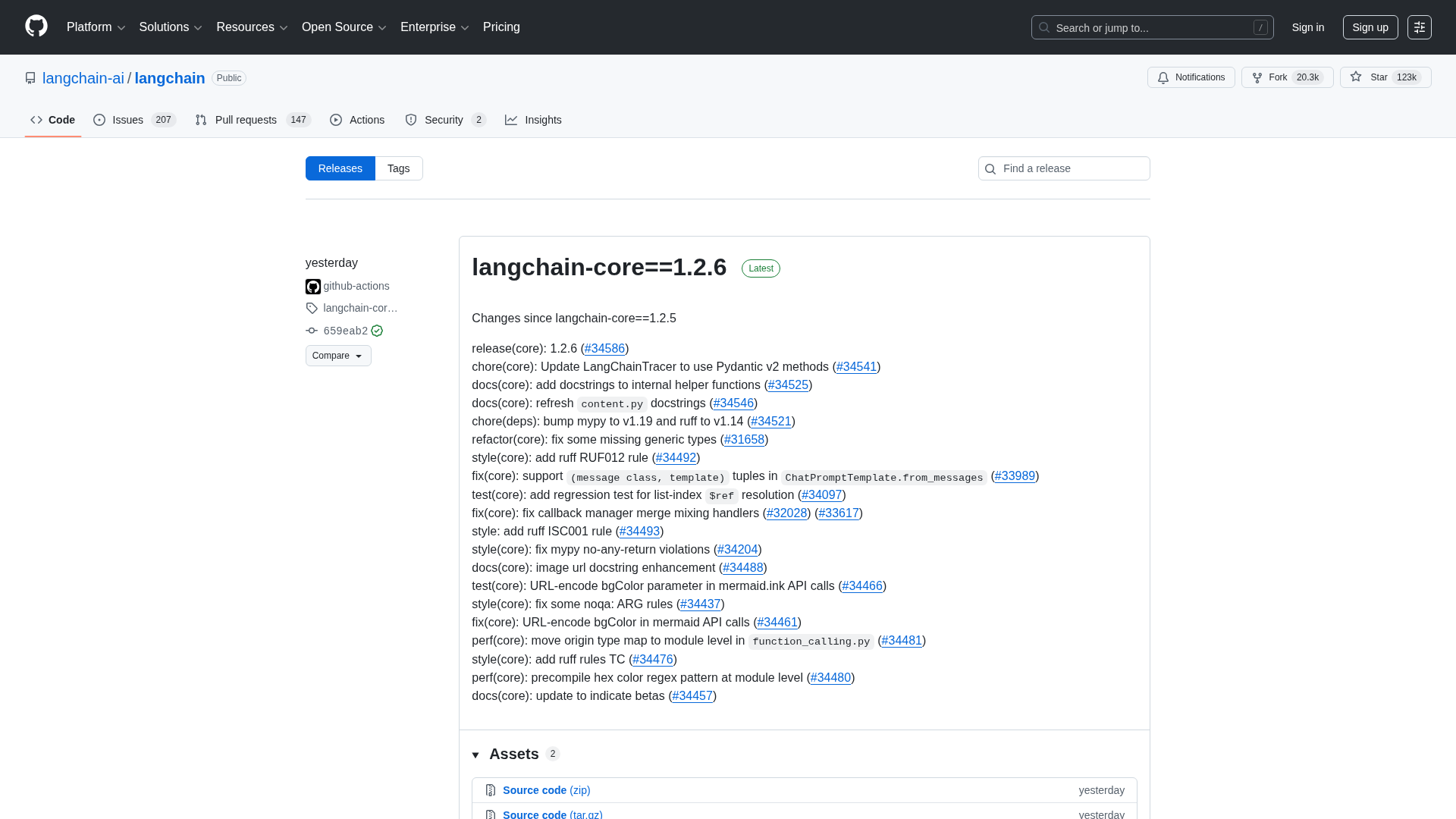
A comprehensive LangChain releases roundup detailing Core 1.2.6 and interconnected updates across XAI, OpenAI, Classic, and tests.
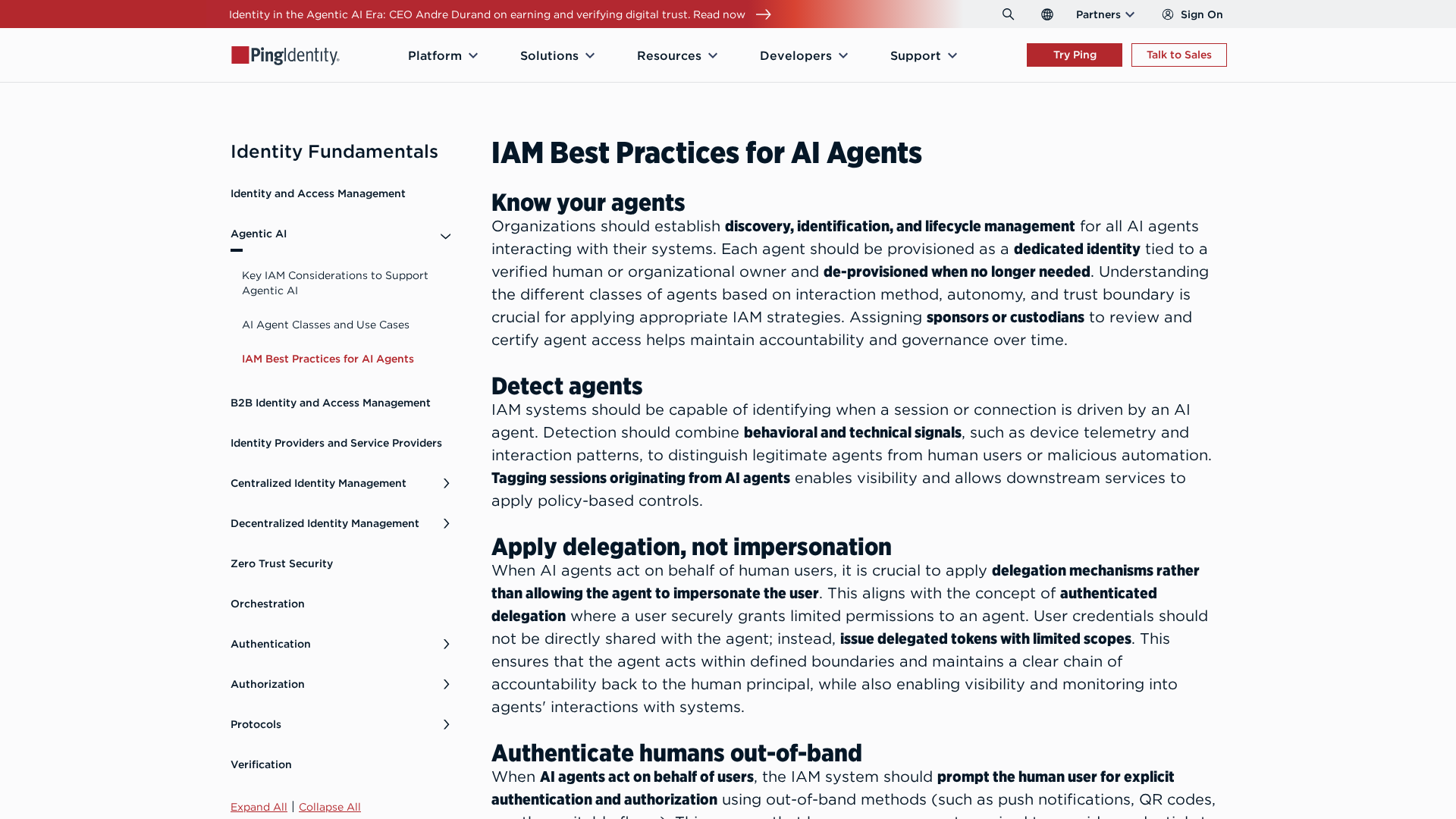
Best-practices for securing AI agents with identity management, delegated access, least privilege, and human oversight.

Cannot access the article content due to an access-denied error, preventing summarization.
A quick preview of POE-POE's pros and cons as seen in G2 reviews.
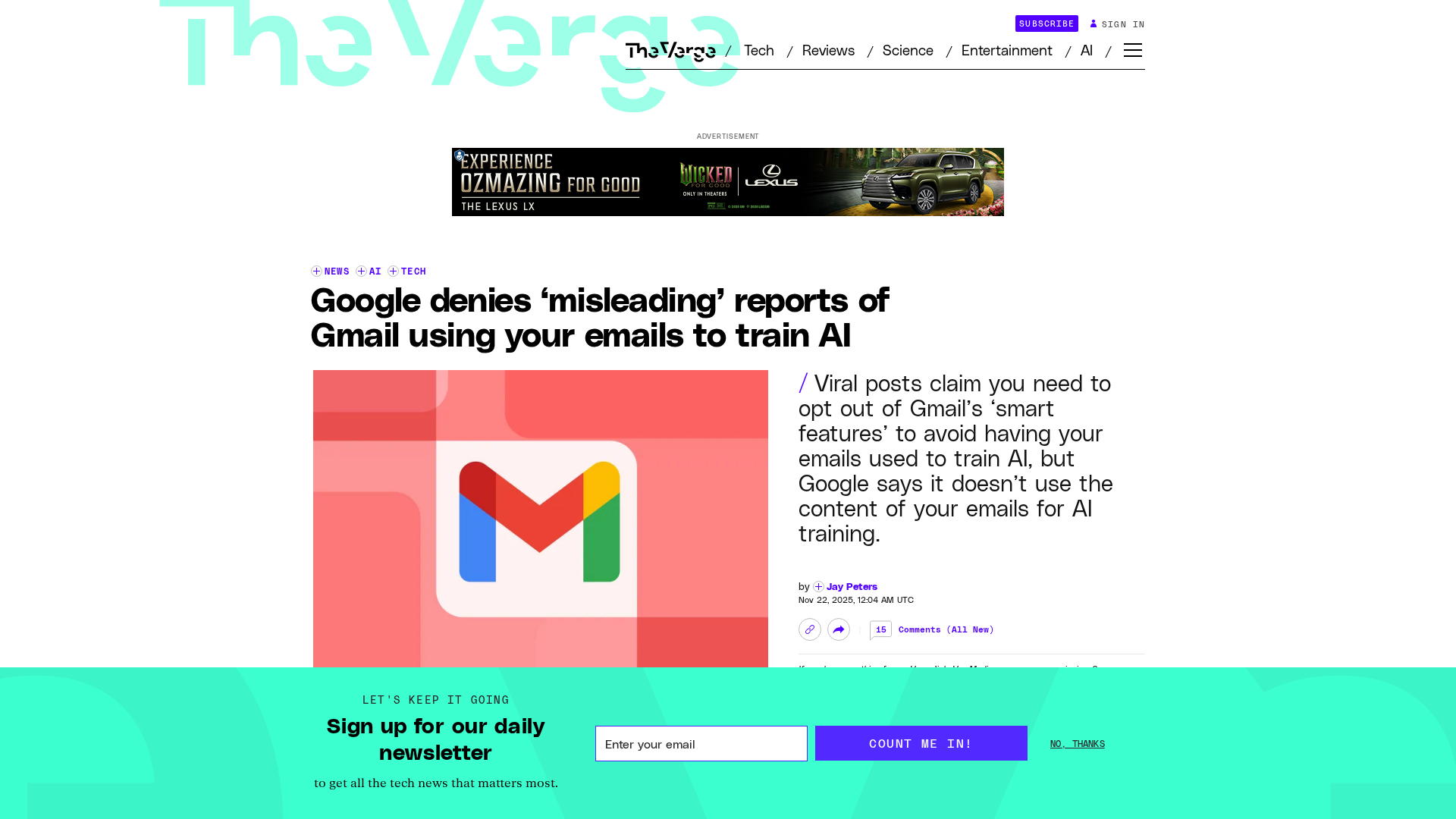
Google says Gmail data isn’t used to train AI and explains opt-out and smart-feature controls.