Topic Overview
This topic evaluates the ecosystem of frameworks and toolchains used to fine‑tune, serve and orchestrate large language models (LLMs) in production agent‑style applications. As of 2025‑12‑04, teams balance three converging pressures: lower latency and lower cost for inference, repeatable fine‑tuning and evaluation workflows, and integration with retrieval‑augmented generation (RAG) and agent frameworks. Key categories include inference servers (e.g., NVIDIA Triton), model hubs and fine‑tuning platforms (Hugging Face, MosaicML), orchestration/fabric layers (QVAC Fabric and similar fabrics), and supporting services for data collection, evaluation and hosting (OpenPipe). Hardware and systems vendors such as Rebellions.ai add a layer of specialization with energy‑efficient inference accelerators and co‑optimized software stacks. Emerging and complementary approaches include decentralized infrastructure (Tensorplex Labs) that pairs model development with blockchain/DeFi primitives, developer‑focused agent toolkits like LlamaIndex for document agents, agentic IDEs such as Warp, and open instruction‑tuned models (nlpxucan/WizardLM) used as fine‑tuning bases. Current trends reflected across these tools are stronger end‑to‑end observability and SDKs for capture and evaluation, tighter coupling of data pipelines to fine‑tuning, quantization and compilation for inference efficiency, and a split between managed hosted platforms and open, portable toolchains. For teams building RAG/agent systems, the practical tradeoffs are well defined: choose a fine‑tuning and data platform that preserves provenance and evaluation, pick an inference stack that matches latency/throughput and hardware, and adopt orchestration layers that support hybrid cloud, edge or decentralized deployment while keeping reproducibility and cost under control.
Tool Rankings – Top 6
Open-source, decentralized AI infrastructure combining model development with blockchain/DeFi primitives (staking, cross

Managed platform to collect LLM interaction data, fine-tune models, evaluate them, and host optimized inference.

Energy-efficient AI inference accelerators and software for hyperscale data centers.

Developer-focused platform to build AI document agents, orchestrate workflows, and scale RAG across enterprises.

Agentic Development Environment (ADE) — a modern terminal + IDE with built-in AI agents to accelerate developer flows.

Open-source family of instruction-following LLMs (WizardLM/WizardCoder/WizardMath) built with Evol-Instruct, focused on
Latest Articles (54)
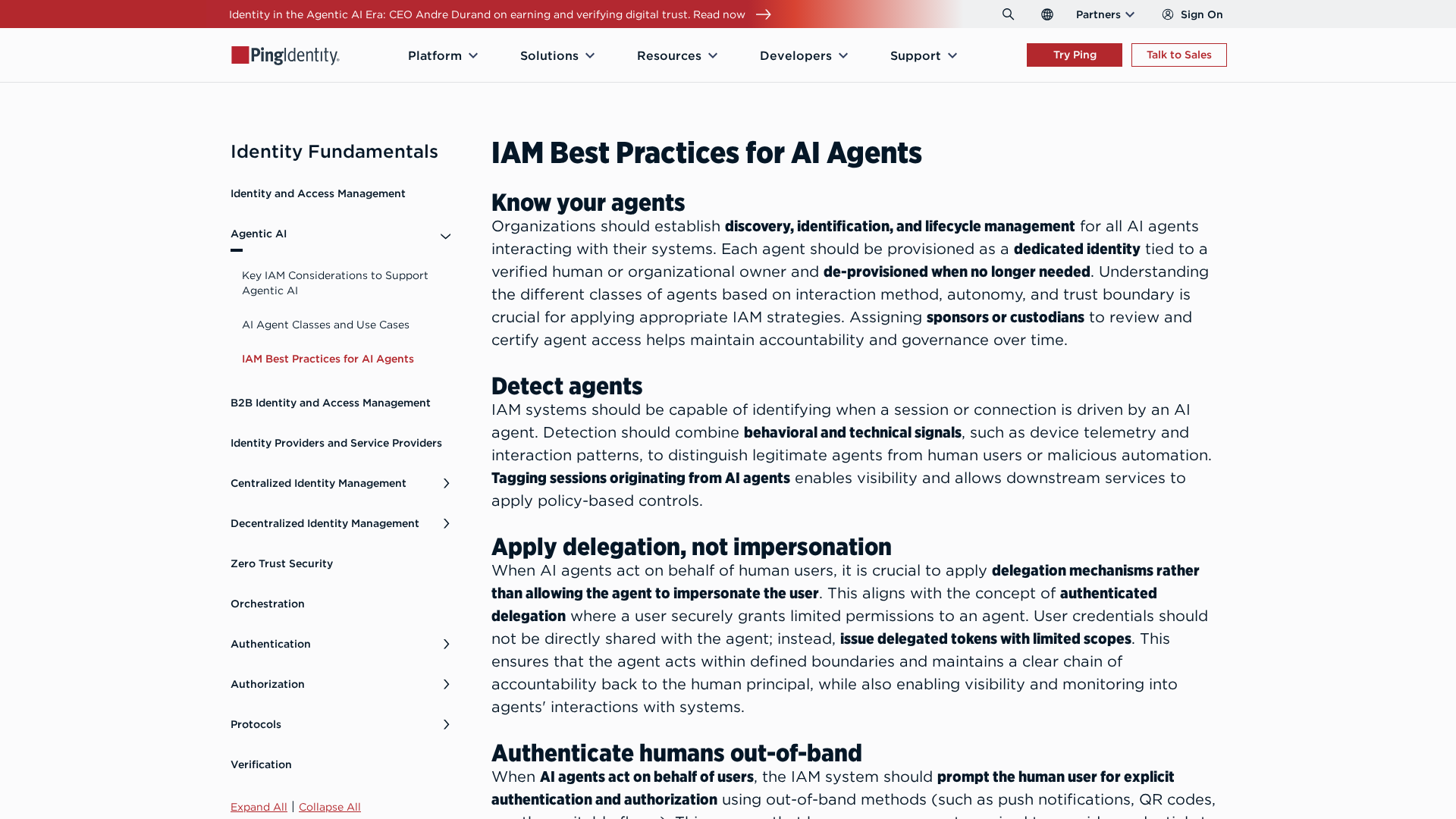
Best-practices for securing AI agents with identity management, delegated access, least privilege, and human oversight.

Adobe nears a $19 billion deal to acquire Semrush, expanding its marketing software capabilities, according to WSJ reports.
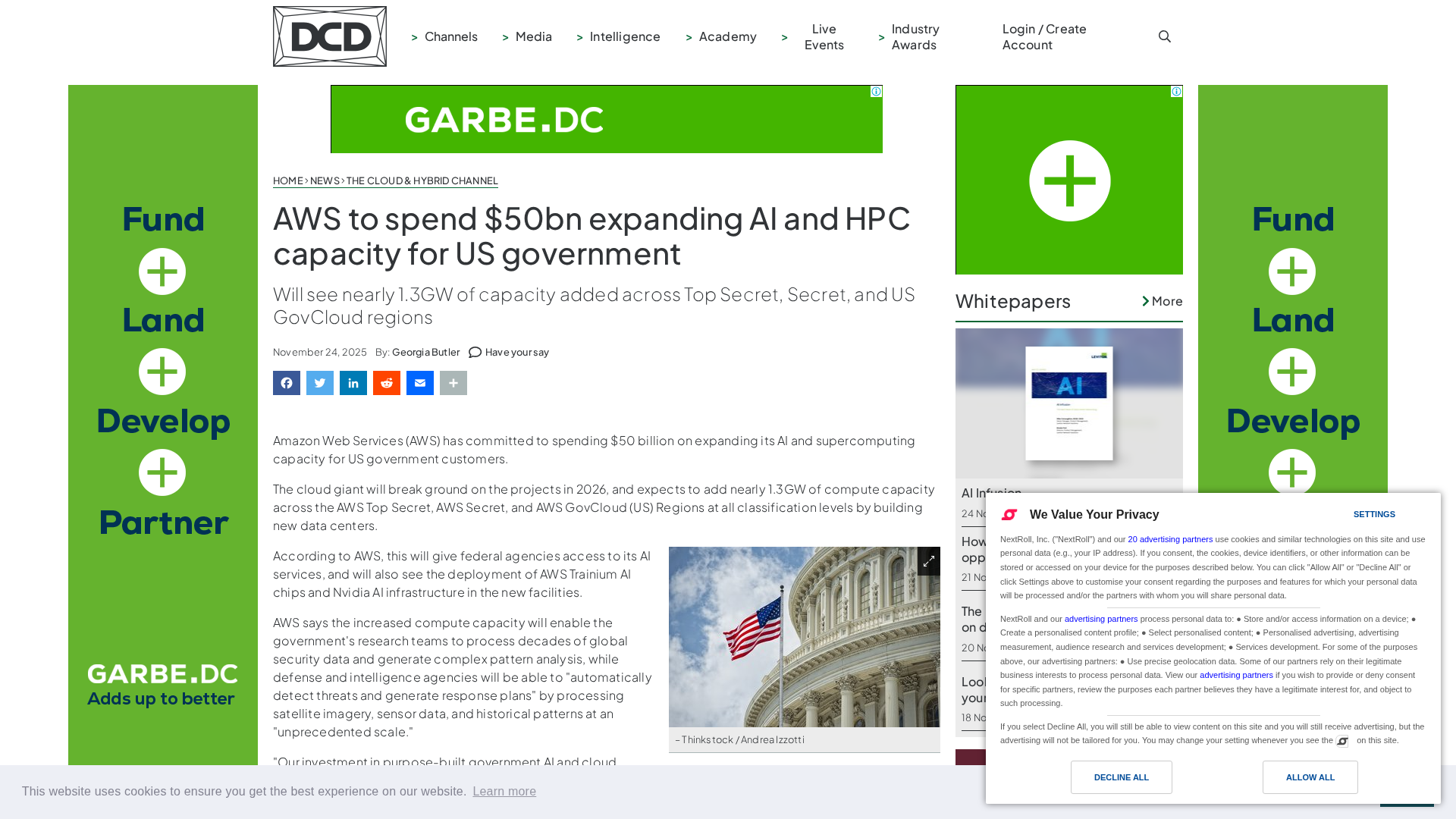
AWS commits $50B to expand AI/HPC capacity for U.S. government, adding 1.3GW compute across GovCloud regions.
How AI agents can automate and secure decentralized identity verification on blockchain-enabled systems.
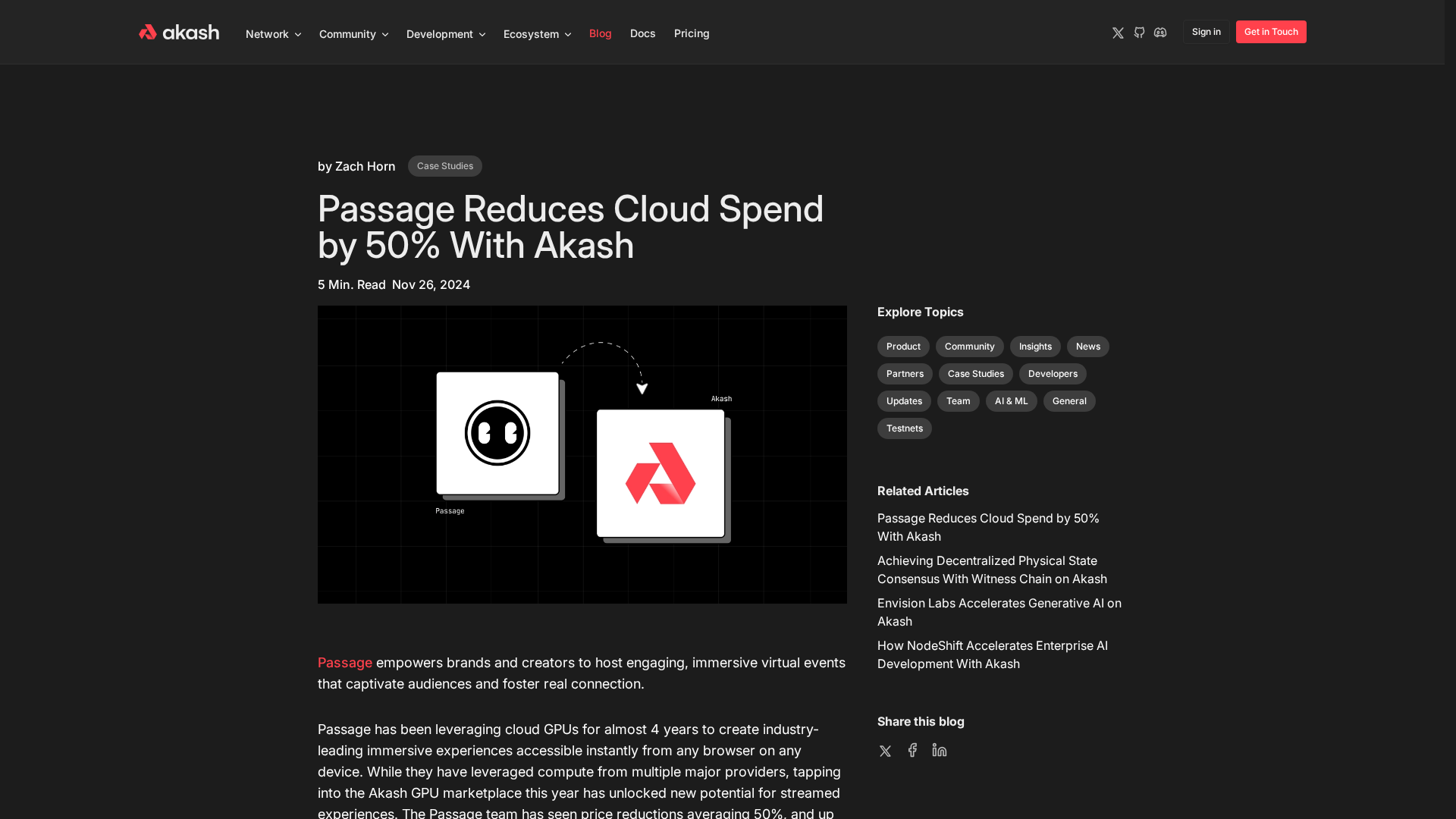
Passage cuts GPU cloud costs by up to 70% using Akash's open marketplace, enabling immersive Unreal Engine 5 events.