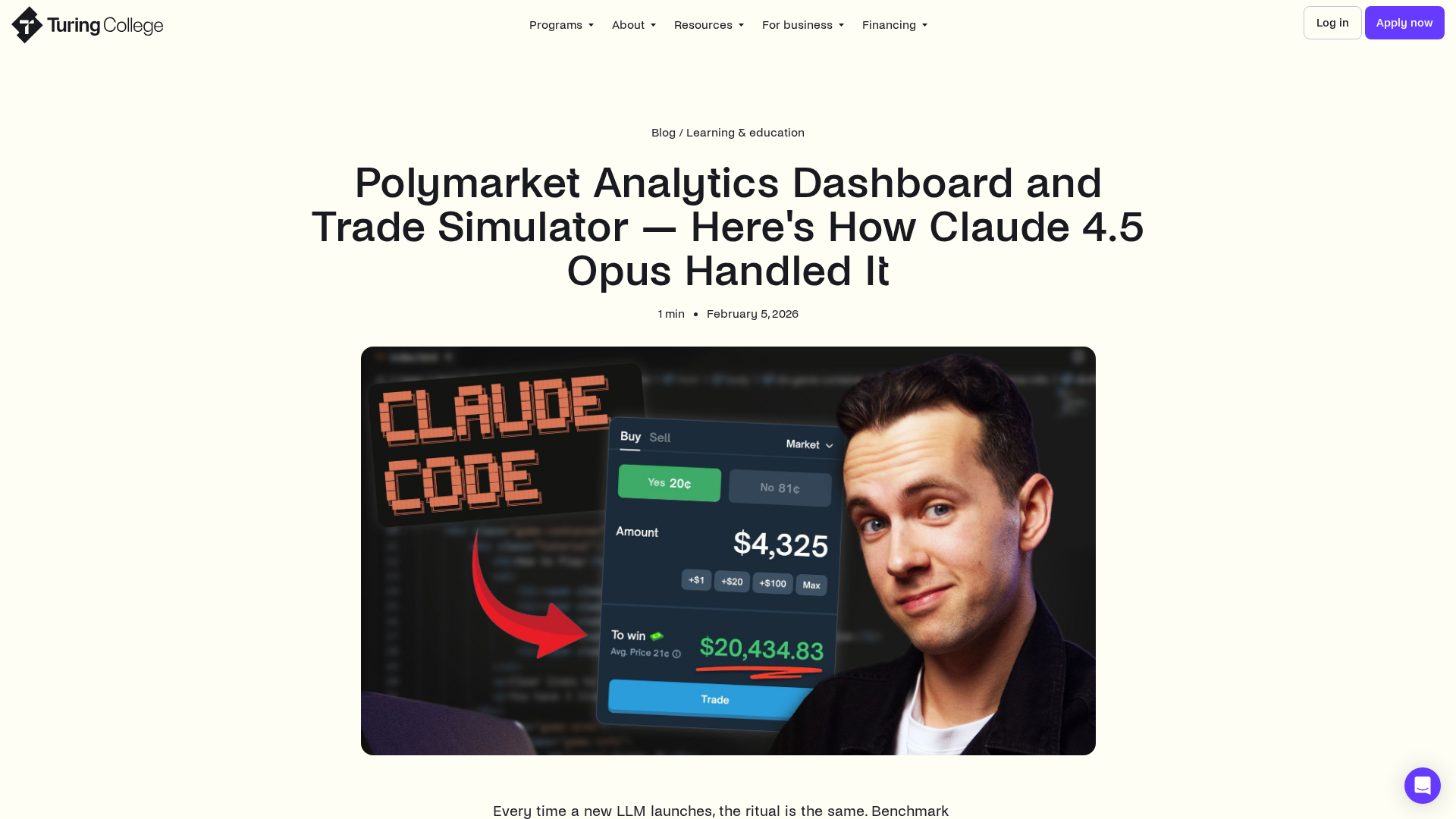
Topic Overview
This topic covers the intersection of on‑chain prediction market platforms — such as Binance Prediction markets, Polymarket, Augur and Omen — and the AI forecasting and analytics stack used to interpret, augment and trade on their signals. On‑chain markets provide real‑time, tradable probability implied by participant wagers; AI forecasting tools convert raw on‑chain data, news, and research into structured signals and probabilistic forecasts for decision support. As of 2026‑04‑14 this area is timely because more institutional participants and regulated venues are engaging with crypto markets, model quality and retraining workflows have matured, and production infrastructure (vector DBs, RAG, label pipelines, enterprise LLMs) enables near-real‑time signal extraction and scenario analysis. Key infrastructure and tool categories include: vector databases (Pinecone) for fast semantic retrieval and retrieval‑augmented generation; data labeling and model ops platforms (Scale) for generating and validating high‑quality training datasets and RLHF; enterprise analytics and BI (Sisense) for embedding forecasts into dashboards and workflows; large multimodal LLMs and assistants (Google Gemini, Anthropic Claude, IBM watsonx) for synthesis, narrative explanations and automated report generation; and agent/automation platforms (StackAI, Yellow.ai, Crescendo.ai) and document Q&A tools (ChatPDF) to operationalize forecasts into alerts and workflows. Together, these components support a modern market‑intelligence pipeline: ingest on‑chain and off‑chain signals, normalize and label data, index for semantic retrieval, generate probabilistic forecasts with LLMs and structured models, and surface insights in BI/agentic workflows. Practical adoption hinges on oracle quality, latency, transparency, and governance around model inputs and market manipulation risk.
Tool Rankings – Top 6
Fully managed, serverless vector database focused on production-grade semantic search, retrieval-augmented generation (R
A data-centric, end-to-end platform for training and operating AI (generative/agentic).

AI analytics and embedded BI platform with developer SDKs, a marketplace, and a consultative pricing model.
Anthropic's Claude family: conversational and developer AI assistants for research, writing, code, and analysis.

Google’s multimodal family of generative AI models and APIs for developers and enterprises.

Enterprise virtual agents and AI assistants built with watsonx LLMs for no-code and developer-driven automation.
Latest Articles (101)
A vendor‑agnostic guide to the 14 best AI governance platforms in 2025, with criteria, comparisons, and practical buying guidance.
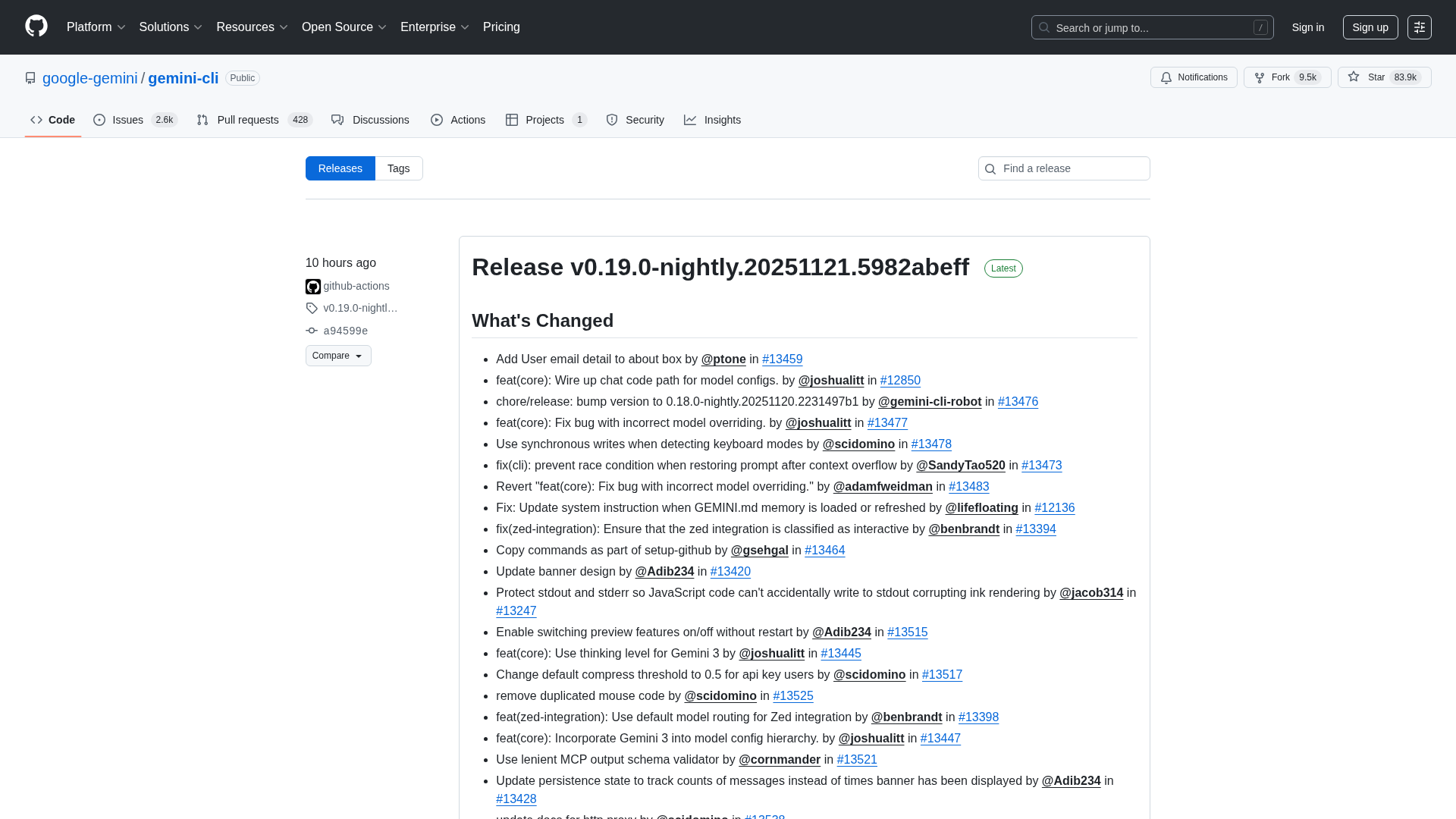
Overview of the Gemini CLI v0.36.0-preview release series, highlighting architectural, CLI, and UI changelogs across multiple pre-release versions.
LeCun calls Alexandr Wang inexperienced and predicts more Meta AI departures amid internal turmoil and strategic pivots.
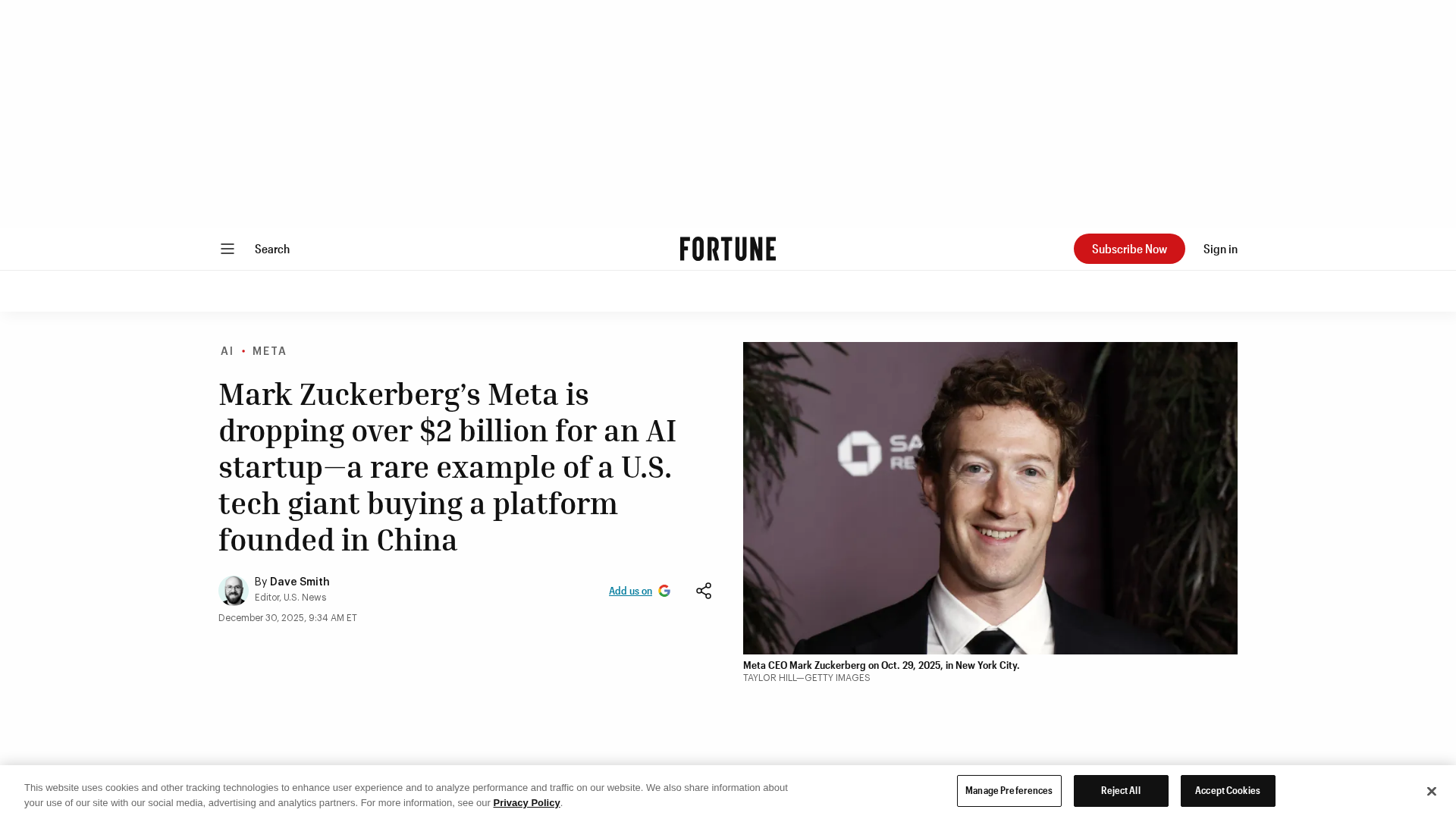
Meta acquires Manus, a Chinese-founded AI startup, for over $2B to boost its AI stack while disentangling from China.
Meta buys Manus AI for over $2B to boost agentic AI across its apps while winding down China operations.