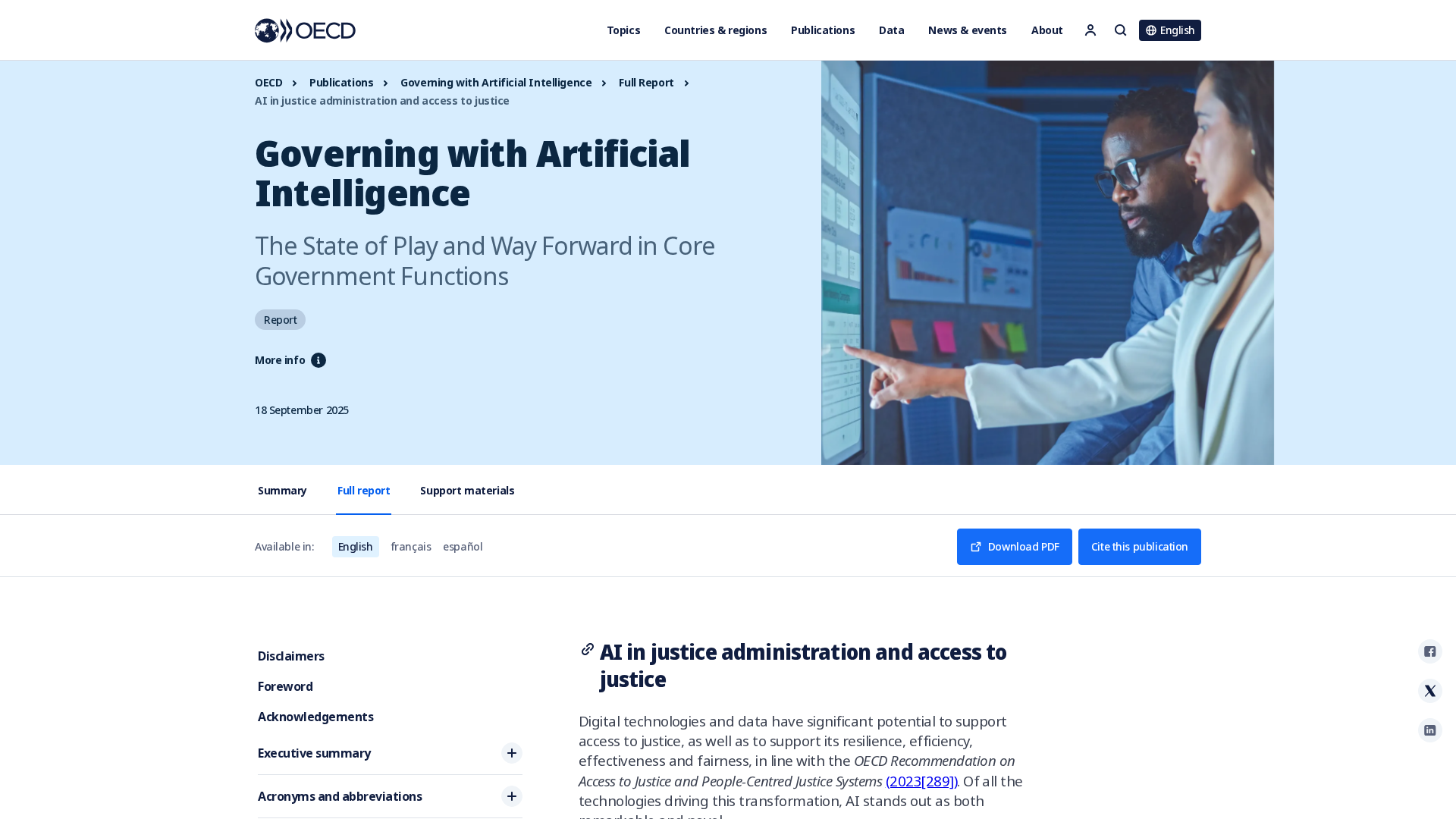
Topic Overview
Public‑service chatbots and court‑facing AI assistants are specialized conversational systems used by governments, courts, and legal aid organizations to streamline access to information, triage cases, and assist with routine procedural tasks. As of 2026‑01‑04 these systems are increasingly deployed—but also subject to tighter regulatory scrutiny and practical constraints around reliability, data protection, and auditability. Key risks include hallucinations or incorrect legal guidance, sensitive data leakage, opaque decision trails, and unclear lines of human responsibility. Tool and platform trends that shape this space include enterprise virtual assistants and multi‑agent orchestration (IBM watsonx Assistant, Microsoft 365 Copilot), private and customizable LLM infrastructure (Cohere), managed agent platforms that integrate enterprise systems (Synthreo/BotX), and no‑code or low‑code builders that prioritize rapid, domain‑specific deployments with audit features (Cimba.AI, Anakin.ai). Conversational foundations such as Anthropic’s Claude family supply core dialogue and reasoning capabilities, while autonomy platforms like Shield AI illustrate the importance of deterministic middleware, verifiable behaviors, and secure execution for mission‑critical contexts. Effective public and court use requires a combination of technical and governance controls: model selection and testing against domain benchmarks, retrieval‑augmented approaches with provenance, strict access controls and data minimization, human‑in‑the‑loop escalation, continuous monitoring and red‑teaming, and compliance workflows that generate auditable logs for regulators. Regulatory compliance and AI security governance tools must therefore be embedded into deployment lifecycles rather than treated as afterthoughts. The result is a pragmatic, risk‑aware approach that enables useful automation while preserving accuracy, privacy, and legal accountability.
Tool Rankings – Top 6

Mission-driven developer of Hivemind autonomy software and autonomy-enabled platforms for defense and enterprise.

Enterprise virtual agents and AI assistants built with watsonx LLMs for no-code and developer-driven automation.
Anthropic's Claude family: conversational and developer AI assistants for research, writing, code, and analysis.
AI assistant integrated across Microsoft 365 apps to boost productivity, creativity, and data insights.

Enterprise-focused LLM platform offering private, customizable models, embeddings, retrieval, and search.

Enterprise managed AI agents and assistants that automate workflows and decision processes.
Latest Articles (78)
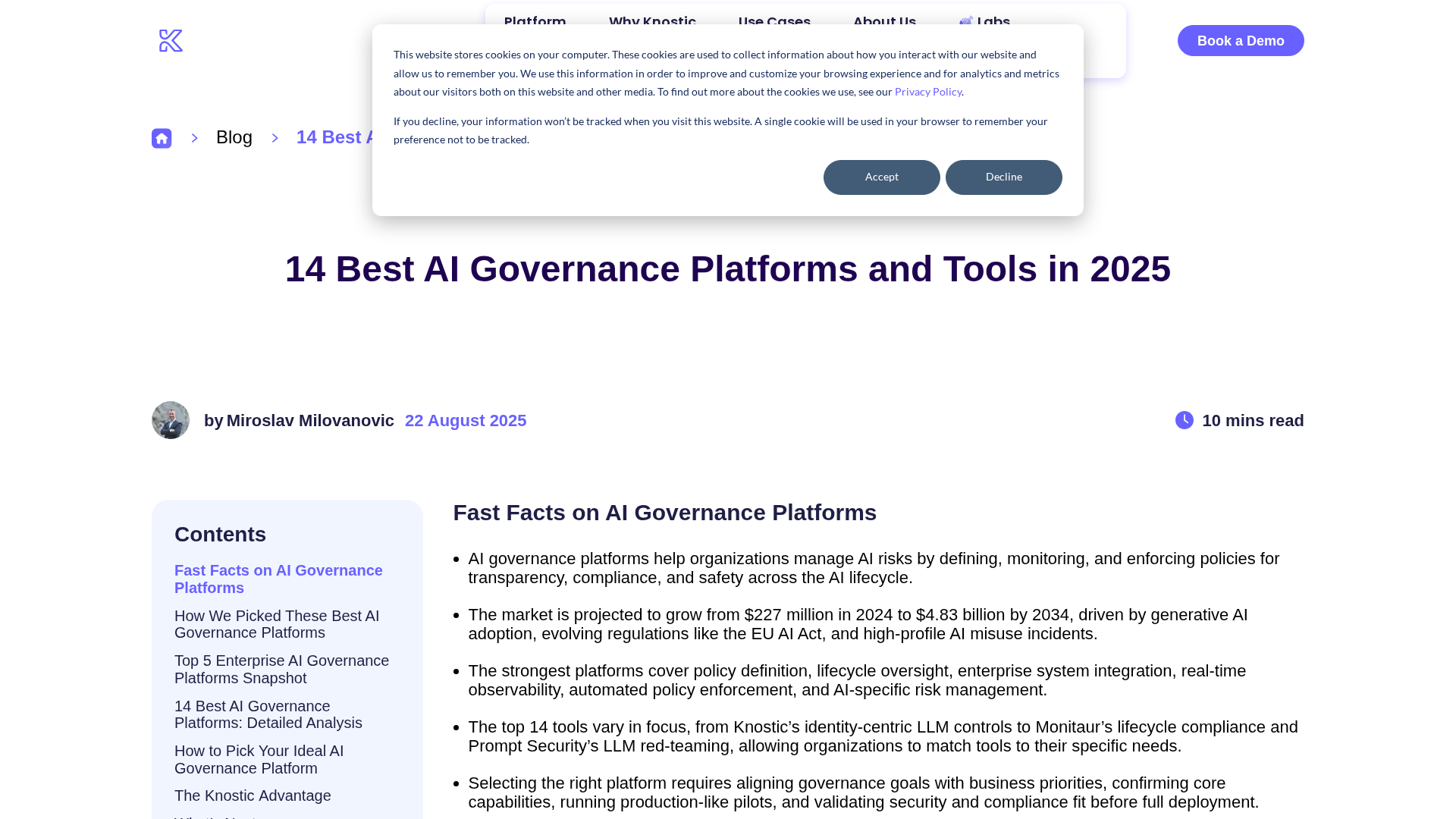
A vendor‑agnostic guide to the 14 best AI governance platforms in 2025, with criteria, comparisons, and practical buying guidance.
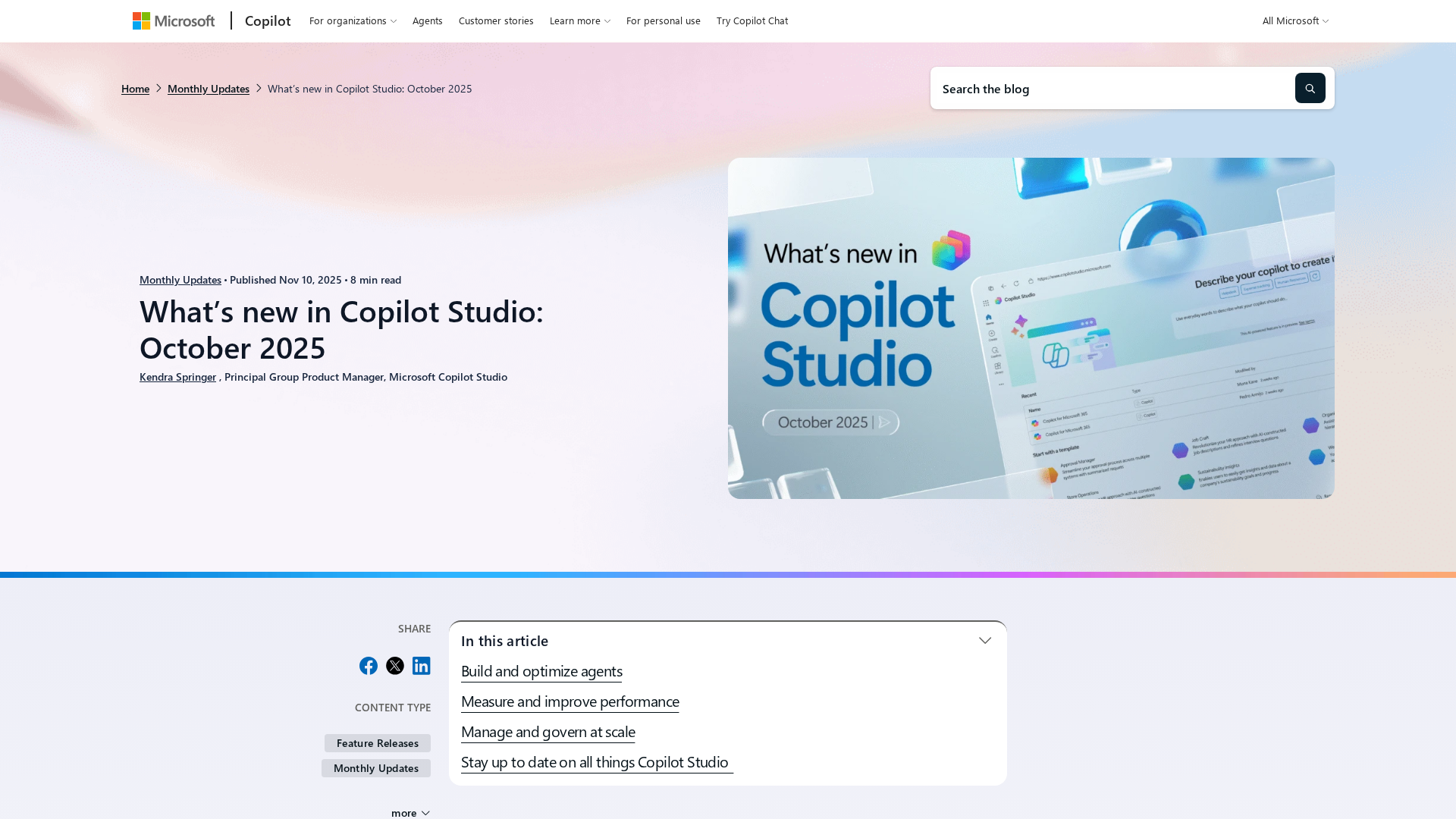
A comprehensive October 2025 roundup of Copilot Studio’s new testing, model, and governance features.

Adobe nears a $19 billion deal to acquire Semrush, expanding its marketing software capabilities, according to WSJ reports.
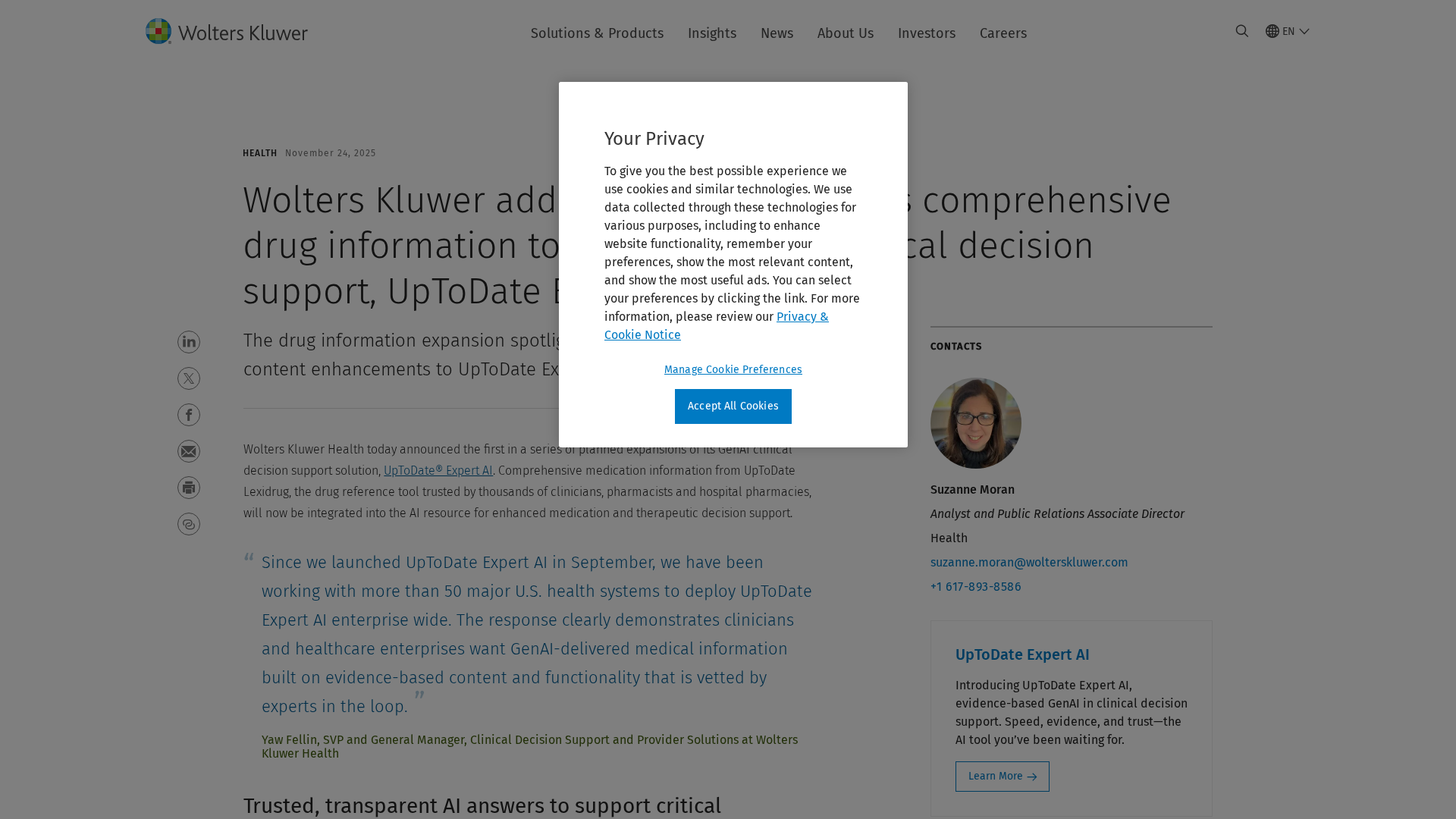
Wolters Kluwer expands UpToDate Expert AI with UpToDate Lexidrug to bolster drug information and medication decision support.
A practical, step-by-step guide to fine-tuning large language models with open-source NLP tools.