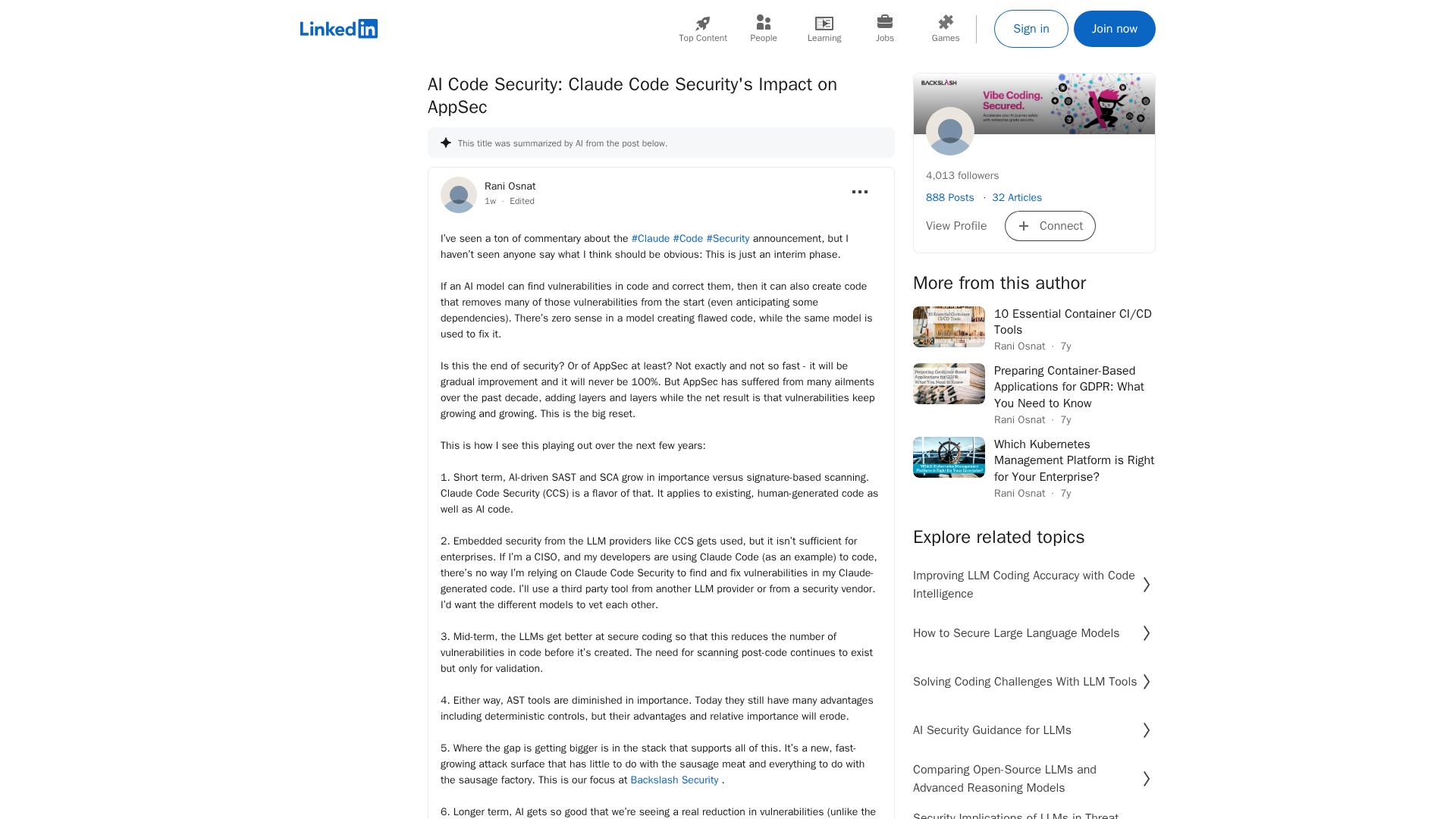
Topic Overview
This topic examines the emergence of specialized large language models (LLMs) tuned for code security—models and services that assist with vulnerability detection, secret scanning, secure‑coding recommendations, and developer workflow integration—using Anthropic’s Claude family (including code‑security oriented variants), Google’s Gemini and Vertex AI platform, Cohere, IBM watsonx Assistant, and Mistral AI as representative options. By 2026 these specialized LLMs are increasingly used as part of software supply‑chain security: augmenting SAST/DAST tools, producing explainable vulnerability traces, generating remediation suggestions, and powering developer-facing assistants that enforce policy and guardrails. Enterprise platforms (Vertex AI, watsonx, Cohere) emphasize private deployment, fine‑tuning, embeddings/RAG for project‑specific context, and operational controls (access, logging, model versioning) to meet governance needs. Providers like Mistral position open/efficient models for privacy‑focused deployments; cloud vendors (Google’s Gemini family, Anthropic’s Claude) offer multimodal and conversational capabilities that fit interactive code review and triage workflows. Key governance considerations include managing hallucination and overconfidence in vulnerability claims, preventing secret leakage and prompt‑injection, maintaining audit trails for model decisions, and validating model outputs with deterministic SCA pipelines and human review. Organizations evaluate tradeoffs between hosted convenience and on‑premises control, model explainability, and integration with CI/CD and ticketing systems. This area sits at the intersection of AI security governance and software engineering: adoption is driven by the need for scalable, continuous code inspection while demand for robust evaluation, reproducibility, and policy controls grows. Comparing vendors requires looking beyond raw capability to deployment options, governance primitives, model transparency, and integration with existing security toolchains.
Tool Rankings – Top 6
Anthropic's Claude family: conversational and developer AI assistants for research, writing, code, and analysis.

Google’s multimodal family of generative AI models and APIs for developers and enterprises.

Unified, fully-managed Google Cloud platform for building, training, deploying, and monitoring ML and GenAI models.

Enterprise-focused LLM platform offering private, customizable models, embeddings, retrieval, and search.

Enterprise virtual agents and AI assistants built with watsonx LLMs for no-code and developer-driven automation.

Enterprise-focused provider of open/efficient models and an AI production platform emphasizing privacy, governance, and
Latest Articles (69)
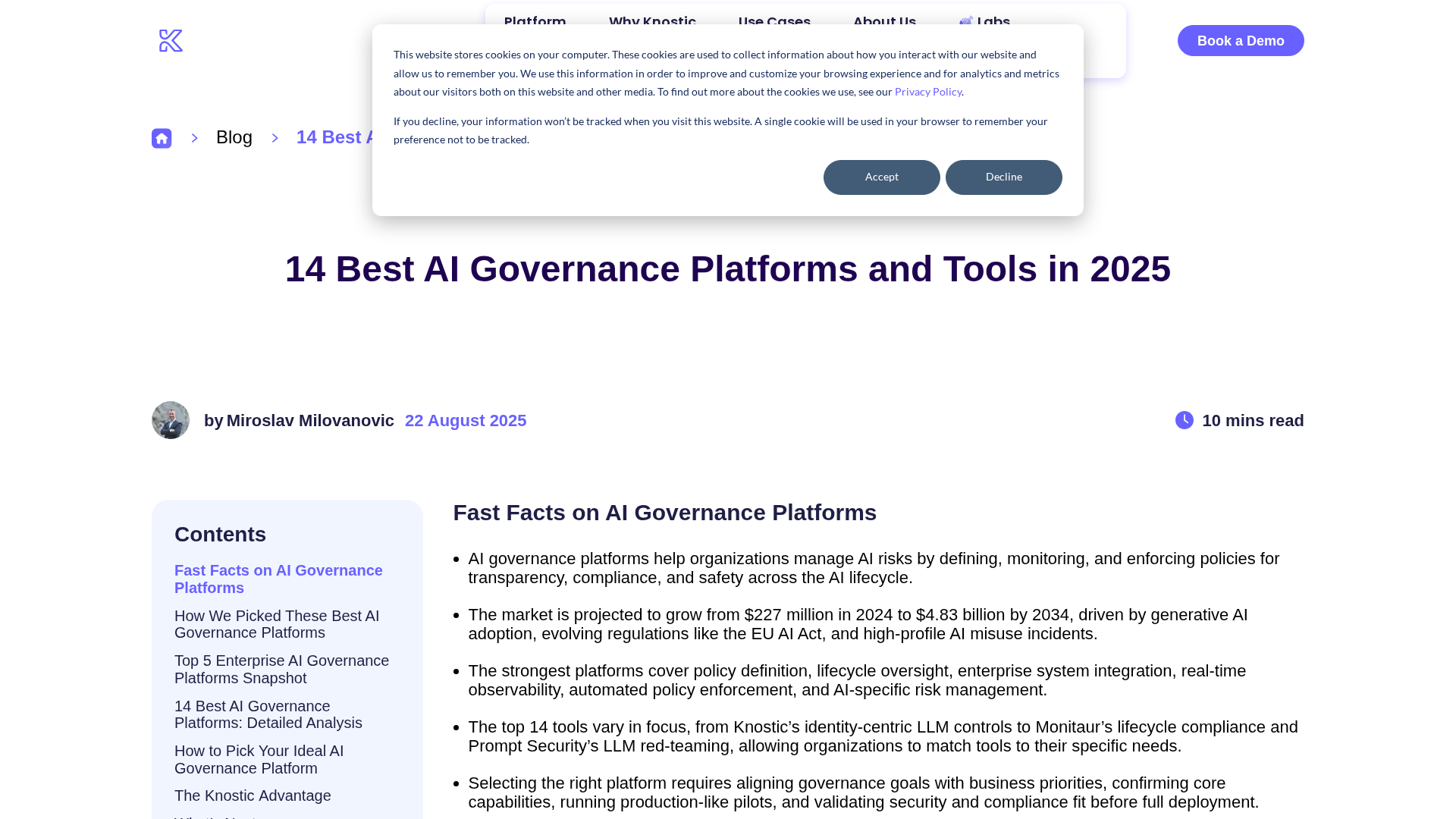
A vendor‑agnostic guide to the 14 best AI governance platforms in 2025, with criteria, comparisons, and practical buying guidance.
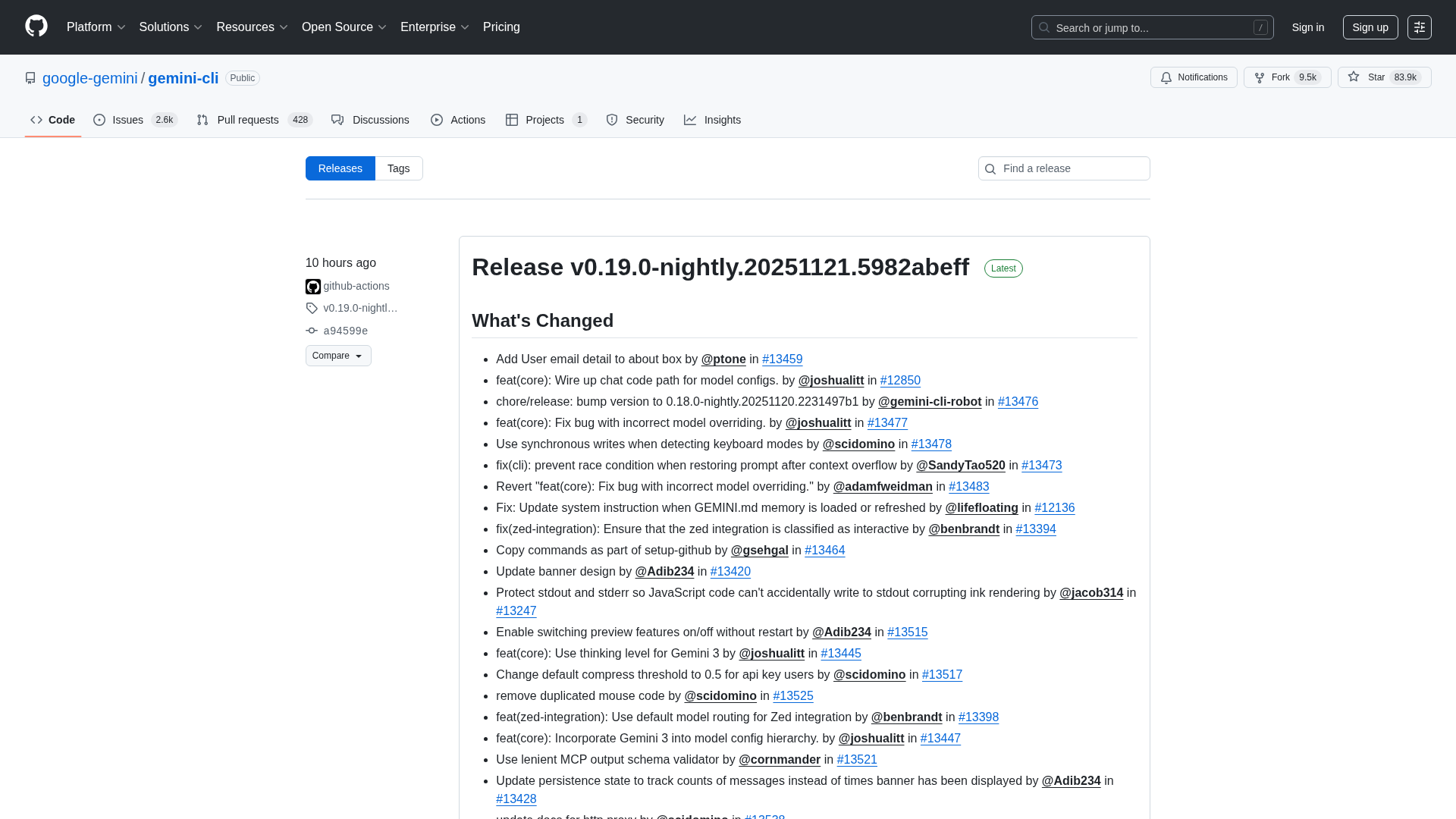
Overview of the Gemini CLI v0.36.0-preview release series, highlighting architectural, CLI, and UI changelogs across multiple pre-release versions.

Adobe nears a $19 billion deal to acquire Semrush, expanding its marketing software capabilities, according to WSJ reports.
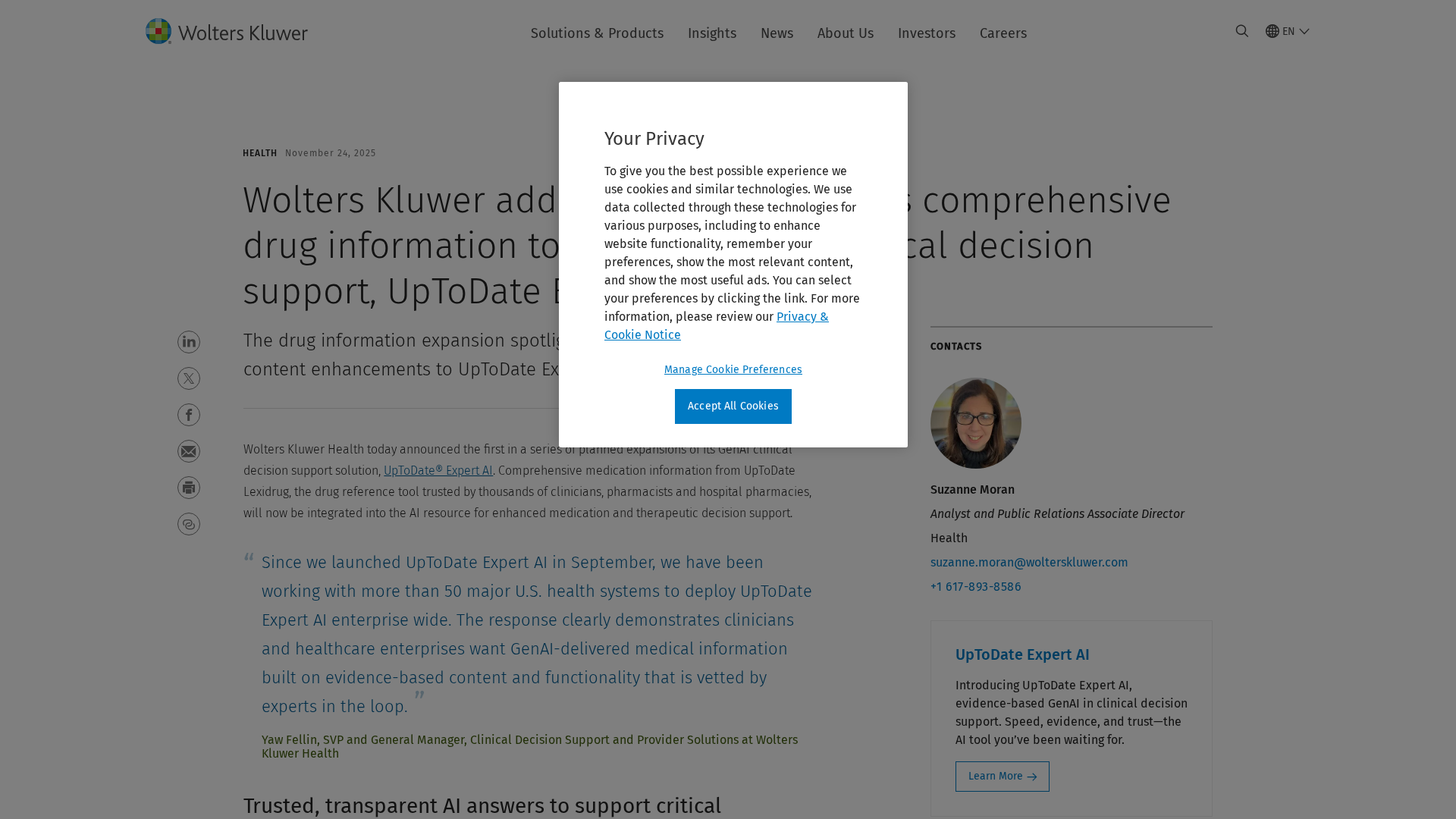
Wolters Kluwer expands UpToDate Expert AI with UpToDate Lexidrug to bolster drug information and medication decision support.
A practical, step-by-step guide to fine-tuning large language models with open-source NLP tools.