Topic Overview
This topic surveys the leading audio AI SDKs and tools used for spatial audio, generative sound, and speech enhancement, with an emphasis on production workflows for voice synthesis, transcription, and music generation. By 2026 these capabilities have moved from lab demos to integrated toolchains: production-grade TTS and voice cloning for podcasts and voice agents, real-time noise suppression and on-device models for privacy-sensitive apps, and generative music engines that produce complete tracks or adaptive soundscapes. Key tools and categories: ElevenLabs (expressive TTS, high-fidelity voice cloning, speech-to-text and voice agents); Murf AI (studio-grade TTS, multilingual dubbing, developer APIs); ACE–Step (open-source/ML-driven full-song generation from text or voice prompts); Evoke Music / Amadeus Code (AI sound generation, curated samples, Topline MIDI); Flowfi (adaptive lo-fi focus music); EchoPod and Podcastle (automated podcast production, transcription, cloning, and editing); Krisp (noise cancellation, real-time transcription, meeting audio enhancement). Complementing these are platform SDKs — Descript for multitrack editing and overdub workflows, Q.ai-style spatial audio SDKs for immersive positioning and room modeling, and Google/Apple audio tooling for on-device inference, spatial audio APIs, and low-latency processing. Why it matters now: actor-grade voice synthesis, reliable speech enhancement, and generative music have converged with scalable SDKs and APIs, enabling developers and creators to embed voice agents, immersive audio, and automated production into apps and media pipelines. Important trends include an emphasis on latency and on-device privacy, interoperable workflows between creation and post-production tools, and ethical considerations around voice cloning and licensing. This overview helps teams pick tools by capability—TTS/transcription, music generation, spatial audio, or cleanup/real-time enhancement—depending on product and compliance needs.
Tool Rankings – Top 6
Industry-leading AI audio platform for ultra-realistic text-to-speech, voice cloning, transcription, and voice agents.

Realistic AI text-to-speech, dubbing, and voice APIs with 200+ voices and multilingual support.
AI music gen: full songs in seconds!

Website rebranded as Amadeus Code offering FUJIYAMA AI SOUND generation, curated music & SFX library, Topline MIDI, and付
AI-powered lo-fi music that helps you focus and flow.
Transform written content into captivating AI podcasts
Latest Articles (25)
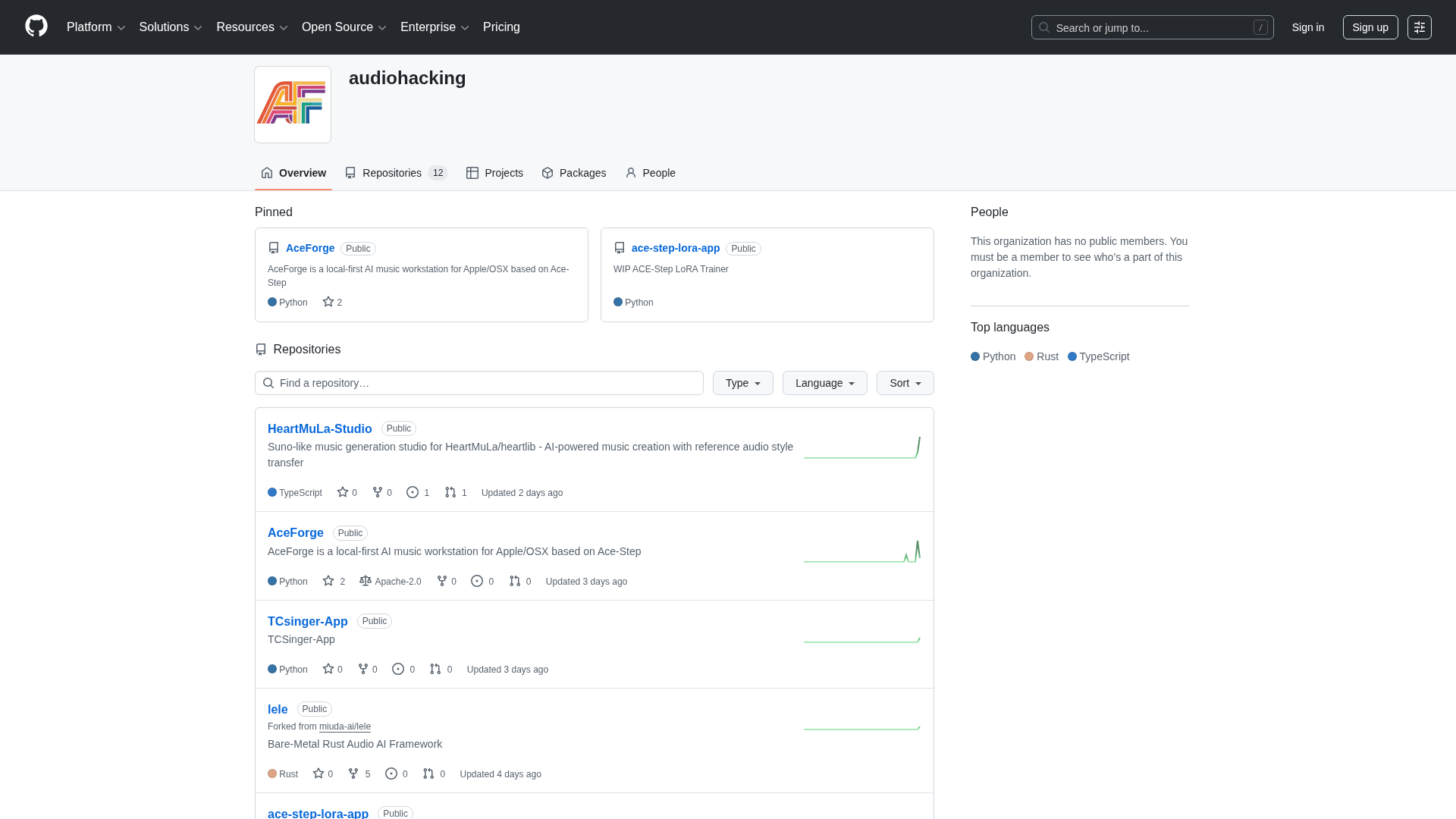
A local-first AI music toolkit ecosystem featuring Suno-style studio, ACE-Step diffusion, and ComfyUI integrations.

Guía detallada para usar ACE-Step en ComfyUI, con flujos nativos y nodos personalizados para generación musical multilingüe.
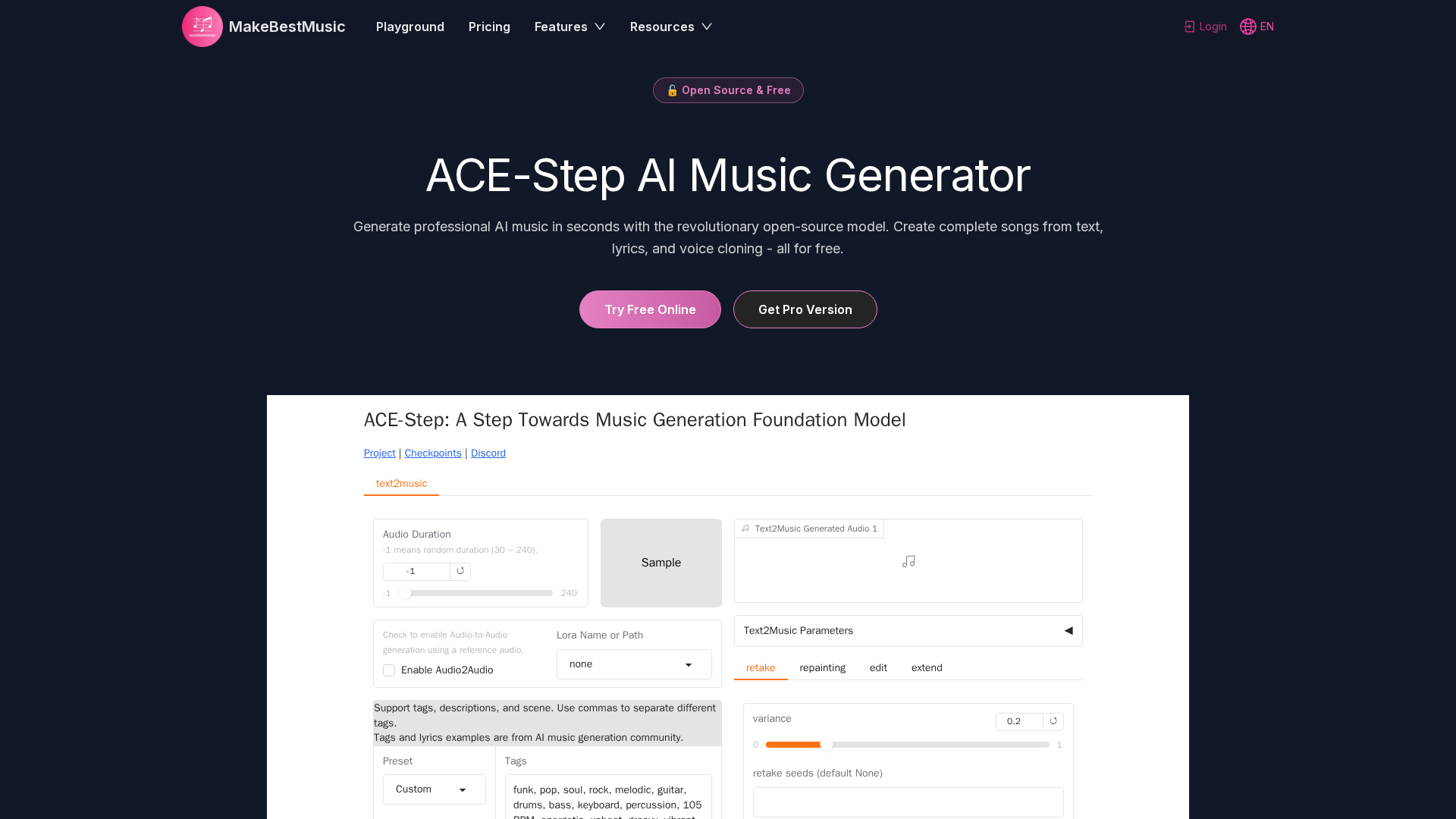
Free open-source AI music generator to create complete songs from text, lyrics, and voice cloning with local setup.
Cannot generate a precise preview without the article text.
A New Year update on Threads from Podcastle AI; content not provided in this prompt.