Topic Overview
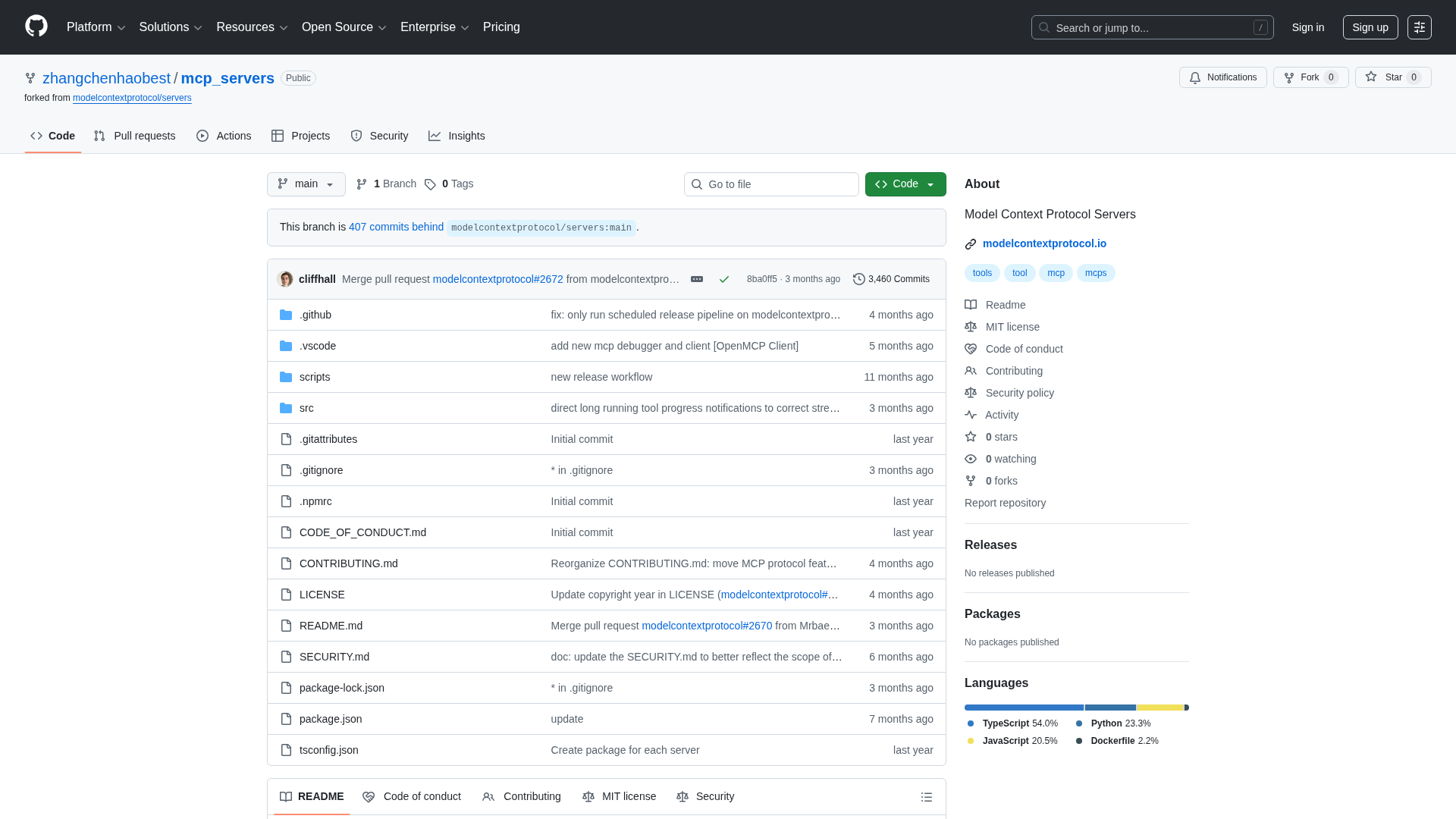
This topic covers enterprise AI orchestration and digital‑twin platforms—often described as Physical AI Orchestrators or Omniverse‑based solutions—that coordinate data pipelines, simulation, and operational tooling for real‑world systems. These platforms combine data pipeline orchestration, cloud platform integrations, and tool integrations to run, test and govern AI agents across simulated and physical environments. Key building blocks include pipeline schedulers like Dagster used with MCP servers to manage ingestion and transformation flows; BlenderMCP, which links Blender to LLMs for prompt‑driven 3D scene creation and content authoring; MCP Toolbox for Databases, which handles secure connection pooling and simplifies database tool development; and cloud MCP servers for Azure and AWS that expose cloud services, identity and telemetry through a consistent Model Context Protocol (MCP) interface. As of 2025‑11‑26, adoption is driven by three converging trends: (1) proliferation of agentic, multi‑modal applications that need deterministic access to tools and data; (2) greater use of real‑time simulation and photoreal rendering (e.g., NVIDIA Omniverse) to build digital twins for manufacturing, robotics and planning; and (3) a push toward standardized, auditable integrations (MCP) to reduce bespoke glue code, improve security, and enable observability. Enterprise priorities are scalability, low‑latency connectivity between simulation and cloud services, governance for tool access, and reproducible pipelines. Practical implementations therefore combine orchestration layers (scheduling, retries, lineage), MCP‑based adapters for tools and clouds, and simulation runtimes for closed‑loop testing. Understanding these components helps teams evaluate tradeoffs in latency, security, and interoperability when choosing an enterprise AI orchestration or digital‑twin platform.
MCP Server Rankings – Top 5

An MCP server to easily build data pipelines using Dagster.

Blender integration allowing prompt enabled 3D scene creation, modeling and manipulation.

Open source MCP server for databases enabling easier, faster, secure tool development.

A single MCP server enabling AI agents to access Azure services via MCP.
Specialized MCP servers that bring AWS best practices directly to your development workflow.