Topic Overview
Long-term LLM context — persistent, retrievable memory about users, documents, and system events — has moved from research curiosity to production requirement. By late 2025, organizations building AI agents and search experiences need reliable vector databases, embedding pipelines, and memory lifecycle controls to support personalization, compliance, and multi-session workflows. This topic covers the technical and product patterns for storing, indexing, retrieving, and governing persistent embeddings and state used by retrieval-augmented generation (RAG) and agent architectures. Key categories include AI data platforms that manage embeddings and pipelines; enterprise search platforms that combine semantic and keyword search with access controls and observability; and personal knowledge management tools that surface long-lived user context. Representative developer and platform tools illustrate these roles: LangChain provides engineering frameworks and an agent-focused stack (including a stateful LangGraph component) for building and testing memory-enabled applications; MindStudio offers a no-code/low-code visual environment with enterprise controls to design, test, and deploy agent workflows; and GPTConsole supplies developer SDKs, APIs, CLIs and data infrastructure for event chaining, lifecycle management, and memory persistence. Practical considerations covered here include vector store selection (latency, scale, consistency), embedding versioning, time-aware and hierarchical memory strategies, hybrid retrieval (semantic + sparse), cost/latency tradeoffs, and observability for memory correctness. Enterprise requirements — encryption, role-based access, retention policies, and auditability — are increasingly central. The result is an operational stack where memory systems are first-class components of production LLM applications, enabling safer, more contextual, and repeatable behavior across sessions and teams.
Tool Rankings – Top 3

Engineering platform and open-source frameworks to build, test, and deploy reliable AI agents.

No-code/low-code visual platform to design, test, deploy, and operate AI agents rapidly, with enterprise controls and a

Developer-focused platform (SDK, API, CLI, web) to create, share and monetize production-ready AI agents.
Latest Articles (18)
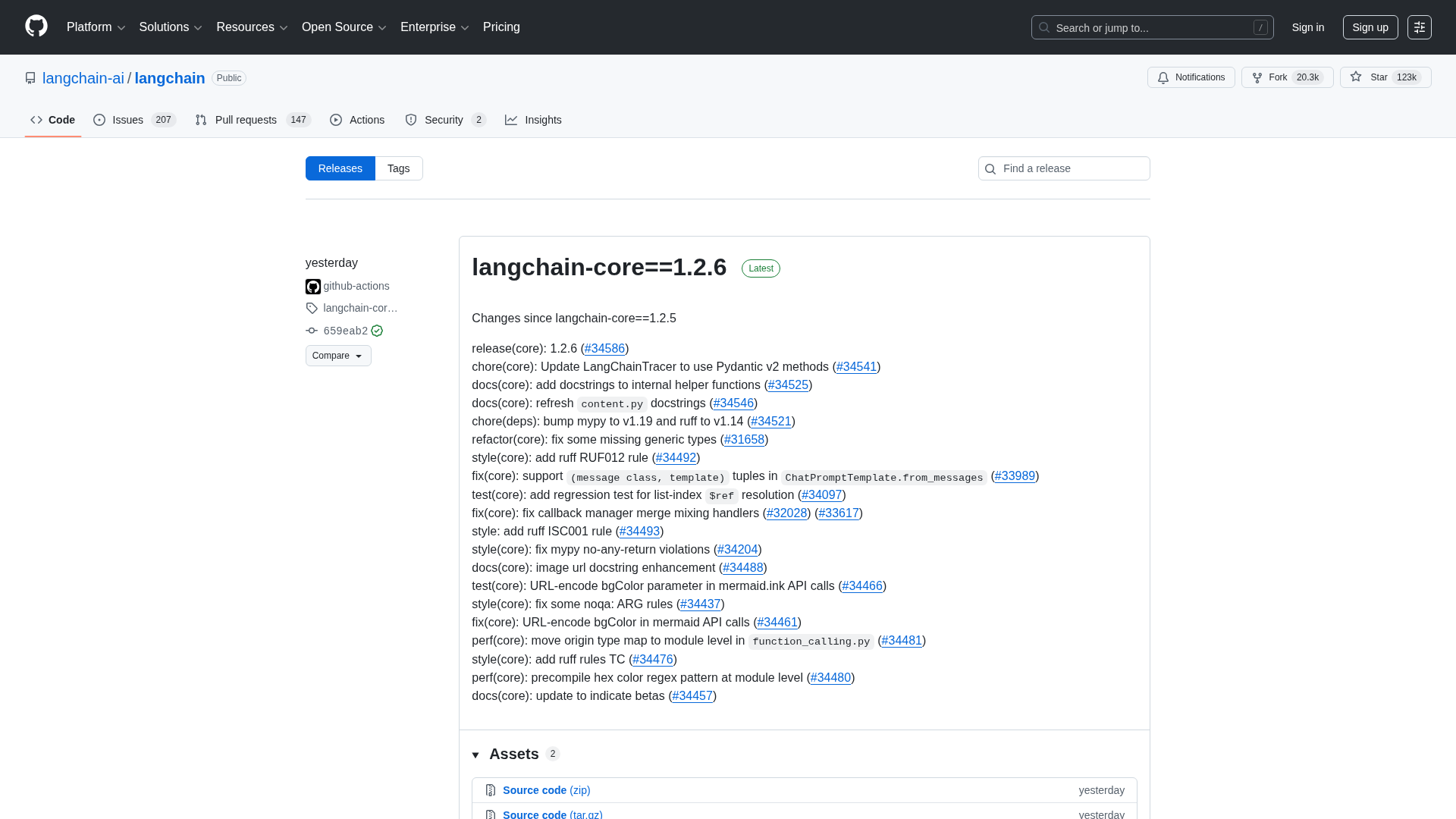
A comprehensive LangChain releases roundup detailing Core 1.2.6 and interconnected updates across XAI, OpenAI, Classic, and tests.

Cannot access the article content due to an access-denied error, preventing summarization.

A quick preview of POE-POE's pros and cons as seen in G2 reviews.
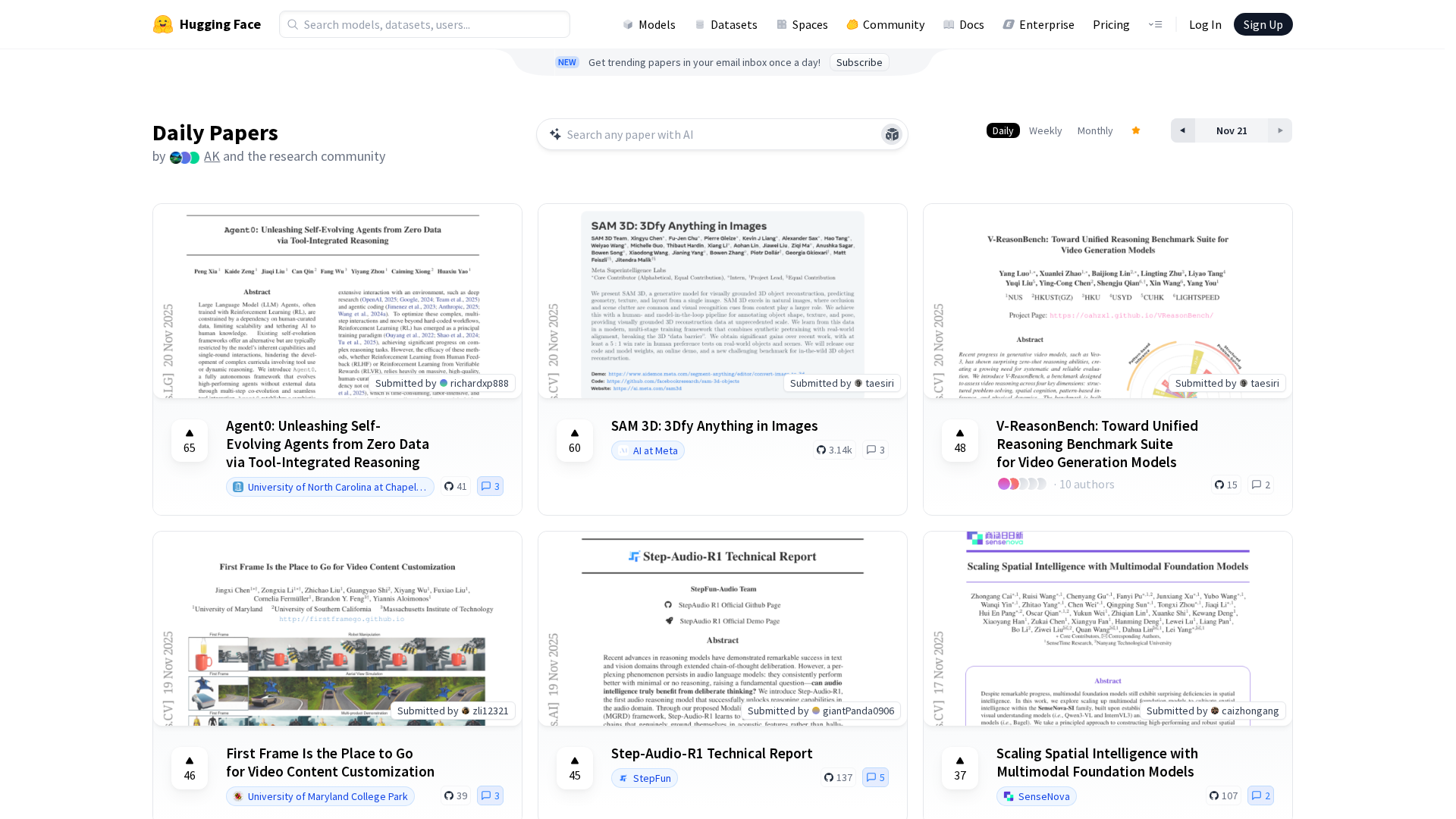
Get daily, curated trending ML papers delivered straight to your inbox.
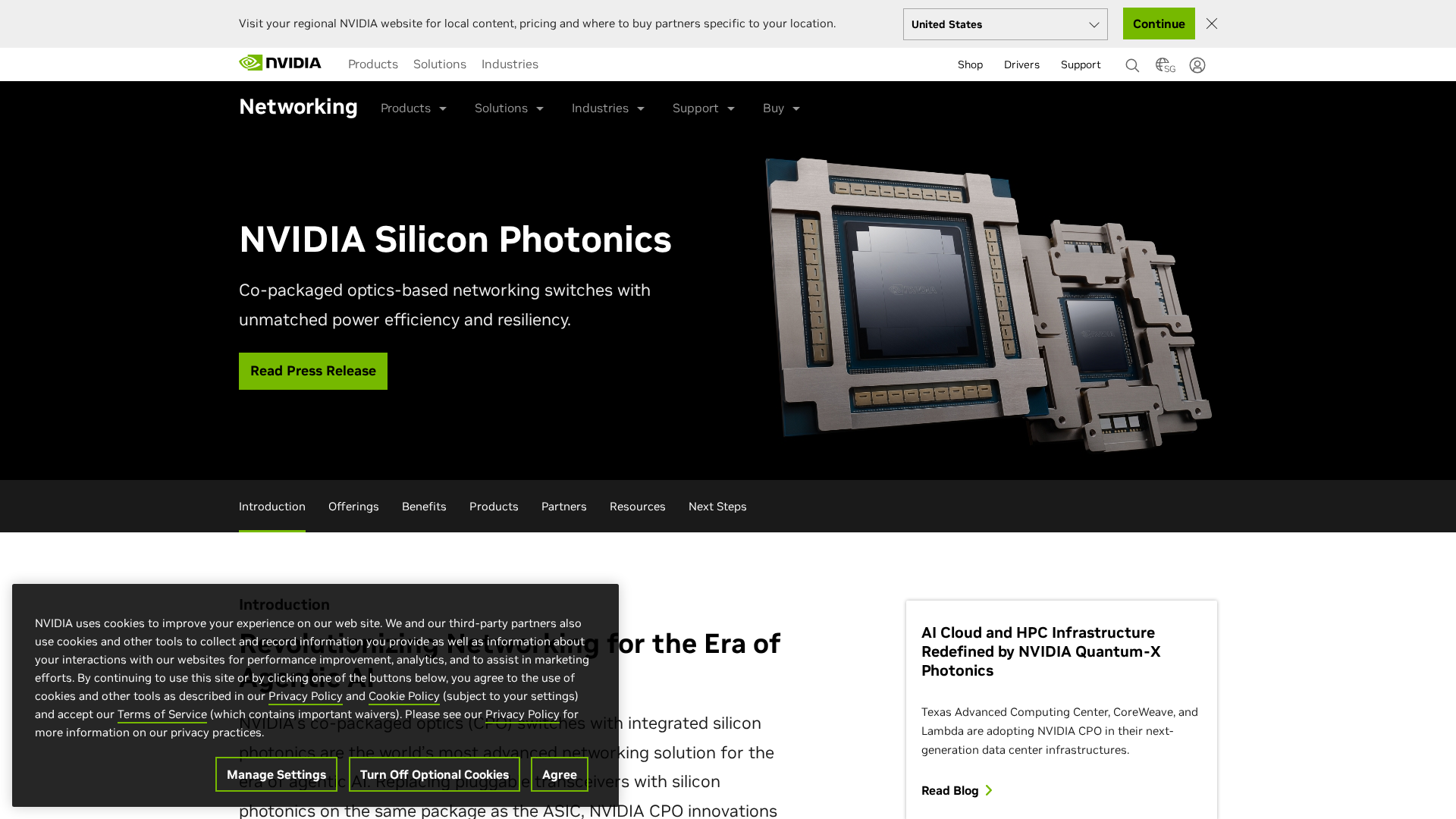
NVIDIA unveils co-packaged silicon photonics switches delivering major power efficiency and resiliency for AI-scale data centers.