
Overview
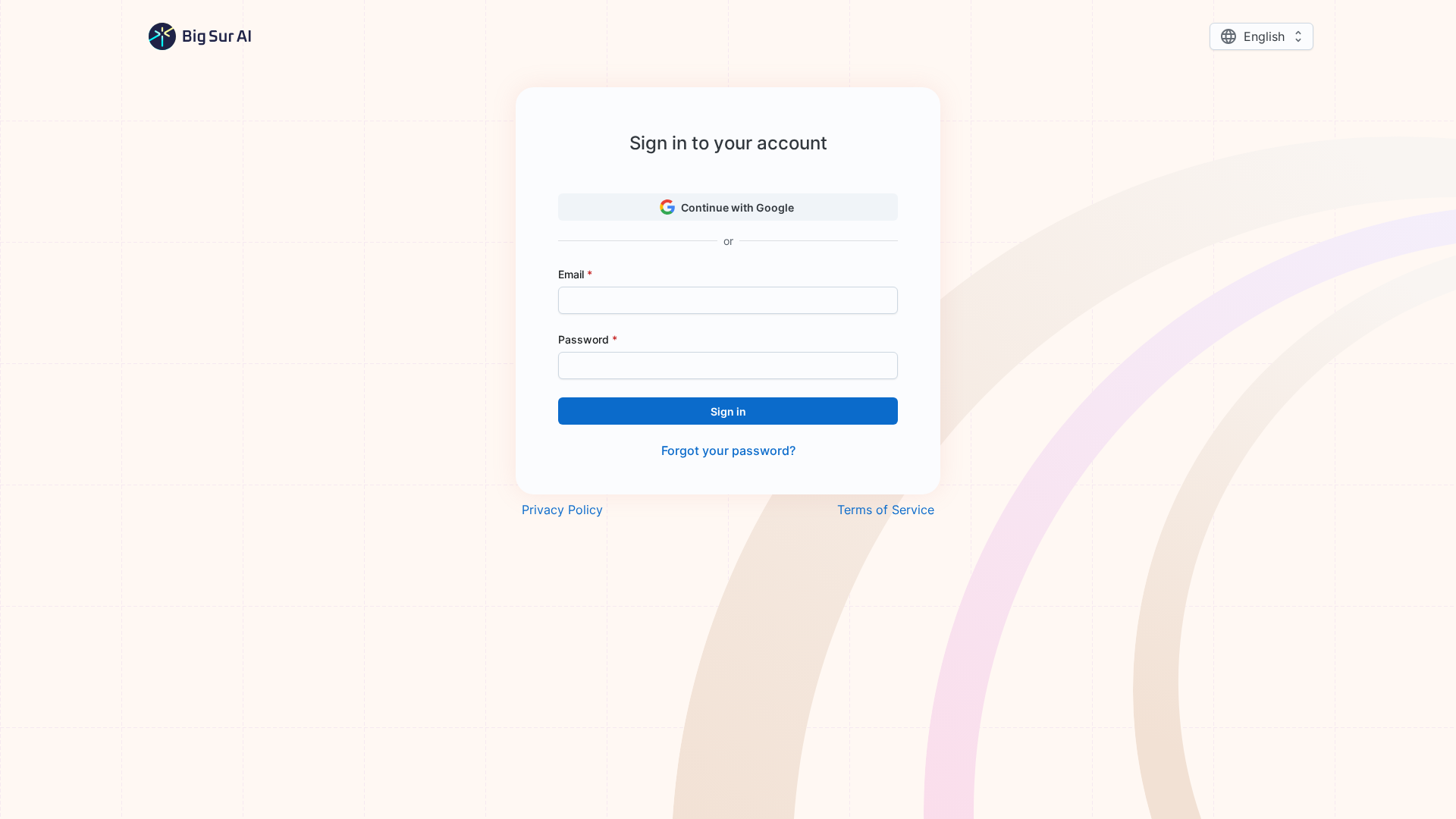
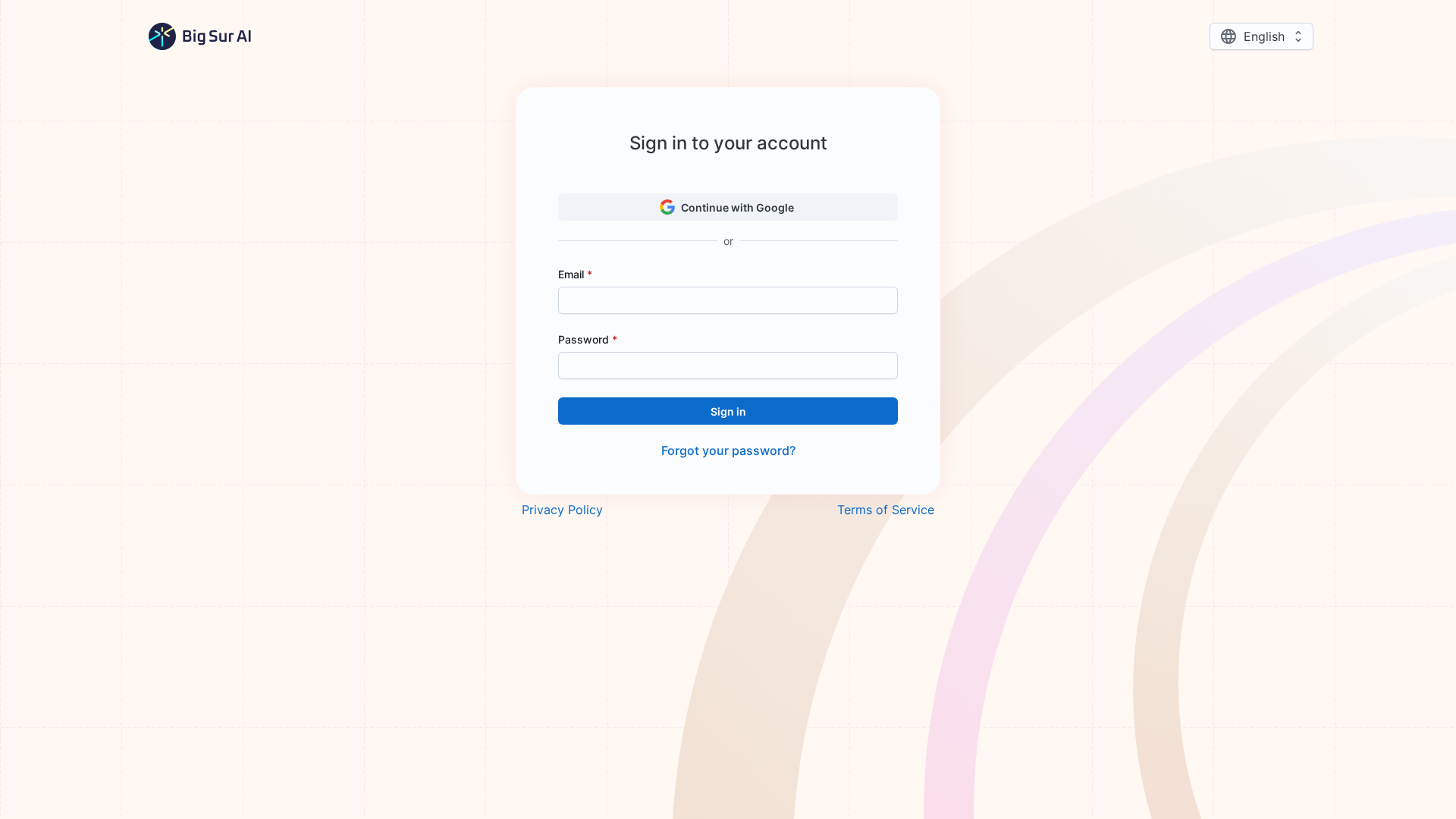
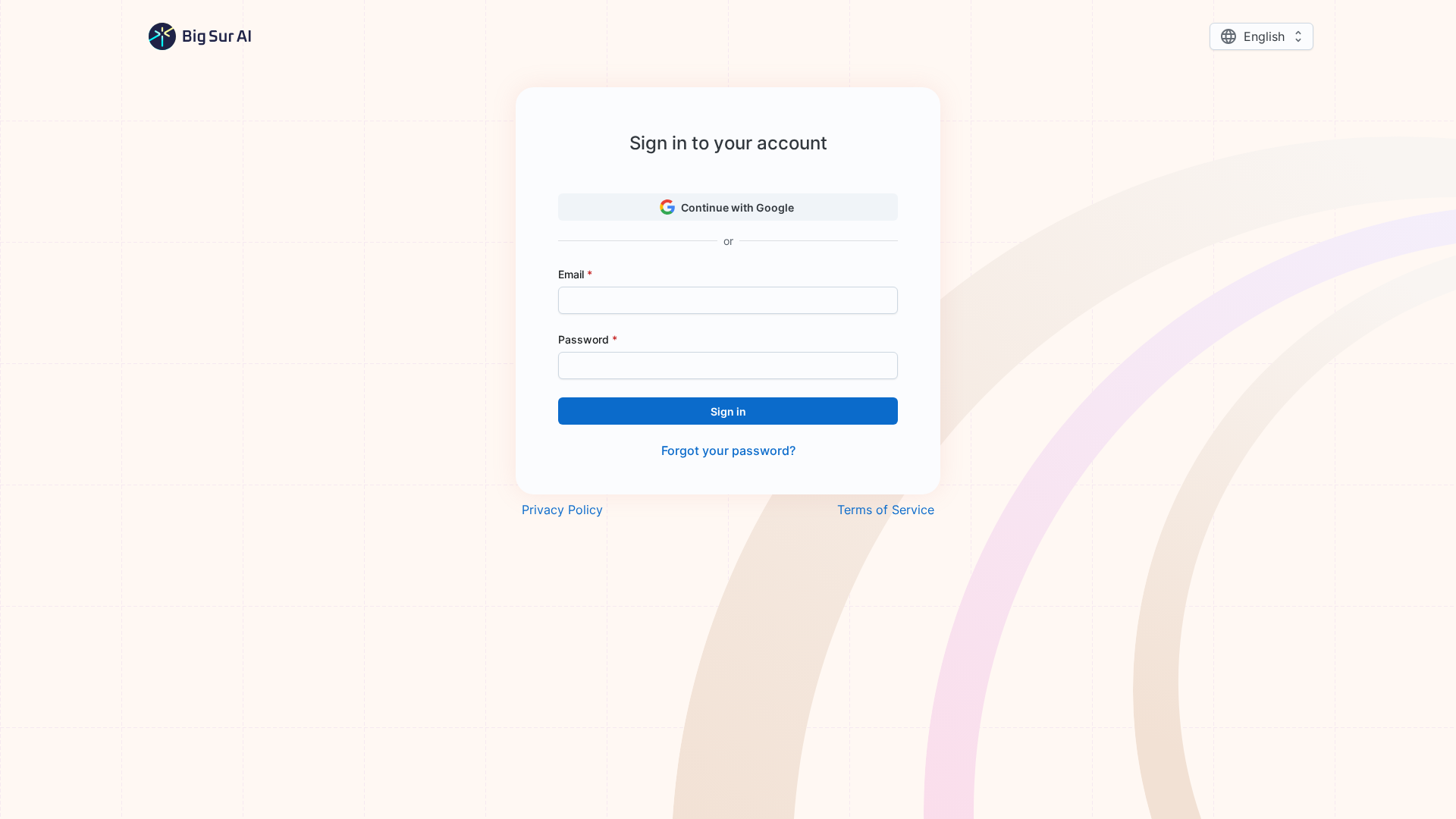
I visited Big Sur AI public web properties and collected all publicly accessible information. Publicly available content includes: the root domain which redirects/exposes the Hub sign-in gateway rather than a public product/details page; a Hub sign-in page (hub.bigsur.ai) that requires authentication (Continue with Google or Email+Password) and links to Privacy Policy and Terms of Service; a /pricing route that is present but gated and returns the sign-in screen instead of public pricing tiers; multiple blog posts that describe product capabilities (e.g., ecommerce AI, ready-to-go industry-specific bots, tradeoffs between custom GPTs and no-code chatbots) and mention a commission-based pricing model for merchants; a publicly accessible Terms of Service (TOS) covering license restrictions, billing & renewal, suspension/termination, data processing, liability cap, and governing law; and a public Privacy Notice describing service data handling, retention, transfers, and user rights. What is publicly visible (summary): - Root site behavior: redirects to sign-in hub; no public product UI visible without signing in. - Hub (hub.bigsur.ai): sign-in only. Options observed: Continue with Google, Email+Password, Forgot password, links to Privacy Policy and TOS. No in-Hub content visible without authentication. - Pricing page (/pricing): exists but content gated; automated extraction returned the login page, so no public pricing tiers found. - Blog content: at least two posts observed (ecommerce AI and custom GPT vs no-code chatbots) that reveal product hints: AI-powered chatbots, ready-to-go industry bots, merchant-focused capabilities, and mention of a commission-based pricing option for merchants. - Terms of Service (/terms): full TOS publicly available. Key points include a limited revocable business-use license, restrictions (no resale, reverse engineering, etc.), automatic renewal by default, refunds limited to unused prepaid amounts in many cases, grounds for suspension/termination, data processing and aggregation rights for Big Sur AI, limited warranty and liability cap (greater of fees paid in prior 12 months or $100), and California governing law. - Privacy Policy (/privacy-policy): public privacy notice present; describes service data processing, retention, cross-border transfers, and user rights in a Google Cloud acquisitions-style format. What is not publicly available (gated behind Hub sign-in or not found): - Detailed pricing plans (tiers, monthly/annual costs) — pricing page returns the sign-in page. - Full product UI, dashboards, feature matrix, demos, and admin settings — require Hub access. - Trial offers, self-serve signup/checkout/billing UI — not visible publicly. - Contact/sales email or phone number — not found on the public pages accessed; may exist inside the Hub or other subdomains. - API docs, enterprise SLAs, support tiers, and security/compliance documentation — if present, appear to be inside the Hub or available on request from sales. Product hints from public content (what can be inferred from available public pages): - Product type and capabilities: AI-powered chatbots and e-commerce AI tools; ready-to-go industry-specific bots; integrations with third-party platforms are mentioned in blog content. - Pricing hint: a blog post explicitly mentions a commission-based pricing option for merchants (pay for sales attributed to the software). This indicates at least one non-subscription pricing model; other pricing models (subscription, enterprise invoicing, etc.) are not publicly documented. - Legal/enterprise posture: TOS and Privacy Notice are comprehensive and publicly accessible, indicating standard legal terms (data processing rights, liability limits, auto-renewal, etc.). Recommended next steps to finish information collection (as observed and suggested): 1) Sign in to the Hub (requires account) to access product dashboards, features, integrations, API docs, in-Hub pricing and billing pages, admin/enterprise pages (SLAs, support tiers, contract details). 2) If you prefer not to create an account, contact Big Sur AI sales/support and request: public pricing sheet (all tiers, monthly & annual pricing, enterprise pricing), trial/demo options, feature/capability matrix and integrations, billing/pricing model clarification (commission vs subscription; minimums, revenue share rates), security/compliance documentation (SOC2, PCI, HIPAA if relevant), data residency/DPA, and SLA/support levels. 3) If signing in, use Continue with Google or create an account via email. If no self-serve sign-up is available, request access from sales. 4) Carefully review the published Terms of Service and Privacy Notice for contractual and data-processing red flags (liability cap, data use rights, auto-renewal, customer obligations). Notes on data reliability and scope: All information in this summary was collected from publicly accessible pages. The majority of product specifics (detailed pricing, full feature set, API documentation, enterprise offerings) are gated behind authentication and were not measured or extracted. No data was fabricated — where details were unavailable publicly they are marked as gated/unknown.
Key Features
AI-powered chatbots
Public blog posts and site hints indicate the product offers AI chatbots for customer interaction and commerce use cases.
E-commerce-focused capabilities
Blog content discusses ecommerce AI and merchant features, including a commission-based pricing mention for merchants.
Ready-to-go industry bots
Articles reference ready-to-go, industry-specific bots and tradeoffs between custom GPTs and no-code chatbots.
Integrations (mentioned)
Blog posts reference integrations with third-party platforms, but specific connectors are not documented publicly.
Hub sign-in gated product
Primary product UI, dashboards, pricing details, API docs, and admin settings are behind hub.bigsur.ai sign-in and not publicly accessible.
Public legal and privacy documentation
Terms of Service and Privacy Policy are publicly accessible and contain standard clauses on data processing, liability, renewal, and user rights.
Who Can Use This Tool?
- Ecommerce merchants:Evaluate AI chatbots and commerce tools; consider commission-based merchant pricing and integration needs.
- Businesses:Assess chatbot capabilities, enterprise features, SLAs, and legal/data-processing terms for procurement.
Pricing Plans
Pricing information is not available yet.
Pros & Cons
✓ Pros
- ✓Public TOS and Privacy Policy available and comprehensive
- ✓Blog posts provide product hints (chatbots, ecommerce focus, commission pricing mention)
- ✓Root domain and Hub clearly indicate where product access is gated (useful for next-step planning)
✗ Cons
- ✗Detailed pricing plans and trial/billing flows are gated behind Hub sign-in and not publicly accessible
- ✗Full product UI, feature matrix, integrations, and API docs are not available without authentication
- ✗No public contact/sales email or phone number found on the accessed public pages
Compare with Alternatives
| Feature | Big Sur AI | Winchat | Chatterdocs |
|---|---|---|---|
| Pricing | N/A | N/A | N/A |
| Rating | 8.3/10 | 8.0/10 | 8.1/10 |
| Ecommerce Toolkit | Yes | Yes | Partial |
| Prebuilt Bots | Yes | Partial | Partial |
| No-Code Builder | Yes | Yes | Yes |
| Deployment Channels | Web-only | Web-only | Web, API, Slack |
| Integration Depth | Light integrations | Moderate integrations | Deep integrations |
| Privacy & Compliance | Yes | Yes | No |
| Analytics & Conversion | No | Yes | Yes |
Related Articles (6)
A practical guide for operators to deploy and manage AI agents safely and effectively.
A practical guide to using AI-powered landing page and SEO tools for Shopify stores to boost conversions and visibility.
AI-powered ecommerce landing pages that personalize content and boost conversions.
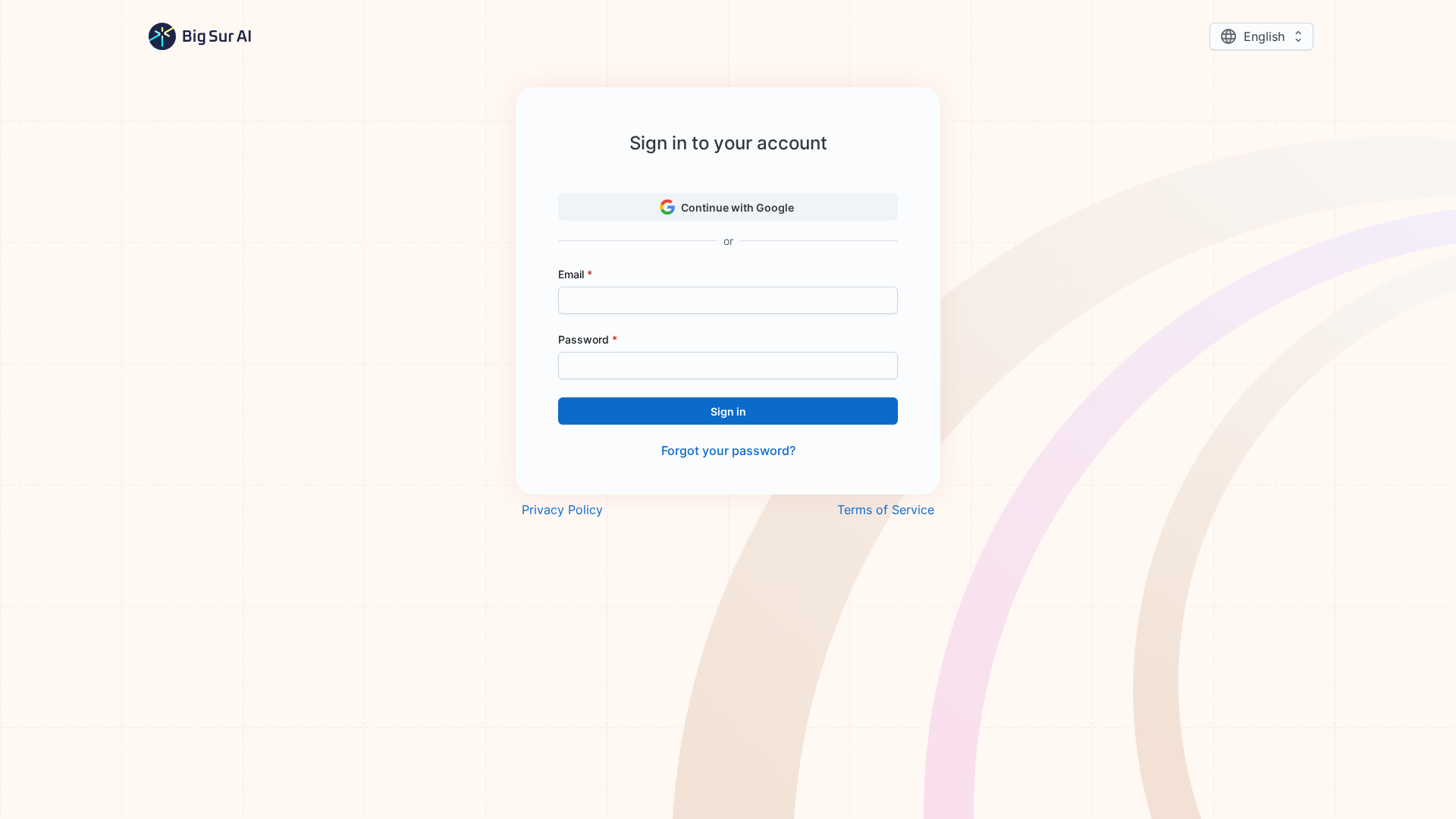
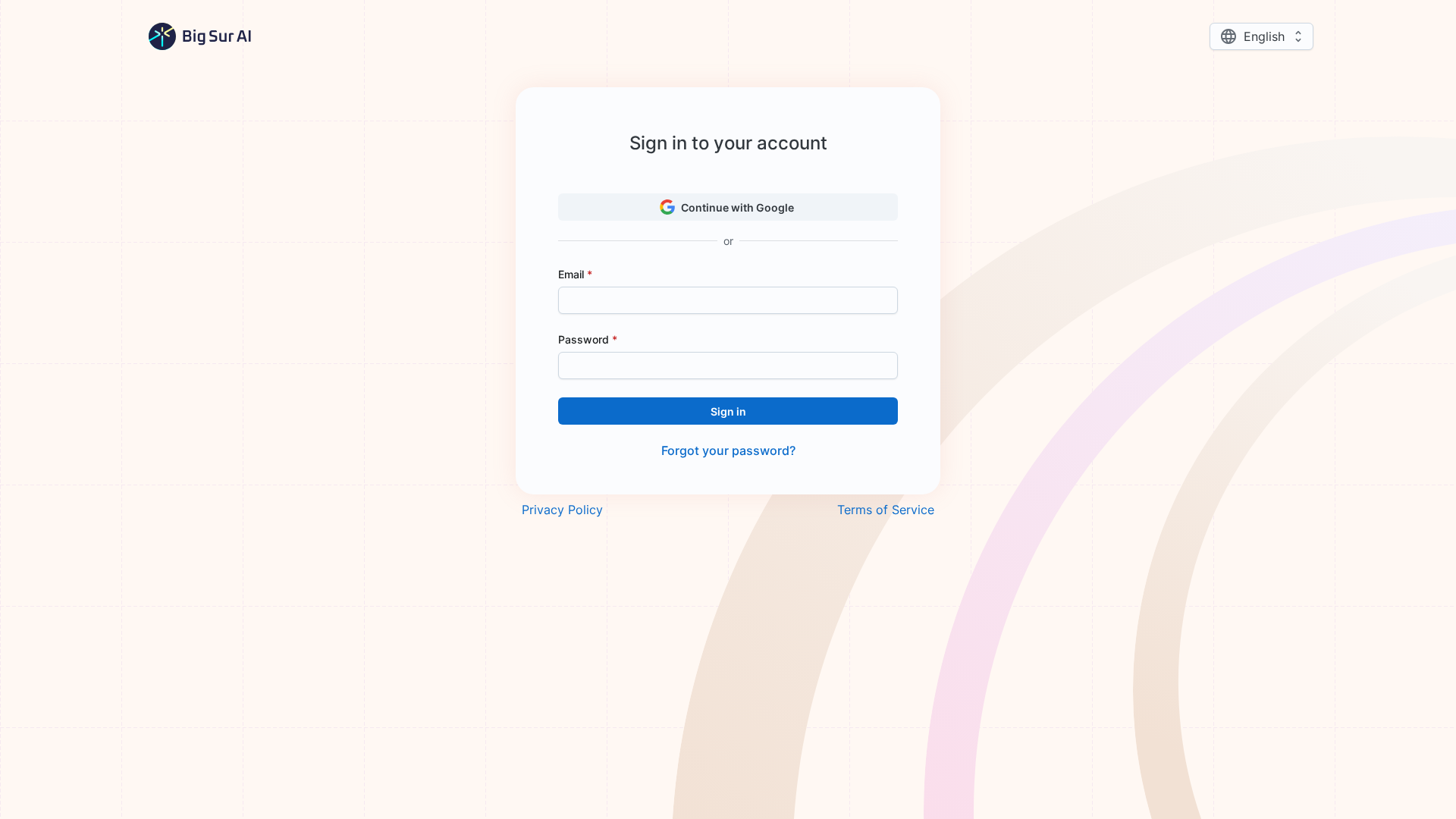
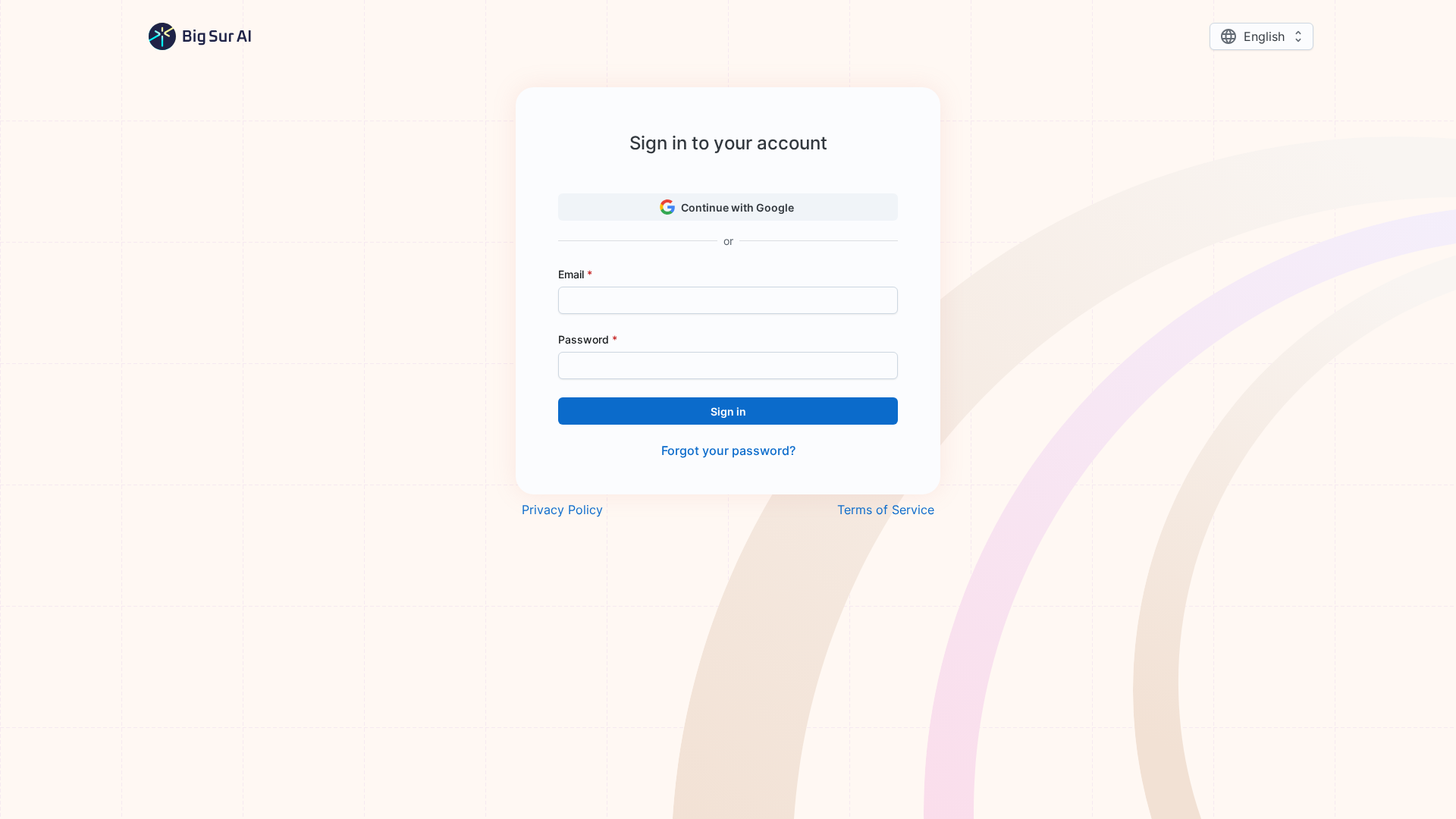
A concise look at Big Sur AI Hub’s sign-in UX, including Google and email authentication plus password recovery.
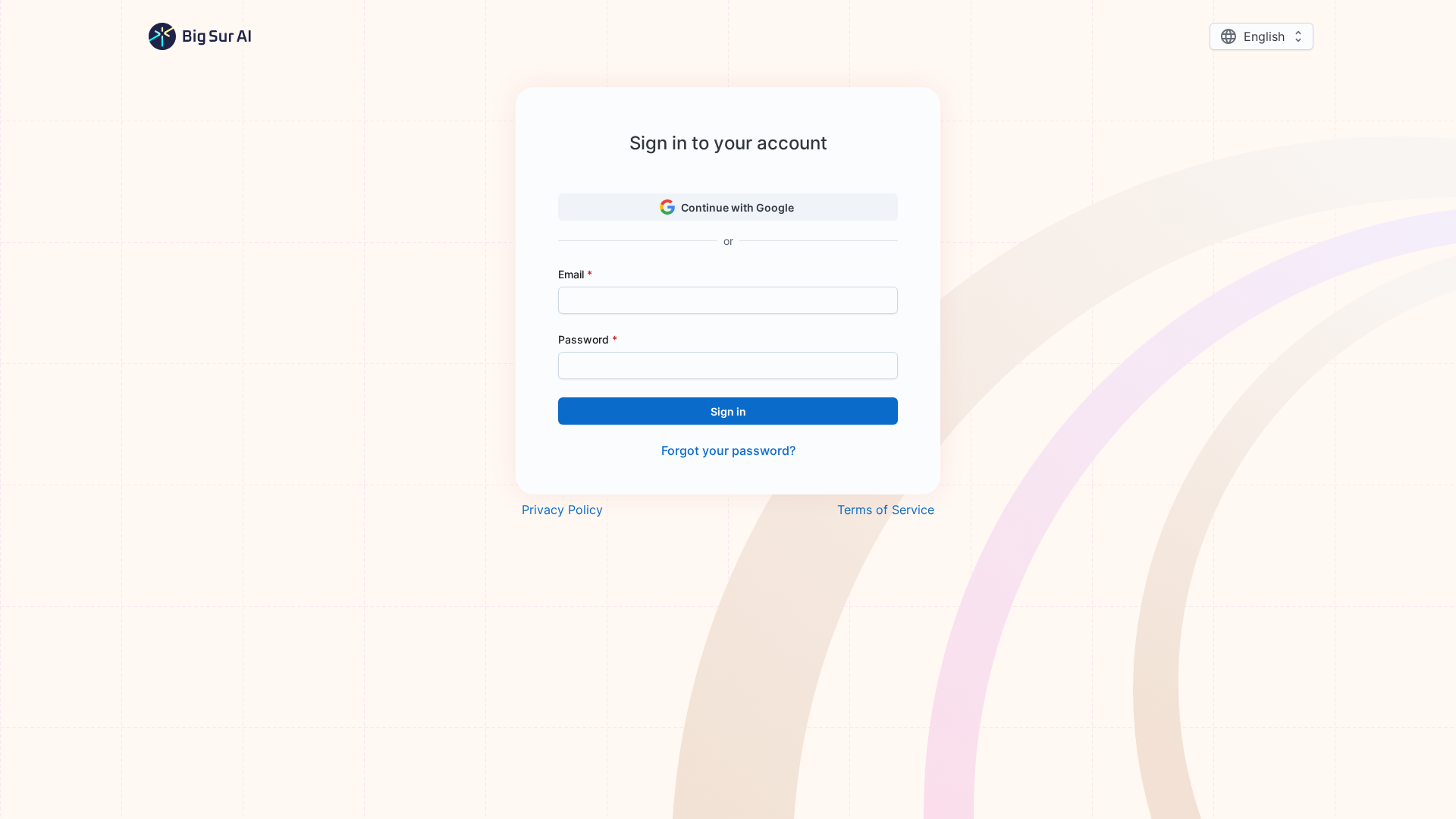
A quick look at Big Sur AI Hub's sign-in page, featuring Google-first authentication and traditional email/password options.
