
Overview
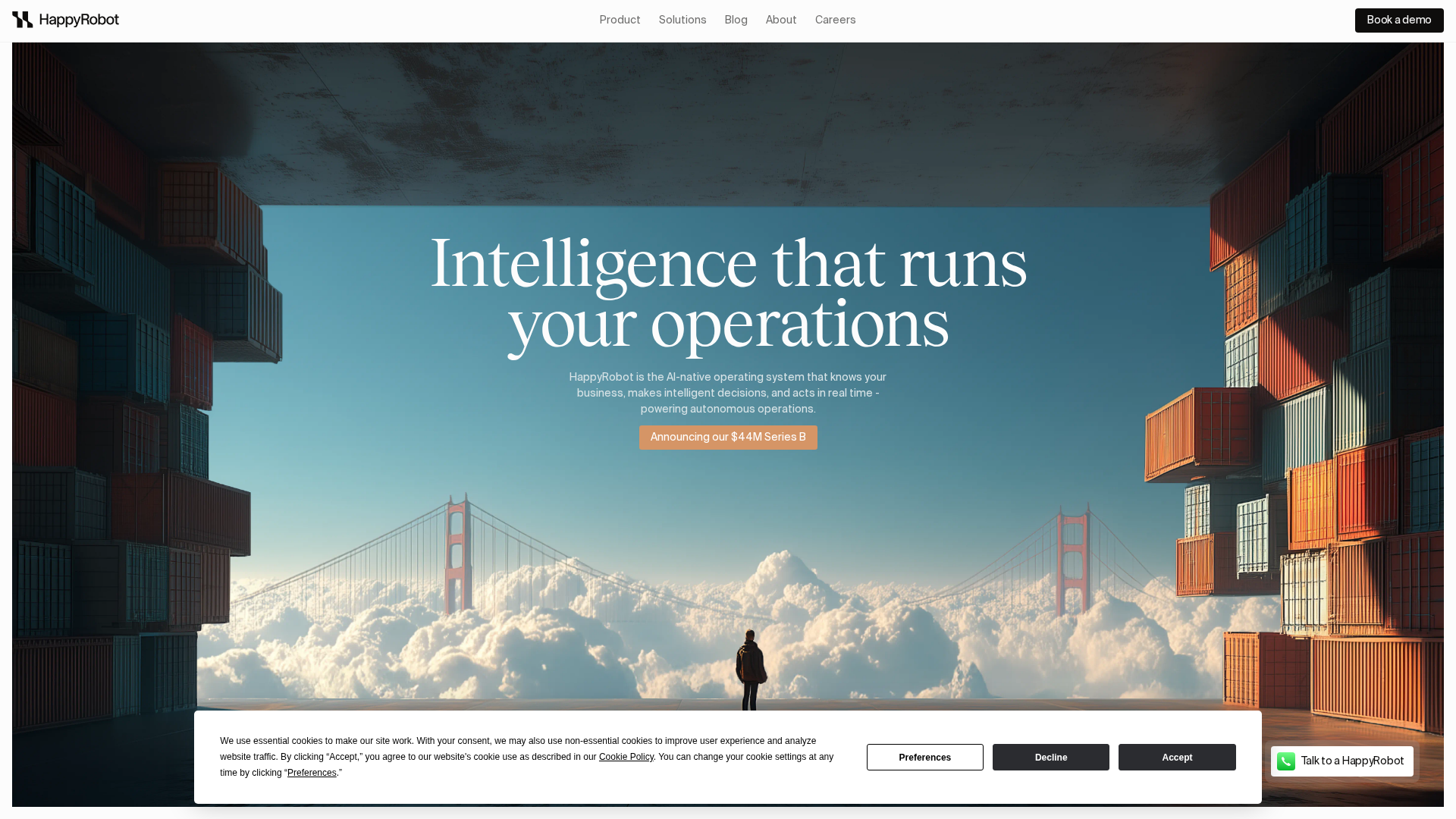
Summary of findings from reviewing happyrobot.ai and product pages. Product overview: HappyRobot presents an AI-native operating system for building, deploying, and supervising autonomous AI workers that perform end-to-end tasks for real-time business operations (initial vertical focus on supply chain/logistics). Key marketed capabilities include real-time decision-making and execution, unified natural-language management across systems, a centralized control-tower or embeddable options, observability and auditing, and claims of high ROI and operational metrics (vendor claims such as “100% response rate”, “0 minutes first response”, “120x ROI”, and “10x cost reduction” appear on marketing materials and should be validated in demos/POC). Architecture & technical claims: The technical overview and blog describe a cloud-native, Kubernetes-based architecture with split orchestration vs durable artifacts, pluggable pipelines for ASR/LM/TTS, vendor-adapter patterns (to swap vendors or self-host), GPU-backed voice nodes, per-tenant routing/data-sovereignty options, SIP/SRTP and WebRTC telephony support, low-latency design, TLS 1.3, OAuth SSO, MFA, and fine-grained RBAC. The auditing system is described as combining LLM, classical ML, and rule-based evaluators with multimodal evaluations (transcripts, logs, voice). The product emphasizes native integrations, APIs/webhooks, and browser agents for sites without APIs. Security & compliance: The site cites SOC 2 and GDPR compliance, TLS everywhere, OAuth SSO, MFA, fine-grained RBAC, and continuous threat monitoring. It references governance features such as versioning/staging, AI auditor oversight, built-in supervision, and smart fallbacks/retries. Product capabilities & use cases: AI workers are described as omnichannel (voice, chat, email), able to access documents and systems in real time, perform advanced reasoning (not script-only), and escalate to humans for exceptions. Use cases and industry pages focus on logistics, supply chain, procurement, customer service, scheduling/interviews/recruiting, accounts receivable follow-ups, and similar operational workflows. The site lists support for 15+ languages. Evidence and gaps: The review identified many marketing and technical claims on public pages and a restricted docs site (docs.happyrobot.ai requires an access code). Notable gaps found: no public pricing or pricing tiers; no full public API documentation (docs site restricted); no detailed public roster of supported integration vendors; no definitive single founding year on the public site (external sources conflict: YC lists 2022, some press say 2023); no public SLA details beyond high-level uptime claims; and no direct public sales contact email/phone (primary contact is via “Book a demo” form). A Series B funding round (~$44M in 2025) is referenced in press/blog posts and site announcements (not verified here beyond those references). Recommendations (next steps to complete information collection): 1) Request access to docs.happyrobot.ai (access code) to obtain API docs and integration guides. 2) Book a demo / contact sales to request pricing/licensing, SLAs, full integrations roster, SOC 2 report and other compliance artifacts (DPA/DPIAs), detailed API docs and sandbox, and performance/ROI benchmarks or customer references. 3) Verify company facts (founding year, leadership) via LinkedIn/Y Combinator/press or ask PR during demo. 4) Request architecture/ops whitepaper and SOC 2 evidence if technical/compliance validation is required. 5) Ask for customer case studies or references to validate vendor ROI claims and operational metrics. The information in this summary is restricted to what was observed on public pages and referenced third-party press links; nothing has been fabricated.
Key Features
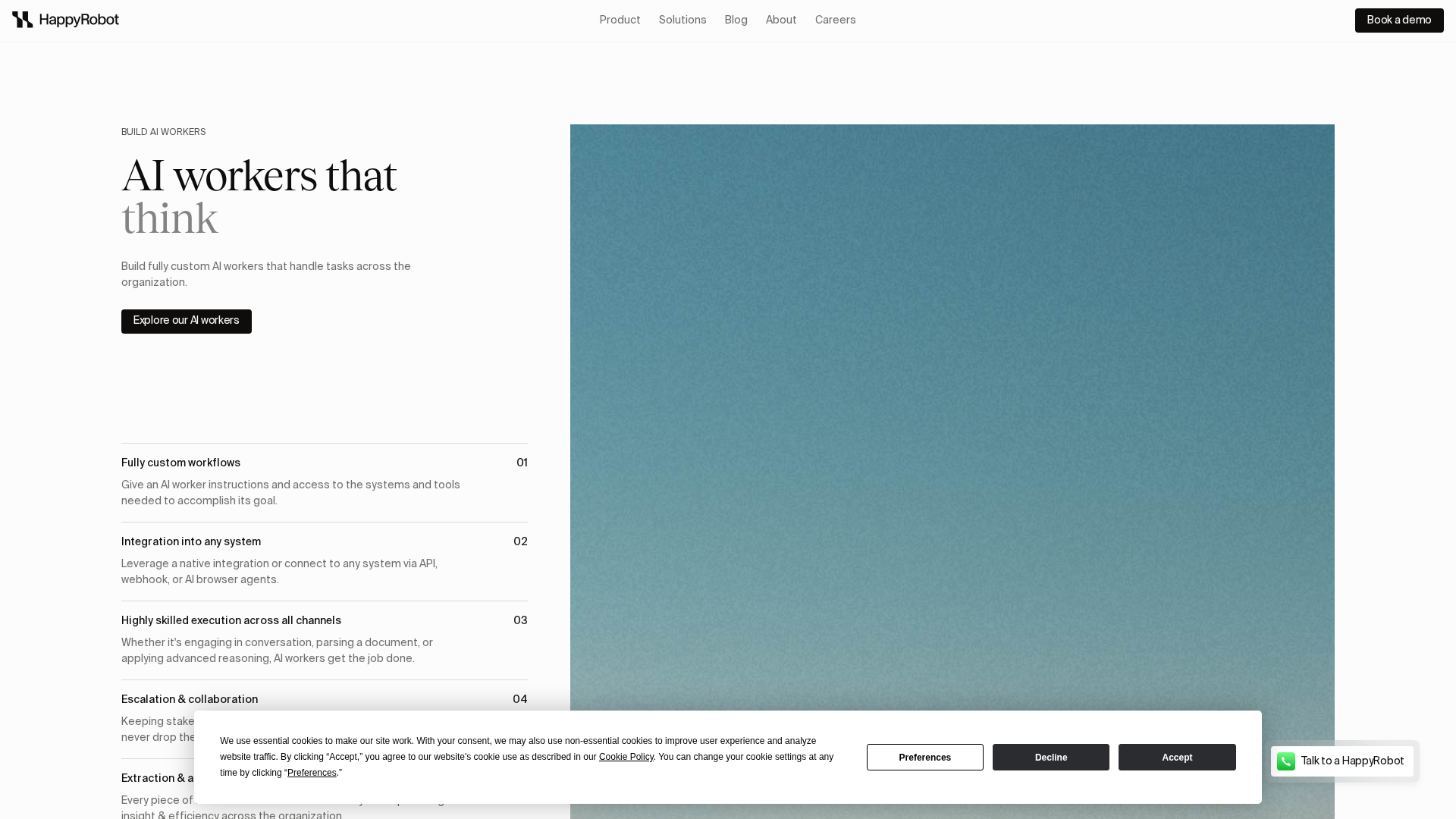
Autonomous AI workers
End-to-end task performers that reason, interact omnichannel (voice, chat, email), access documents/systems in real time, and escalate to humans for exceptions.
Native integrations & connectors
Quick authorization native integrations, APIs and webhooks, plus browser agents for sites without APIs; ability to connect to proprietary DBs and systems (vendor does not publish full vendor roster publicly).
Observability & auditing
Call classification, outcome extraction, continuous measurement, performance reporting, version comparisons, staging, and multimodal evaluations (transcripts, logs, voice).
Security & compliance features
Site cites SOC 2 and GDPR compliance, TLS everywhere, OAuth SSO, MFA, fine-grained RBAC, and continuous threat monitoring; governance features include versioning, staging, and an AI auditor.
Pluggable architecture
Cloud-native/Kubernetes architecture with pluggable ASR/LM/TTS pipelines, vendor adapters or self-host options, GPU-backed voice nodes, per-tenant routing and data sovereignty controls.
Telephony & low-latency options
SIP/SRTP and WebRTC support, low-latency design and GPU-backed voice nodes for voice/telephony use cases.
Who Can Use This Tool?
- Logistics providers:Automate real-time operations, capacity optimization, and omnichannel customer interactions for 3PLs and brokers.
- Retailers & service providers:Customer service automation, order/status communications, and exception handling across channels.
- Manufacturers & suppliers:Procurement and supply chain workflows, notifications, and performance follow-ups with integrated systems.
- Enterprises (ops teams):Deploy and manage autonomous AI workers, centralized control tower, auditing, and governance for operational workflows.
Pricing Plans
Pricing information is not available yet.
Pros & Cons
✓ Pros
- ✓Comprehensive vision for autonomous AI workers across omnichannel communications and real-time systems access.
- ✓Technical architecture described as cloud-native with pluggable ML/ASR/TTS stacks and per-tenant routing/data-sovereignty options.
- ✓Observability and auditing features described (multimodal evaluators, versioning, staging, performance reports).
- ✓Security and governance claims (SOC 2, GDPR, TLS, OAuth SSO, MFA, RBAC) are referenced on trust pages.
- ✓Targeted industry pages and templates indicate clear vertical focus (logistics, supply chain, procurement, customer service).
✗ Cons
- ✗No public pricing or pricing tiers found on the site.
- ✗Official API documentation is access-restricted (docs site requires access code); no open public API docs discovered.
- ✗No definitive public list of supported third-party integration vendors was found.
- ✗Founding year and some company facts appear inconsistent across sources and require verification.
- ✗No detailed public SLA (uptime percentages) or direct public sales contact email/phone on public pages (primarily 'Book a demo' forms).
- ✗Marketing ROI/metric claims are presented without publicly available benchmarks or case-study details on the site and should be validated.
Compare with Alternatives
| Feature | HappyRobot | StackAI | Relevance AI |
|---|---|---|---|
| Pricing | N/A | N/A | N/A |
| Rating | 8.2/10 | 8.4/10 | 8.4/10 |
| Agent Orchestration | Yes | Yes | Yes |
| Real-time Telephony | Yes | No | No |
| Deployment Flexibility | Kubernetes-native pluggable architecture | On-prem and VPC deployment support | BYOK and flexible deployment options |
| Governance & Observability | Observability and auditing SOC2 GDPR ready | Observability governance RBAC | Compliance-focused controls and BYOK |
| Integrations Breadth | Native integrations and connectors | Extensive connectors and plugins | Extensive integrations |
| Multilingual Support | Yes | Partial | Partial |
| Scalability & Throughput | High-throughput real-time operations | Enterprise-scale throughput bulk-run support | Bulk-run oriented large-scale agent throughput |
Related Articles (4)

DHL taps HappyRobot's AI agents to boost efficiency and improve customer service.
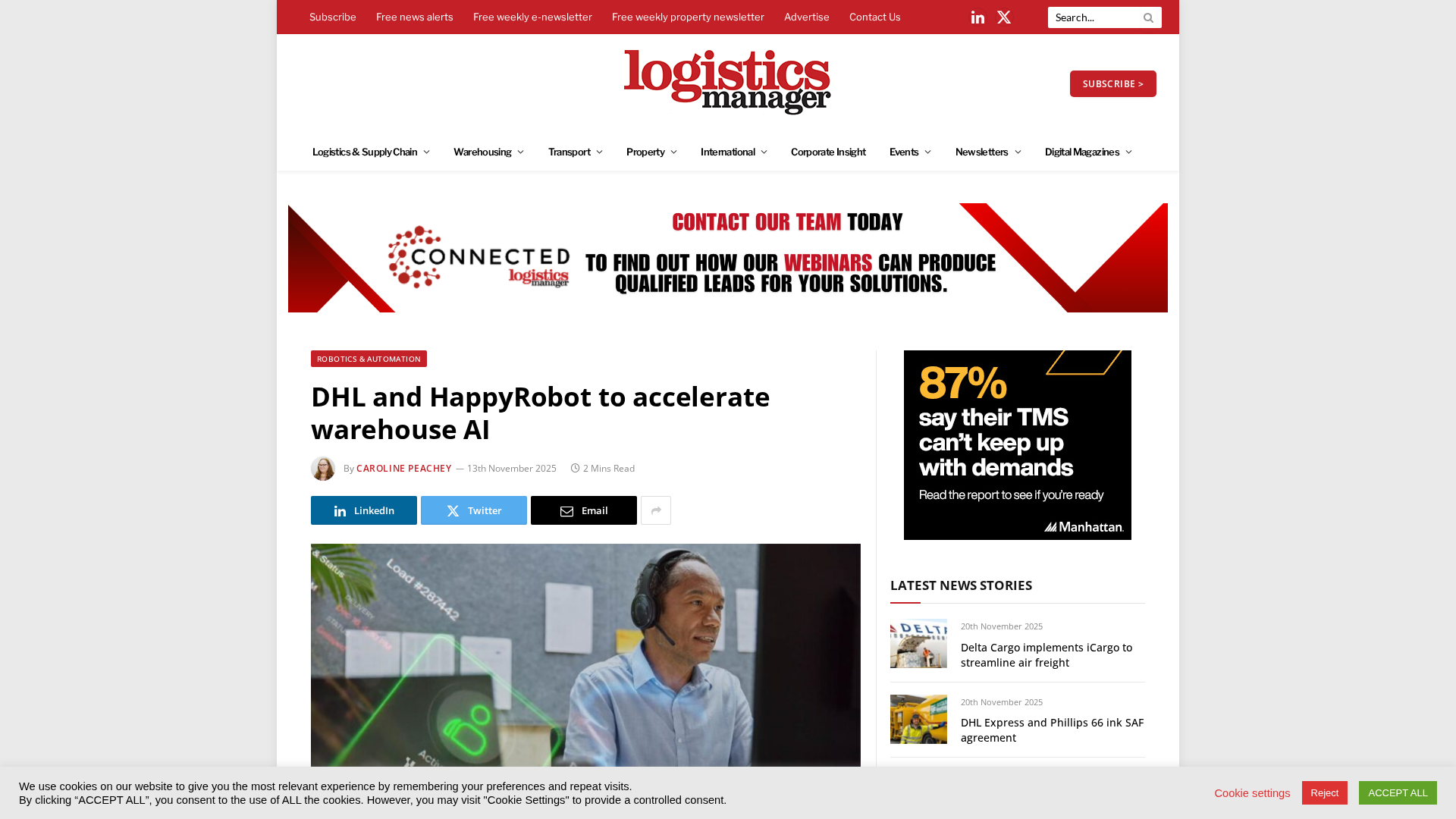
DHL expands use of HappyRobot's autonomous AI agents to automate high-volume warehouse communications and improve efficiency.
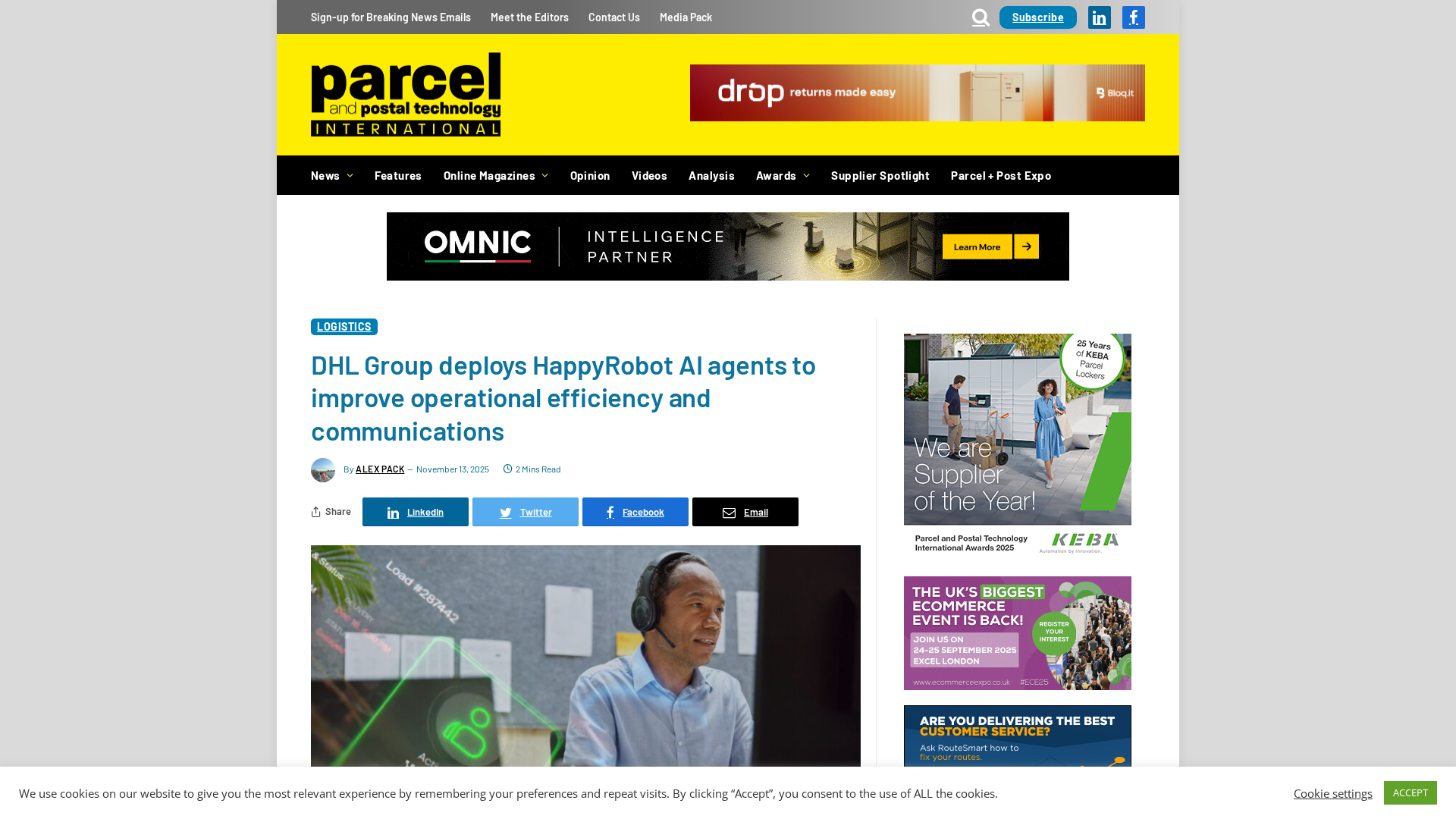
DHL expands its AI workflow with HappyRobot agents to automate communications and boost operational efficiency.
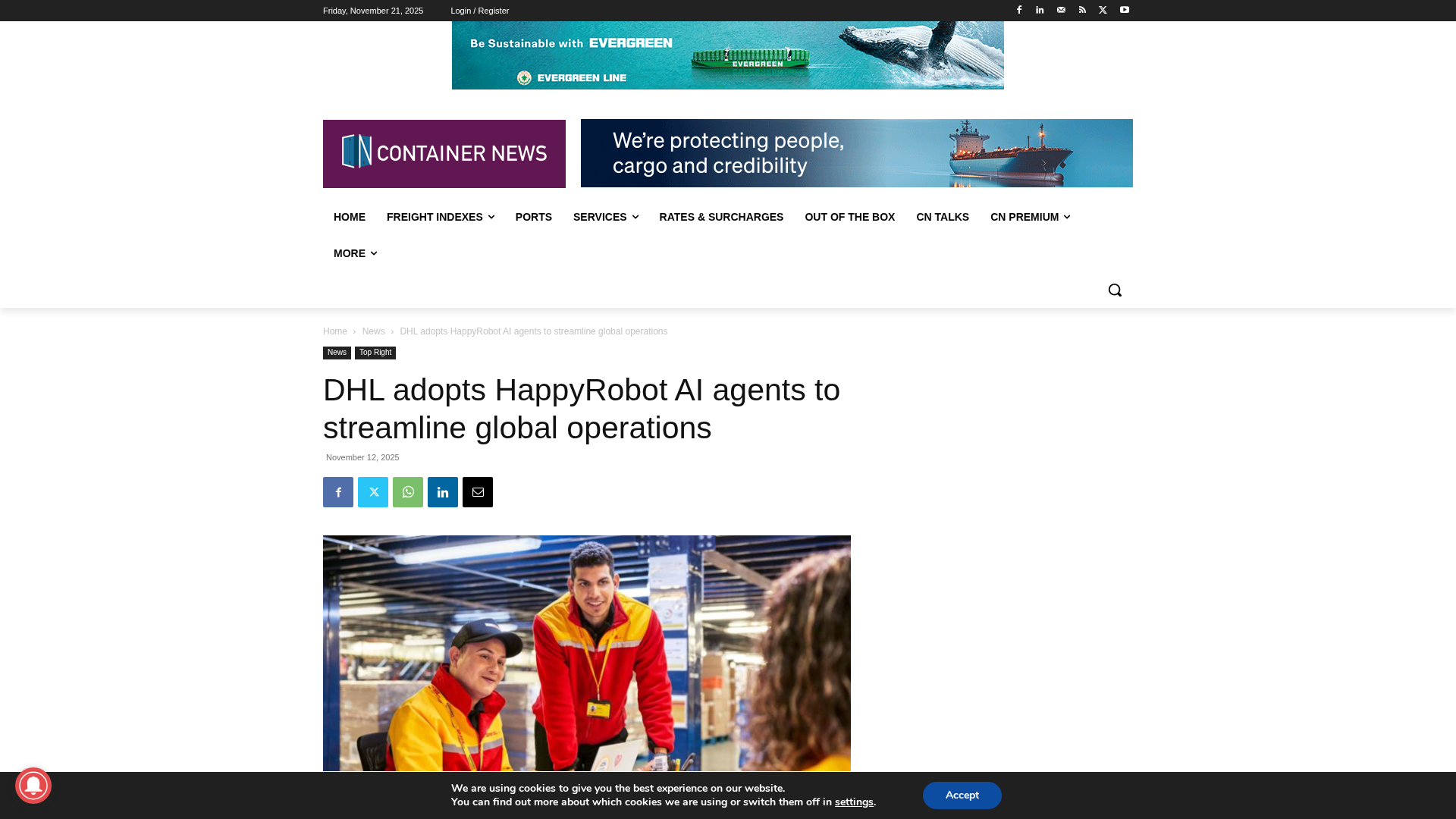
DHL expands its AI program with HappyRobot agents to automate communications and accelerate global operations.