Overview
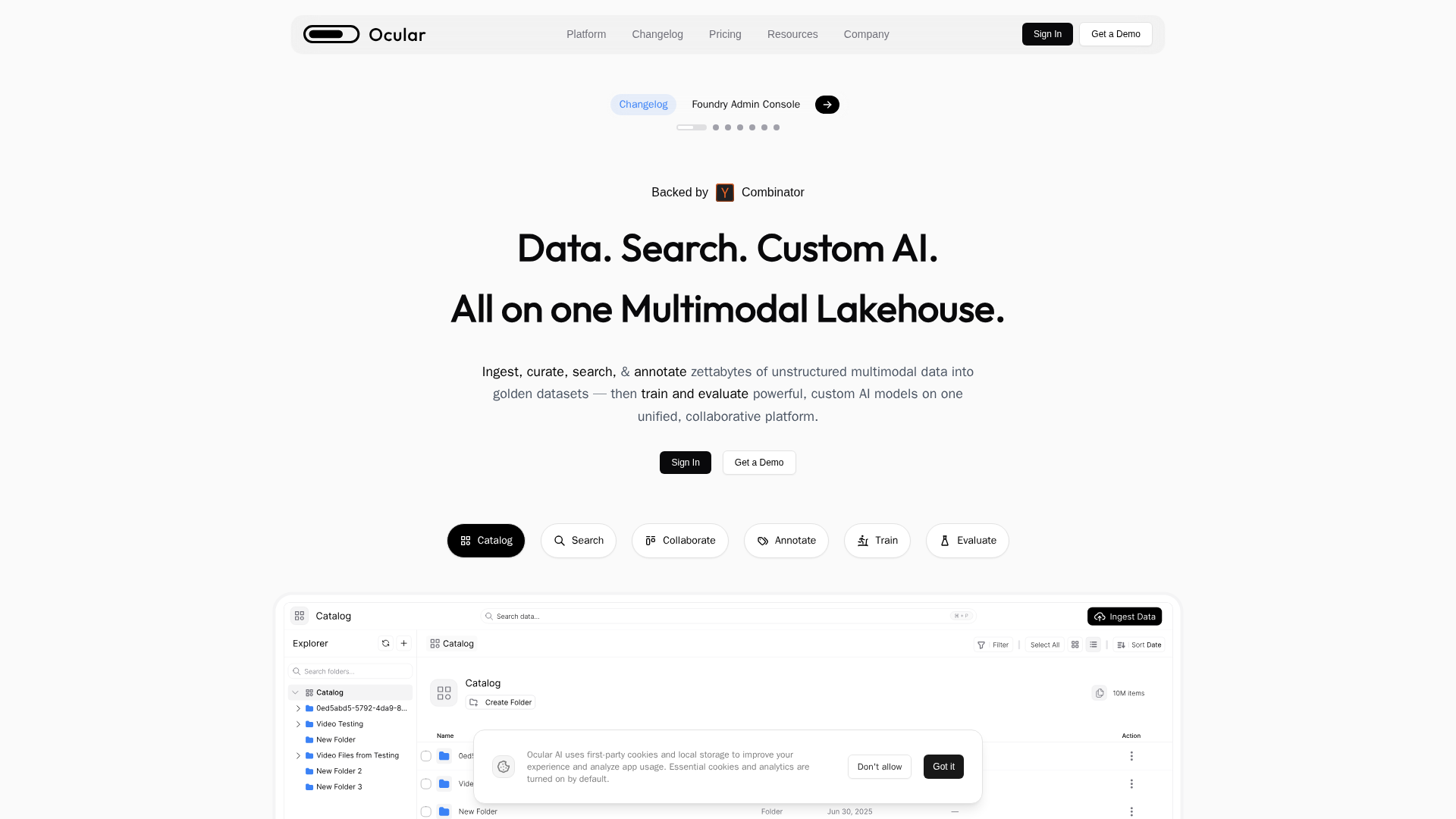
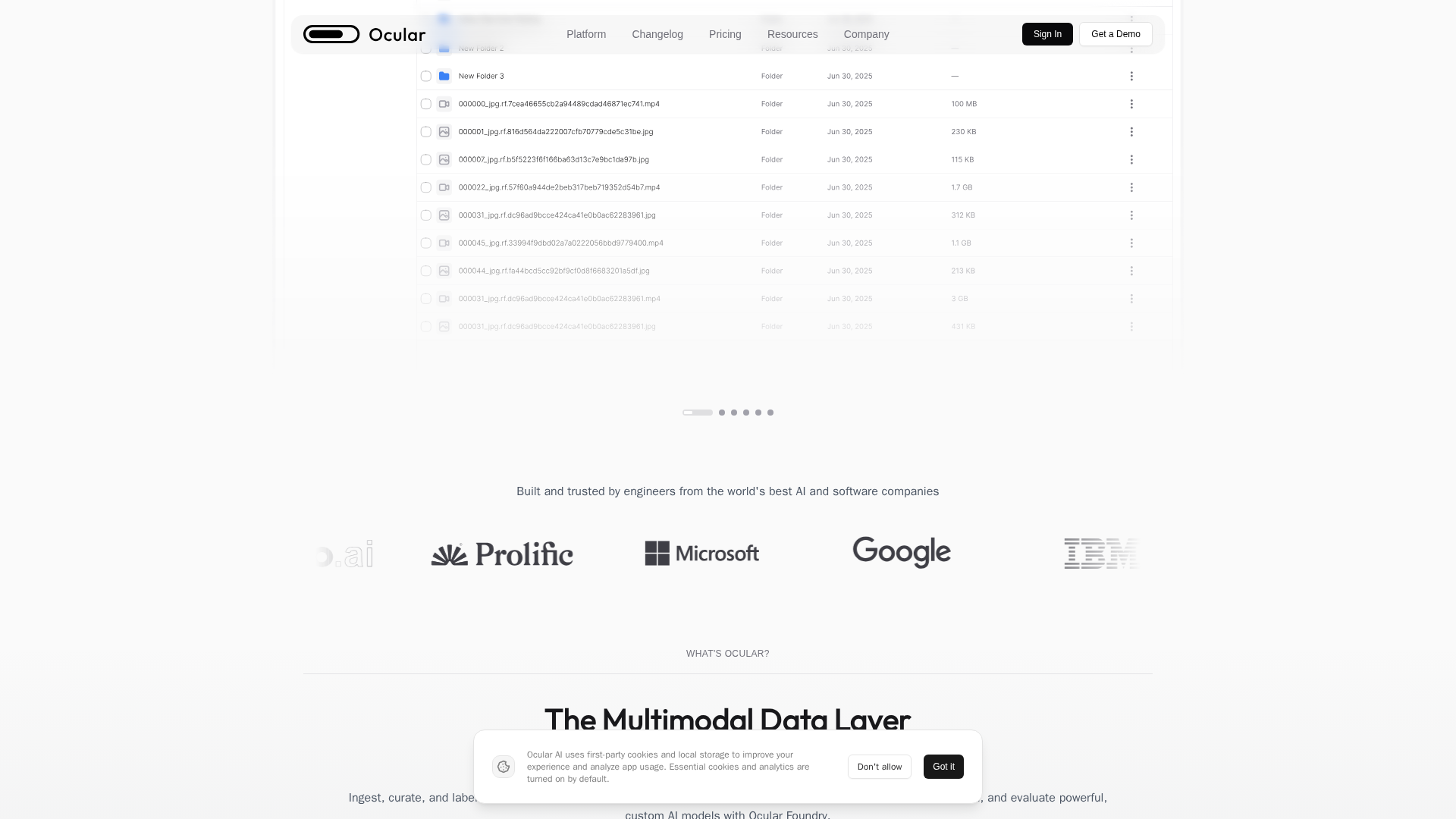
Ocular AI provides an enterprise multimodal data lakehouse to ingest, centralize, search, curate, label, version, and manage large volumes of video, image, audio, and other unstructured data. The platform (Ocular Foundry) supports dataset curation, gold-standard labeling, scalable annotation workflows, dataset versioning, GPU-backed model training, evaluation and comparison, and an interactive playground to test models on user data. Ocular Bolt is its on-demand, expert-led labeling service that blends AI automation with subject-matter expert oversight and RLHF-style feedback. The product emphasizes data governance, security, integrations with existing stacks, and the ability to keep data on customers’ infrastructure when required. (Source: homepage, About, Bolt pages)
Key Features
Multimodal Data Lakehouse
Centralize, index, search and organize video, image, audio, and other unstructured data for AI use.
Ocular Foundry (Modeling & Training)
End-to-end support for dataset-to-model pipelines: training, evaluation, model comparison, and deployment testing.
Ocular Bolt (Expert-Led Labeling Service)
On-demand annotation combining AI automation with domain expert annotators and strict security.
Human-in-the-Loop / RLHF Workflows
Tools to add expert feedback to labels, evaluate models, and align model behavior with human judgment.
Scalable Annotation & Autolabeling
Flexible labeling workflows with autolabeling to accelerate annotation while retaining quality control.
Dataset Versioning & Project Management
Version control for datasets, collaborative project management, and analytics for dataset quality.
Who Can Use This Tool?
- Enterprises:Build and maintain secure, governed multimodal datasets for large-scale AI initiatives.
- AI/Data Teams:Curate labeled training datasets, train and evaluate models, and manage dataset lifecycles.
- Product & Engineering:Integrate multimodal data pipelines and expert annotation into product ML workflows.
Pricing Plans
Pricing information is not available yet.
Pros & Cons
✓ Pros
- ✓End-to-end multimodal lakehouse for video, image, audio, and mixed data types.
- ✓Expert-in-the-loop annotation (Ocular Bolt) combining AI automation and domain experts.
- ✓Dataset versioning, project management, and searchable catalog for collaborative workflows.
- ✓GPU-backed training, model evaluation, comparison, and an interactive model playground.
- ✓Emphasis on enterprise-grade security, governance, and ability to keep data on customer infrastructure.
✗ Cons
- ✗No public pricing or self-serve plans; must contact sales for pricing details.
- ✗Limited public documentation/technical detail available on the marketing site (documentation referenced but link not surfaced).
- ✗Appears enterprise-focused; may be less accessible for individual developers or very small teams.
Compare with Alternatives
| Feature | Ocular AI | Activeloop / Deep Lake | Snorkel AI |
|---|---|---|---|
| Pricing | N/A | $40/month | N/A |
| Rating | 8.0/10 | 8.2/10 | 8.0/10 |
| Multimodal Storage | Yes | Yes | Partial |
| Autolabeling Scale | Yes | Partial | Yes |
| HITL Workflows | Yes | No | Yes |
| GPU Training Orchestration | Yes | Partial | Partial |
| Dataset Versioning | Yes | Yes | Yes |
| Evaluation & RLHF | Yes | No | Partial |
| Integration Ecosystem | Yes | Yes | Yes |
| Enterprise Governance | Yes | Yes | Yes |
Related Articles (20)

Announces Lynx on Hunt Demo v11 update with new features and fixes.
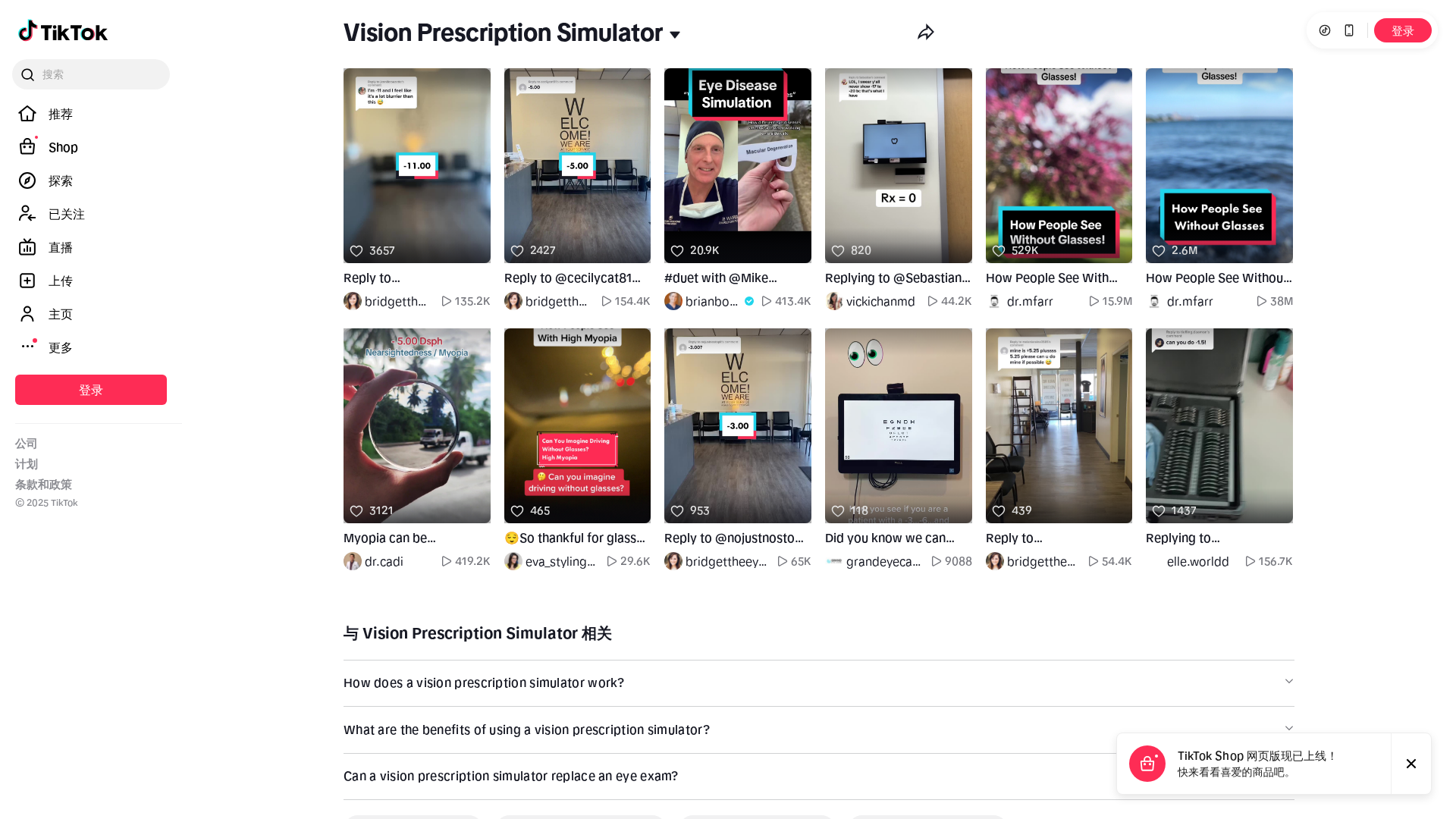
Explore TikTok's vision-prescription simulator and learn how different prescriptions alter vision through engaging, bite-sized demonstrations.
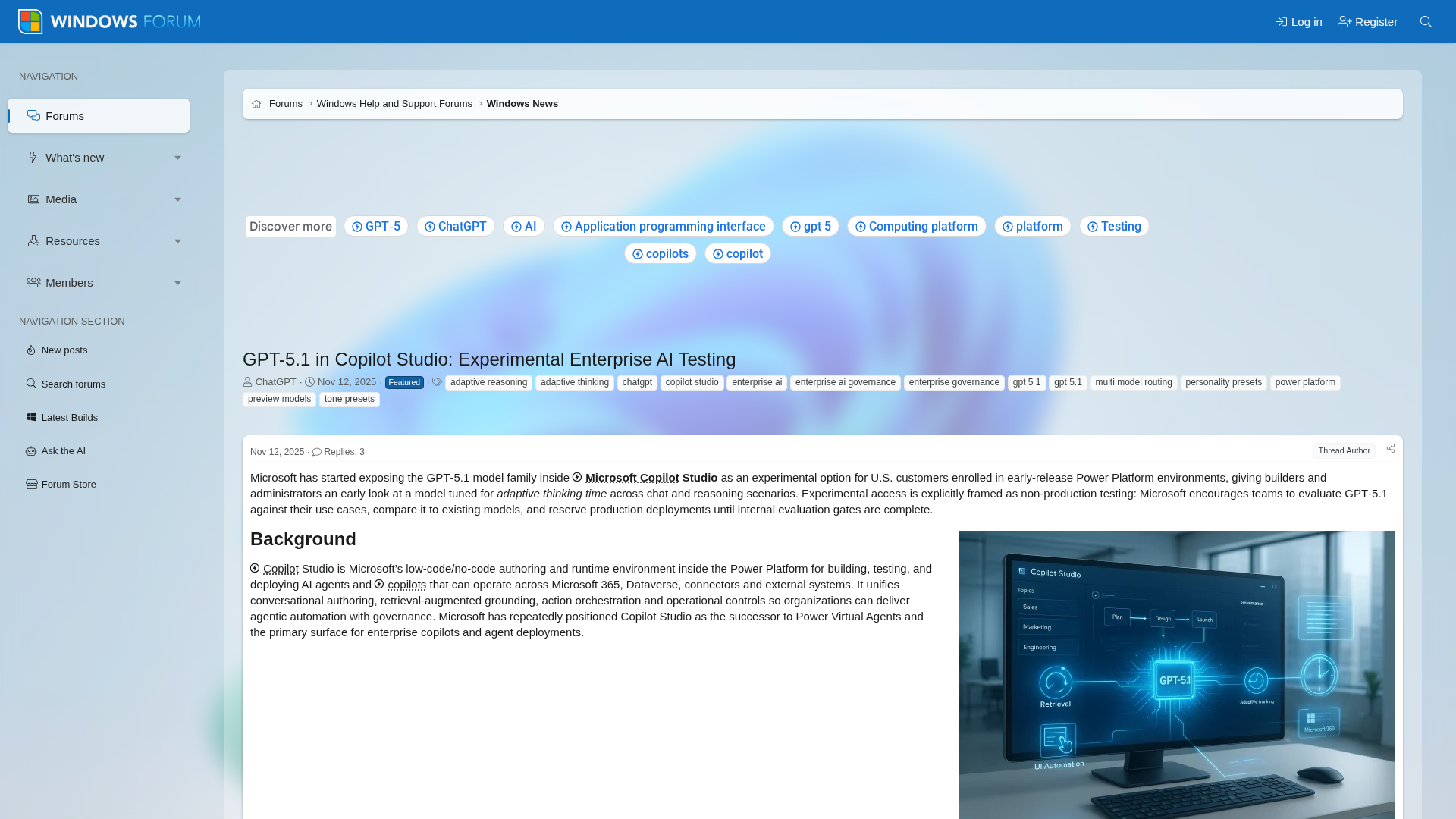
Microsoft tests GPT-5.1 in Copilot Studio, enabling adaptive thinking with governance for enterprise AI.
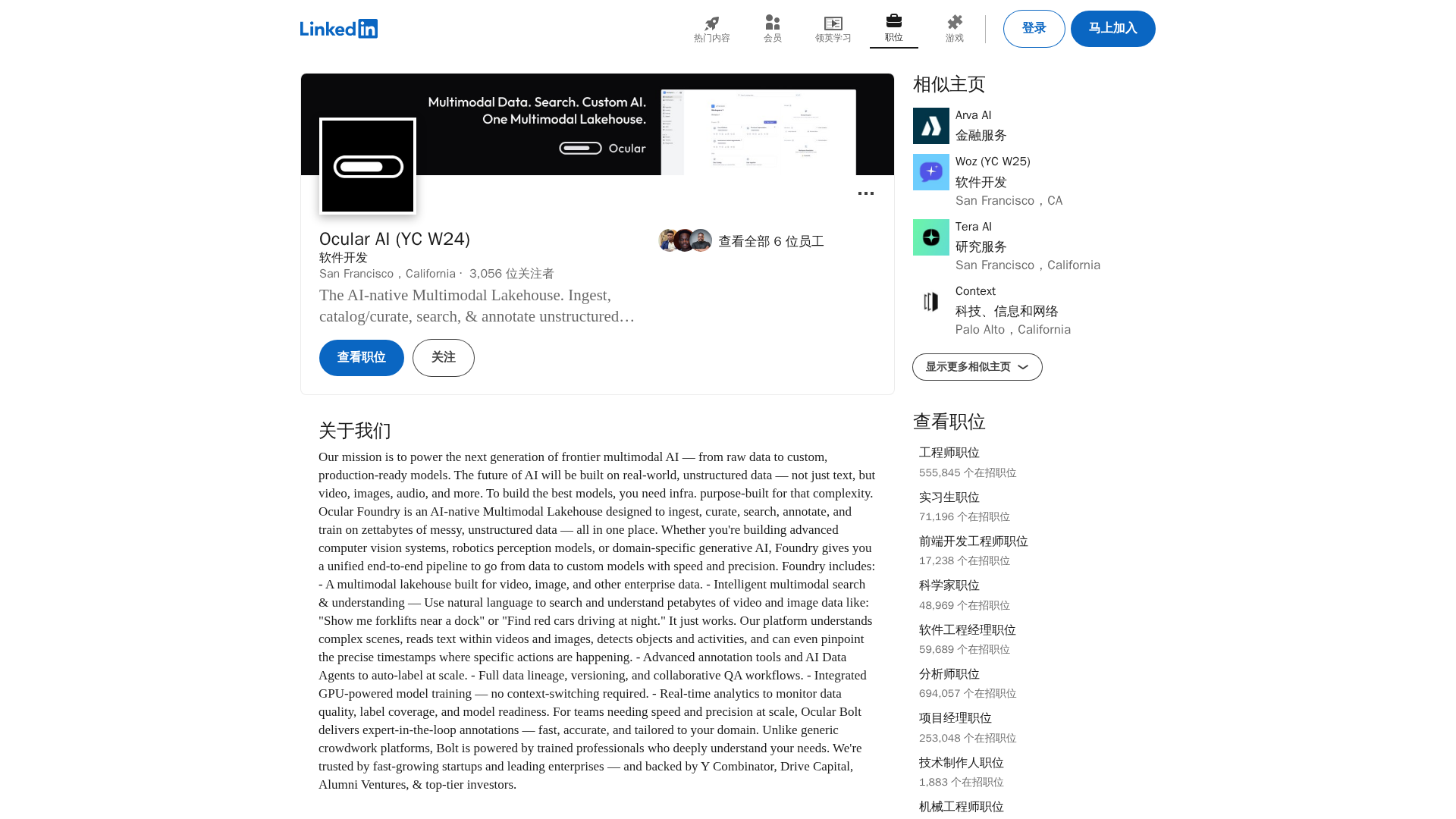
Ocular AI announces Foundry, an AI-native multimodal lakehouse with live governance, auto-labeling, analytics, and integrated GPU training for enterprise data-to-model pipelines.
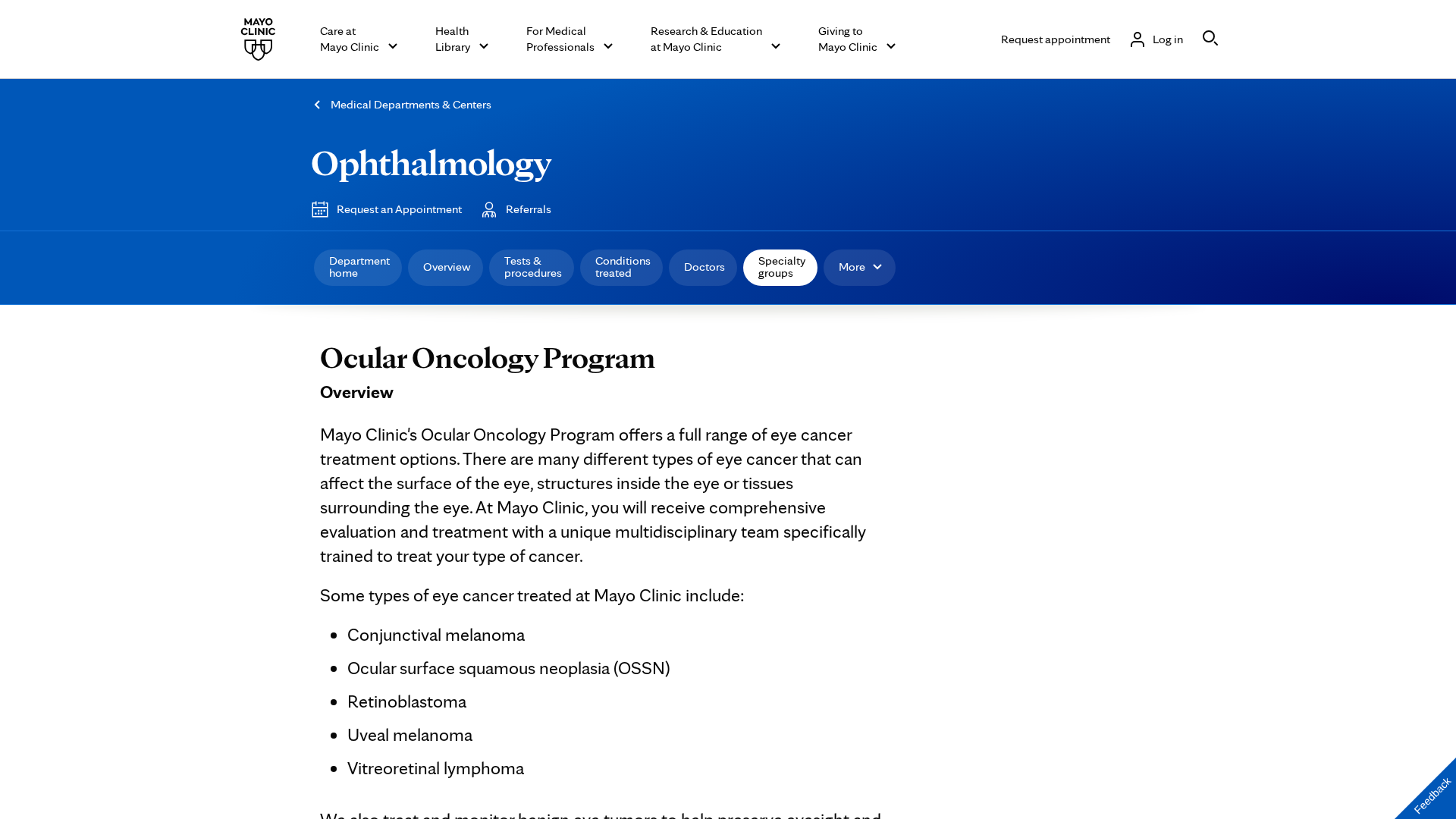
Mayo Clinic’s Ocular Oncology Program offers comprehensive, multidisciplinary eye cancer care tailored to preserve vision.