Topic Overview
Agent orchestration and agentic workflow platforms refer to the technologies and patterns used to coordinate multiple autonomous AI agents into reliable, governed business processes. As of 2026-05-24 this space spans developer frameworks, enterprise orchestration suites, low-code builders, marketplaces, and infrastructure focused on observability, lifecycle and memory management, and compliance. Key trends include composable multi-agent workflows, event chaining and stateful memory, model-agnostic connectors, and stronger governance and auditing features required by regulated enterprises. Representative tools illustrate the landscape: LangChain provides an open-source SDK and commercial runtime for building, testing, and deploying LLM-powered agents; Kore.ai targets enterprise deployment with no-code-to-pro-code multi-agent orchestration plus governance and observability; AgentGPT offers an in-browser, no-code way to prototype autonomous agents quickly; GPTConsole supplies developer-facing SDK, API and CLI tooling for lifecycle management, event chaining, and monetization; Windsurf (formerly Codeium) brings agentic features into an AI-native IDE for developer workflows; Xilos positions itself as enterprise agentic infrastructure providing visibility into connected services and agent activity. Enterprise product suites such as Coupa and SailPoint’s Agentic Fabric exemplify verticalized uses—procurement/source-to-pay automation and identity-centric agent governance respectively—where orchestration must integrate with existing enterprise controls. Practitioners choosing between frameworks, marketplaces, and packaged suites should weigh integration surface, governance needs, observability, and whether the priority is rapid prototyping (AgentGPT, Windsurf) or production-grade orchestration and auditability (Kore.ai, Xilos, LangChain + GPTConsole). The market is maturing toward standard interfaces, hybrid stacks, and composable marketplaces that accelerate reuse while preserving enterprise controls.
Tool Rankings – Top 6

An open-source framework and platform to build, observe, and deploy reliable AI agents.

Enterprise AI agent platform for building, deploying and orchestrating multi-agent workflows with governance, observabil

A browser-based platform to create and deploy autonomous AI agents with simple goals.

Developer-focused platform (SDK, API, CLI, web) to create, share and monetize production-ready AI agents.

AI-native IDE and agentic coding platform (Windsurf Editor) with Cascade agents, live previews, and multi-model support.
Intelligent Agentic AI Infrastructure
Latest Articles (36)
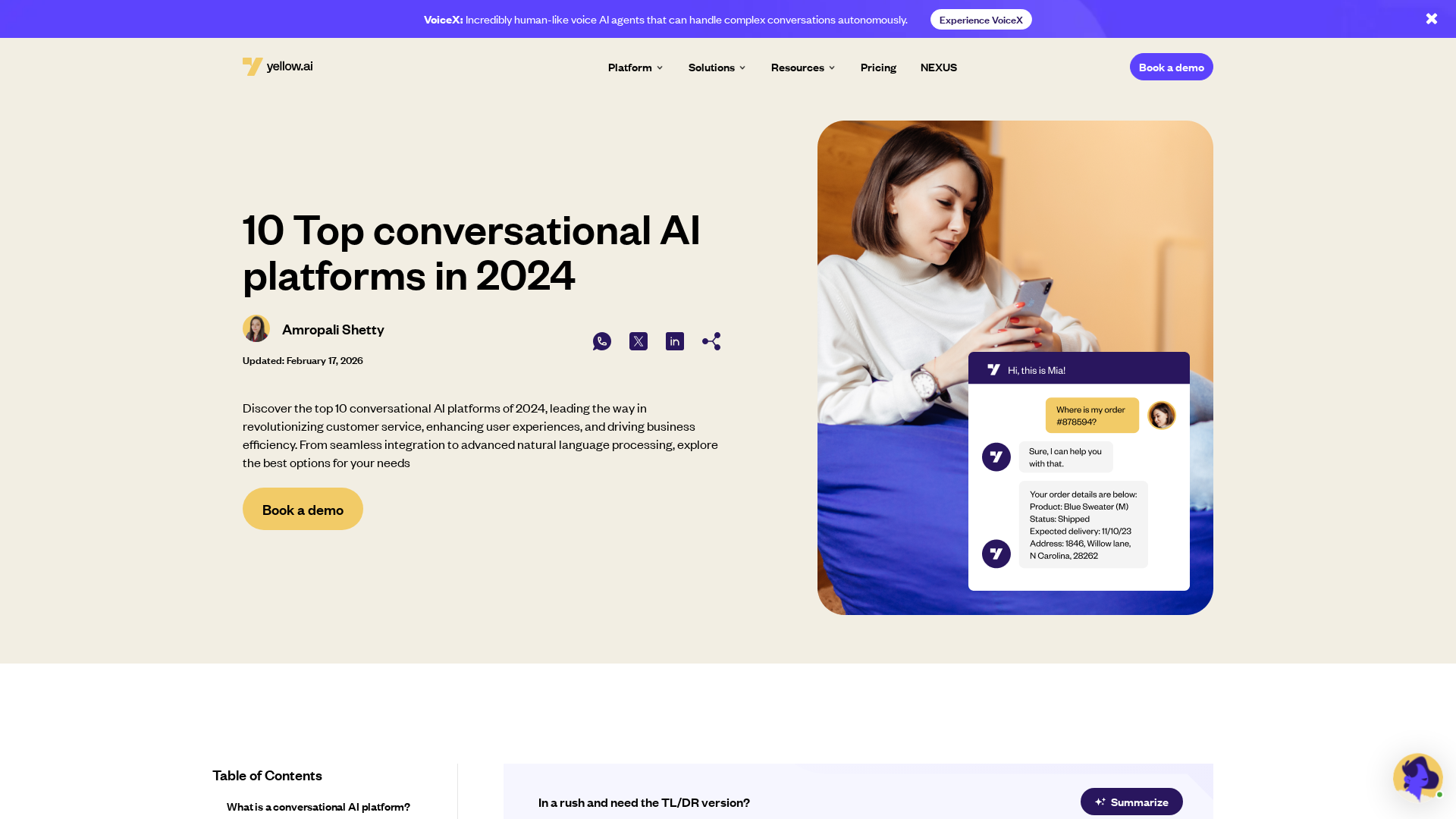
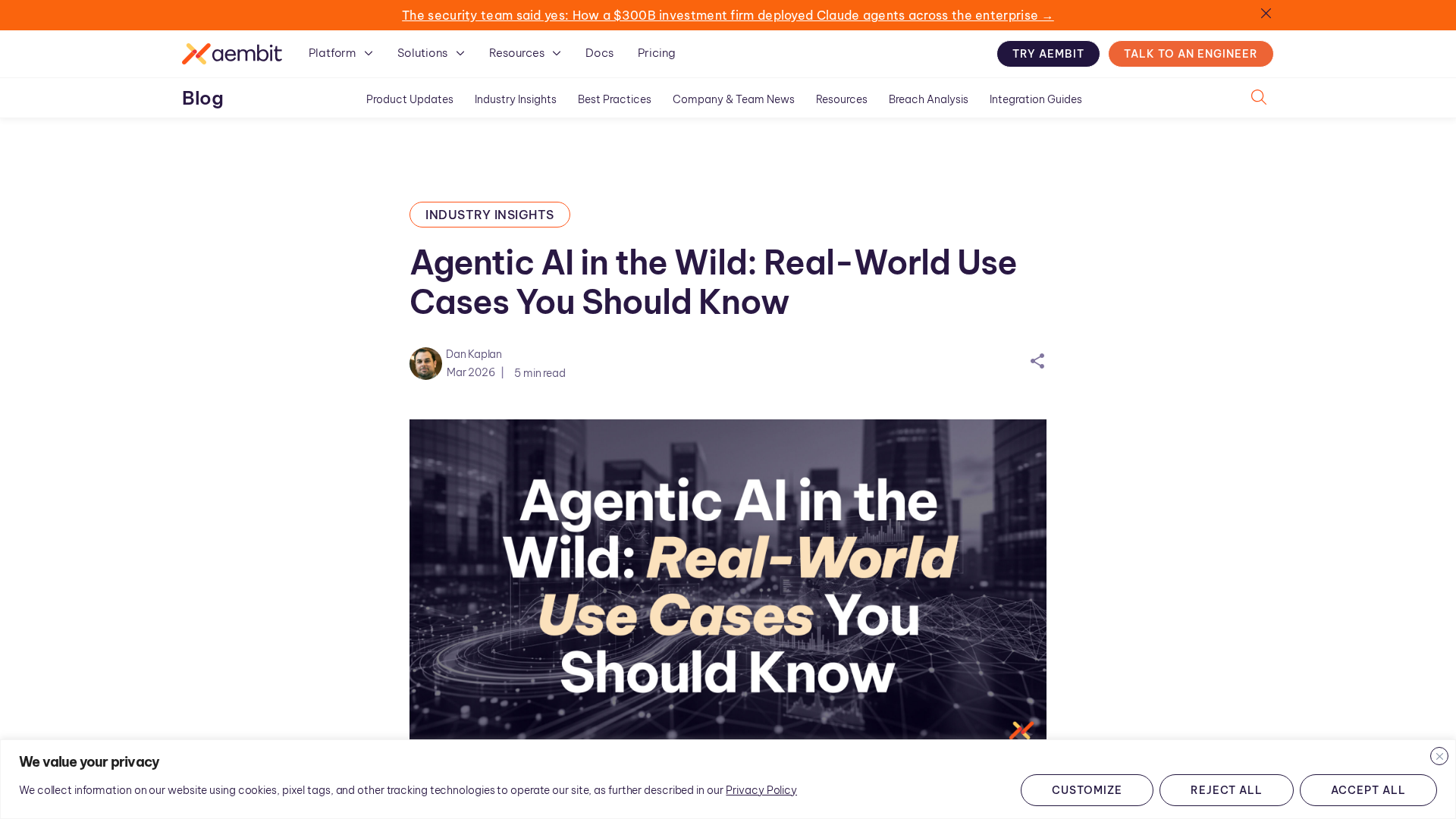
A concise guide to the top 10 conversational AI platforms in 2024, with features, benefits, and use cases.
OpenAI’s bypass moment underscores the need for governance that survives inevitable user bypass and hardens system controls.
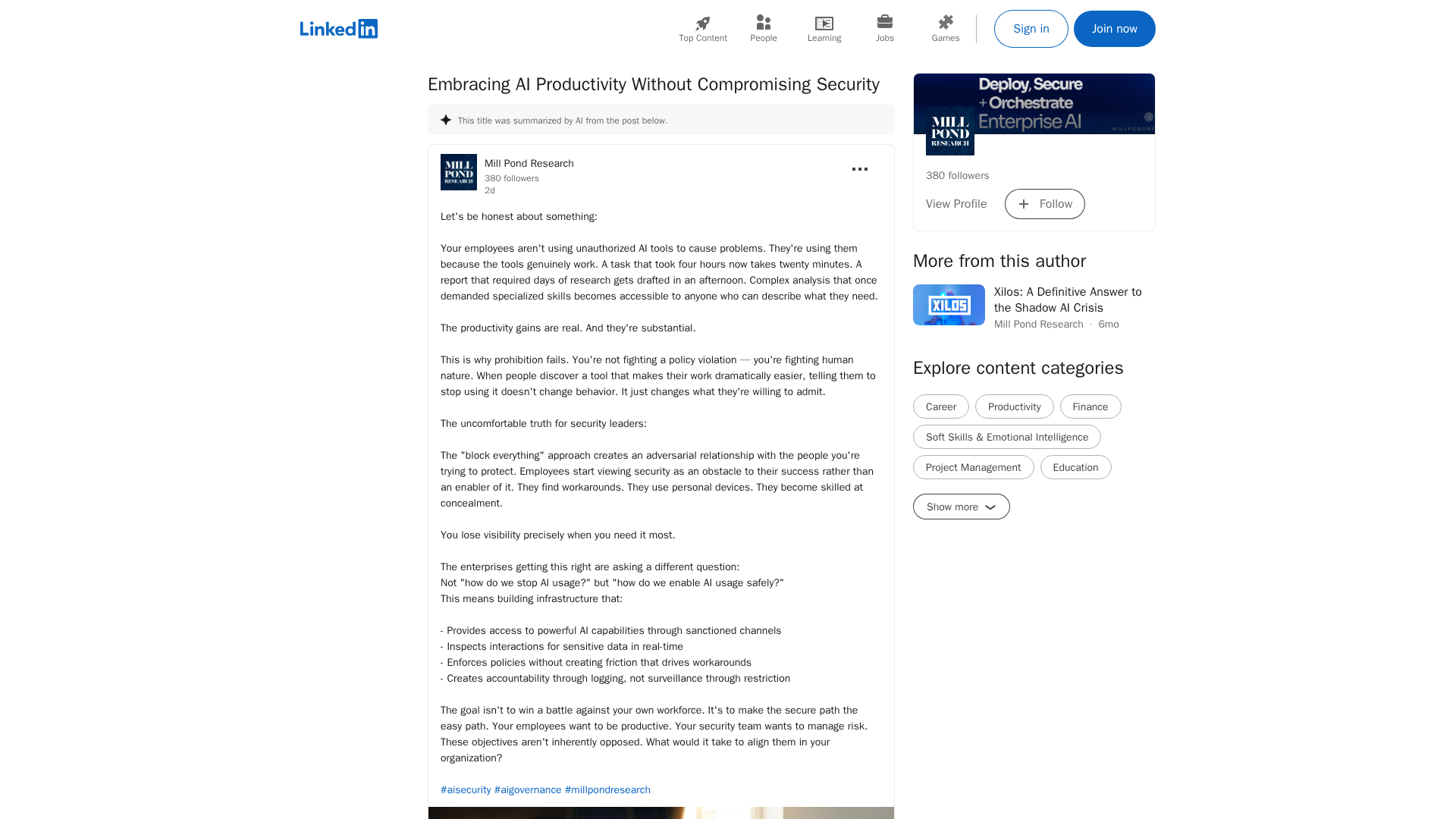
A call to enable safe AI use at work via sanctioned access, real-time data protections, and frictionless governance.
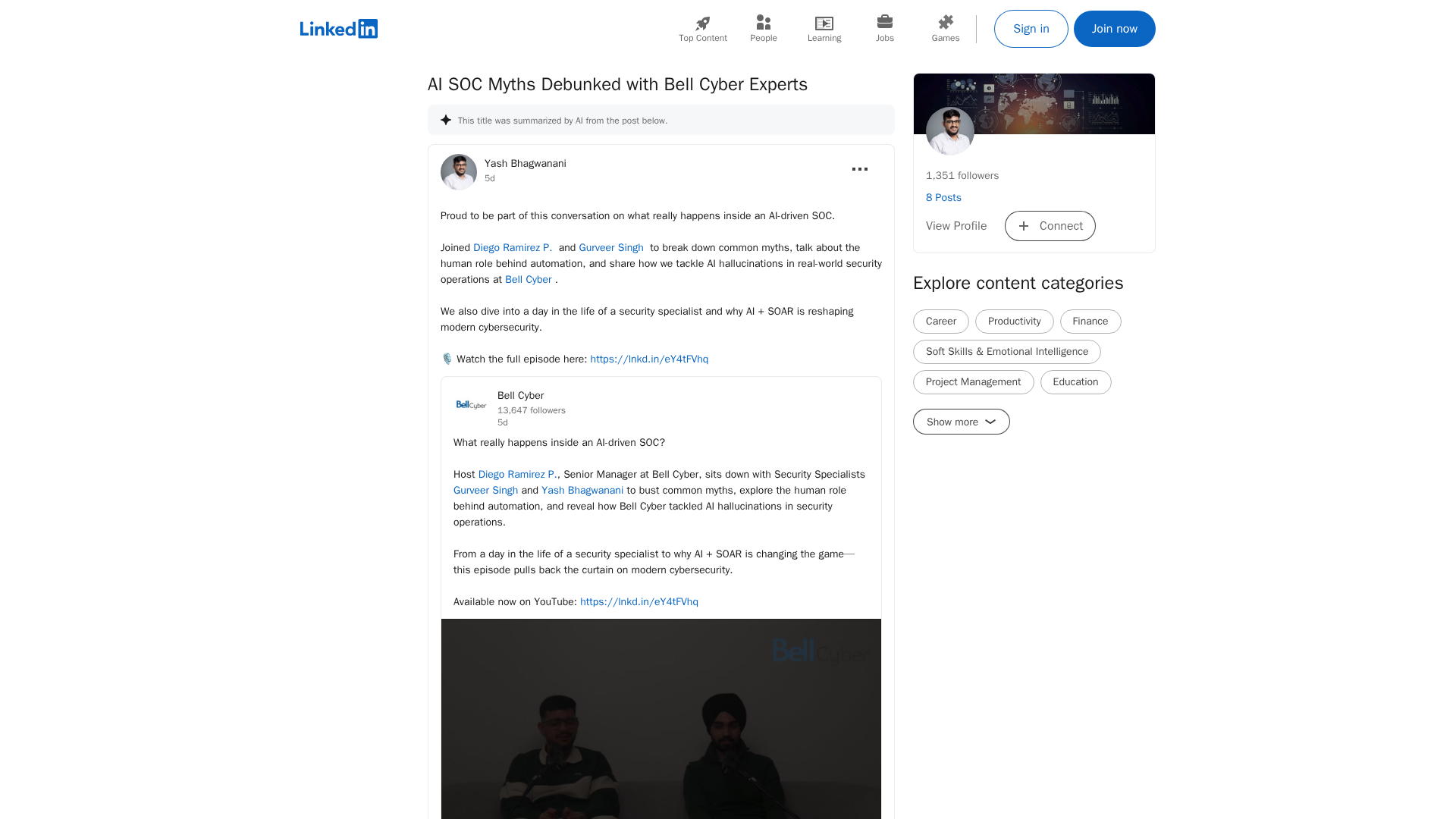
A real-world look at AI in SOCs, debunking myths and highlighting the human role behind automation with Bell Cyber experts.
Explores the human role behind AI automation and how Bell Cyber tackles AI hallucinations in security operations.