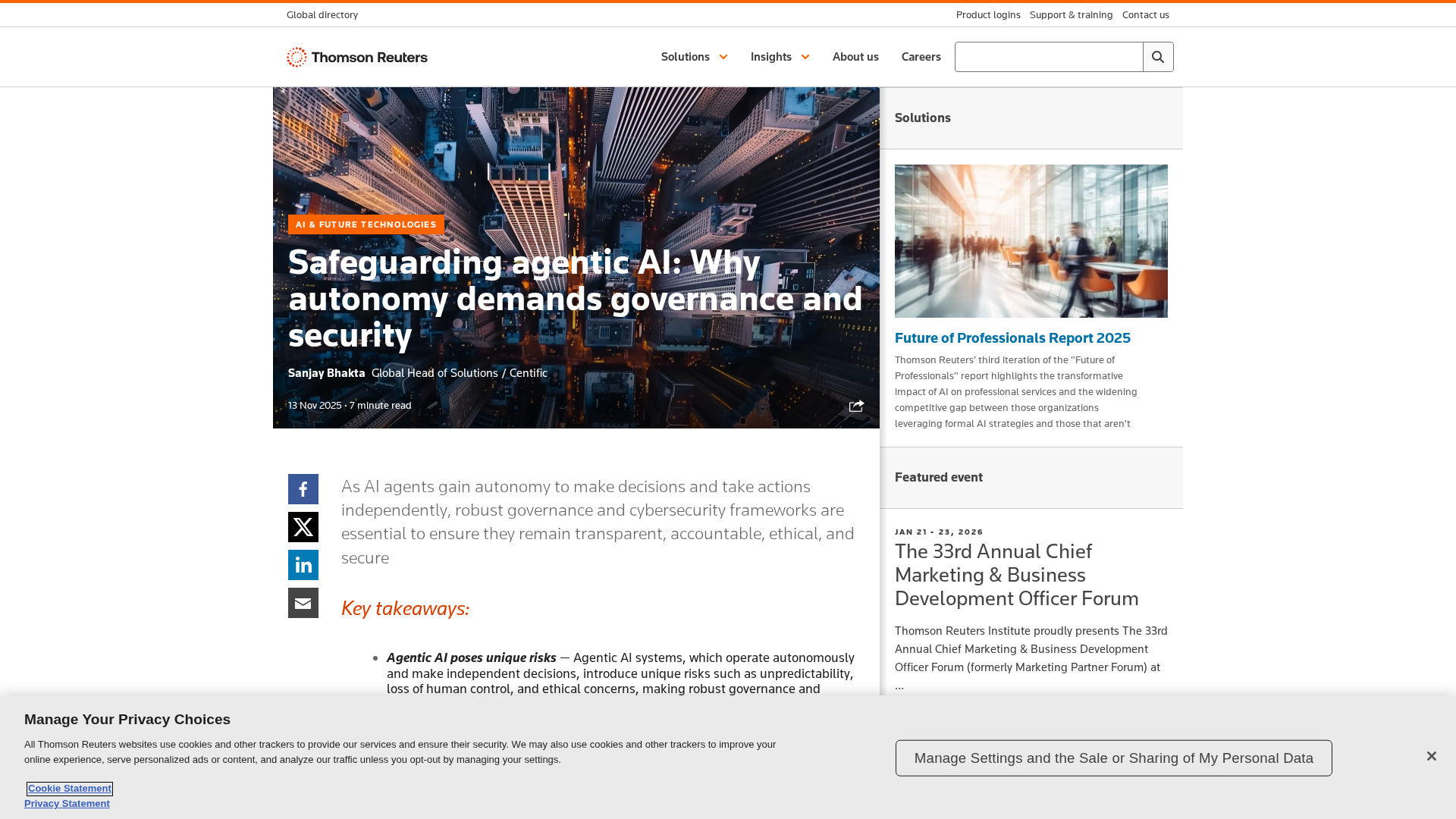
Topic Overview
AI agent governance and safety tools address the policy, technical, and operational controls needed to deploy autonomous systems reliably and lawfully. As of 2026, organizations are moving from experimentation to production-scale agentic applications—driving demand for observability, provenance, access controls, policy-as-code, and domain-specific compliance features. Regulatory pressure (e.g., EU AI Act–style requirements, sector rules for legal and financial services) and incidents involving unintended agent actions have made these controls timely priorities. The tool landscape spans no-code platforms, engineering frameworks, and domain platforms. No-code/low-code offerings such as MindStudio and Duckie prioritize rapid design, testing, multi-channel actions, and built-in enterprise controls for non-developers. Enterprise assistants like IBM watsonx Assistant and HubSpot’s Breeze embed orchestration, multi-agent workflows, and contextual controls inside business systems. LangChain and related open-source frameworks provide engineering primitives, stateful graphs, and tool-integration patterns for building, debugging, and evaluating agents. Specialist products—Harvey for legal workflows, GitHub Copilot, Tabnine, Cline, and Bito for coding and code-review agents—illustrate the need for agent-specific security, private deployment options, and auditability. Key governance themes include continuous evaluation (testing, red‑teaming, safety metrics), runtime monitoring and rollback, data lineage and provenance, role-based controls and secrets management, and alignment with compliance workflows. Successful adopters combine agent frameworks with governance layers—policy engines, observability, and versioned artifact stores—to create auditable, recoverable agent deployments. The result is a practical stack for organizations that must balance automation value with operational safety and regulatory accountability.
Tool Rankings – Top 6

Enterprise virtual agents and AI assistants built with watsonx LLMs for no-code and developer-driven automation.

No-code/low-code visual platform to design, test, deploy, and operate AI agents rapidly, with enterprise controls and a

Engineering platform and open-source frameworks to build, test, and deploy reliable AI agents.

Domain-specific AI platform delivering Assistant, Knowledge, Vault, and Workflows for law firms and professionalservices

Create autonomous AI support agents that answer from your knowledge base and act across channels with no coding.

An AI pair programmer that gives code completions, chat help, and autonomous agent workflows across editors, theterminal
Latest Articles (73)
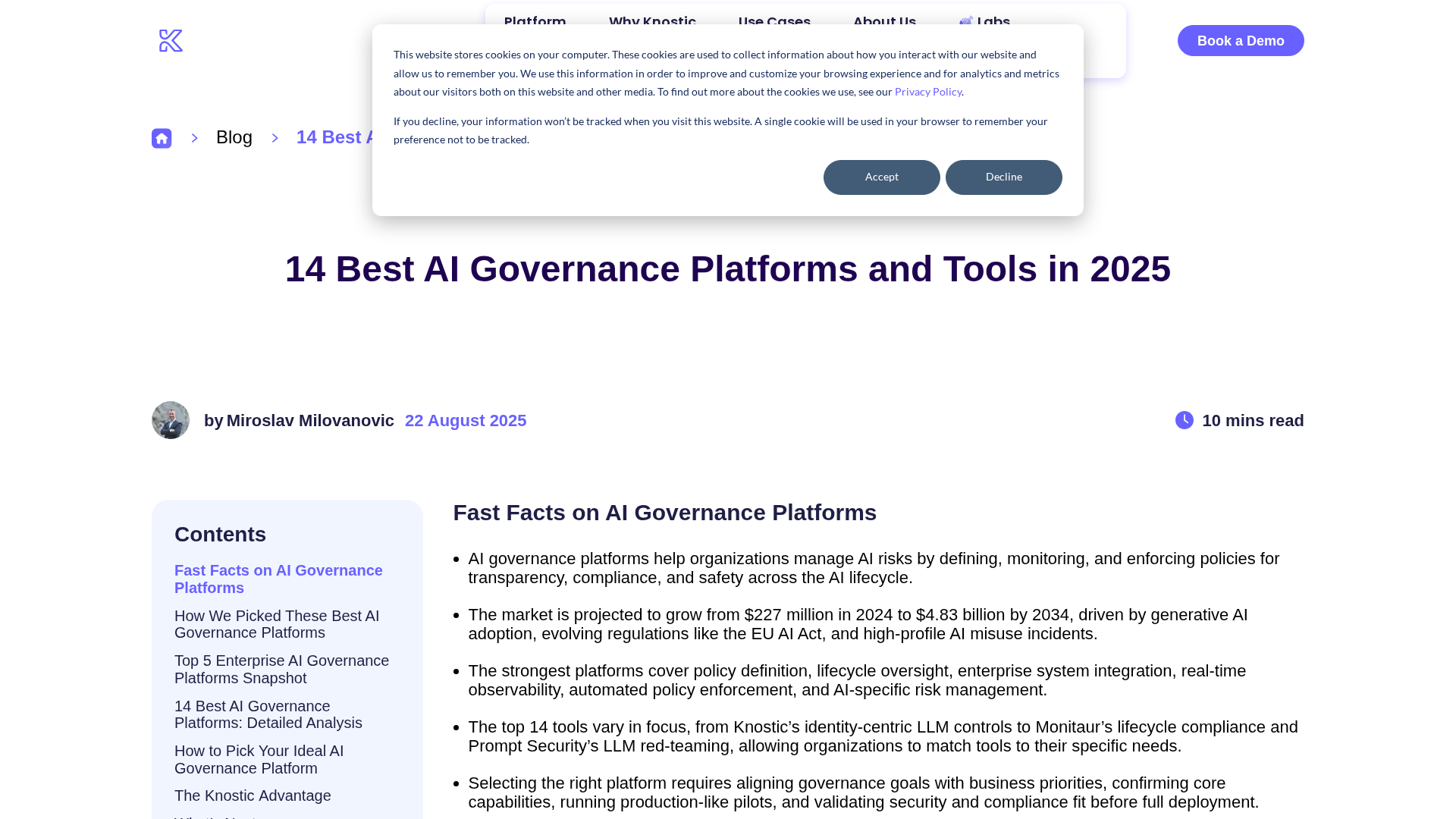
A vendor‑agnostic guide to the 14 best AI governance platforms in 2025, with criteria, comparisons, and practical buying guidance.
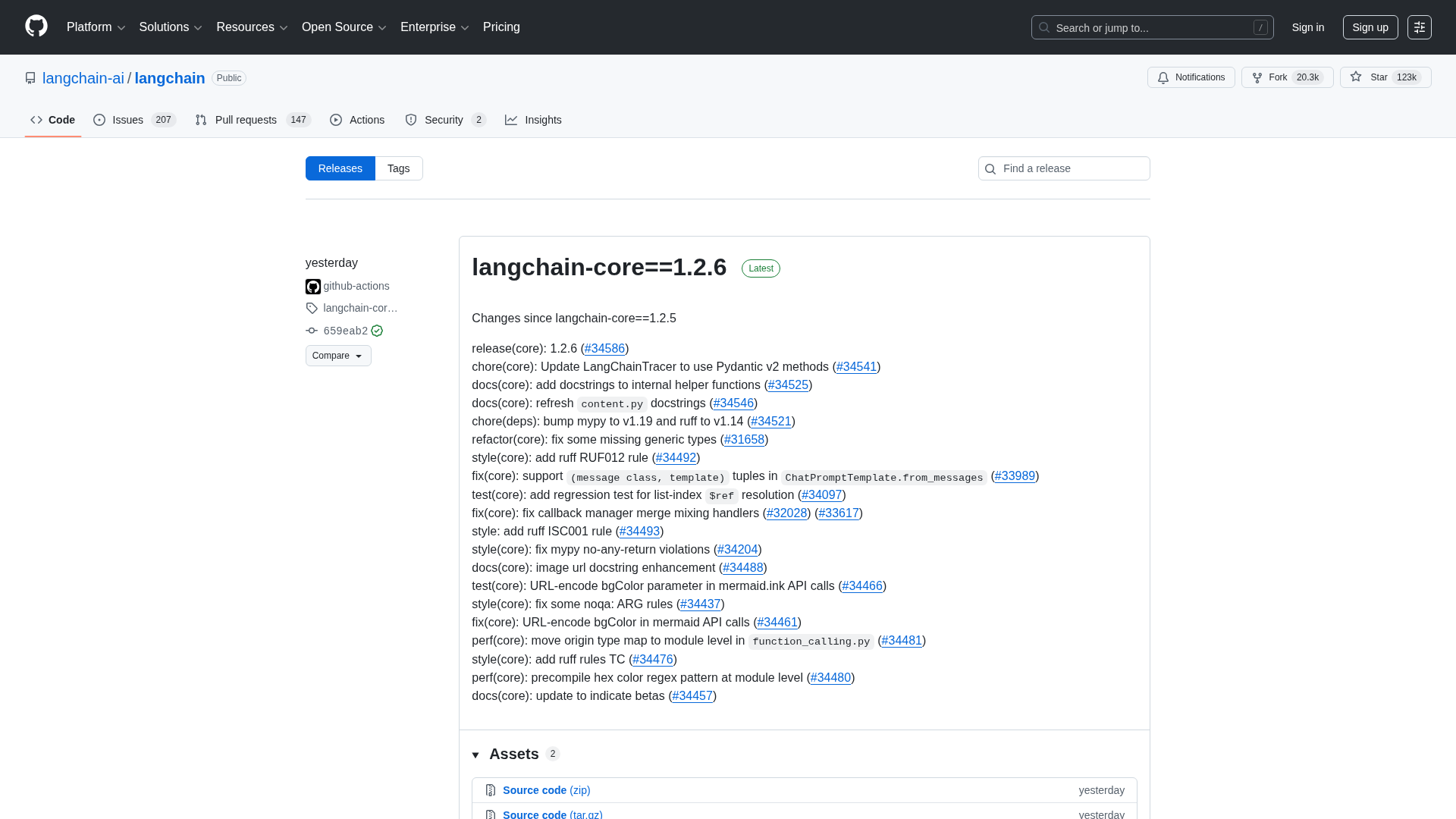
A comprehensive LangChain releases roundup detailing Core 1.2.6 and interconnected updates across XAI, OpenAI, Classic, and tests.

Cannot access the article content due to an access-denied error, preventing summarization.

Adobe nears a $19 billion deal to acquire Semrush, expanding its marketing software capabilities, according to WSJ reports.
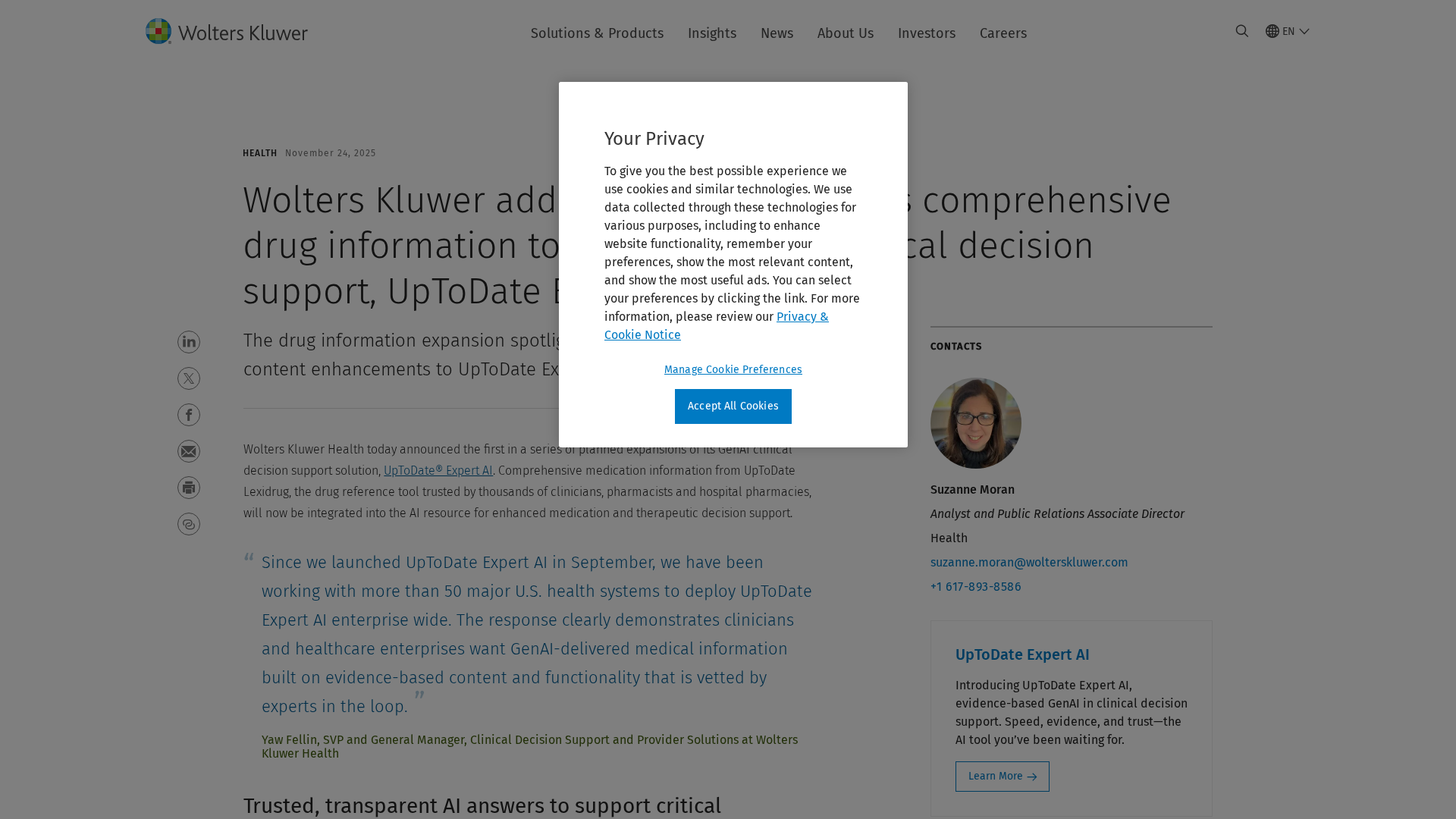
Wolters Kluwer expands UpToDate Expert AI with UpToDate Lexidrug to bolster drug information and medication decision support.