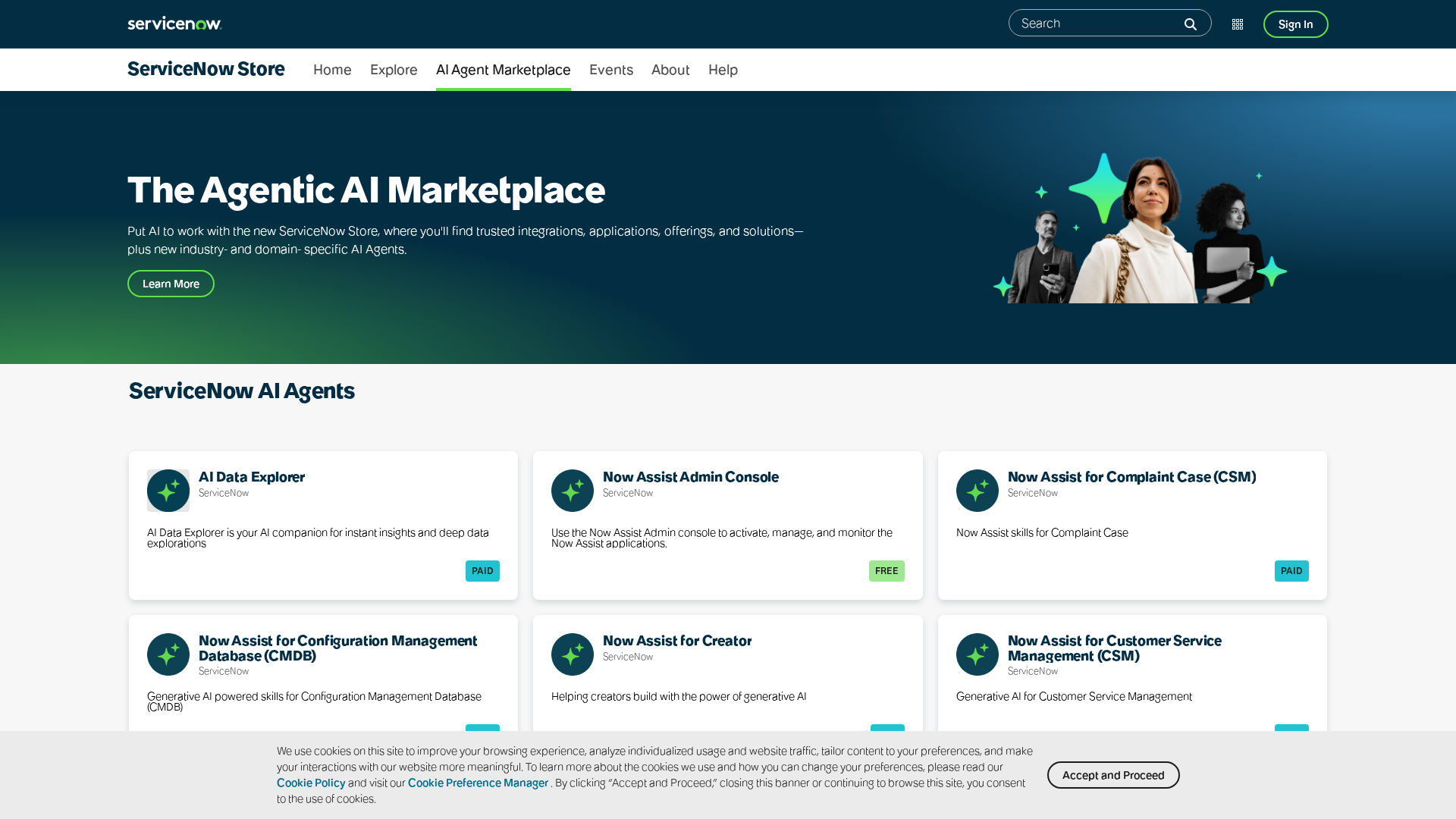
Topic Overview
AI agent marketplaces and agent stores are centralized catalogs and distribution channels for agentic software: prebuilt assistants, composable agent bundles, plugins, and deployment artifacts that teams can discover, evaluate, and integrate. These marketplaces are increasingly important as organizations move from single‑query LLMs to stateful, multi‑agent applications that require orchestration, observability, governance, and lifecycle controls. Relevance and timing (as of 2026‑02‑05): demand for reusable, auditable agent components has grown alongside enterprise requirements for compliance, explainability, and cost control. Marketplaces reduce integration friction by providing versioning, provenance, billing integrations, and standardized interfaces for composing agents and connectors across models and environments. Key categories and representative tools: enterprise orchestration platforms (Kore.ai, IBM watsonx Assistant) focus on no‑code to pro‑code multi‑agent workflows with governance and observability; engineering frameworks (LangChain) provide open‑source building blocks, state management, testing and deployment utilities for reliable agentic apps; developer environments (Windsurf, JetBrains AI Assistant) embed agentic copilots and multi‑model support directly in the IDE to keep developers in flow; and open/self‑hosted coding assistants (Tabby, Aider) offer privacy‑oriented, extensible options for serving models and pairing agents with codebases. Practical implications: successful marketplaces prioritize discovery, composability, runtime controls, and evaluation tooling so buyers can assess safety, latency, and cost. For vendors and integrators, the trend favors modular agents, clear interfaces, and metadata for governance. As organizations adopt agent architectures, agent stores will act as the bridge between tooling (IDE integrations, engineering frameworks) and enterprise deployment concerns (observability, access control, compliance).
Tool Rankings – Top 6

Enterprise AI agent platform for building, deploying and orchestrating multi-agent workflows with governance, observabil

Engineering platform and open-source frameworks to build, test, and deploy reliable AI agents.

Enterprise virtual agents and AI assistants built with watsonx LLMs for no-code and developer-driven automation.

AI-native IDE and agentic coding platform (Windsurf Editor) with Cascade agents, live previews, and multi-model support.
In‑IDE AI copilot for context-aware code generation, explanations, and refactorings.
.avif)
Open-source, self-hosted AI coding assistant with IDE extensions, model serving, and local-first/cloud deployment.
Latest Articles (61)
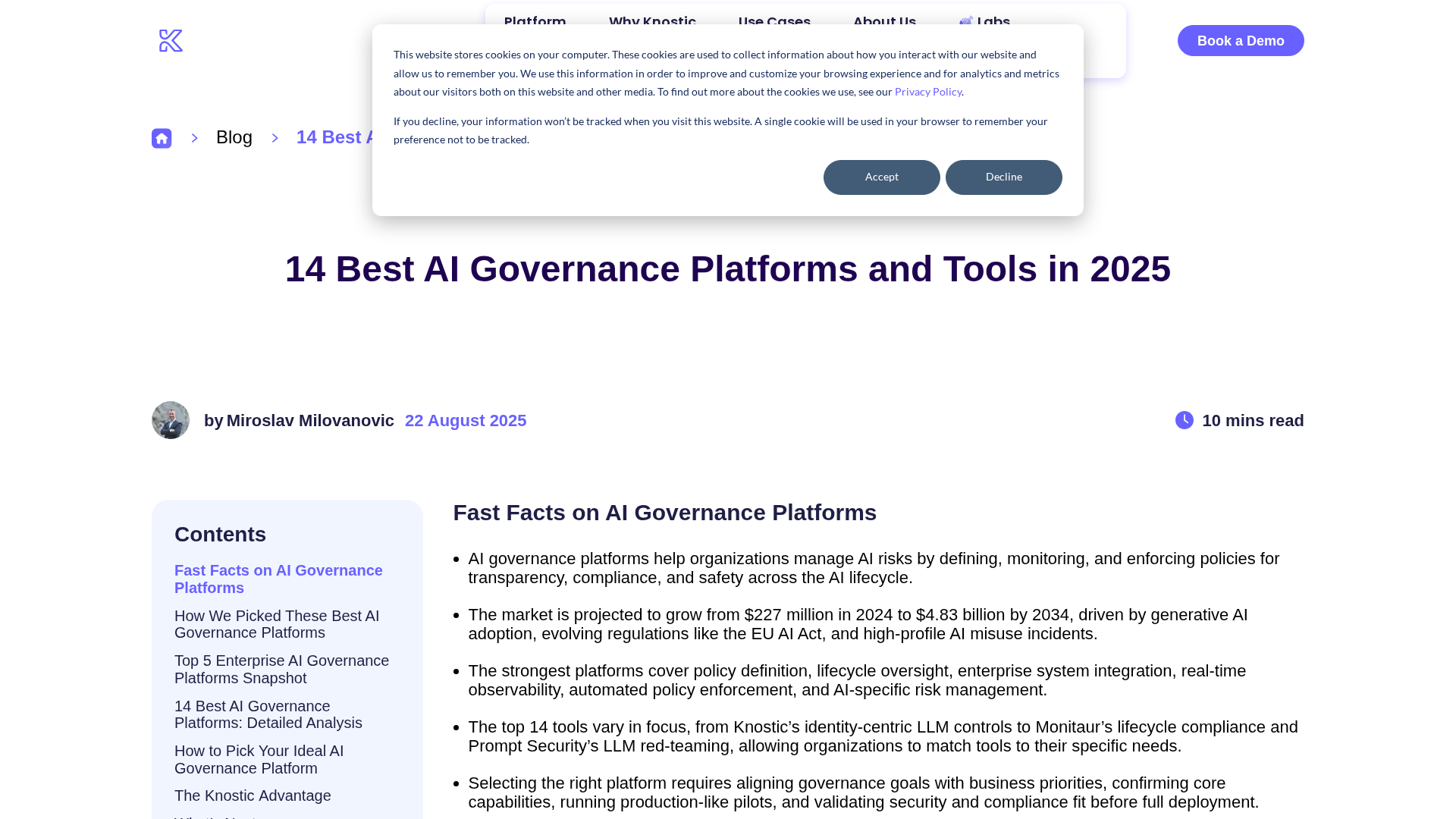
A vendor‑agnostic guide to the 14 best AI governance platforms in 2025, with criteria, comparisons, and practical buying guidance.
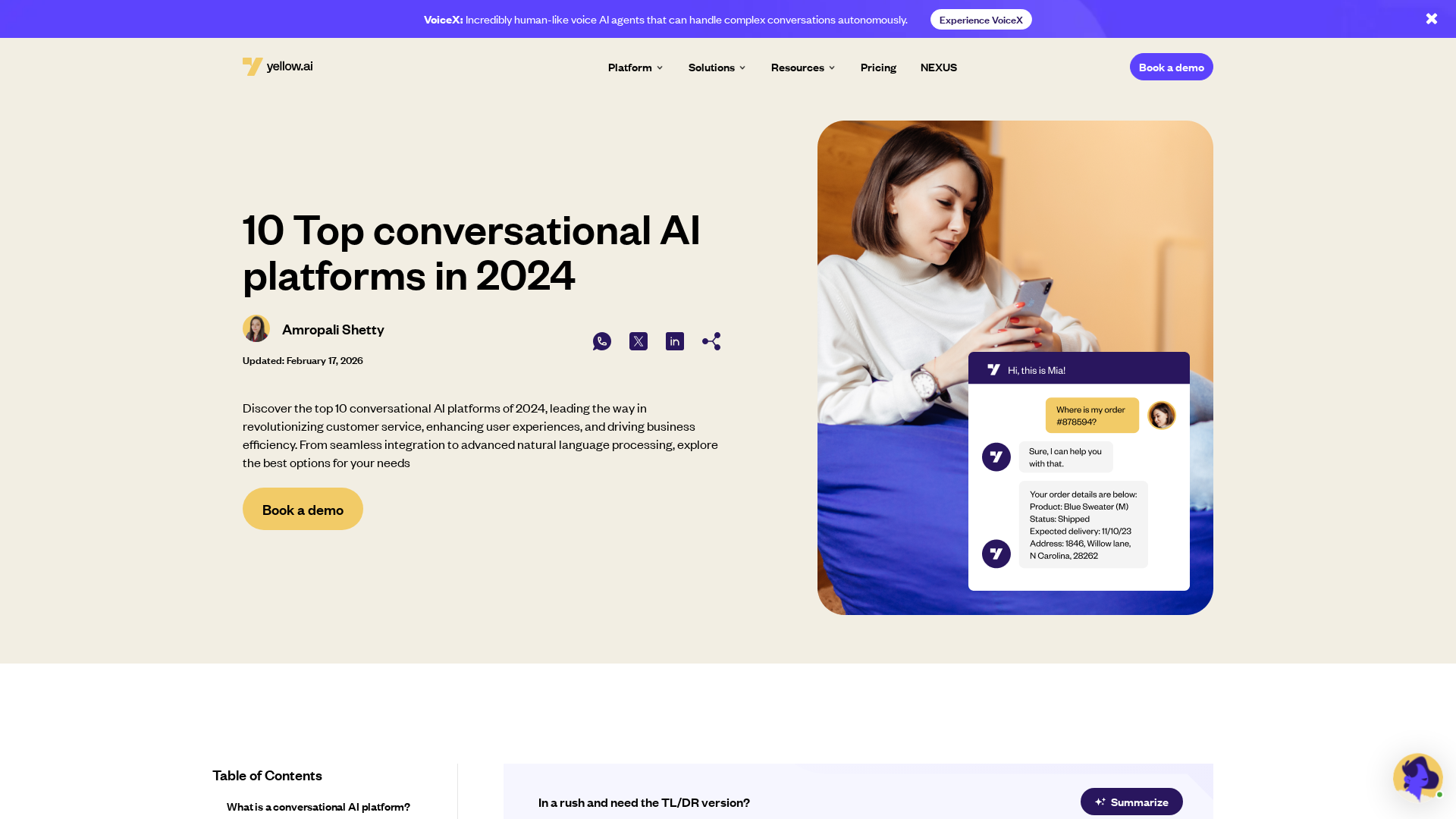
A concise guide to the top 10 conversational AI platforms in 2024, with features, benefits, and use cases.
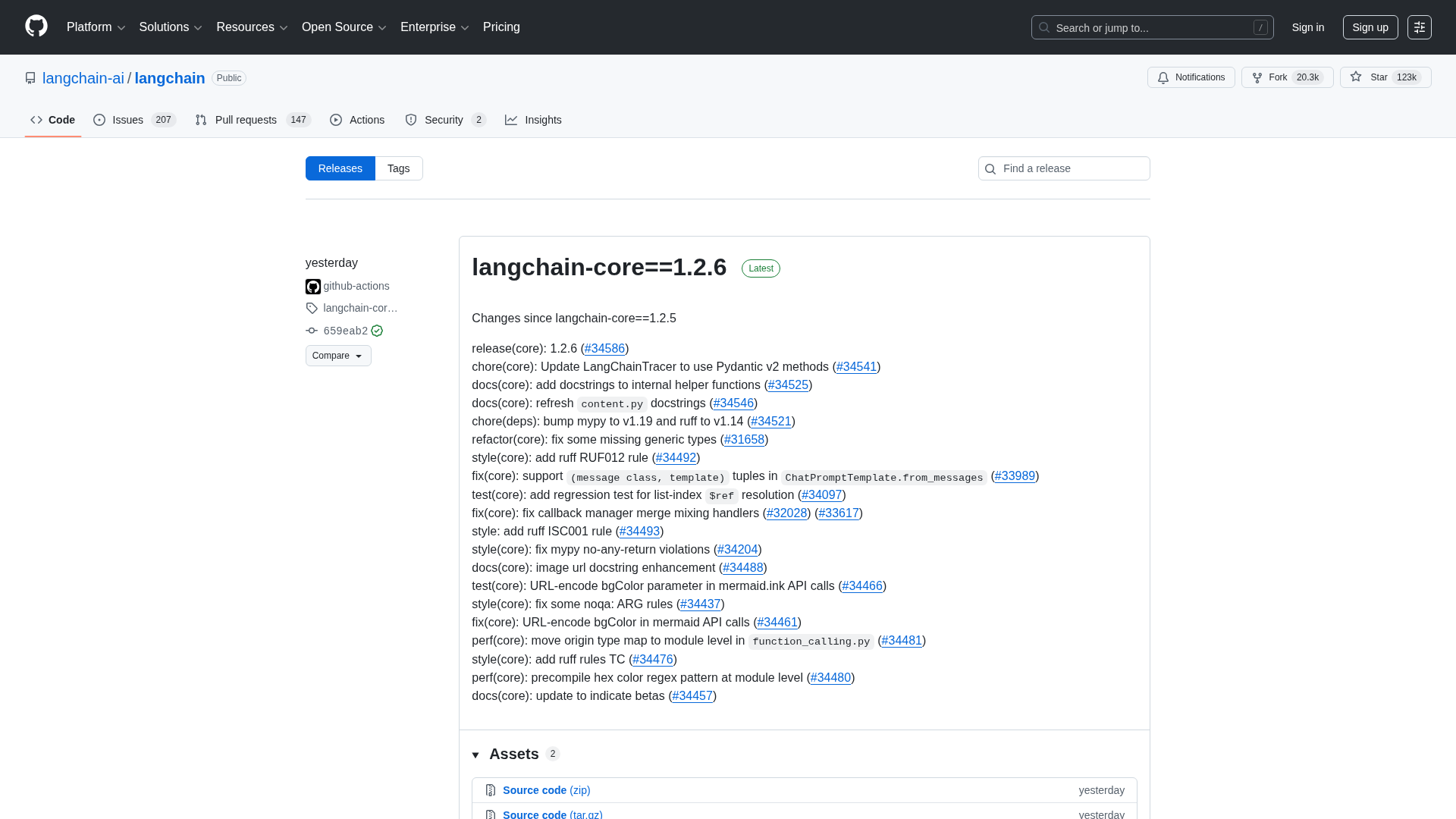
A comprehensive LangChain releases roundup detailing Core 1.2.6 and interconnected updates across XAI, OpenAI, Classic, and tests.
In-depth look at Gemini 3 Pro benchmarks across reasoning, math, multimodal, and agentic capabilities with implications for building AI agents.

Cannot access the article content due to an access-denied error, preventing summarization.