Topic Overview
AI model marketplaces and aggregators connect developers and enterprises to a fast-growing set of generative models, APIs and managed services—helping teams discover, compare, purchase and orchestrate models from multiple vendors. By 2025 the landscape is defined by a mix of cloud-native platforms, independent model providers and aggregator interfaces: Google’s Vertex AI offers a unified, fully-managed environment for building, training, deploying and monitoring ML and GenAI models; Anthropic’s Claude family supplies conversational and developer assistants for research, writing, code and analysis; Google Gemini provides multimodal models and APIs; Mistral AI focuses on open, efficient enterprise models and an AI production platform with privacy and governance controls; Cohere emphasizes private, customizable LLMs plus embeddings, retrieval and search. Aggregators such as Poe and platform ecosystems like OpenAI’s aim to reduce integration friction by exposing multiple models through a single interface, unified billing and routing, and by enabling rapid A/Bing, fallbacks and hybrid pipelines. Current trends include demand for model interoperability, specialization (vertical and multimodal), on‑prem and private-cloud deployment options, and tooling for governance, observability and cost/performance trade-offs. Marketplaces are also making it easier to mix embedding and retrieval services for retrieval-augmented generation (RAG), to compose models with function-calling and to manage provenance for compliance. For teams choosing between vendors, considerations center on latency, customization and fine-tuning options, privacy/GDPR constraints, licensing and total cost of ownership. Understanding marketplaces and aggregators is therefore essential for architects who must balance innovation speed, operational control and regulatory risk when assembling production GenAI stacks.
Tool Rankings – Top 5

Unified, fully-managed Google Cloud platform for building, training, deploying, and monitoring ML and GenAI models.

Enterprise-focused provider of open/efficient models and an AI production platform emphasizing privacy, governance, and

Enterprise-focused LLM platform offering private, customizable models, embeddings, retrieval, and search.
Anthropic's Claude family: conversational and developer AI assistants for research, writing, code, and analysis.

Google’s multimodal family of generative AI models and APIs for developers and enterprises.
Latest Articles (53)
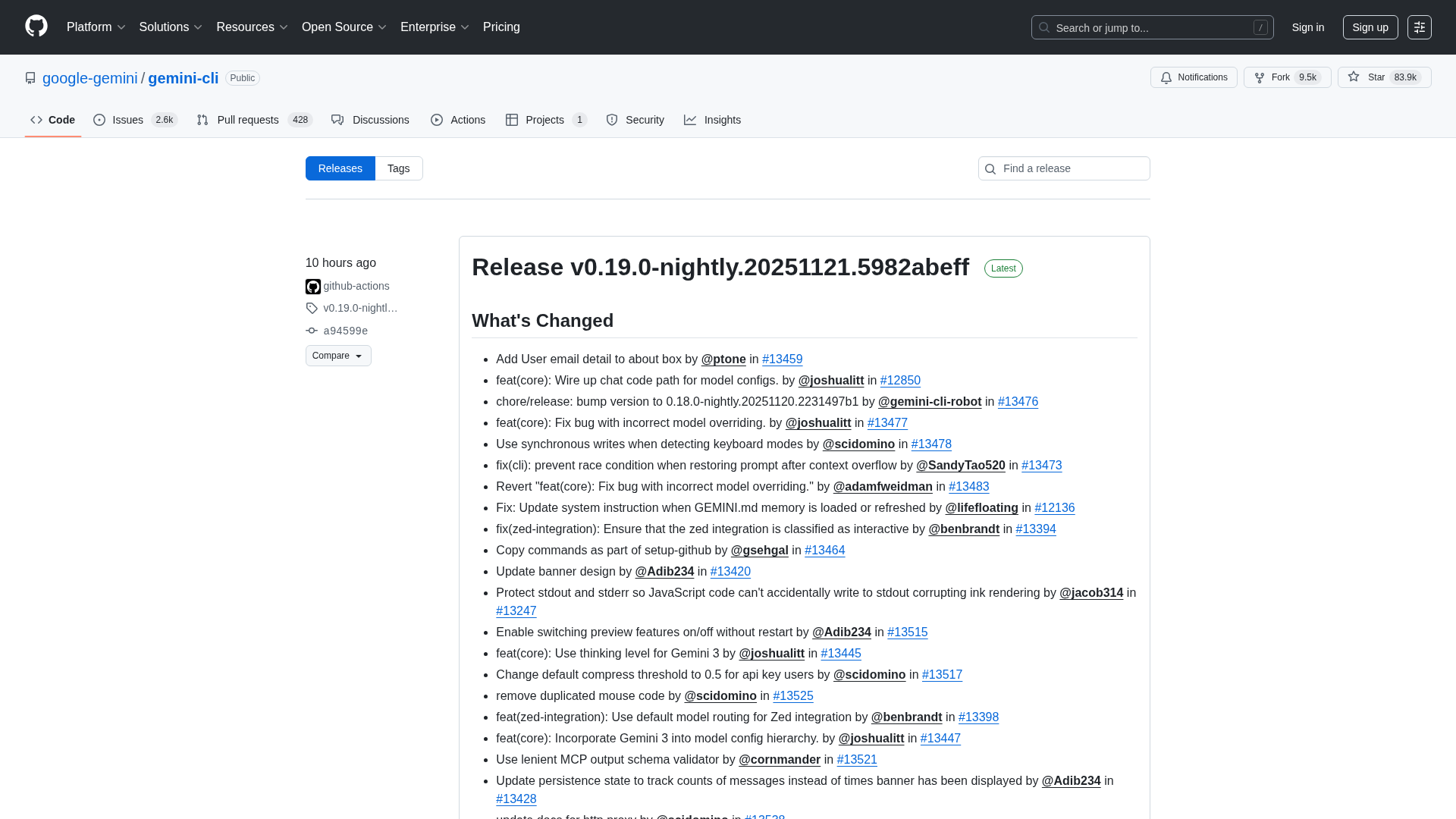
Overview of the Gemini CLI v0.36.0-preview release series, highlighting architectural, CLI, and UI changelogs across multiple pre-release versions.
A practical, step-by-step guide to fine-tuning large language models with open-source NLP tools.
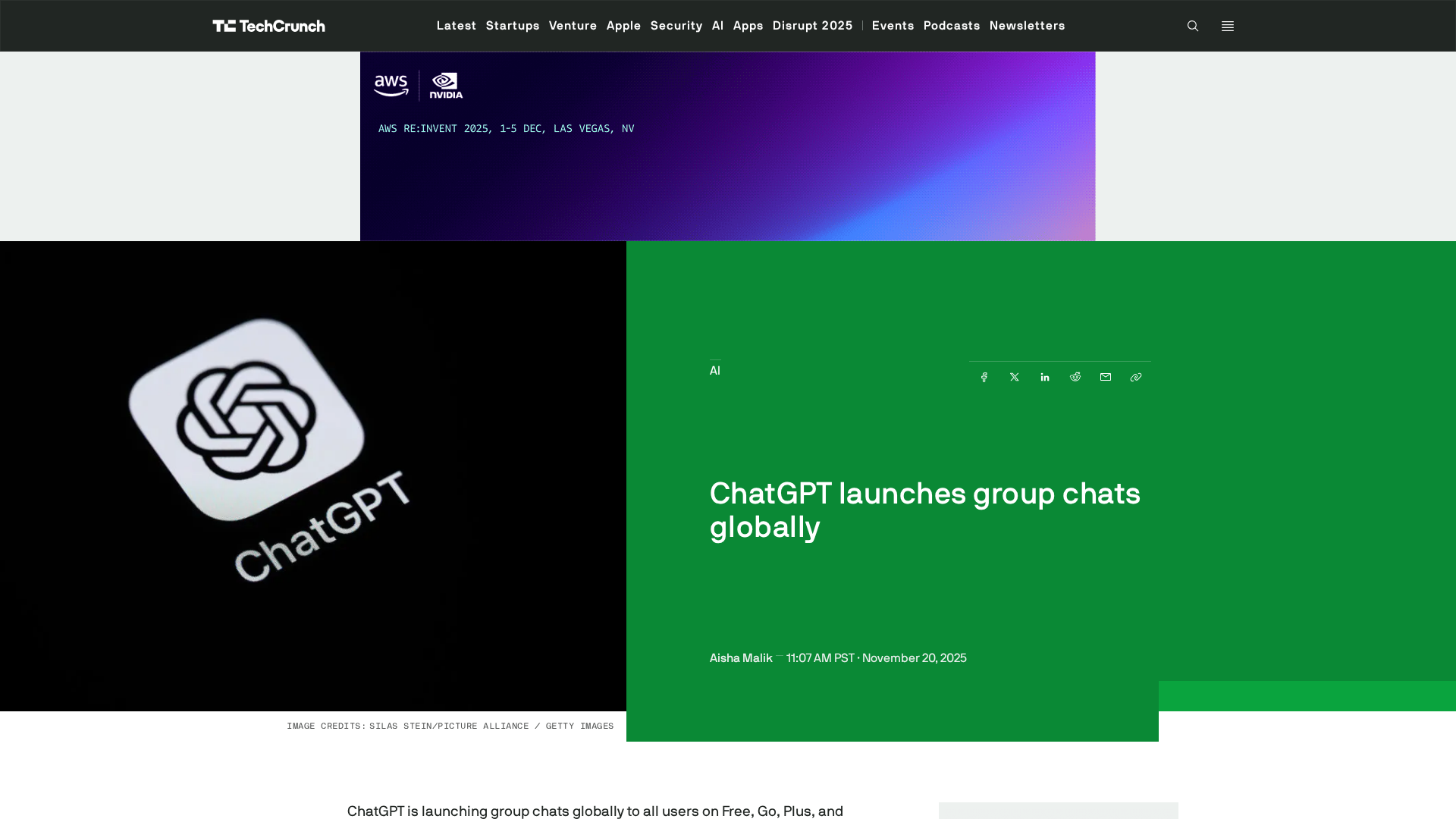
OpenAI rolls out global group chats in ChatGPT, supporting up to 20 participants in shared AI-powered conversations.

A practical, prompt-based playbook showing how Gemini 3 reshapes work, with a 90‑day plan and guardrails.
A detailed, use-case-driven comparison of Gemini 3 Pro and GPT-5.1 across context windows, multimodal capabilities, tooling, benchmarks, and pricing.