
Topic Overview
This topic surveys the current landscape of AI agent platforms, frameworks, marketplaces and enterprise suites to help teams compare capabilities, integration models, and governance needs. Agent platforms (Claude Opus 4.5, Google Gemini, OpenAI’s operator and enterprise agent offerings) have shifted from single-chat assistants toward orchestrated, stateful agents that call tools, manage workflows and integrate with enterprise data. Parallel to vendor suites, engineering frameworks and marketplaces — LangChain (and LangGraph state management), Replit’s hosted IDE + agents, IBM watsonx Assistant, and Microsoft 365 Copilot — provide developer tooling, no-code builders, deployment paths and pre-built connectors. Why this matters in late 2025: organizations are moving from experimenting with LLMs to productionizing agentic automation across customer service, knowledge work and developer productivity. Decision factors now extend beyond raw model quality to include multi-agent orchestration, state persistence, tool/plugin ecosystems, integration with enterprise systems, deployment and hosting options, cost/latency tradeoffs, and compliance controls. Marketplaces and automation platforms are also central — they enable reuse of agent templates, secure sharing of connectors, and third-party tools that expand base capabilities. This comparison focuses on how vendor agent suites and open frameworks differ in extensibility, operational controls, and integration patterns: vendor suites offer tighter end-to-end integrations and packaged enterprise features; frameworks like LangChain and platforms like Replit emphasize developer control, custom orchestration and deployment flexibility; IBM watsonx and Microsoft 365 Copilot prioritize enterprise governance and line-of-business integration. Evaluators should weigh extensibility, observability, safety controls and total cost of ownership when choosing between marketplaces, agent frameworks, and managed enterprise suites.
Tool Rankings – Top 5
Anthropic's Claude family: conversational and developer AI assistants for research, writing, code, and analysis.

Engineering platform and open-source frameworks to build, test, and deploy reliable AI agents.

Enterprise virtual agents and AI assistants built with watsonx LLMs for no-code and developer-driven automation.
AI assistant integrated across Microsoft 365 apps to boost productivity, creativity, and data insights.

AI-powered online IDE and platform to build, host, and ship apps quickly.
Latest Articles (65)
A vendor‑agnostic guide to the 14 best AI governance platforms in 2025, with criteria, comparisons, and practical buying guidance.
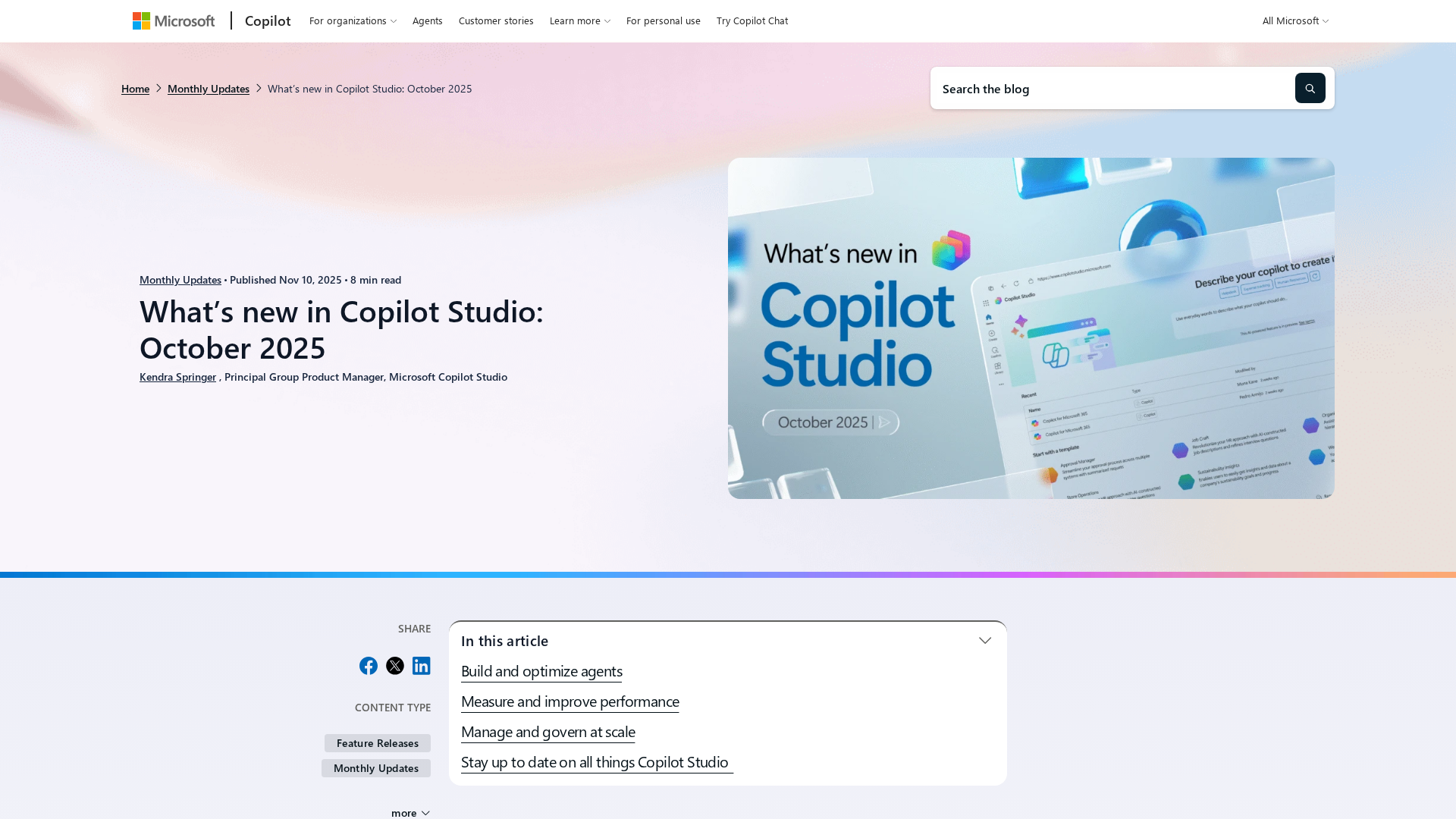
A comprehensive October 2025 roundup of Copilot Studio’s new testing, model, and governance features.
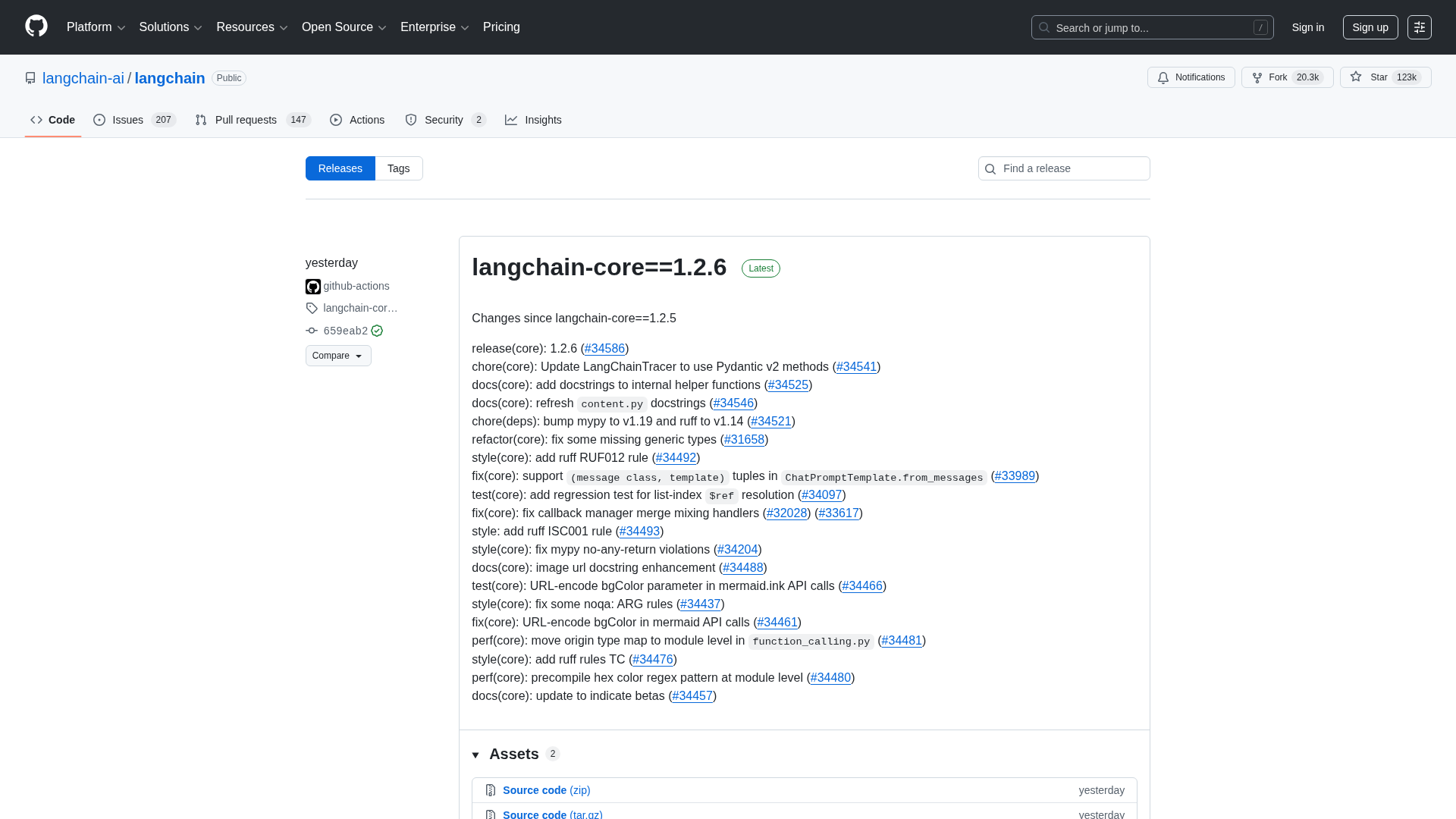
A comprehensive LangChain releases roundup detailing Core 1.2.6 and interconnected updates across XAI, OpenAI, Classic, and tests.

Cannot access the article content due to an access-denied error, preventing summarization.

Adobe nears a $19 billion deal to acquire Semrush, expanding its marketing software capabilities, according to WSJ reports.