Topic Overview
Enterprise AI agent frameworks are platforms and runtimes used to assemble LLM-based assistants and autonomous workflows that interact with corporate systems, documentation, codebases, customers, and industrial equipment. By 2026 these frameworks are central to productionizing agents: they combine model orchestration, retrieval-augmented generation (RAG), tool execution, monitoring, and governance to meet enterprise requirements for security, compliance, and reliability. Key categories and representative tools: developer assistants and coding agents (GitHub Copilot, Amazon CodeWhisperer/ Amazon Q Developer, Tabnine, Tabby, AskCodi) accelerate engineering through inline completions, chat, and autonomous coding workflows; autonomous-agent platforms (AutoGPT, Anthropic Claude Agents) provide runtimes and orchestration for multi-step task automation; document- and knowledge-focused toolkits (LlamaIndex) power RAG pipelines and document agents; quality and SDLC governance (Qodo/Codium, CodeRabbit) add code review, test generation, and policy enforcement; vertical/operational agents (Amazon Connect Talent for contact centers, Siemens Eigen for industrial digital-twin and control scenarios) integrate agents with domain-specific systems. Why it matters now: adoption has moved from experimentation to production, raising nonfunctional demands—model governance, private or on-prem deployments, explainability, observability, and human-in-the-loop controls. Trends include greater emphasis on hybrid hosting and model interoperability, richer tool-interfaces (APIs, action specs), and metrics-driven governance across agent lifecycles. Choosing a framework requires balancing developer ergonomics, integration with enterprise data and workflows, security/governance controls, and support for the agent patterns (assistive chat, autonomous workflows, document retrieval, and operational control) you need.
Tool Rankings – Top 6

An AI pair programmer that gives code completions, chat help, and autonomous agent workflows across editors, theterminal
Platform to build, deploy and run autonomous AI agents and automation workflows (self-hosted or cloud-hosted).

Enterprise-focused AI coding assistant emphasizing private/self-hosted deployments, governance, and context-aware code.

Developer-focused platform to build AI document agents, orchestrate workflows, and scale RAG across enterprises.

Quality-first AI coding platform for context-aware code review, test generation, and SDLC governance across multi-repo,팀

AI-powered, context-aware code reviews that learn from feedback and integrate with IDEs and issue trackers.
Latest Articles (71)
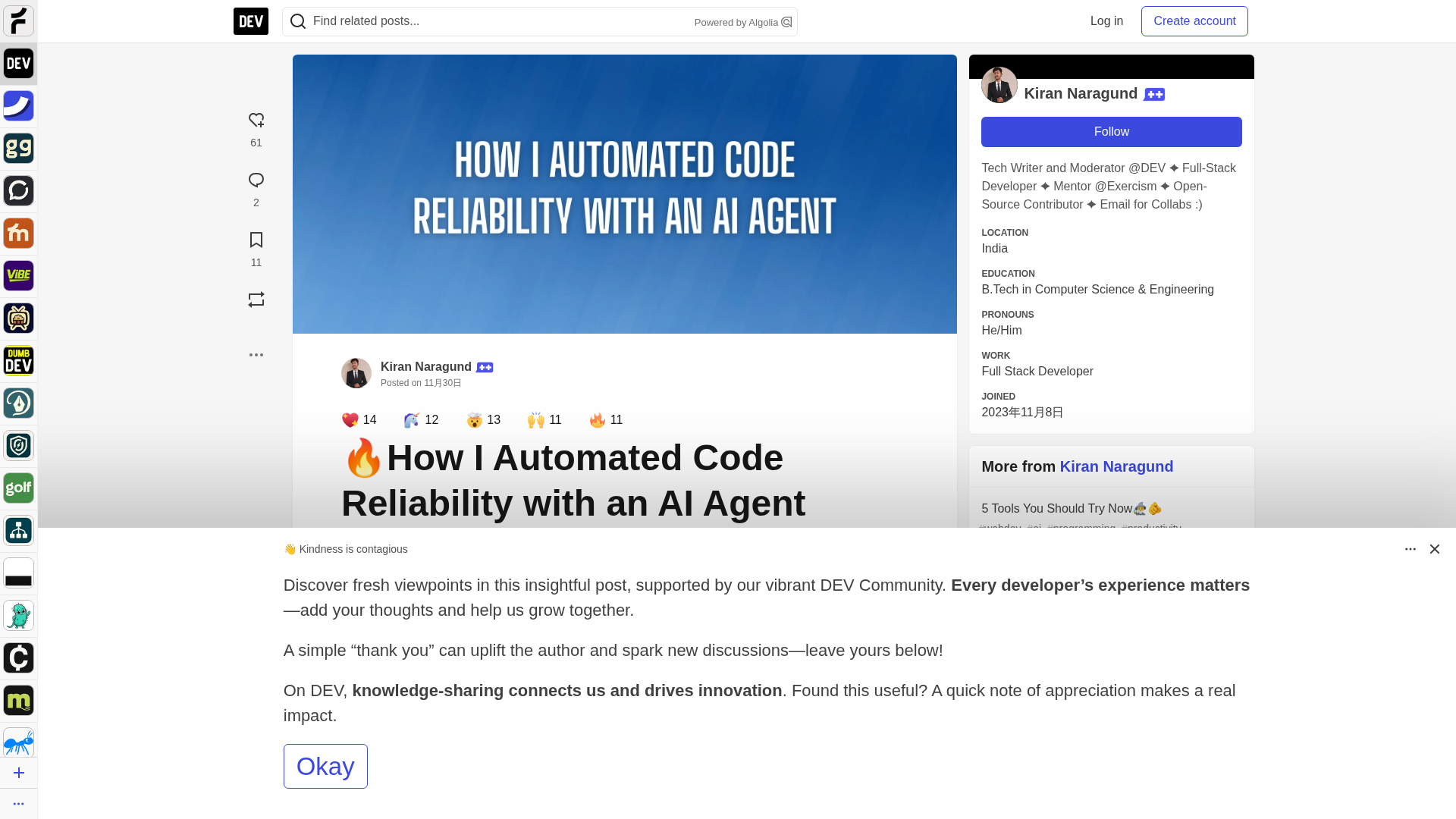
A step-by-step guide to building an AI-powered Reliability Guardian that reviews code locally and in CI with Qodo Command.
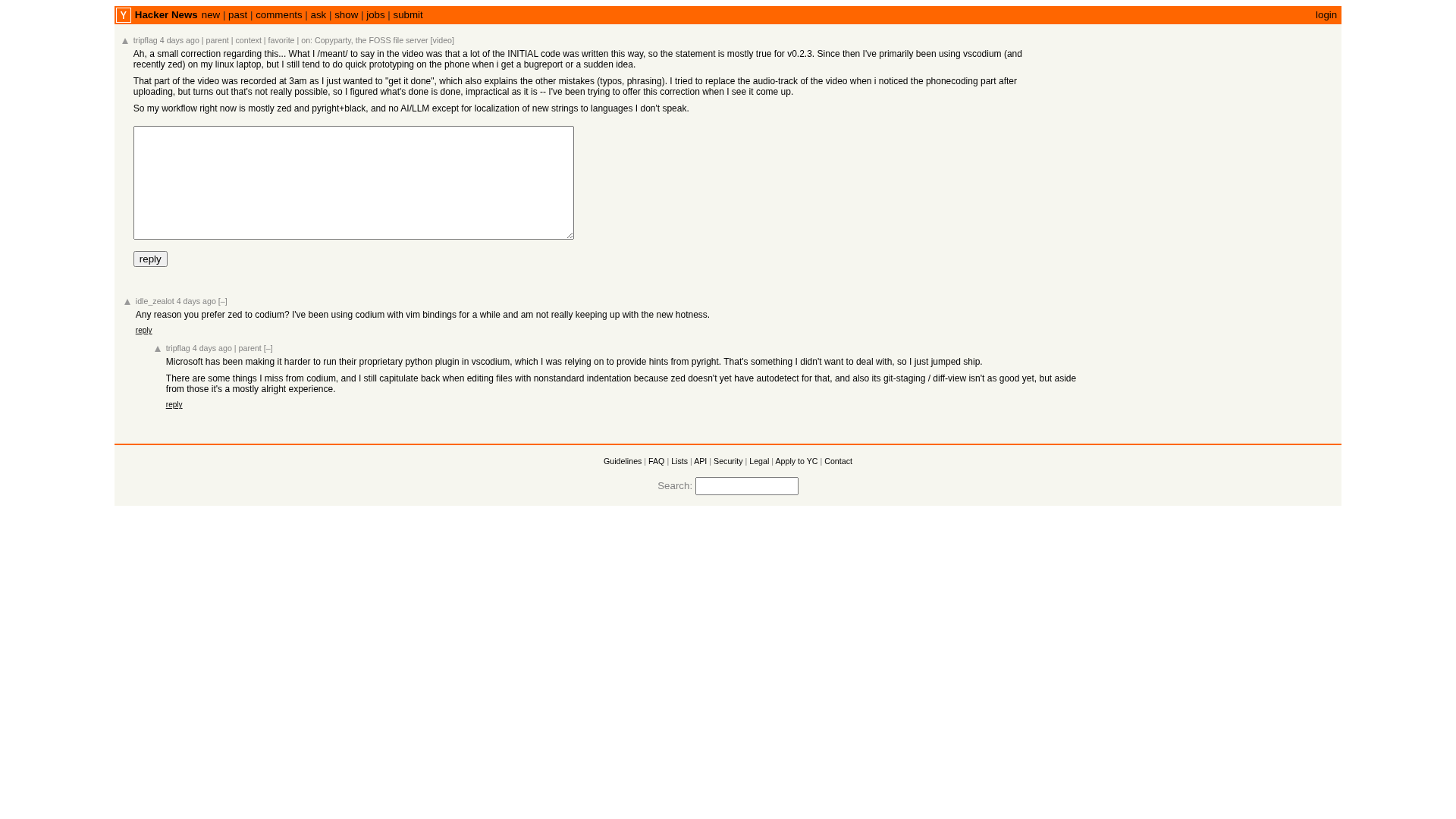
A developer chronicles switching to Zed on Linux, prototyping on a phone, and a late-night video correction.
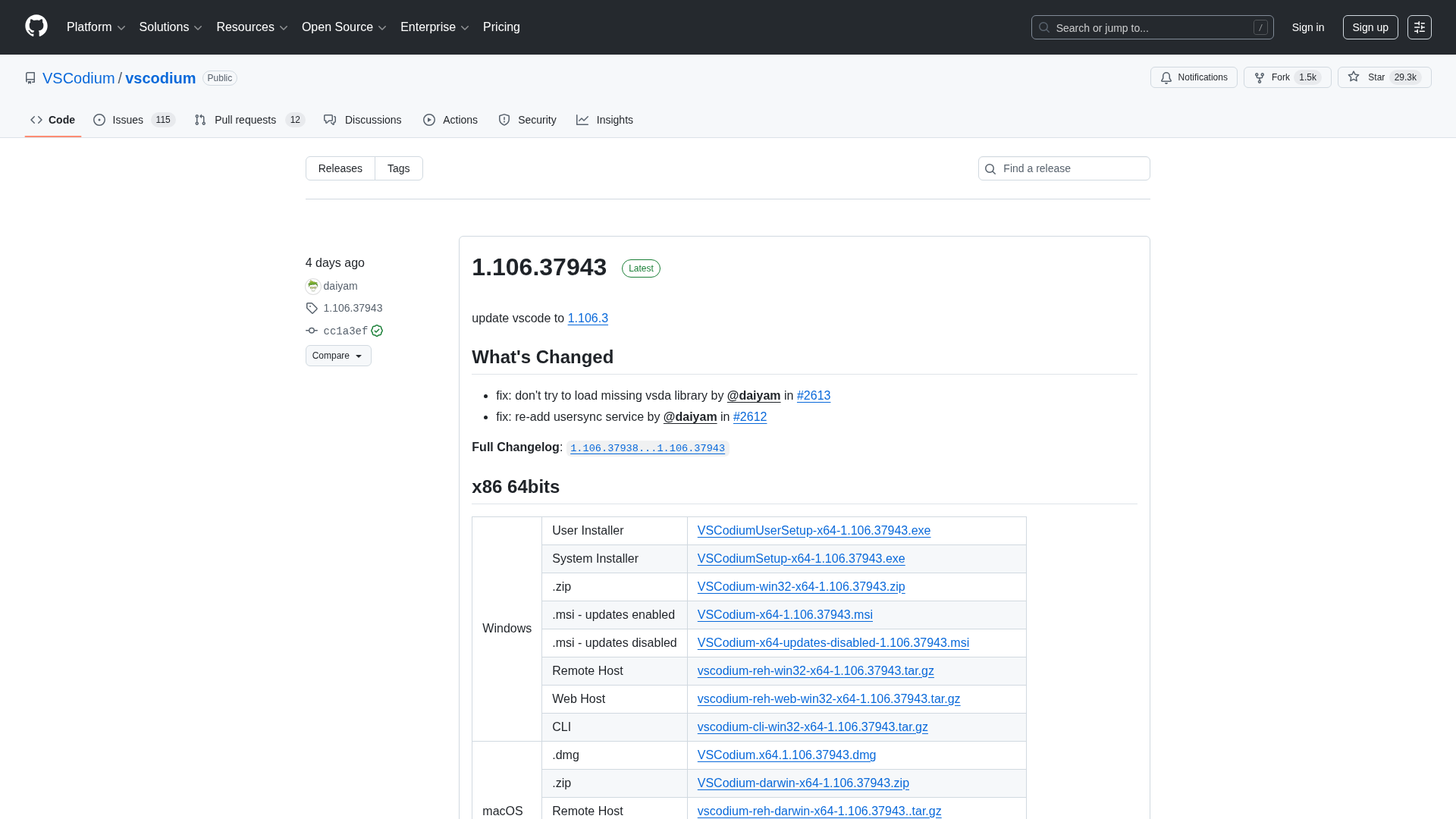
A comprehensive releases page for VSCodium with multi-arch downloads and versioned changelogs across 1.104–1.106 revisions.
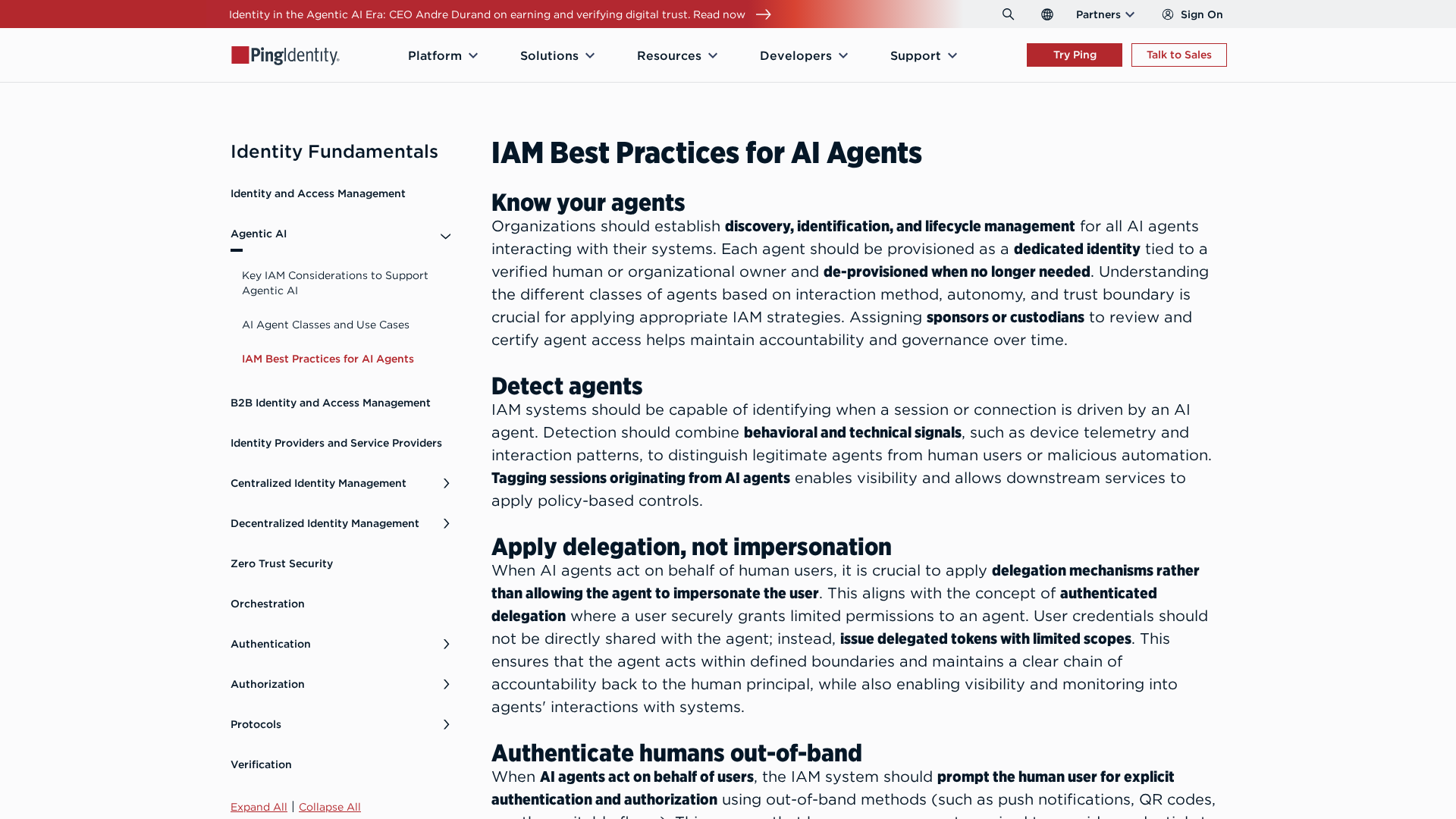
Best-practices for securing AI agents with identity management, delegated access, least privilege, and human oversight.
Qodo ranks highest for Codebase Understanding by Gartner, highlighting cross-repo context as essential for scalable AI development.