Topic Overview
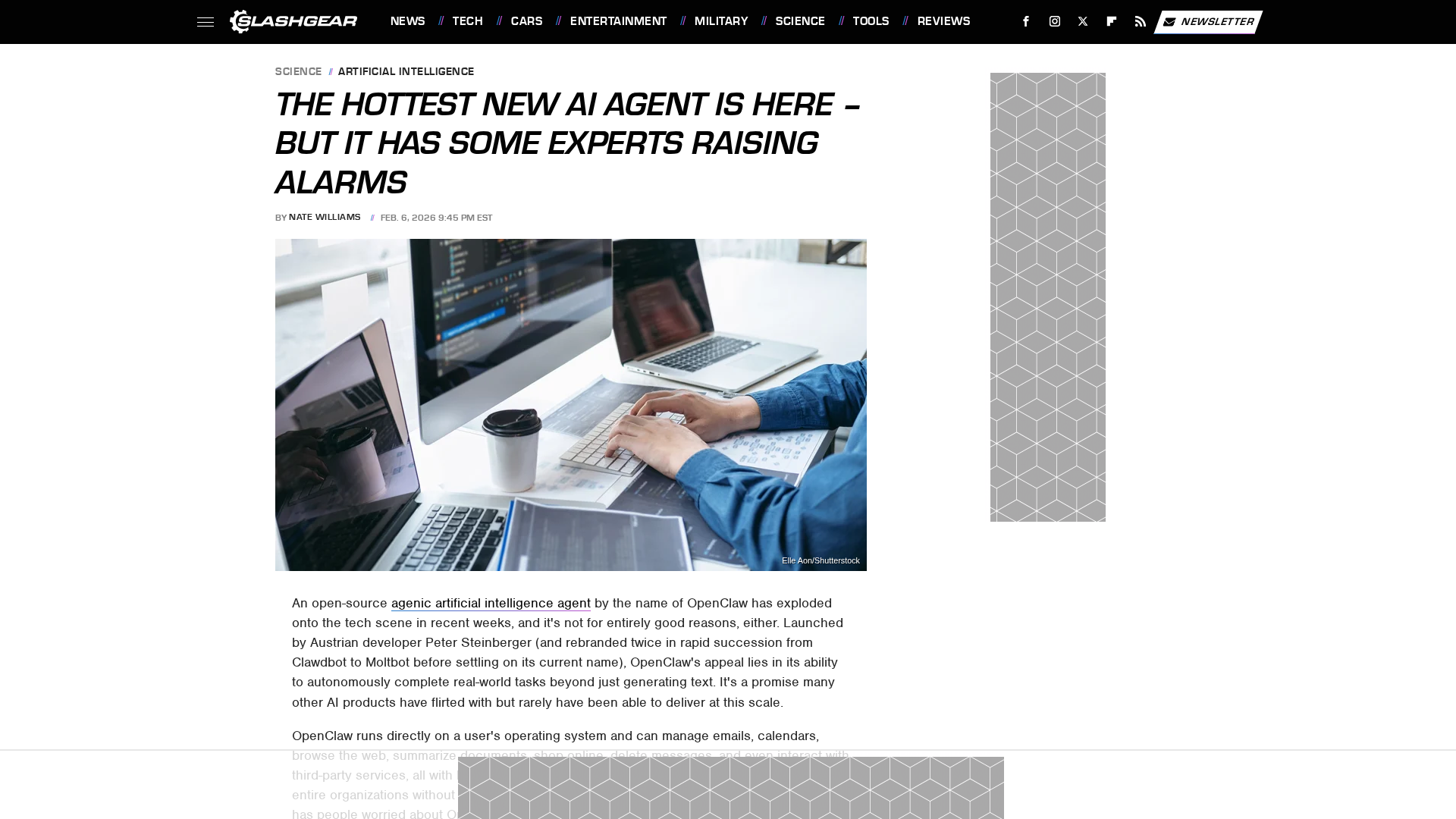
Persistent cross‑session semantic memory refers to agent architectures that retain and retrieve structured, meaning‑based representations of past interactions, user preferences, documents, and workflow state across sessions. That capability is increasingly central to building AI agents that can personalize behavior, continue multi‑step tasks over time, and reduce repeated context prompts. As of early 2026 this topic is relevant because enterprise automation, personal knowledge management, and multi‑agent orchestration are moving from stateless chat and one‑off workflows toward continuous, stateful assistants that must be auditable and governed. Key categories include AI Agent Marketplaces (discovering and distributing agents), Agent Frameworks (runtime and SDKs for multi‑agent systems), AI Automation Platforms (no‑code/low‑code orchestration and business integration), and Personal Knowledge Management tools (authoritative stores for long‑lived user data). Representative tools include Anthropic’s Claude family (conversational and developer assistants), Relevance AI (enterprise no‑code/low‑code platform for building and scaling autonomous agents), MindStudio (visual design, test, deploy platform with enterprise controls), and StackAI (end‑to‑end no‑code/low‑code platform for governance and deployment). Specialized platforms such as Neutron and OpenClaw exemplify vendor efforts focused specifically on persistent semantic memory and cross‑session continuity. Trends to watch: adoption of vector/semantic stores and retrieval layers that power memory, integrated governance and consent controls for long‑lived user state, no‑code tooling that broadens access to agent design, and marketplaces that enable composable agent economies. For buyers and builders, important tradeoffs are data locality and privacy, memory freshness and summarization strategies, and operational governance for correctness and auditability.
Tool Rankings – Top 4
Anthropic's Claude family: conversational and developer AI assistants for research, writing, code, and analysis.

Enterprise-grade no-code/low-code platform to build, deploy, and manage autonomous AI agents and workflows.

No-code/low-code visual platform to design, test, deploy, and operate AI agents rapidly, with enterprise controls and a
End-to-end no-code/low-code enterprise platform for building, deploying, and governing AI agents that automate work onun
Latest Articles (25)
A practical, step-by-step guide to fine-tuning large language models with open-source NLP tools.

Google’s Gemini 3 Pro debuts with top benchmarks and wider integration, signaling a potential edge in the AI arms race.
Gemini 3 introduces vibe-codes, generative interfaces, and an experimental Gemini Agent to automate tasks across Google services.
Explore how AI co-workers in marketing automate, personalize, and optimize campaigns to maximize ROI.
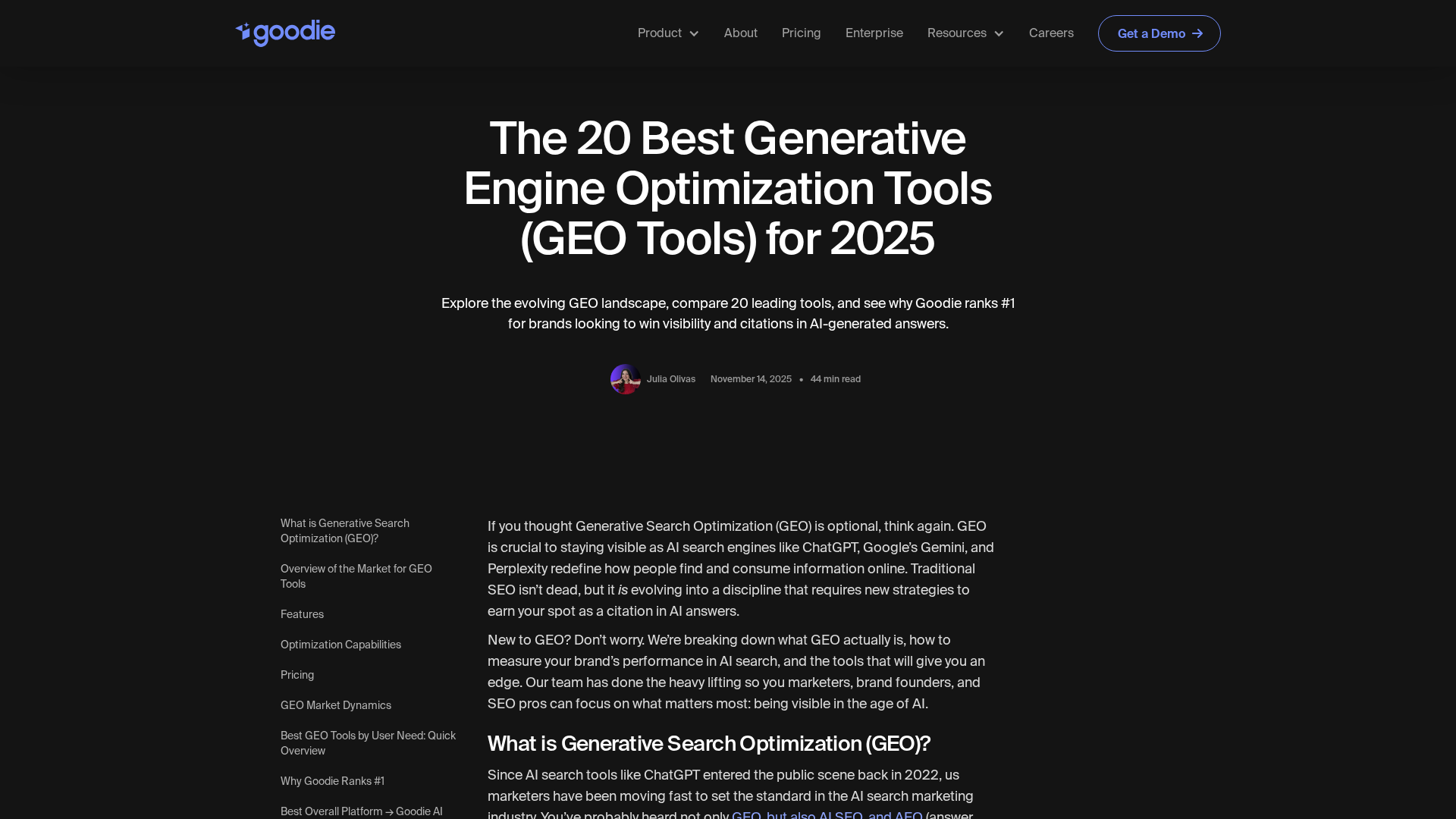
A comprehensive comparison of 20 GEO tools, highlighting Goodie as the leading end-to-end GEO/AEO platform with pros and cons across SMB to enterprise.