Topic Overview
This topic covers AI coding assistants and agentic platforms designed to support long‑running and terminal‑based development workflows: continuous builds, background agents, persistent REPLs/terminals, CI/CD integrations, and developer flows that span hours or days. As of 2026, the space has moved beyond single-line completions toward integrated, multi‑model toolchains and agentic IDEs that keep developers “in flow” while handling routine tasks like tests, refactors, docs, and deployments. Key examples include Windsurf (formerly Codeium), an AI‑native IDE and agentic coding platform that emphasizes live previews and multi‑model orchestration; Tabby, an open‑source self‑hosted assistant for local model serving and IDE extensions; and Replit, a web‑native IDE with integrated hosting and AI agents for building and shipping apps. In‑IDE copilots such as JetBrains AI Assistant deliver context‑aware completions and refactorings, while tools like Amazon CodeWhisperer (being folded into Amazon Q Developer) and OpenAI’s Codex family provide models for inline suggestions and program synthesis. Research and open models—Salesforce CodeT5, CodeGeeX—and specialist tools like Refraction (tests/docs/refactors) and Syth (low‑code build assistance) expand options for on‑premises or hybrid deployments. LangChain and similar agent frameworks are increasingly used to compose and observe these long‑running agents. Practical trends and considerations include multi‑model orchestration for specialized tasks, self‑hosting for privacy and latency control, observability and reproducibility for long sessions, and explicit guardrails for security and licensing. For terminal‑centric and persistent development, the most useful systems blend in‑IDE context, background agents, model serving, and CI/CD hooks—balancing automation with developer control rather than replacing it.
Tool Rankings – Top 6

AI-native IDE and agentic coding platform (Windsurf Editor) with Cascade agents, live previews, and multi-model support.
.avif)
Open-source, self-hosted AI coding assistant with IDE extensions, model serving, and local-first/cloud deployment.

AI-powered online IDE and platform to build, host, and ship apps quickly.
In‑IDE AI copilot for context-aware code generation, explanations, and refactorings.

AI-driven coding assistant (now integrated with/rolling into Amazon Q Developer) that provides inline code suggestions,
AI-based coding assistant for code generation and completion (open-source model and VS Code extension).
Latest Articles (66)
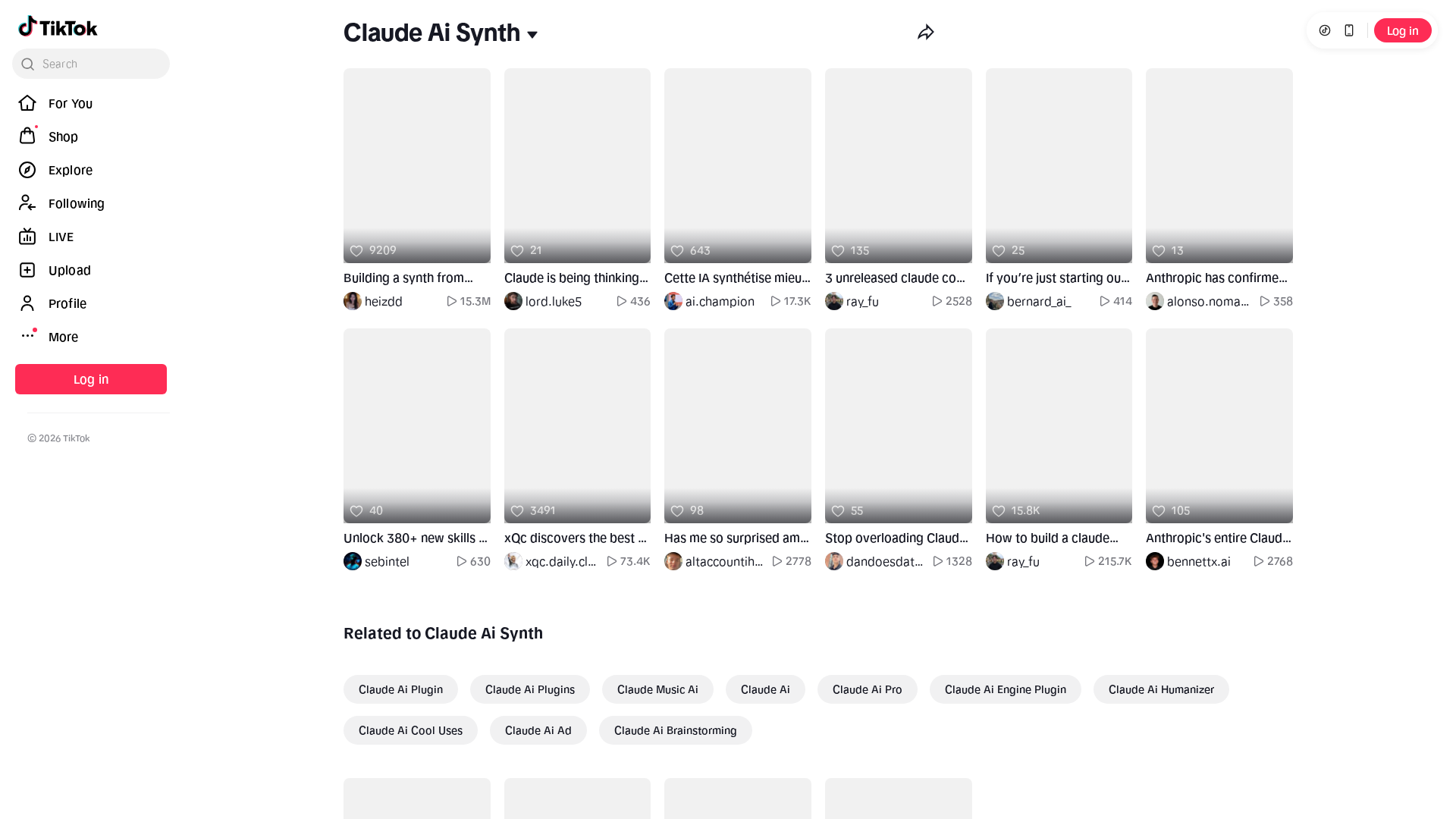
An analysis of Claude AI Synth on TikTok Discover and its impact on AI-powered short video.
Access to the article content is blocked by a JavaScript gate, preventing analysis.
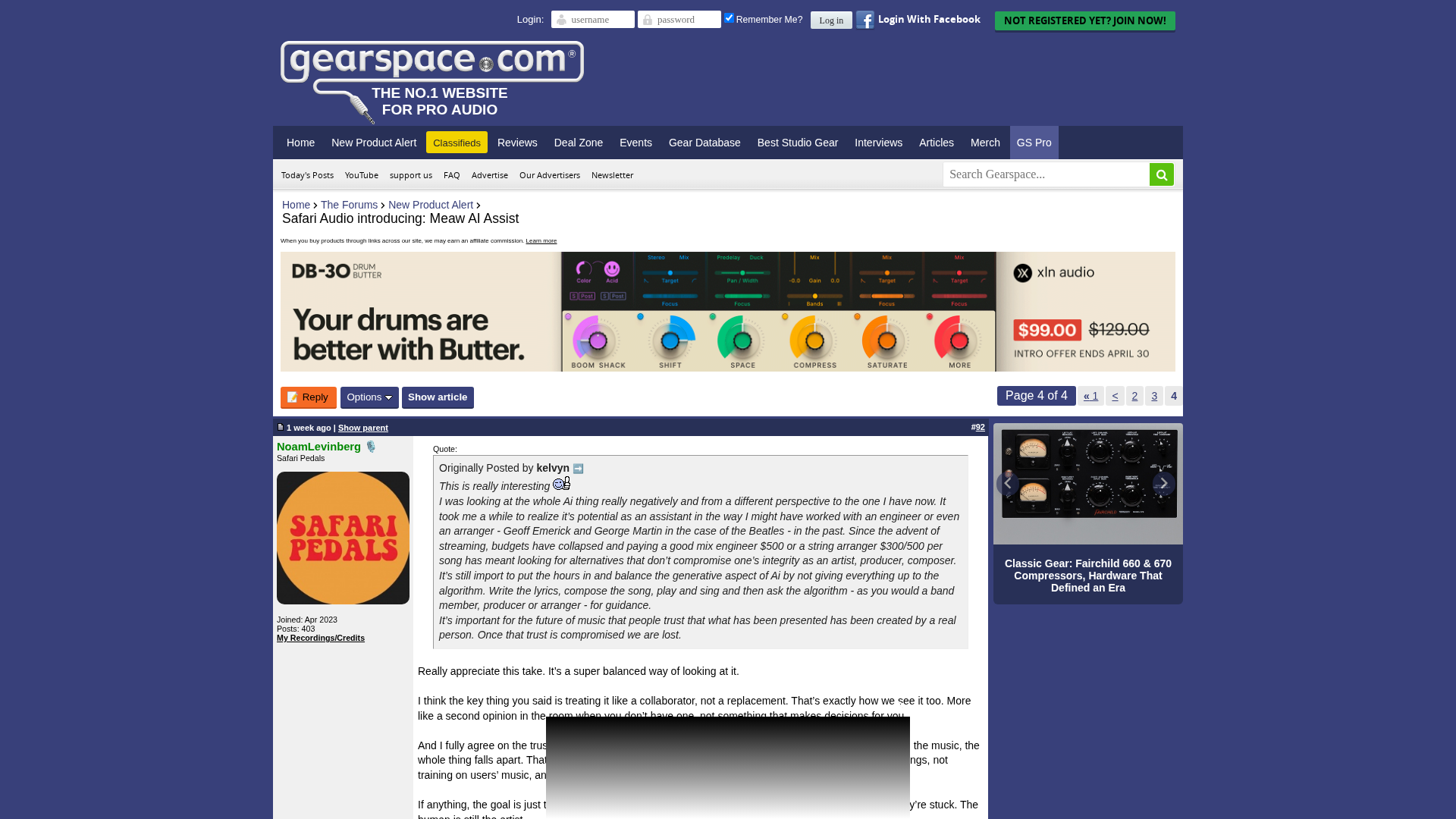
Safari Audio announces MeAW AI Assist 4, an AI-powered production assistant for audio workflows.
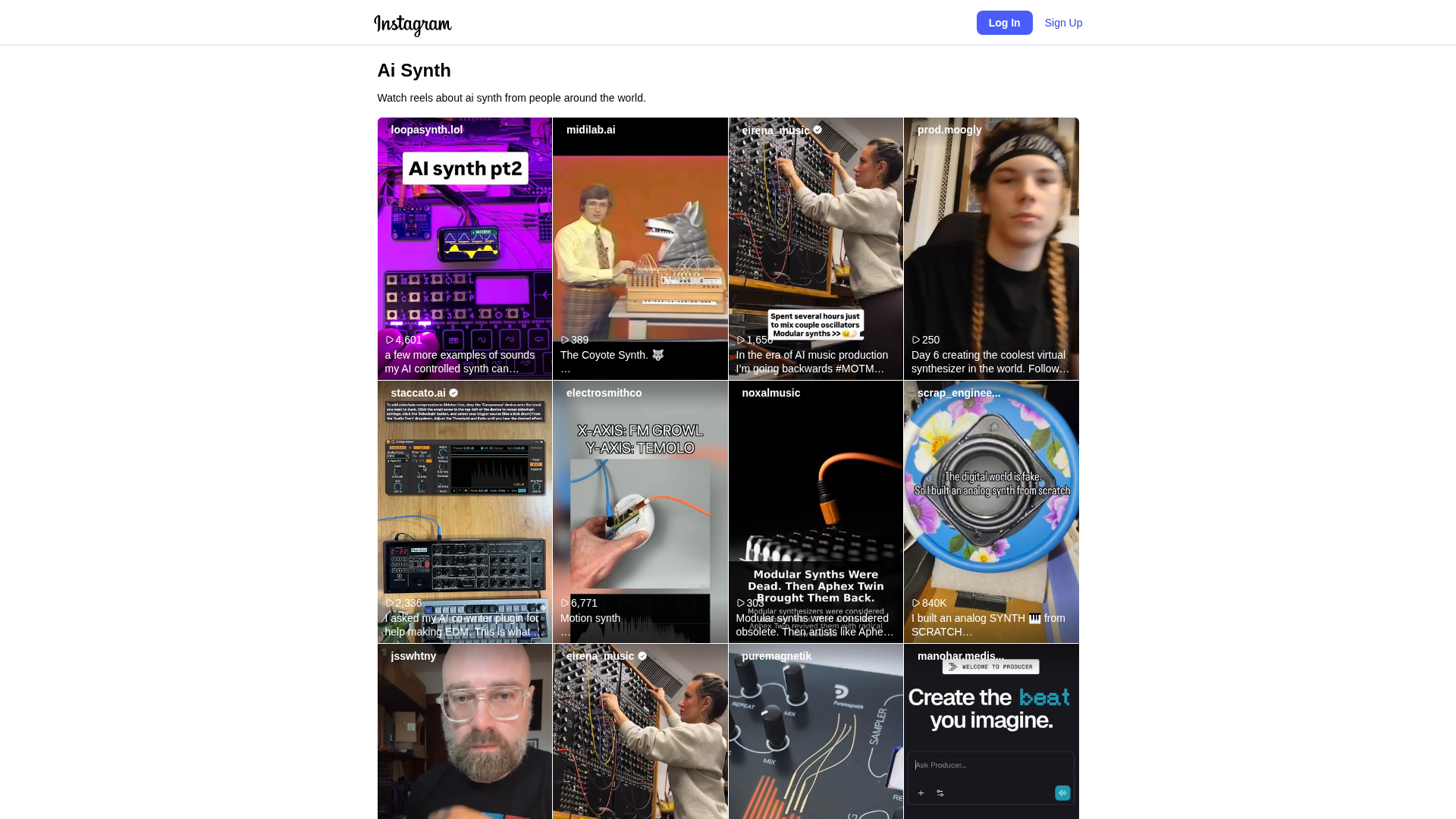
Article text is missing; share the content to enable an accurate analysis and preview.

No article content provided; unable to summarize specific points from the post.