Topic Overview
This topic compares leading conversational AI assistants—consumer-facing agents like Apple’s Siri and OpenAI’s ChatGPT and large‑model platforms such as Google Gemini and Anthropic’s Claude—alongside enterprise-focused offerings and platforms that shape how assistants are built and deployed. It explains differences across modalities (voice, text, multimodal), deployment (on‑device vs cloud), integration (productivity apps, contact centers, developer APIs), and governance (privacy, fine‑tuning, observability). As of 2026, conversational AI has moved beyond single‑turn chat to integrated assistants that automate workflows, act inside software, and support real‑time voice interactions. Google Gemini is positioned as a multimodal family accessible via Google AI APIs, Studio and Vertex AI; Claude provides conversational and developer assistants optimized for research, writing, code and analysis; Microsoft 365 Copilot embeds generative assistance across productivity apps; IBM watsonx Assistant targets enterprise virtual agents with no‑code and developer options. Supporting technologies—Vertex AI, Cohere, Mistral AI—supply model hosting, private/custom models, and governance; Adept’s agentic approach enables assistants to perform multistep UI actions; PolyAI and Observe.AI focus on voice‑first agents and conversation intelligence for contact centers. The practical comparison highlights tradeoffs: Siri’s device integration and privacy posture vs. cloud LLMs’ broader generative and multimodal capabilities; platform ecosystems that enable enterprise customization and compliance; and emerging patterns such as retrieval‑augmented generation, agentic automation, and real‑time voice assistants. This framing helps buyers and builders choose an assistant strategy aligned with their needs—consumer convenience, developer extensibility, enterprise control, or voice‑centric service delivery—without overstating capabilities.
Tool Rankings – Top 6
Anthropic's Claude family: conversational and developer AI assistants for research, writing, code, and analysis.

Google’s multimodal family of generative AI models and APIs for developers and enterprises.
AI assistant integrated across Microsoft 365 apps to boost productivity, creativity, and data insights.

Enterprise virtual agents and AI assistants built with watsonx LLMs for no-code and developer-driven automation.

Unified, fully-managed Google Cloud platform for building, training, deploying, and monitoring ML and GenAI models.

Voice-first conversational AI for enterprise contact centers, delivering lifelike multilingual agents across voice, chat
Latest Articles (115)
A vendor‑agnostic guide to the 14 best AI governance platforms in 2025, with criteria, comparisons, and practical buying guidance.
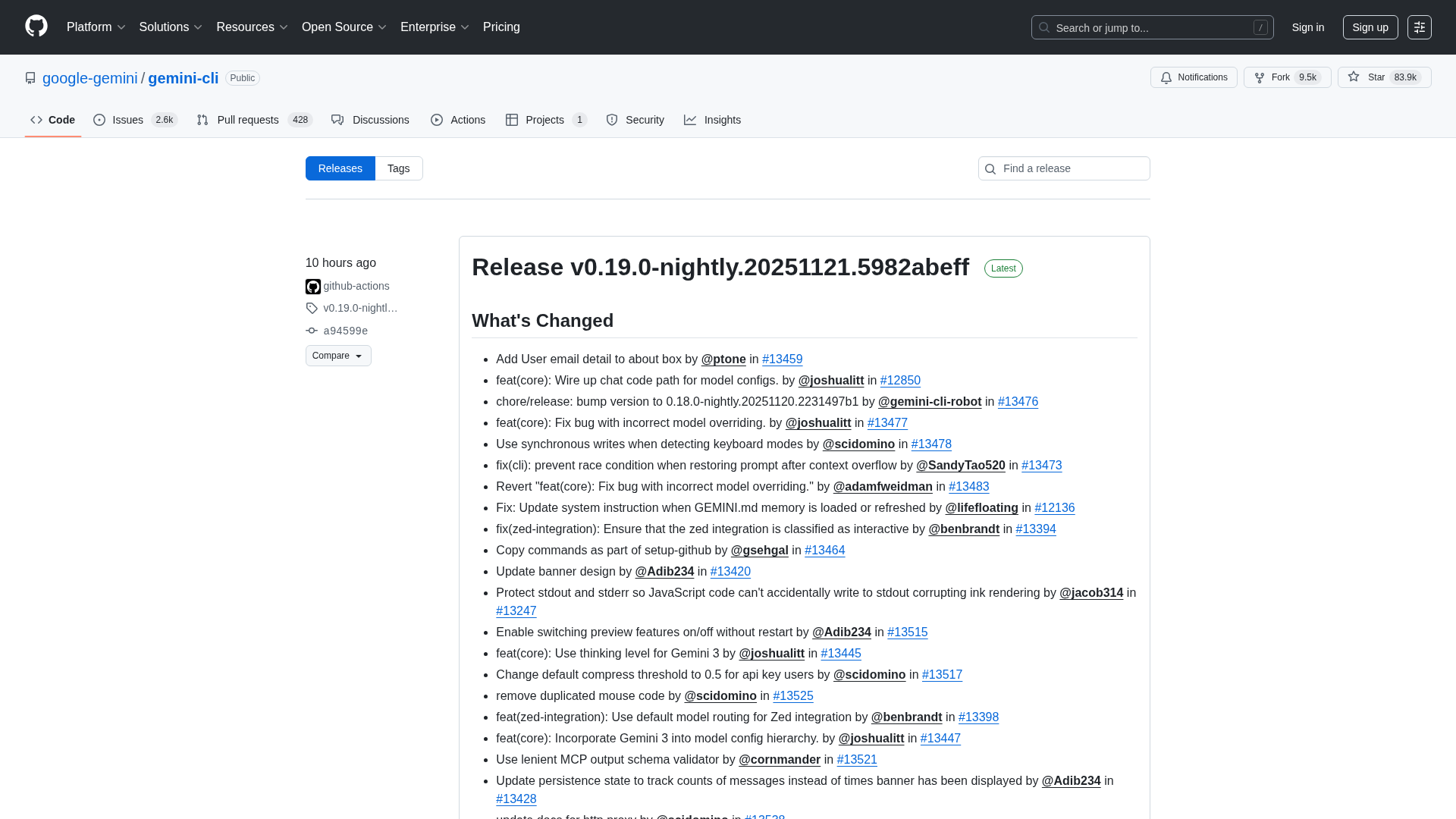
Overview of the Gemini CLI v0.36.0-preview release series, highlighting architectural, CLI, and UI changelogs across multiple pre-release versions.
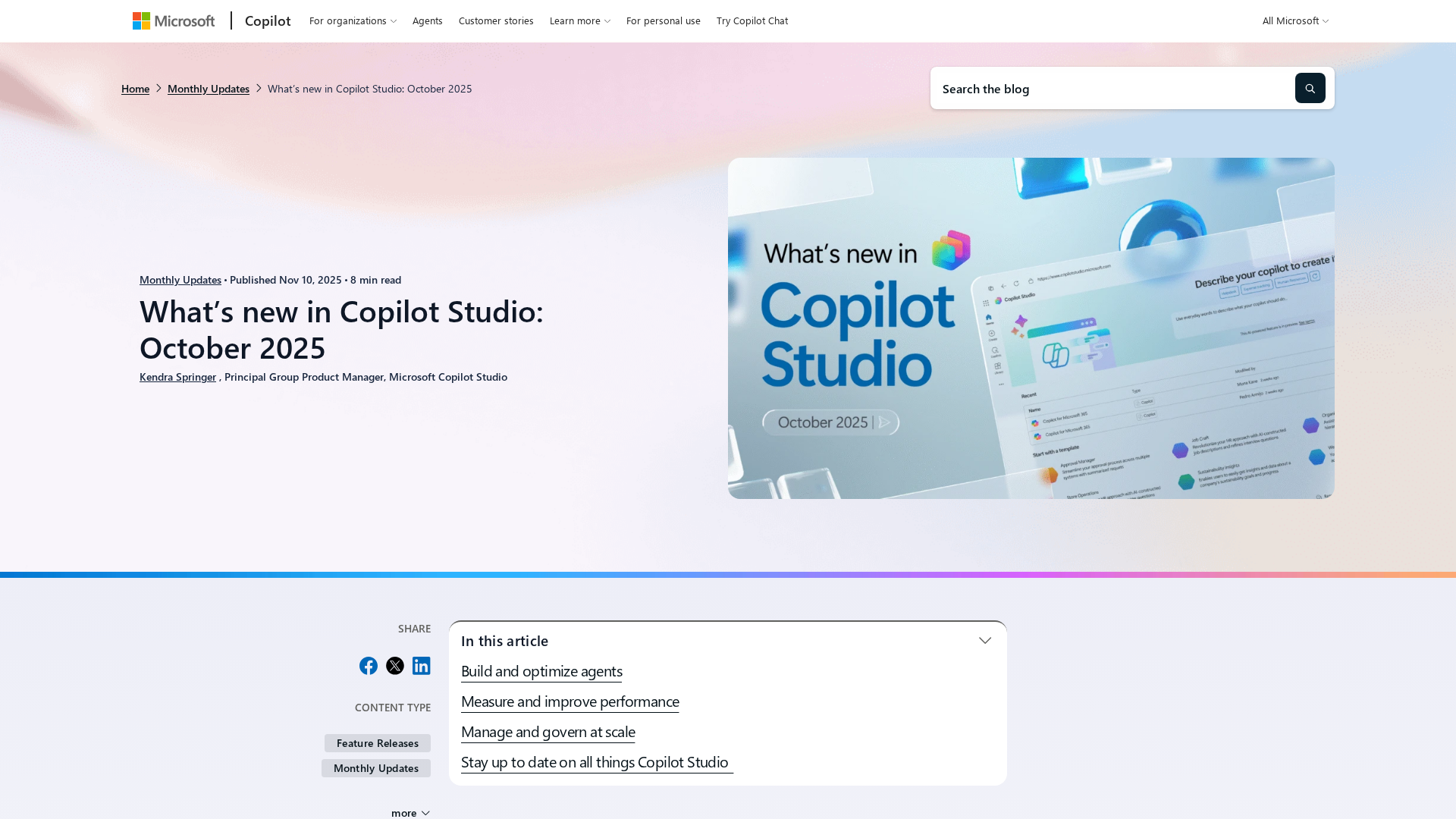
A comprehensive October 2025 roundup of Copilot Studio’s new testing, model, and governance features.
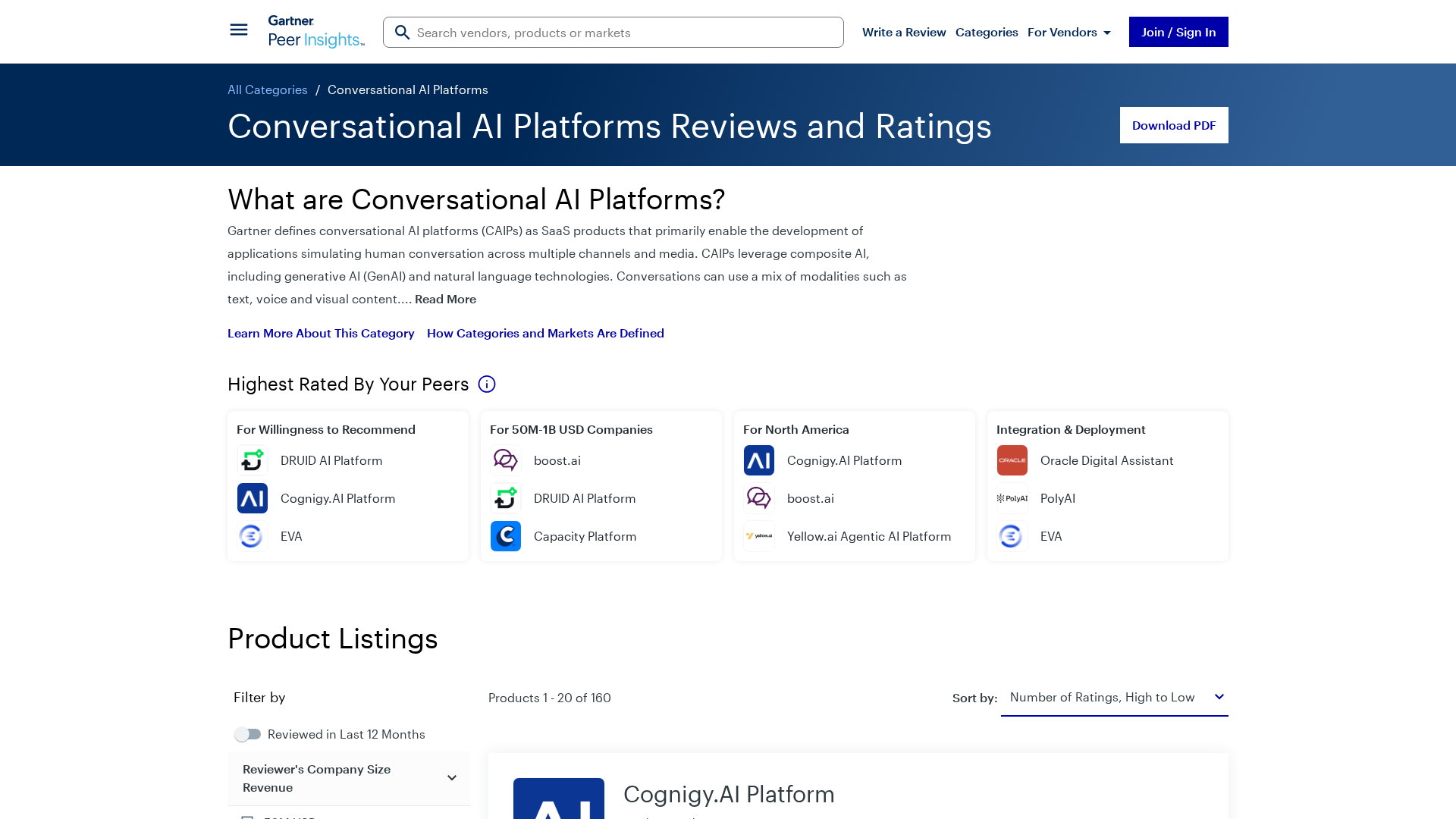
Gartner’s market view on conversational AI platforms, outlining trends, vendors, and buyer guidance.

Adobe nears a $19 billion deal to acquire Semrush, expanding its marketing software capabilities, according to WSJ reports.