Topic Overview
This topic examines how large enterprises are deploying AI across retail and industrial operations by comparing cloud-native multimodal LLM platforms with digital‑twin GPU ecosystems. Recent partnerships — exemplified by retail deployments with Google Cloud and industry/digital‑twin initiatives using NVIDIA Omniverse with integrators like Deloitte — illustrate two dominant patterns: centralized, cloud-managed generative AI for customer experience and operations; and high‑fidelity simulation and visualization stacks for plant, supply‑chain and store planning. Why it matters in 2026: generative models have moved into production workloads that require scaled orchestration, data governance, and real‑time inference. Organizations evaluating AI Automation Platforms and AI Data Platforms must weigh tradeoffs in latency, model provenance, cost, tooling, and integration risk. Cloud LLMs and multimodal APIs (e.g., Google Gemini via Vertex AI/Google AI Studio) enable conversational agents, merchandising recommendations, and enterprise search at scale. Enterprise assistant and agent tooling — IBM watsonx Assistant, Anthropic’s Claude, and no‑code/low‑code builders like MindStudio, Lindy, and Observe.AI — shorten delivery cycles for chatbots, contact‑center copilots, and autonomous agents. For code and developer workflows, platforms such as Qodo and Salesforce CodeT5 support safer, testable model-assisted engineering. Deployment comparison highlights: cloud‑native stacks prioritize fast integration, managed security, and multimodal inference; digital‑twin approaches (Omniverse) prioritize GPU‑driven simulation, spatial data integration, and edge/visualization performance. Practical considerations include data platform maturity, CI/CD for models, observability, cost of GPU vs. managed inference, and enterprise governance. This comparison helps technology leaders choose architectures that align with use cases — from customer‑facing automation to physics‑based simulation and operational optimization.
Tool Rankings – Top 6

Google’s multimodal family of generative AI models and APIs for developers and enterprises.
AI assistant integrated across Microsoft 365 apps to boost productivity, creativity, and data insights.

Enterprise virtual agents and AI assistants built with watsonx LLMs for no-code and developer-driven automation.
Anthropic's Claude family: conversational and developer AI assistants for research, writing, code, and analysis.

No-code/low-code visual platform to design, test, deploy, and operate AI agents rapidly, with enterprise controls and a

Enterprise conversation-intelligence and GenAI platform for contact centers: voice agents, real-time assist, auto QA, &洞
Latest Articles (109)
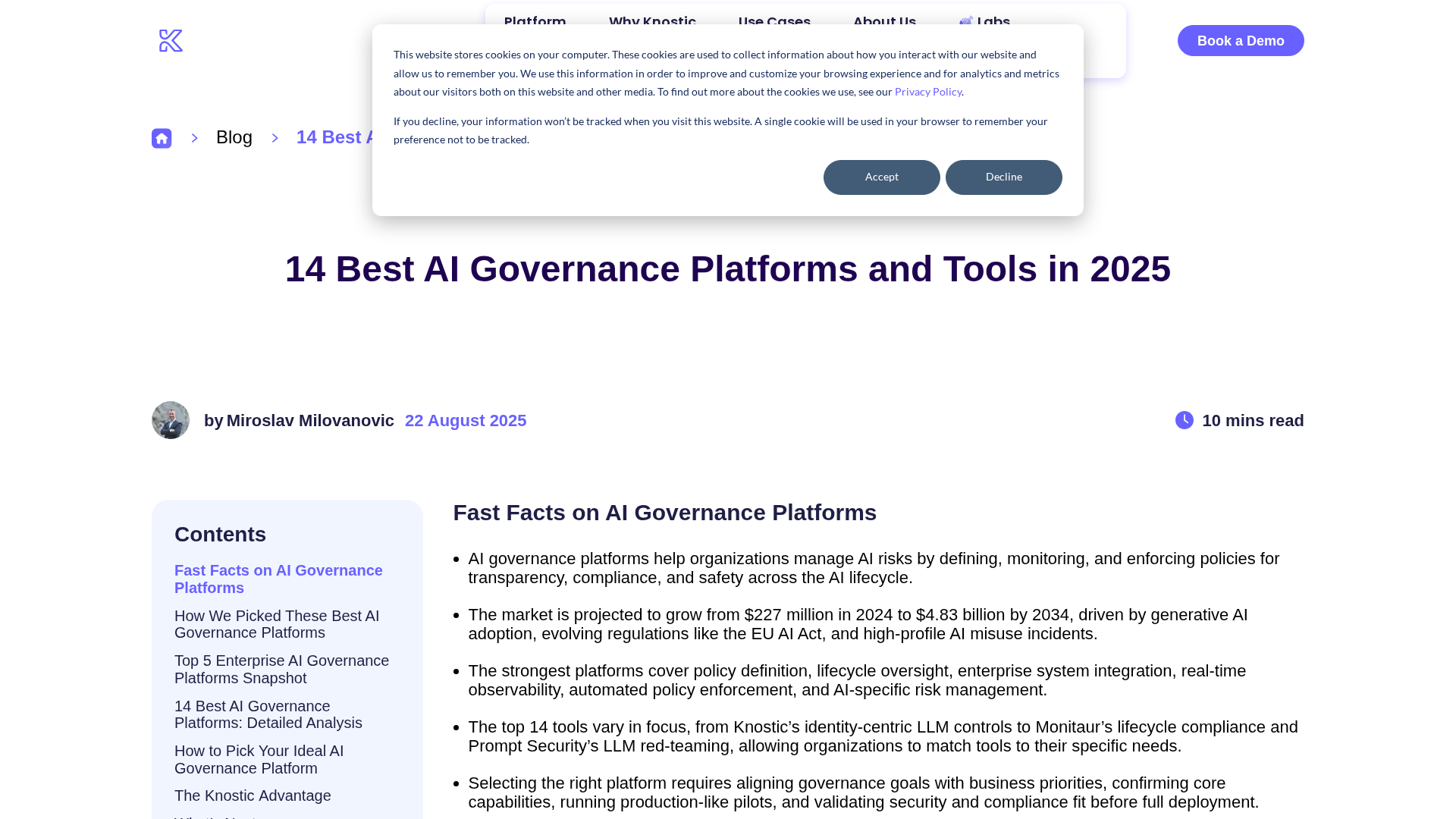
A vendor‑agnostic guide to the 14 best AI governance platforms in 2025, with criteria, comparisons, and practical buying guidance.
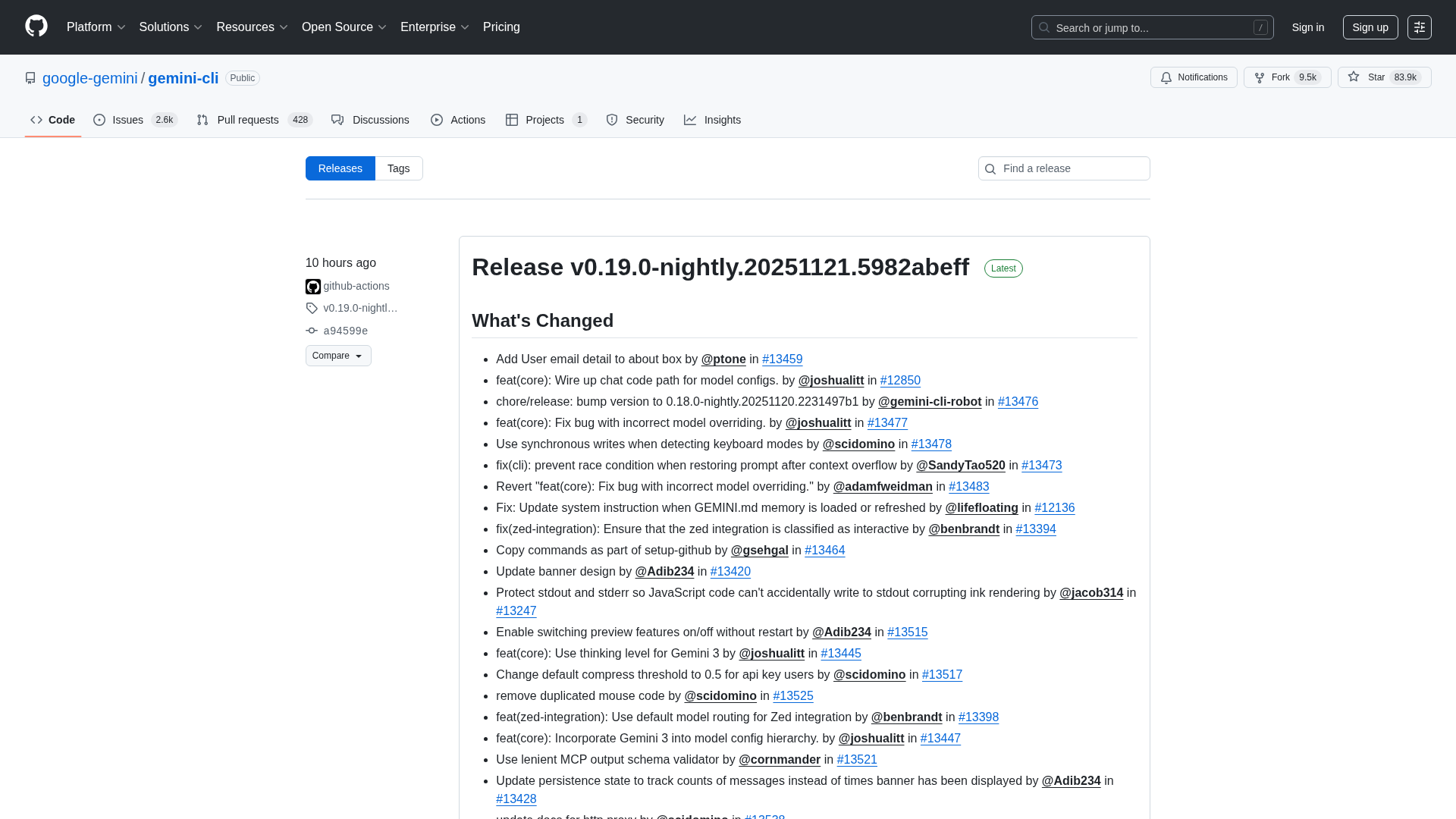
Overview of the Gemini CLI v0.36.0-preview release series, highlighting architectural, CLI, and UI changelogs across multiple pre-release versions.
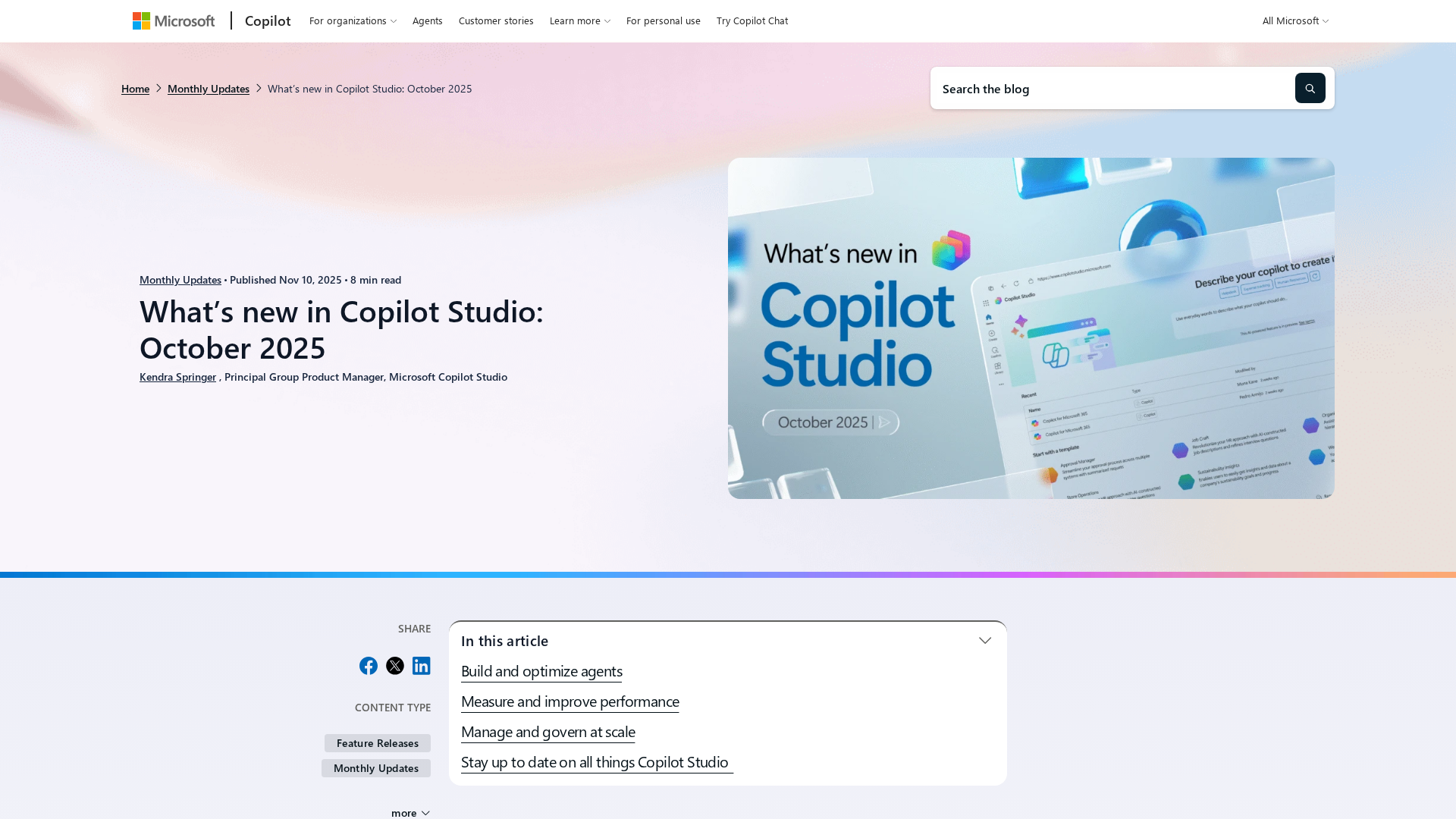
A comprehensive October 2025 roundup of Copilot Studio’s new testing, model, and governance features.
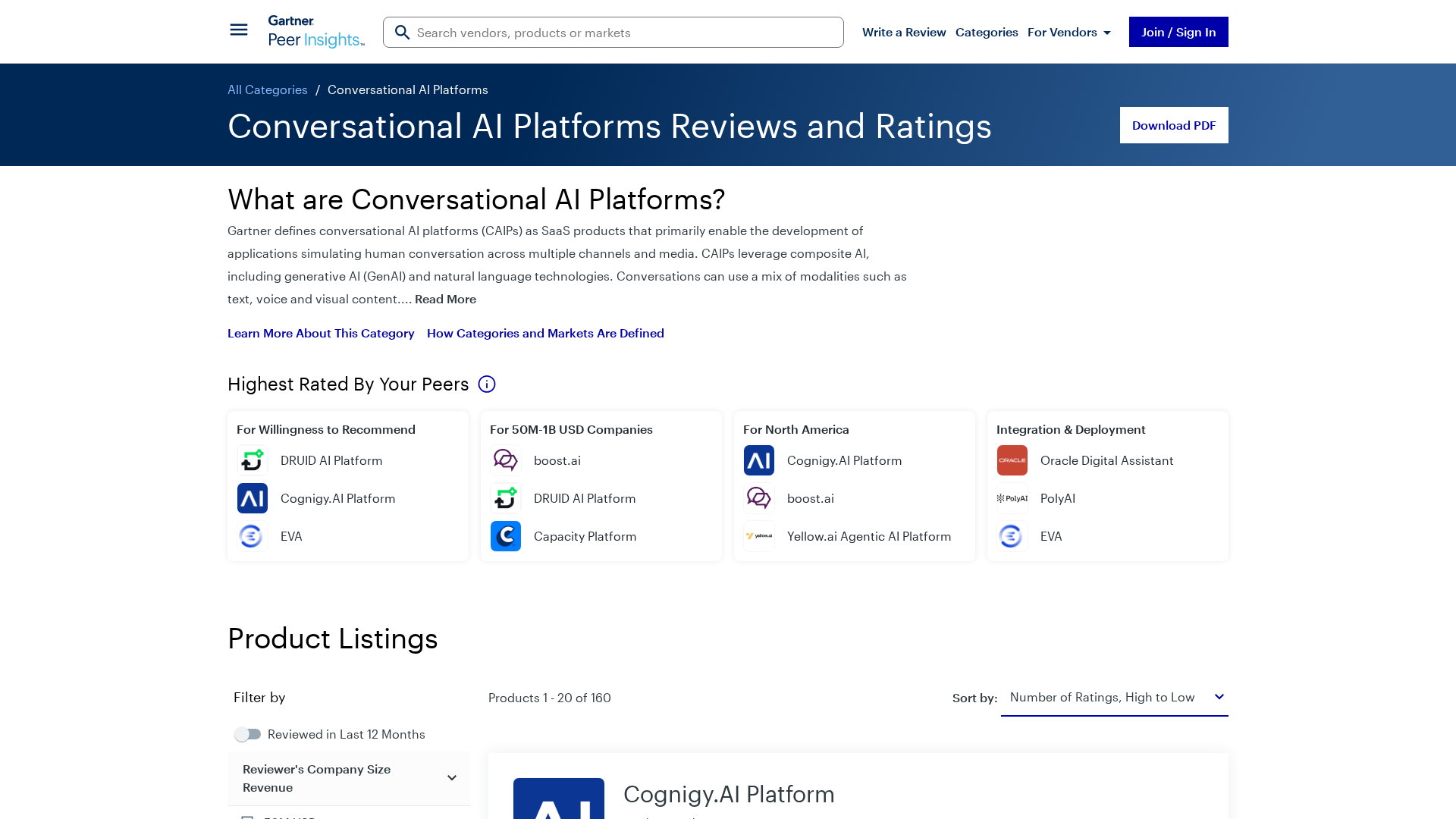
Gartner’s market view on conversational AI platforms, outlining trends, vendors, and buyer guidance.
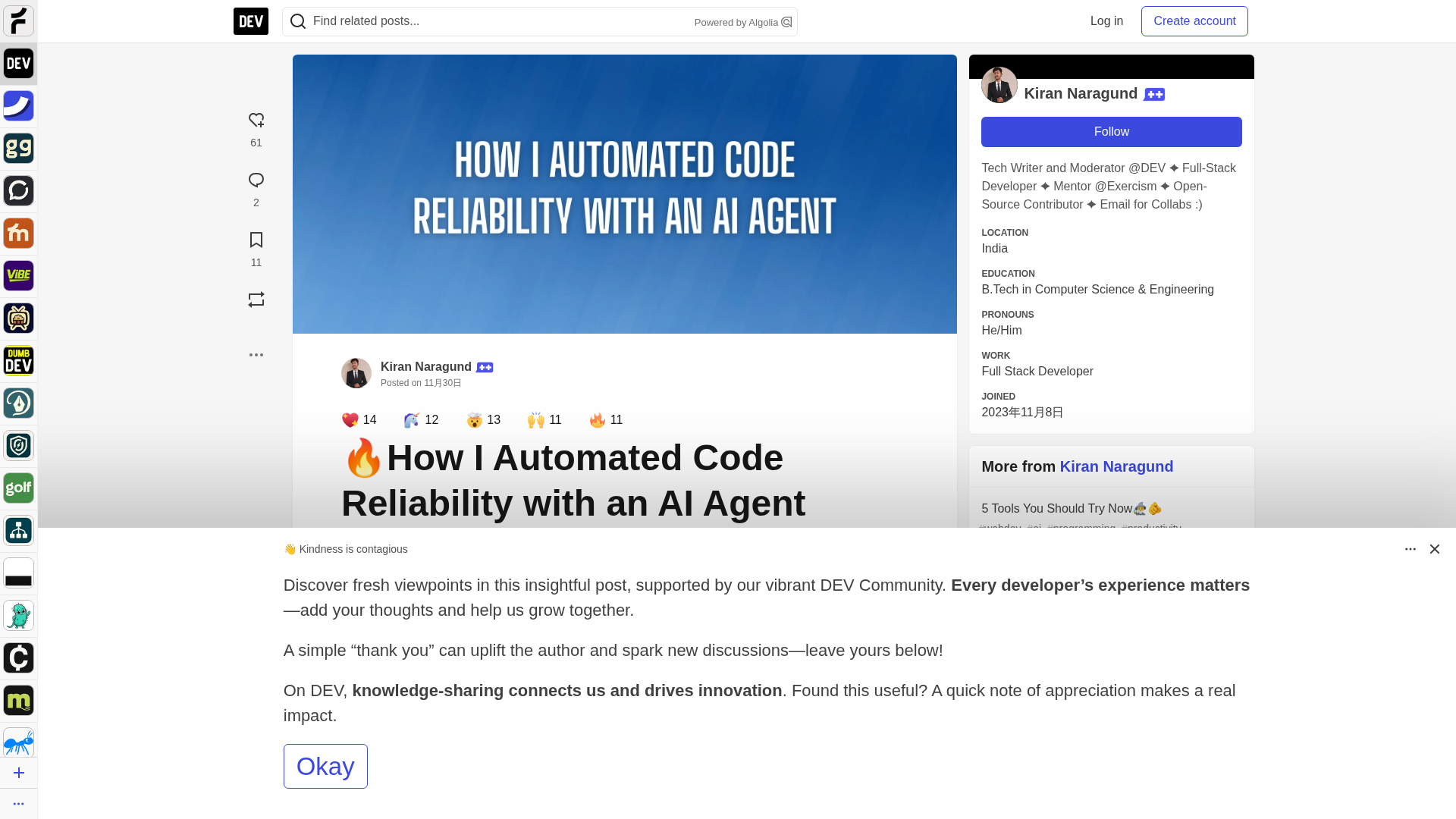
A step-by-step guide to building an AI-powered Reliability Guardian that reviews code locally and in CI with Qodo Command.