Topic Overview
AI-powered onchain app development workflows bring together agentic LLM tooling, code-generation models, low-code builders, and blockchain primitives to streamline creation, deployment and governance of decentralised applications. This topic covers Noah V2 and competing stacks that integrate stateful agent orchestration with smart-contract interactions, developer SDKs, and onchain model primitives for monetization and provenance. Relevance in late 2025 stems from two converging trends: mainstreaming of chain-native AI (agents that hold state across transactions and interact with contracts) and stronger enterprise/regulatory focus on model governance and privacy. Key categories include AI Code Generation Tools (Code Llama, GitHub Copilot, Tabnine) for producing and vetting smart-contract and off-chain integration code; Low-Code Workflow Platforms (Replit-style web IDEs and visual builders) for rapid prototyping and deployment; AI Tool Marketplaces and decentralised infra (Tensorplex Labs) that combine model hosting, staking and onchain incentives; and AI Security Governance and Regulatory Compliance tools that ensure auditable provenance, access controls and automated policy checks. Representative tools: LangChain (engineered frameworks and LangGraph for stateful agent orchestration), Tensorplex Labs (open, DeFi-aware AI infra), GitHub Copilot and Code Llama (developer-facing code models), Tabnine and Cline (enterprise/self-hosted and client-side coding agents), Replit (host+IDE+agents), and AutoGPT (automation of multi-step agent workflows). Practical implications: teams should evaluate stacks on state management, onchain integration patterns, private/self-hosted model support, auditability, and compliance hooks. The most practical approaches combine robust code-generation models, low-code deployment paths, marketplaces for verifiable models, and governance tooling to reduce technical and regulatory risk when building onchain AI applications.
Tool Rankings – Top 6

Engineering platform and open-source frameworks to build, test, and deploy reliable AI agents.
Open-source, decentralized AI infrastructure combining model development with blockchain/DeFi primitives (staking, cross

An AI pair programmer that gives code completions, chat help, and autonomous agent workflows across editors, theterminal
Code-specialized Llama family from Meta optimized for code generation, completion, and code-aware natural-language tasks

Enterprise-focused AI coding assistant emphasizing private/self-hosted deployments, governance, and context-aware code.

AI-powered online IDE and platform to build, host, and ship apps quickly.
Latest Articles (64)
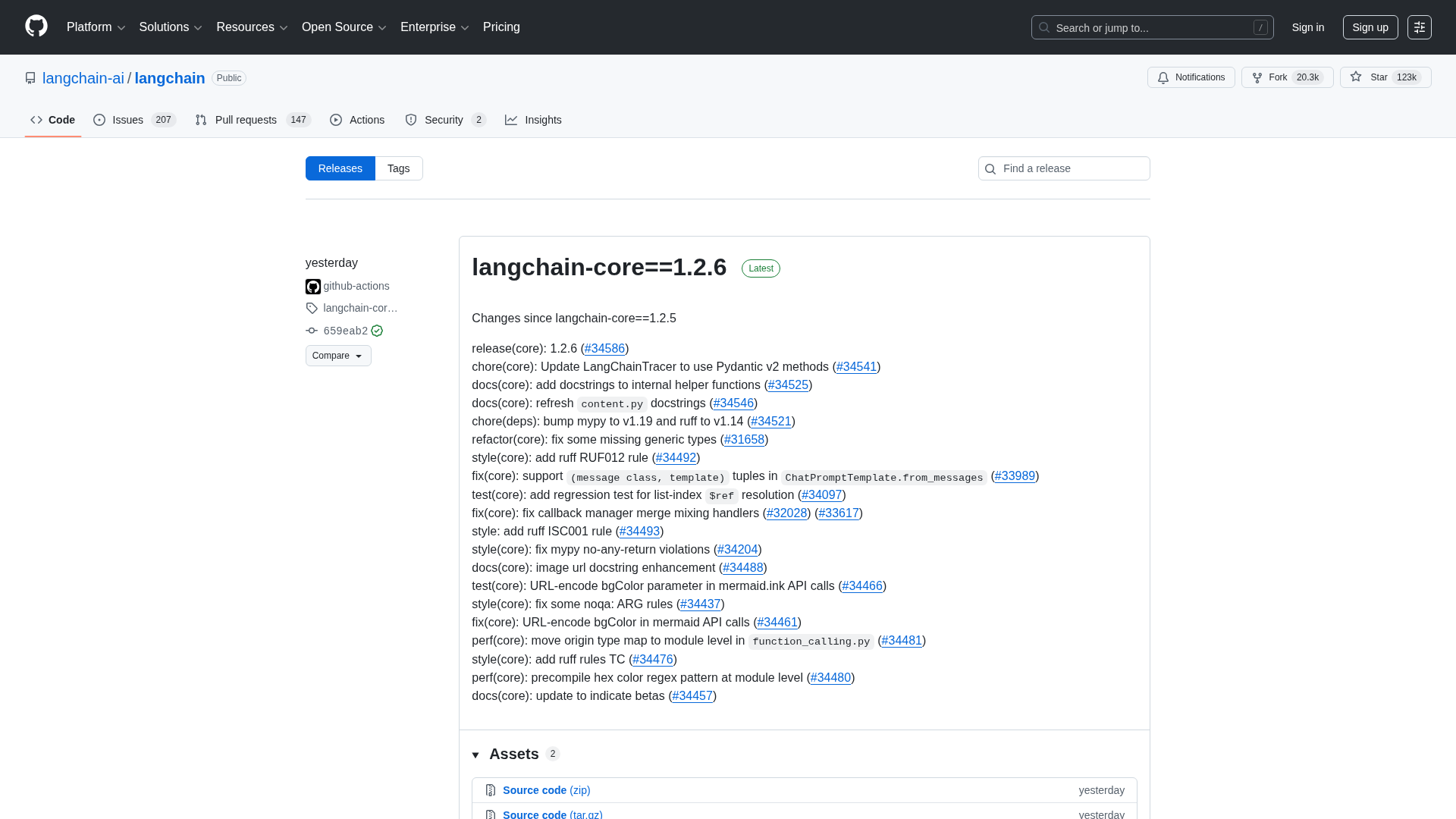
A comprehensive LangChain releases roundup detailing Core 1.2.6 and interconnected updates across XAI, OpenAI, Classic, and tests.

Cannot access the article content due to an access-denied error, preventing summarization.
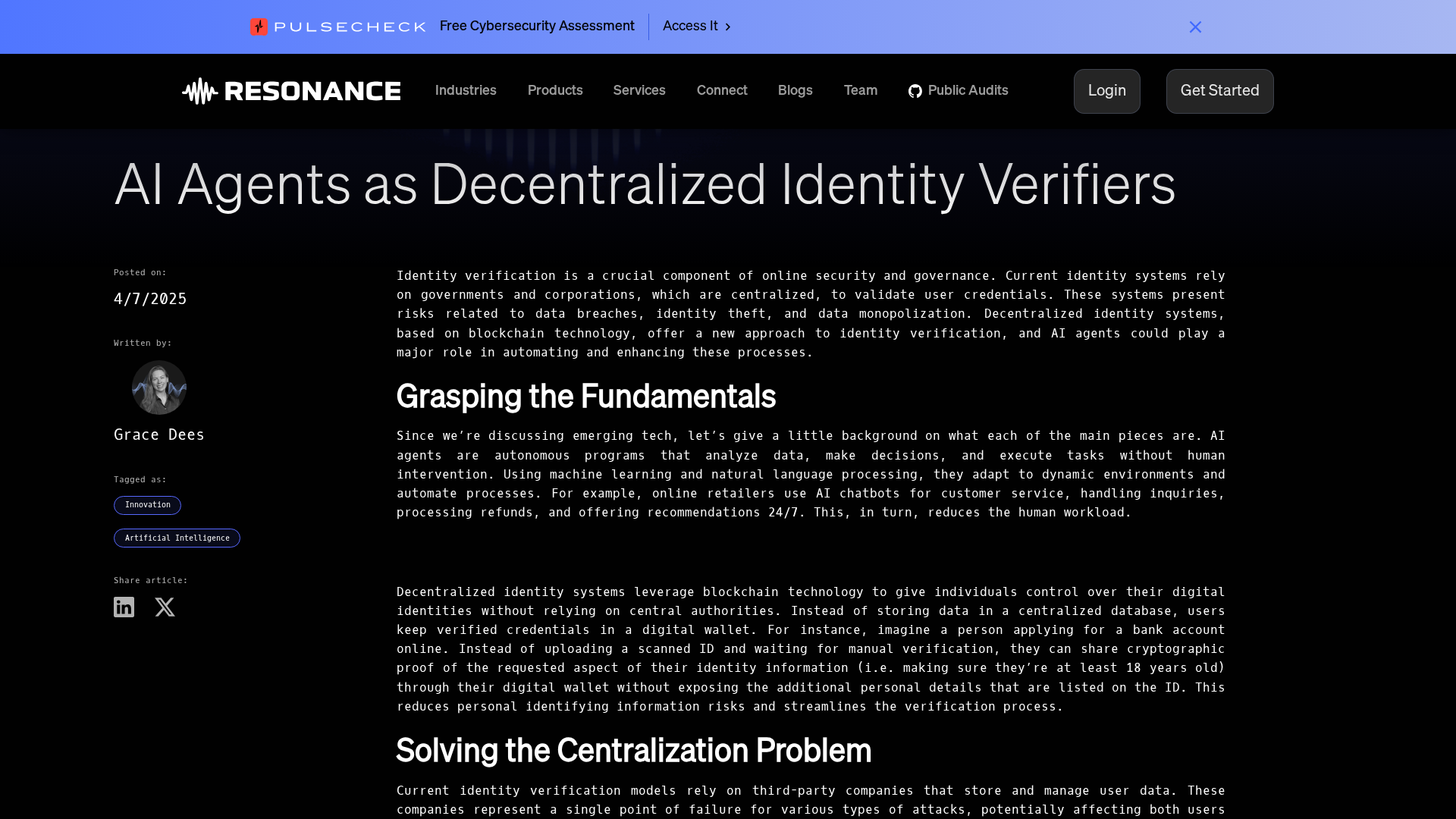
How AI agents can automate and secure decentralized identity verification on blockchain-enabled systems.
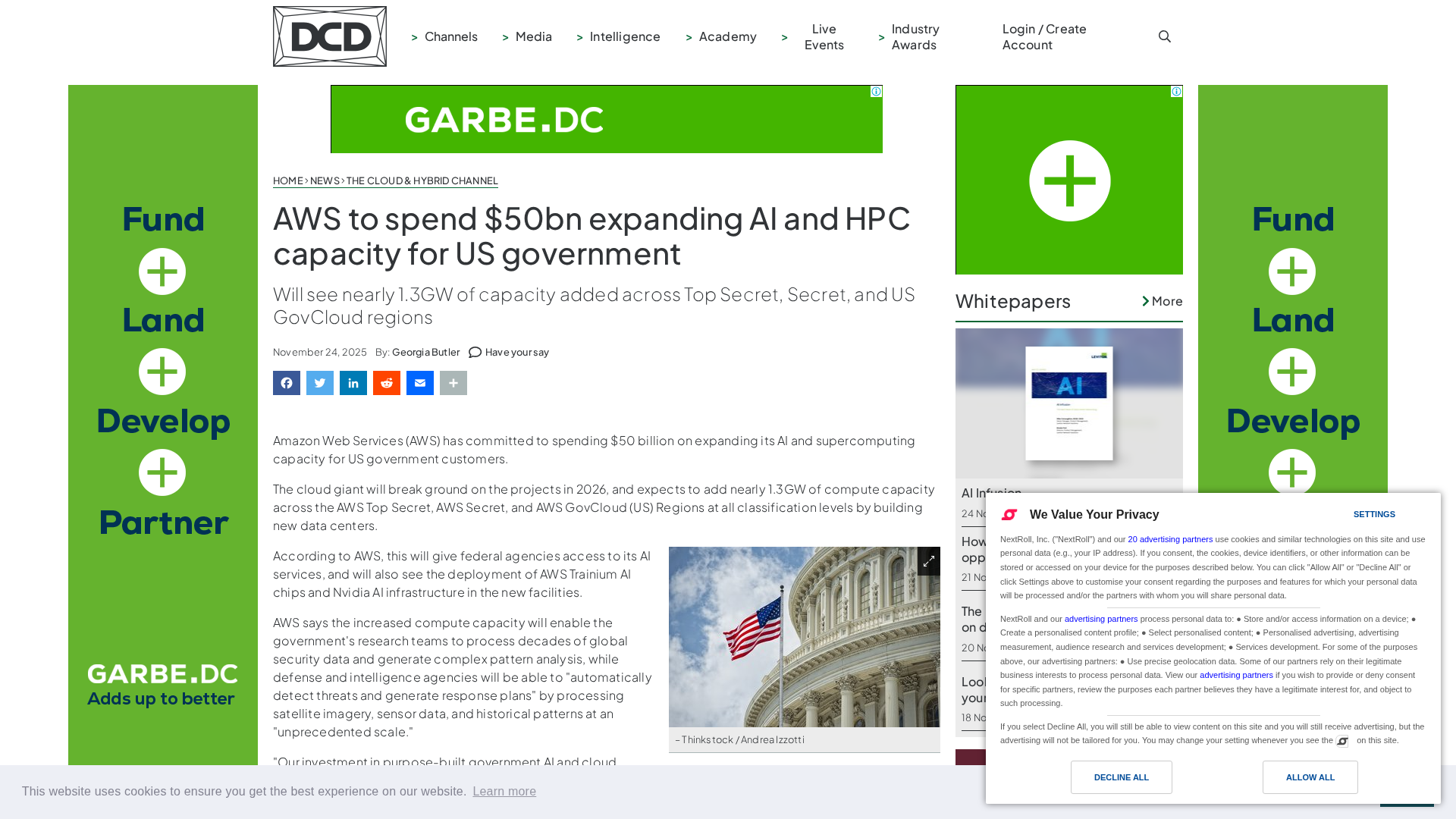
AWS commits $50B to expand AI/HPC capacity for U.S. government, adding 1.3GW compute across GovCloud regions.
A quick preview of POE-POE's pros and cons as seen in G2 reviews.