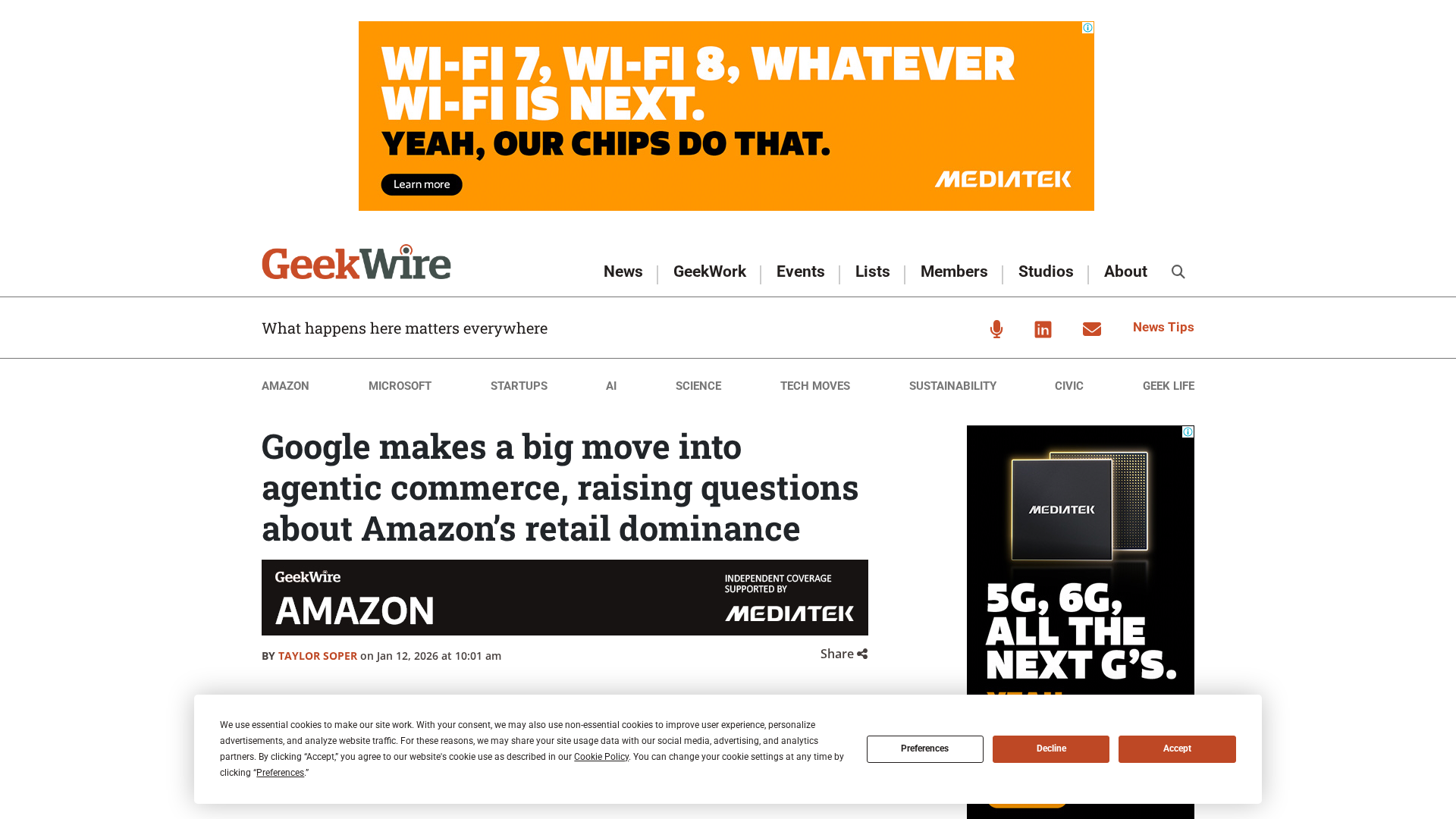
Topic Overview
AI shopping agent platforms now span marketplace-built assistants (e.g., Google Shopping Agent, Amazon/Shopify native experiences) and an ecosystem of third‑party tools and agent marketplaces that handle discovery, review synthesis, catalog enrichment and back‑office operations. This topic examines how those approaches differ in data access, personalization, integration and enterprise readiness as of 2026-01-13. First‑party agents benefit from deep marketplace signals and checkout integration, while third‑party assistants and extensions focus on cross‑site comparison, review analysis and composable workflows. Representative tools illustrate the landscape: Vetted aggregates reviews, expert articles and social content to produce pros/cons summaries and personalized recommendations; ShopGuru is a browser extension that analyzes Amazon listings and reviews to answer product questions on page; Lily AI enriches product content and attributes to improve search and ad performance; OmniSynkAI positions itself as a multi‑channel listing, inventory and order manager (its public site currently returns a minimal “Site Not Found” page); Vellum AI Showcase demonstrates reusable plain‑English agent prompts and workflows for building specialized shopping agents; Cohere provides enterprise LLM infrastructure—private models, embeddings and retrieval—commonly used to power secure, customizable agents. Key considerations for choosing between Google’s or a marketplace’s agent versus alternatives include: which agent has reliable access to transaction and inventory data, how personalization and privacy are balanced, the ability to compose agents from best‑of‑breed components, and enterprise needs for model control and catalog enrichment. Understanding these tradeoffs helps retailers, developers and shoppers pick the right mix of native and third‑party tools for discovery, conversion and operational efficiency.
Tool Rankings – Top 6
AI-powered B2B SaaS for multi-channel e-commerce product listing, inventory and order management.
Vetted is an AI shopping assistant that researches reviews and prices across sources to recommend high-quality products.
A Chrome extension that analyzes Amazon reviews to answer product questions with trusted, product-specific information.
AI-powered enrichment of product content to boost discovery and sales across search, ads, and marketplaces.

A rich gallery of plain‑English prompts for building AI agents across support, sales, legal, and more with Vellum AI.

Enterprise-focused LLM platform offering private, customizable models, embeddings, retrieval, and search.
Latest Articles (59)
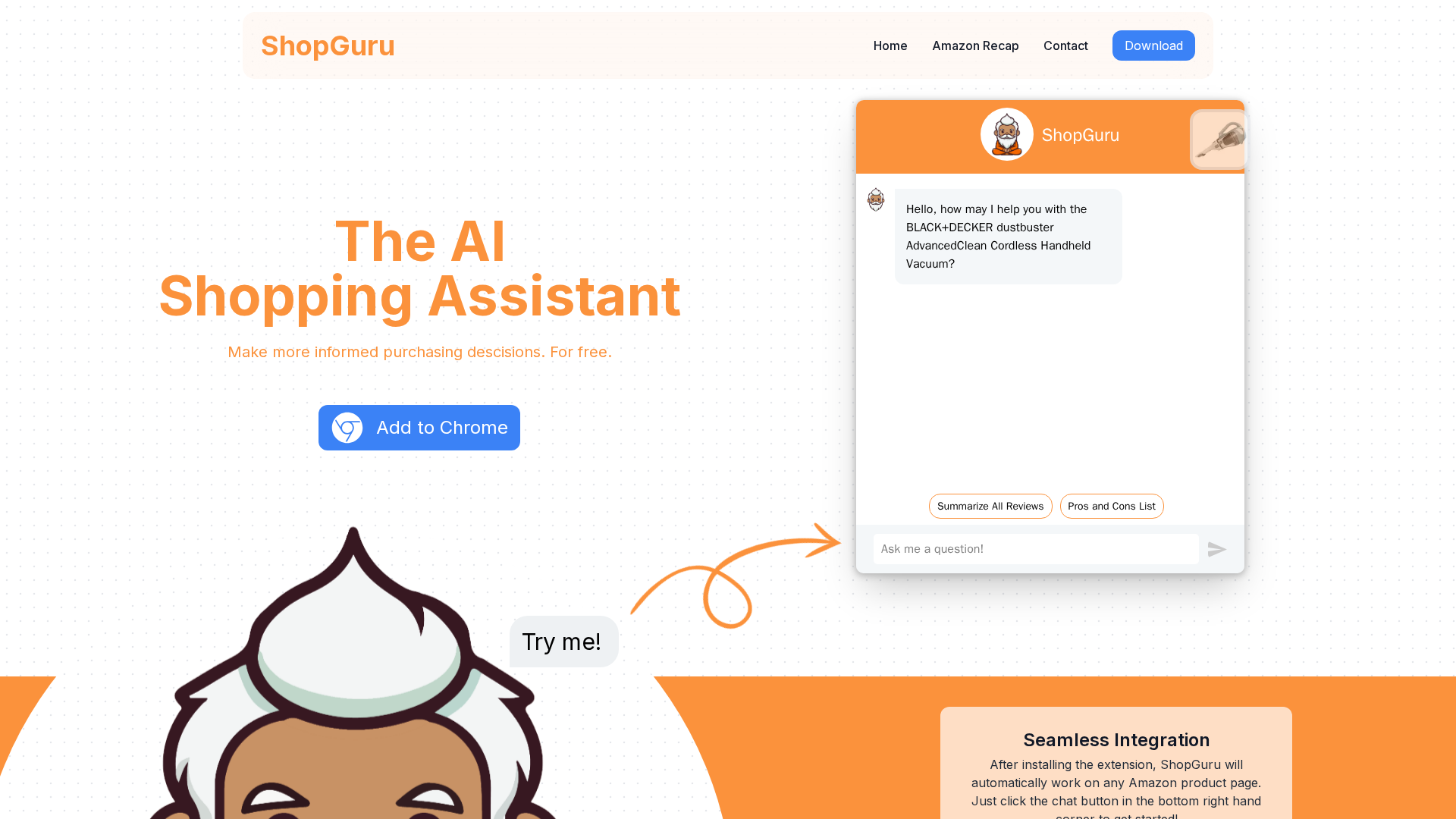
Free browser extension that analyzes Amazon reviews to answer questions with product-specific information.

Unable to retrieve article content due to JavaScript rendering requirements.
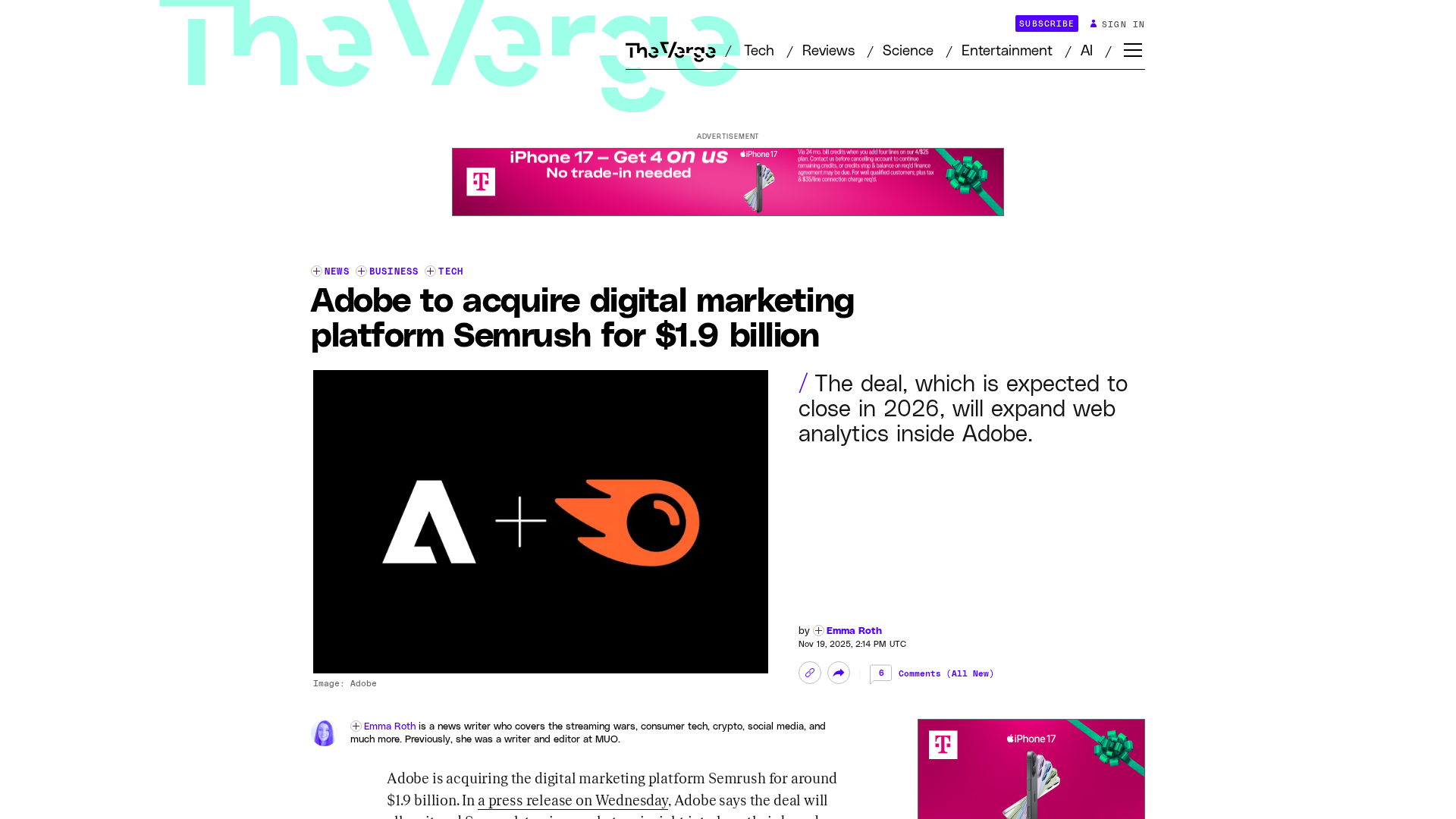
Adobe to acquire Semrush for 1.9B, expanding AI-powered analytics and SEO tools in its marketing platform.

Adobe to acquire Semrush for $1.9B in an all-cash deal, boosting AI-powered marketing tools.

A practical, prompt-based playbook showing how Gemini 3 reshapes work, with a 90‑day plan and guardrails.